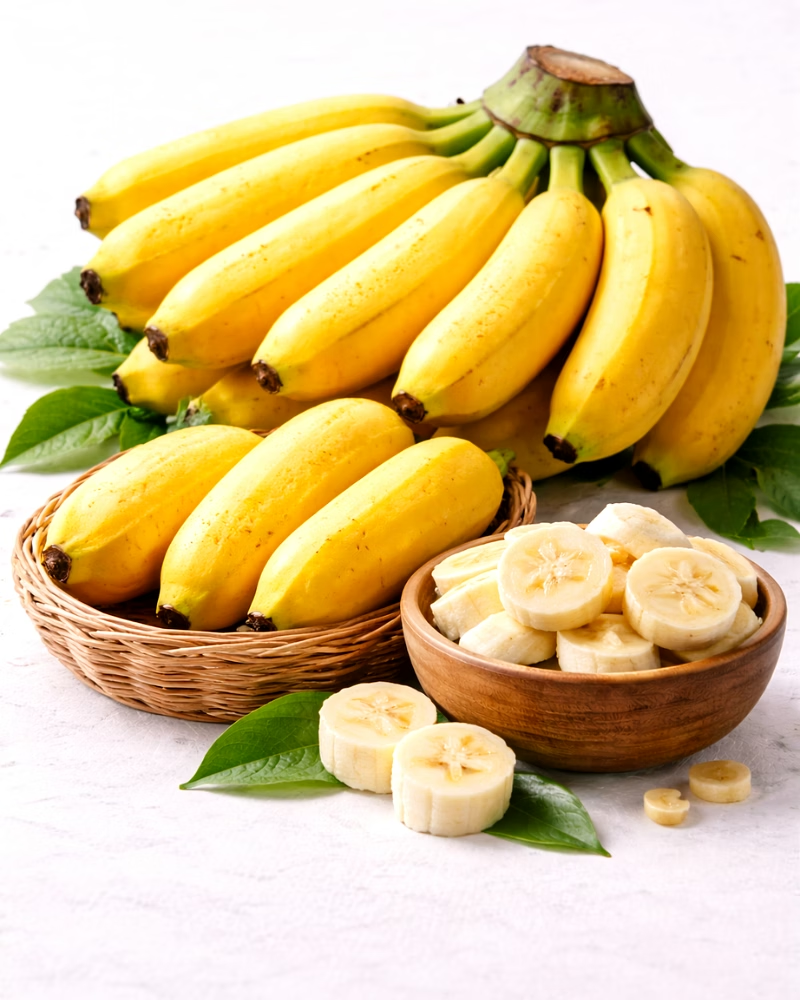
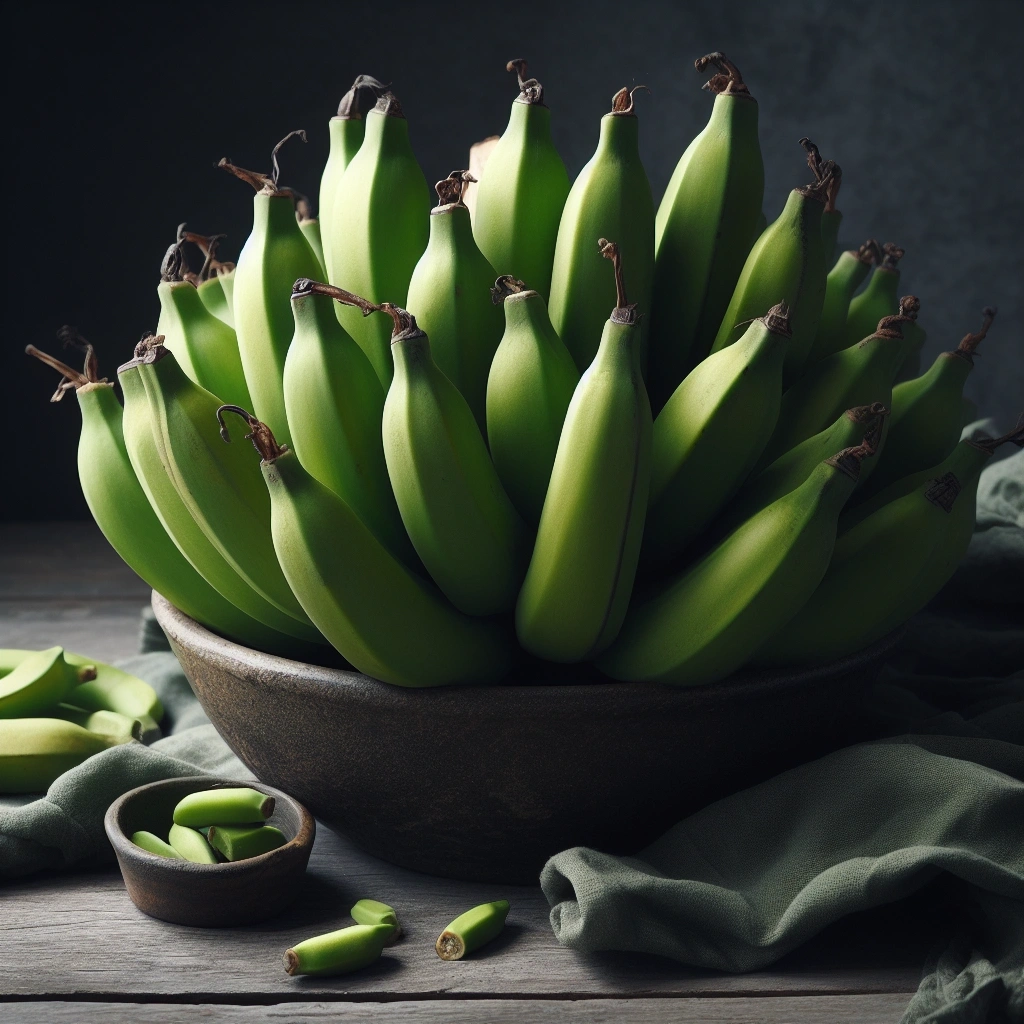
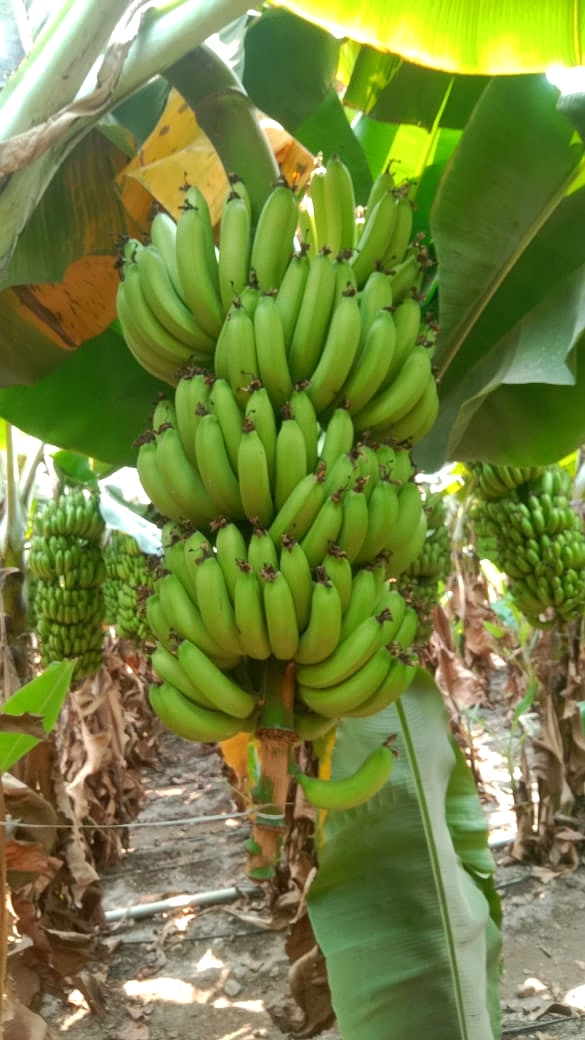
The Fresh G9 Cavendish Banana (Green) is a premium quality banana variety specifically selected for its superior size, firmness, and freshness. Each box contains 13kg net and 14kg gross weight of bananas carefully packed to maintain optimal freshness, ensuring minimal damage during transportation. G9 grade Cavendish bananas are harvested at the green stage with a maturity scale of 38 to 46, guaranteeing longer shelf life and better ripening control for retailers and wholesalers. With a minimum length ranging from 18cm to 25cm, these bananas exhibit the classic characteristics of the Cavendish variety, including a smooth, thin peel that gradually turns bright yellow upon ripening. Their creamy, soft flesh delivers the sweet taste with subtle honey undertones highly favored in markets worldwide. These bananas are ideal for grocery chains, fruit distributors, hotels, and foodservice businesses seeking high-quality, consistent supply of fresh Cavendish bananas.
Key Features
| Features | Description |
|---|---|
| Variety | G9 Grade Cavendish Banana (Green) |
| Net Weight | 13kg per box |
| Gross Weight | 14kg per box |
| Packaging | Durable box packaging ensuring freshness and protection |
| Maturity Scale | 38 to 46 (Green stage for extended shelf life) |
| Grade | Grade A (Premium quality) |
| Minimum Length | 18cm to 25cm (from pulp to tip) |
| Peel Characteristics | Thin and smooth peel, easy to remove |
| Taste Profile | Sweet with subtle honey notes |
| Shelf Life Advantage | Harvested at green stage for better ripening control |
| Attributes | Description |
|---|---|
| Scientific Name | Musa acuminata |
| Color at Purchase | Green |
| Color When Ripe | Bright Yellow |
| Shape | Smooth and slightly curved |
| Texture | Creamy and soft flesh |
| Ideal Soil Conditions | Well-drained, fertile tropical or subtropical soil |
| Optimal Temperature for Growth | Warm tropical to subtropical climates |
| Resistance | Generally resistant to pests and diseases |
| Intended Use | Retail, wholesale, foodservice, and hospitality sectors |
*Disclaimer: The above description has been AI-generated and has not been audited or verified for accuracy. It is recommended to verify product details independently before making any purchasing decisions.
The G9 grade specifies premium quality Cavendish bananas that meet strict criteria including size (minimum 18 to 25 cm length), firmness, and consistency. It ensures that these bananas are harvested green for better shelf life and ripening control.
Harvesting at the green maturity scale of 38 to 46 helps extend shelf life and allows distributors and retailers to control the ripening process, reducing spoilage and ensuring bananas arrive fresh to the market.
Yes, the bananas are packed in durable boxes designed to protect the fruit during transport and maintain freshness, making them suitable for wholesale and export purposes.
Bulk purchasing of G9 Cavendish bananas ensures a consistent supply of premium quality fruit with uniform size and taste. The green stage harvest offers flexibility in ripening based on specific business needs, minimizing wastage.
Yes, Cavendish bananas, including the G9 grade, are generally resistant to common pests and diseases which supports their reliable cultivation in tropical and subtropical regions.
Country Of Origin: India
G9 Cavendish Banana (Green)
Weight- 13kg Net, 14kg Gros
Packaging - Box
Maturity: Maturity scale typically ranges from 38 to 46
Grade - A
Length: Minimum length of 18 cm to 25 cm (from pulp to tip)
cavendish bananas, scientifically classified as Musa acuminata, are one of the most popular and widely consumed banana varieties globally. Cavendish bananas typically have a bright yellow color when ripe, with a smooth and slightly curved shape. The peel is thin and easily removable, revealing the creamy, soft flesh inside.
The flesh of Cavendish bananas is smooth and creamy, offering a delightful melt-in-your-mouth texture. The taste is sweet with subtle notes of honey, making it a universally appealing fruit. Cavendish bananas are cultivated in tropical and subtropical regions worldwide. They thrive in well-drained, fertile soil and require warm temperatures for optimal growth. The plants are generally resistant to pests and diseases.