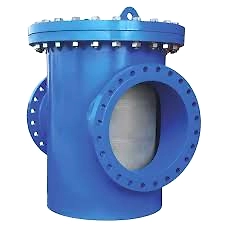
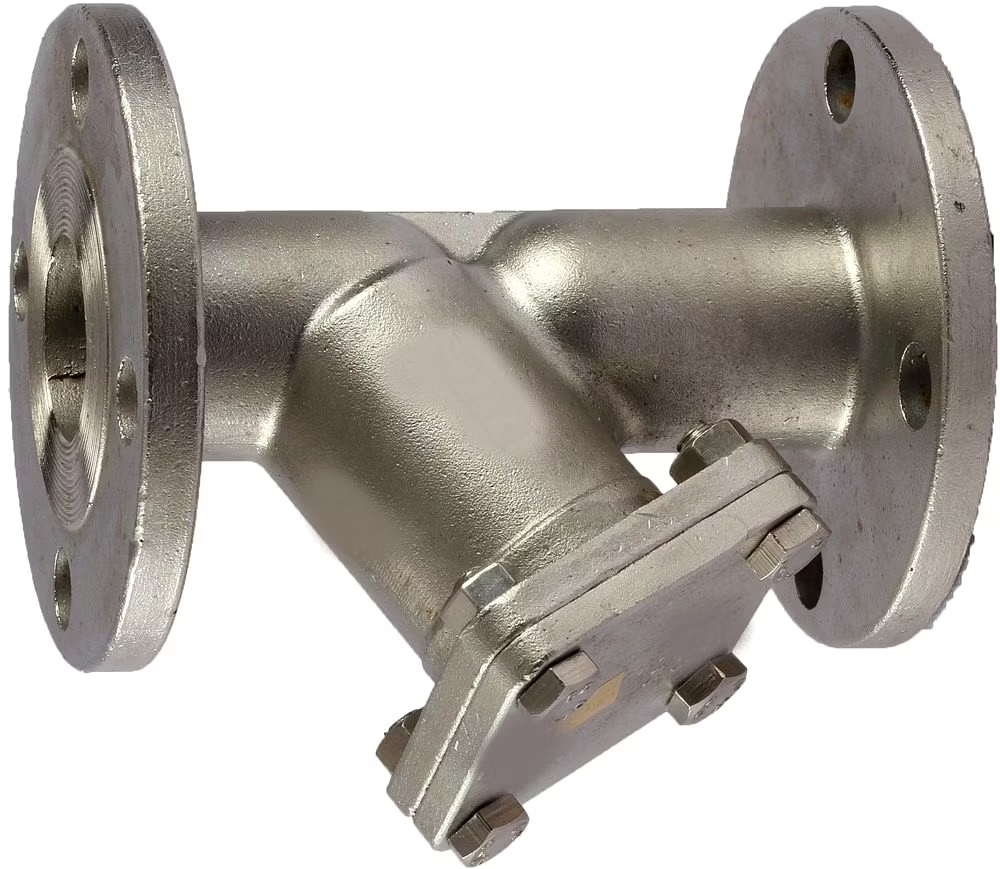
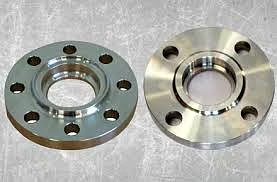
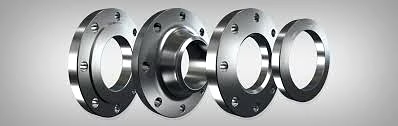
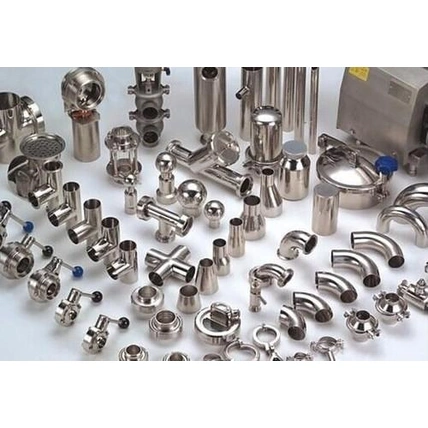
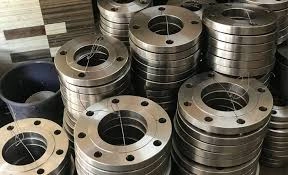
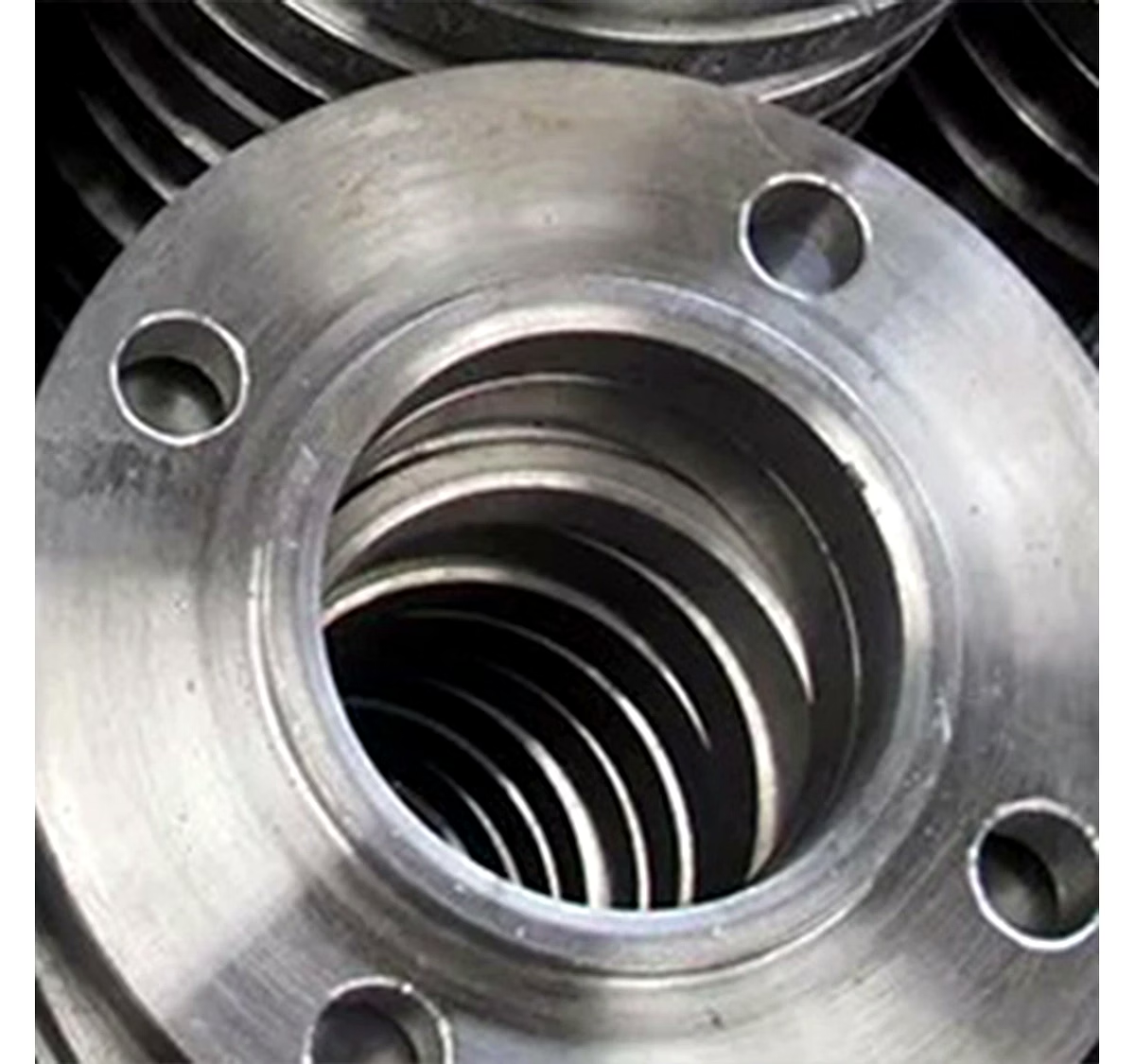
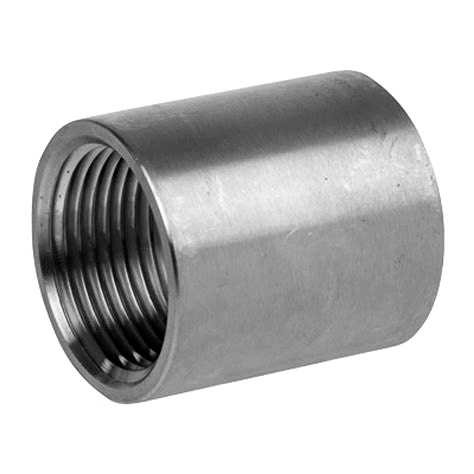
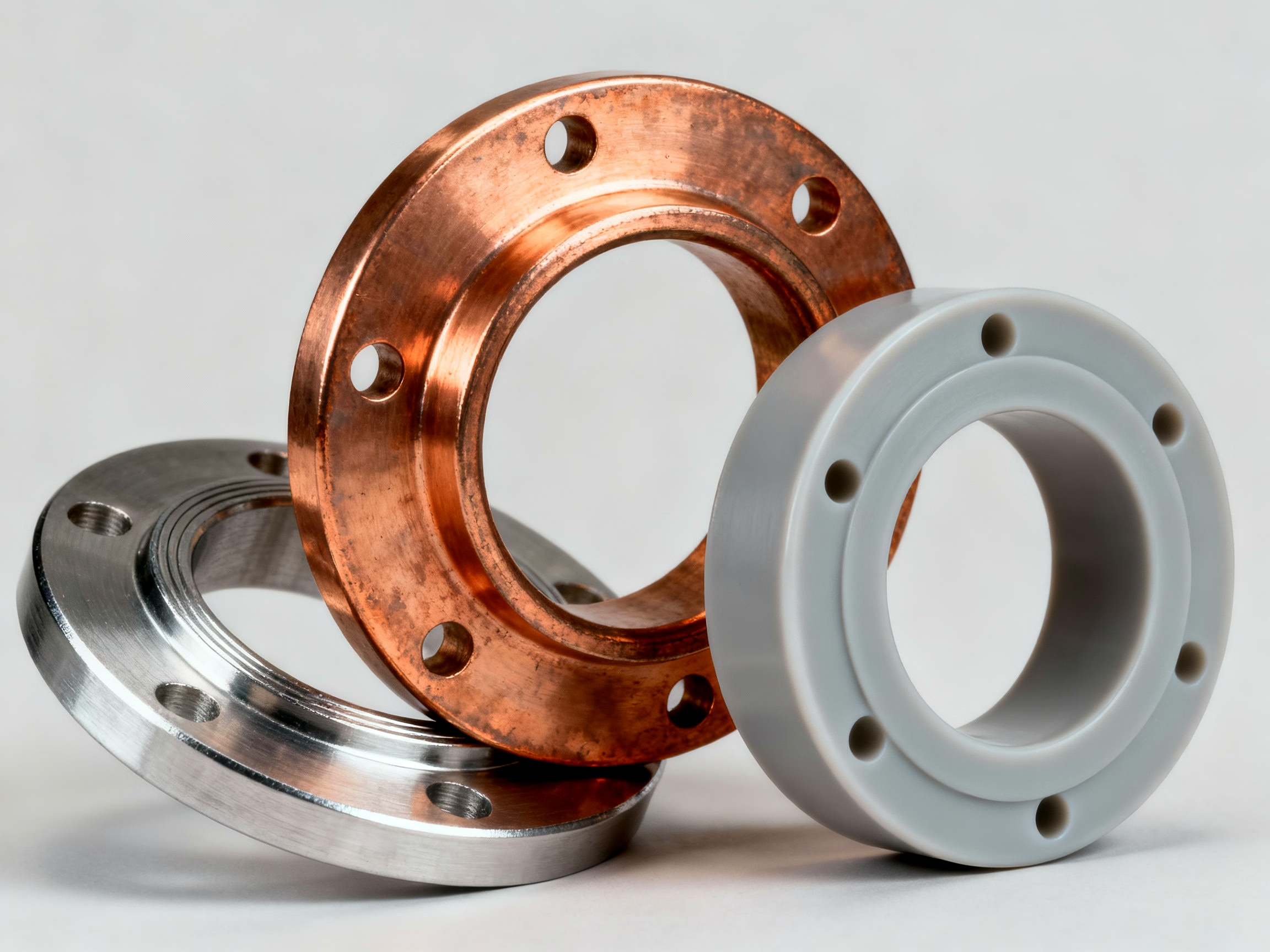
Flanges are essential components in piping systems used to connect pipes, valves, pumps, and other equipment with ease for assembly, disassembly, and maintenance. They provide a secure and leak-proof joint by being bolted together and sealed with gaskets. Available in various types such as Weld Neck, Slip-On, Blind, Socket Weld, Lap Joint, and Threaded flanges, they cater to different pressure, alignment, and application needs. Manufactured from materials like stainless steel, carbon steel, aluminum, brass, and PVC, these flanges are designed to suit diverse industrial environments including oil and gas, chemical processing, water treatment, HVAC, and more. Their robust design ensures long-lasting durability, resistance to corrosion, and optimal performance in harsh conditions, making them indispensable for piping infrastructure across various industries.
Key Features
| Features | Description |
|---|---|
| Flange Types | Weld Neck, Slip-On, Blind, Socket Weld, Lap Joint, Threaded |
| Material Options | Stainless Steel, Carbon Steel, Aluminum, Brass, PVC |
| Connection Method | Bolted with gasket sealing for leak-proof joints |
| Application Areas | Oil & Gas, Chemical Processing, Water Treatment, HVAC, Industrial Piping |
| Pressure Compatibility | Suitable for both high and low-pressure systems depending on flange type |
| Corrosion Resistance | Dependent on material, suitable for corrosive environments |
| Ease of Maintenance | Designed for easy assembly and disassembly |
| Customization | Available in various sizes and material grades to meet specific needs |
| Attributes | Description |
|---|---|
| Dimensions | Customizable as per pipe diameter and specification |
| Standards Compliance | Manufactured according to ASTM, ASME, or ISO standards |
| Surface Finish | Machined face, RF (Raised Face), or RTJ (Ring Type Joint) available |
| Pressure Rating | Varies by flange type, typically ranging from 150 PSI to 2500 PSI |
| Welding Type | Butt weld for Weld Neck, Socket weld for Socket Weld flange |
| Thread Type | NPT (National Pipe Thread) for Threaded flanges |
| Coating Options | Corrosion resistant coatings or galvanization available based on material |
*Disclaimer: The above description has been AI-generated and has not been audited or verified for accuracy. It is recommended to verify product details independently before making any purchasing decisions.
Weld Neck flanges are best suited for high-pressure piping systems due to their butt-welded connection which provides strength and reduces stress concentrations at the base of the flange.
Yes, flanges made of stainless steel or coated carbon steel are specifically designed for corrosive environments to ensure durability and resistance to corrosion.
Lap Joint flanges paired with stub ends are ideal for systems that require frequent disassembly since the flange can rotate around the stub end, facilitating easy alignment.
Threaded flanges are typically recommended for low-pressure applications or situations where welding isn’t feasible; they are generally not suitable for high-pressure systems.
PVC flanges are used in industrial applications where the transported substance is compatible with PVC, usually in low-pressure, non-corrosive environments such as water treatment.
Country Of Origin: India
A flange is a component used to connect pipes, valves, pumps, and other equipment in piping systems, providing easy assembly, disassembly, and maintenance. Flanges are typically bolted together and sealed with gaskets to ensure a leak-proof connection.
Types of Flanges:
1. Weld Neck Flange: Designed to be welded to the pipe, providing strength and reducing stress.
2. Slip-On Flange: Slides over the pipe and is welded at both ends for a secure connection.
3. Blind Flange: Used to close off the end of a pipe or valve opening.
4. Socket Weld Flange: Used for smaller, high-pressure pipes, with the pipe inserted into the flange before welding.
5. Lap Joint Flange: Paired with a stub end for easy alignment and assembly, commonly used in systems requiring frequent disassembly.
6. Threaded Flange: Screws onto pipes with external threads, ideal for low-pressure applications or where welding isn’t feasible.
Materials: Flanges can be made from stainless steel, carbon steel, aluminum, brass, PVC, or other materials based on the application and the substances being transported.
Applications: Flanges are widely used in industrial piping, oil and gas, water treatment, chemical processing, and HVAC systems to connect equipment, isolate sections, or allow easy access for inspection and repair.