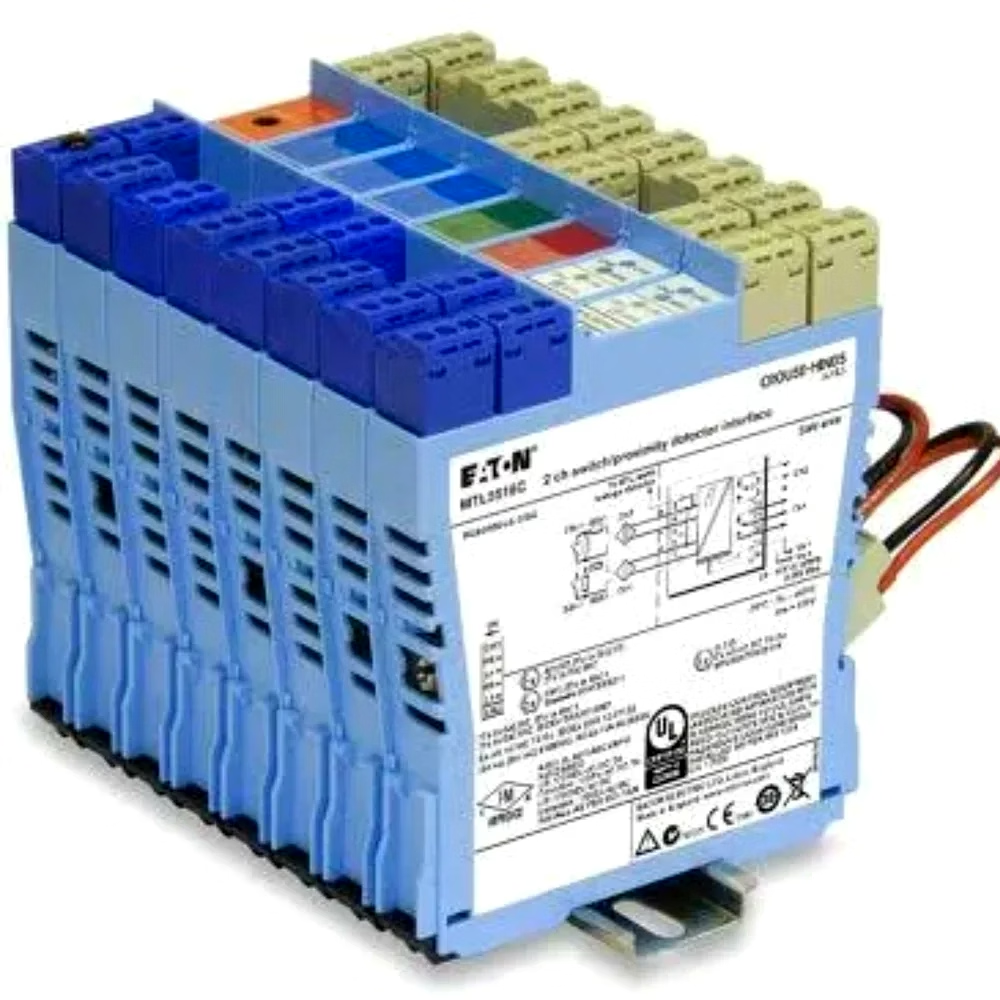
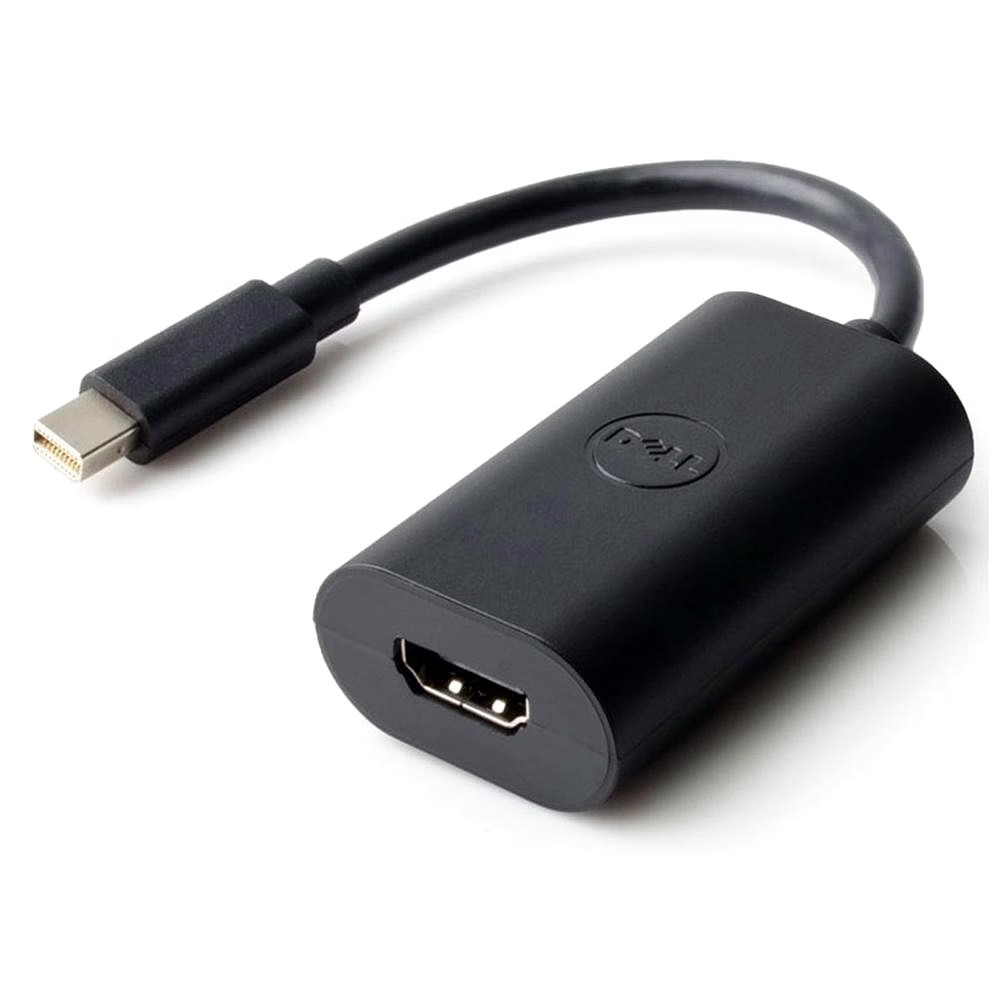
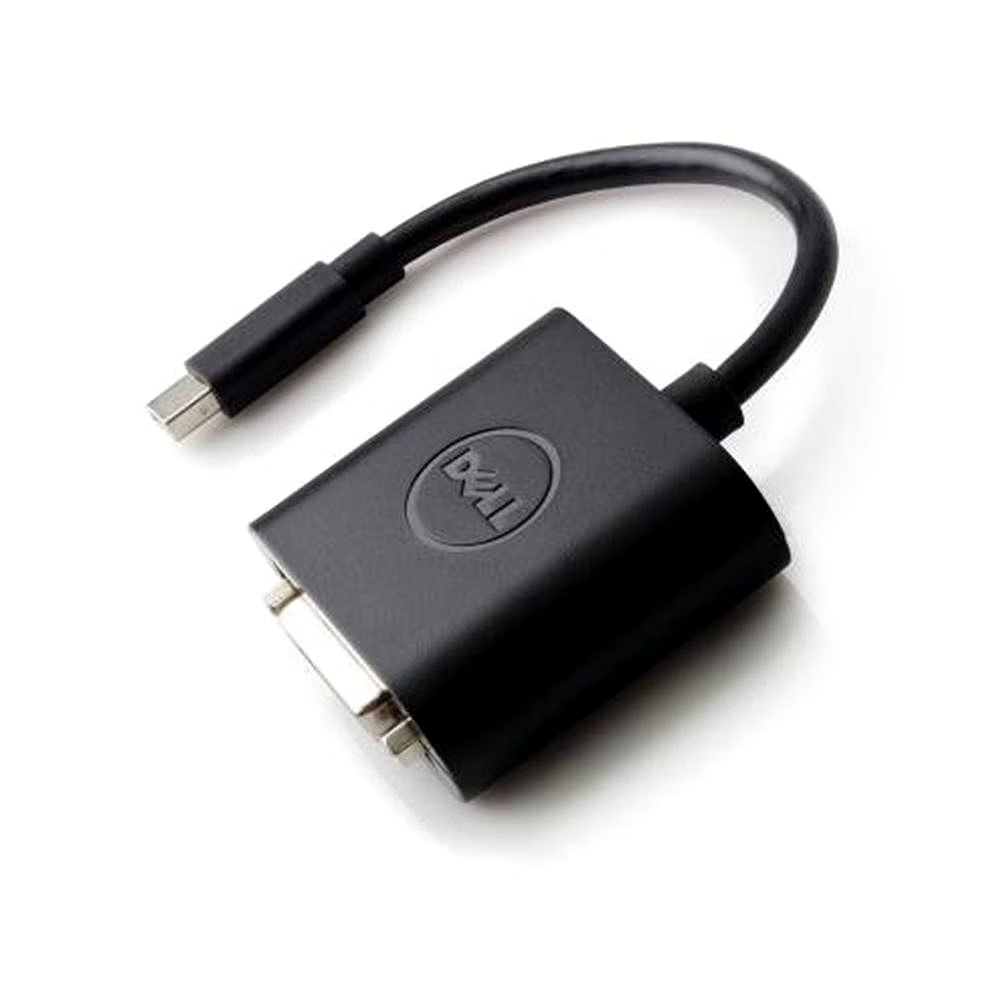
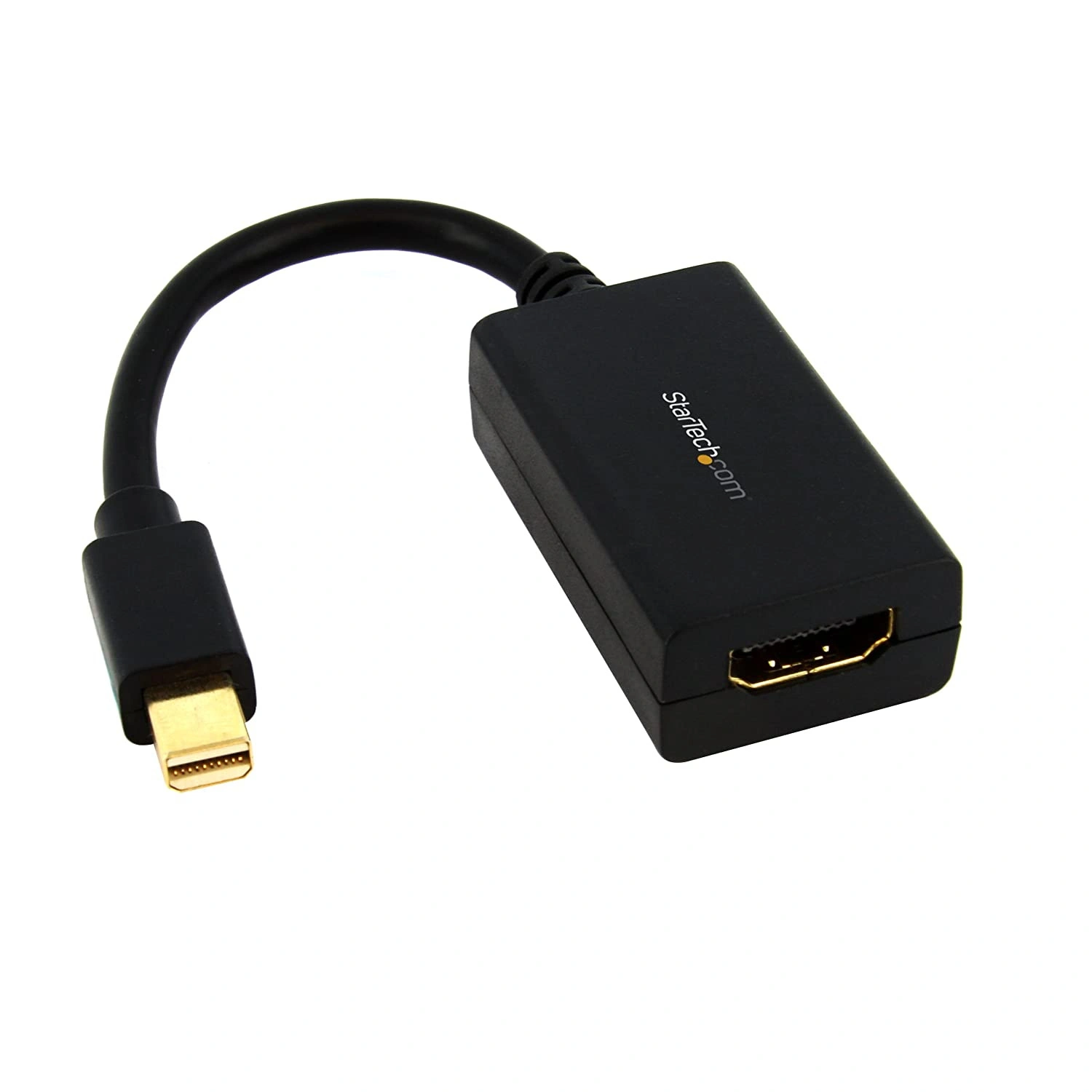
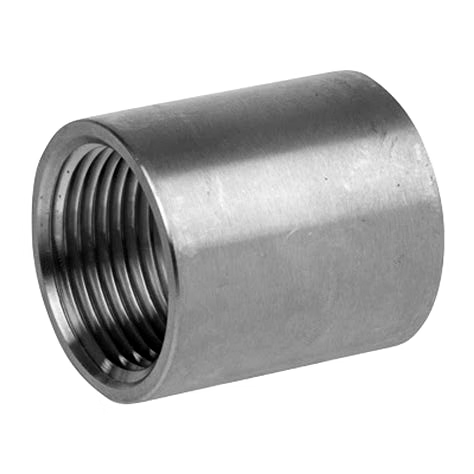
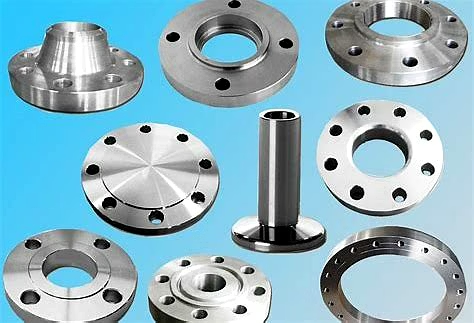
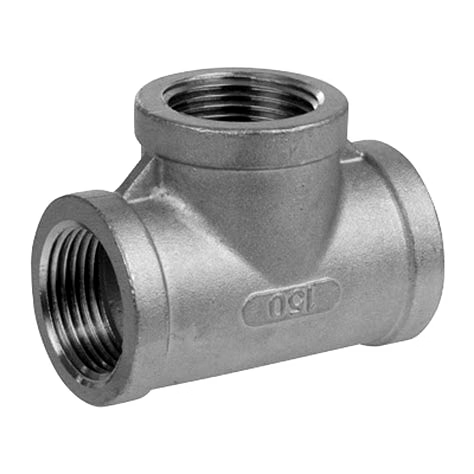
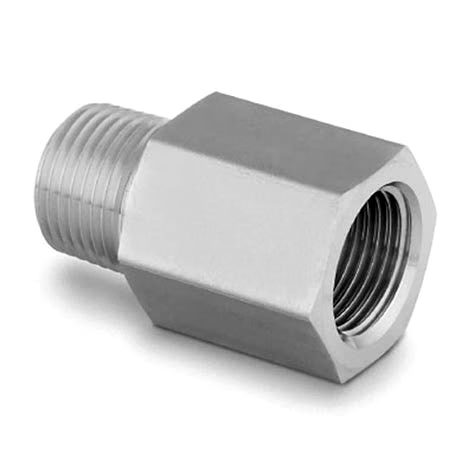
The Adapter fitting is a crucial component in piping, plumbing, and hydraulic systems, designed to connect two different types of pipes or fittings that vary in size, thread type, or material composition. Its primary function is to ensure seamless compatibility between dissimilar components without requiring alterations to the existing setup. Widely used across fluid handling, gas lines, and various mechanical systems, the adapter allows for flexible system design and reliable connections. Manufactured from durable materials to withstand operational pressures and environmental conditions, this fitting helps maintain system integrity by providing secure, leak-proof joints between incompatible parts. Ideal for industrial applications where diverse piping configurations are common, the adapter fitting enables quick and efficient installation and maintenance, reducing downtime and enhancing overall system performance.
Key Features
| Features | Description |
|---|---|
| Compatibility | Connects varying pipe sizes, thread types, and materials |
| Material | Durable materials suitable for fluid and gas applications |
| Application | Used in piping, plumbing, hydraulic, and mechanical systems |
| Functionality | Ensures leak-proof and secure connections between dissimilar fittings |
| Ease of Installation | Facilitates quick and easy connection without system modifications |
| Flexibility | Supports system design adaptability by joining incompatible components |
| Durability | Resistant to operational pressures and environmental factors |
| Attributes | Description |
|---|---|
| Type | Adapter Fitting |
| Usage | Connecting incompatible pipes and fittings |
| Applicable Systems | Fluid handling, gas lines, hydraulic, mechanical systems |
| Compatible Pipe Size Range | Varies depending on specific adapter model |
| Thread Type Compatibility | Includes metric, BSP, NPT, and other standard threads |
| Material Options | Steel, brass, stainless steel, plastic (depending on application) |
| Pressure Rating | Designed to withstand operational pressures typical of system usage |
| End Configurations | Male to female, male to male, female to female, depending on product variant |
*Disclaimer: The above description has been AI-generated and has not been audited or verified for accuracy. It is recommended to verify product details independently before making any purchasing decisions.
Yes, the adapter fitting is specifically designed to join pipes with differing thread types such as BSP, NPT, or metric threads, ensuring secure connections.
Yes, this adapter fitting is rated for use in gas lines as well as fluid handling systems, provided the pressure and material specifications match the application requirements.
Adapters come in a variety of materials including steel, brass, stainless steel, and certain plastics, selected depending on the chemical compatibility and pressure conditions of the system.
No, the adapter fitting is designed to create connections without necessitating any modifications or cutting of existing pipes or fittings.
Multiple end configurations such as male-to-female, male-to-male, and female-to-female are available depending on the system requirements.
Country Of Origin: India
An adapter fitting is a component used in piping and plumbing systems to connect two different types of fittings or pipes that may have differing sizes, threads, or materials. It ensures compatibility between various system components without needing to modify the existing setup. Adapter fittings are commonly used in applications such as fluid handling, gas lines, and mechanical systems.
An adapter fitting is a versatile component used to join two incompatible parts of a piping, plumbing, or hydraulic system. It is designed to facilitate the connection between pipes, hoses, or fittings that may have different thread types, sizes, or end configurations. These fittings help create a seamless link between components, ensuring the system maintains its integrity and function while allowing for flexibility in system design.