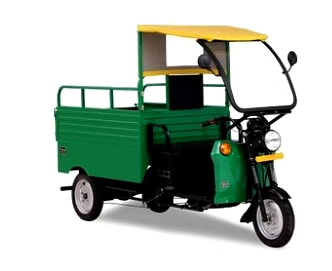
This Battery Rickshaw product features lead-acid batteries specifically engineered for use in electric rickshaws (e-rickshaws). Each battery operates at 12V, and typically, four of these batteries are connected in series to create the 48V power system required by most e-rickshaws. These flooded lead-acid batteries offer a cost-effective and readily available power solution for e-rickshaw operators seeking budget-friendly options with mature technology. With a capacity ranging from 100Ah to 150Ah, this product provides sufficient energy storage to power the vehicle efficiently. Despite the heavier weight and shorter lifespan of 1-3 years compared to lithium-ion alternatives, these lead-acid batteries remain favored due to their low initial costs and ease of availability in the market. Regular maintenance, including topping off with distilled water and terminal cleaning, is essential to prolong battery life and maintain performance. The battery's performance may be affected in low temperature conditions. This product is ideal for e-rickshaw owners and fleets prioritizing affordability and proven battery technology, while accepting the maintenance requirements and environmental considerations associated with lead-acid batteries. The product is compatible with chargers designed for lead-acid batteries and is designed for use in typical 4-battery 48V e-rickshaw configurations.
Key Features
| Features | Description |
|---|---|
| Battery Voltage | 12V per battery, 4 batteries in series for 48V system |
| Battery Type | Flooded Lead-Acid Battery |
| Capacity | 100Ah to 150Ah |
| Lifespan | 1-3 years or 200-500 charge cycles |
| Maintenance | Requires regular topping off with distilled water and terminal cleaning |
| Weight | Heavier than lithium-ion batteries |
| Cost | Lower upfront cost compared to lithium-ion batteries |
| Energy Density | Lower specific energy and power |
| Temperature Sensitivity | Performance can degrade in low temperatures |
| System Configuration | Four 12V batteries connected in series for 48V system |
| Attributes | Description |
|---|---|
| Voltage per Battery | 12V |
| System Voltage | 48V (4 batteries in series) |
| Battery Type | Flooded Lead-Acid Battery |
| Capacity Range | 100Ah - 150Ah |
| Lifespan | 1 to 3 years; 200-500 charge cycles |
| Weight | Heavier compared to lithium-ion batteries |
| Maintenance Required | Yes - regular distilled water topping and terminal cleaning |
| Environmental Consideration | Contains lead and acid; requires proper disposal |
| Charger Compatibility | Compatible with lead-acid battery chargers designed for e-rickshaws |
| Application | Electric Rickshaws (E-rickshaws) |
*Disclaimer: The above description has been AI-generated and has not been audited or verified for accuracy. It is recommended to verify product details independently before making any purchasing decisions.
Most e-rickshaws use four 12V flooded lead-acid batteries connected in series to meet the 48V system voltage requirement.
Regular maintenance including topping off with distilled water and cleaning terminals should be performed periodically as per manufacturer guidelines to maximize performance and lifespan.
No, these batteries require chargers specifically designed for lead-acid battery chemistry to ensure safe and effective charging.
The typical lifespan ranges from 1 to 3 years or about 200-500 charge cycles depending on usage and maintenance.
Yes, these batteries contain lead and acid, which require proper disposal and recycling to avoid environmental hazards.
Performance of flooded lead-acid batteries can degrade in low temperature conditions, impacting the range and efficiency of the e-rickshaw.
Country Of Origin: India
E-rickshaw lead-acid batteries are typically 12V batteries, and most e-rickshaws use a 48V system, requiring four 12V batteries connected in series. These batteries are a common, budget-friendly option for e-rickshaws, but they have a shorter lifespan and require more maintenance compared to lithium-ion batteries. They are readily available and offer a lower upfront cost.
Voltage: 12V per battery, commonly configured as 4 x 12V = 48V for the entire system.
Capacity: Typically 100Ah to 150Ah.
Type: Lead-acid, specifically flooded lead-acid batteries are common.
Lifespan: Shorter than lithium-ion, typically lasting 1-3 years or 200-500 charge cycles.
Maintenance: Require regular maintenance, including topping off distilled water and cleaning terminals.
Cost: Lower upfront cost compared to lithium-ion batteries.
Weight: Heavier than lithium-ion batteries.
Specific Energy/Power: Lower specific energy and power compared to lithium-ion batteries.
Temperature Sensitivity: Performance can be affected by low temperatures.
Advantages:
Cost-effective: Lead-acid batteries are generally cheaper to purchase initially.
Readily available: Widely available in the market.
Mature technology: Well-established technology with a long history.
Disadvantages:
Shorter lifespan: Need to be replaced more frequently than lithium-ion batteries.
Lower energy density: Provide less power for the same weight and size.
Maintenance intensive: Require regular maintenance and care.
Heavier: Add more weight to the e-rickshaw.
Environmental concerns: Contain lead and acid, requiring careful disposal.
Types of Lead-Acid Batteries:
Flooded Lead-Acid: The most common type, requiring regular maintenance.
Sealed Lead-Acid (SLA): Include AGM and Gel Cell variants, offering some improvements over flooded types.
Considerations for E-Rickshaw Use:
Number of batteries:
Most e-rickshaws use four 12V batteries connected in series to achieve the required 48V.
Capacity:
Choose a battery with sufficient capacity (Ah) to meet the e-rickshaw's needs and desired range.
Charging:
Use a compatible lead-acid battery charger designed for e-rickshaws.
Maintenance:
Follow the manufacturer's recommendations for maintenance to extend the battery's lifespan.