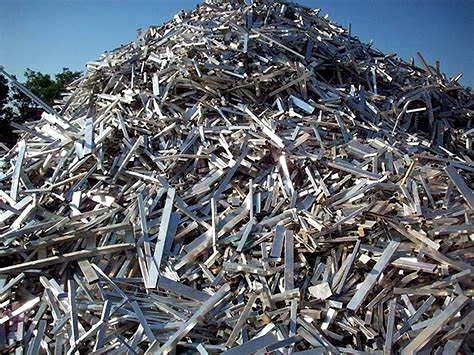
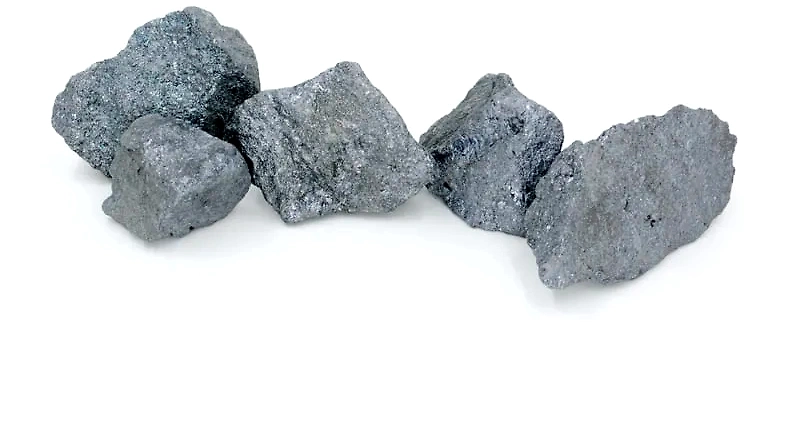
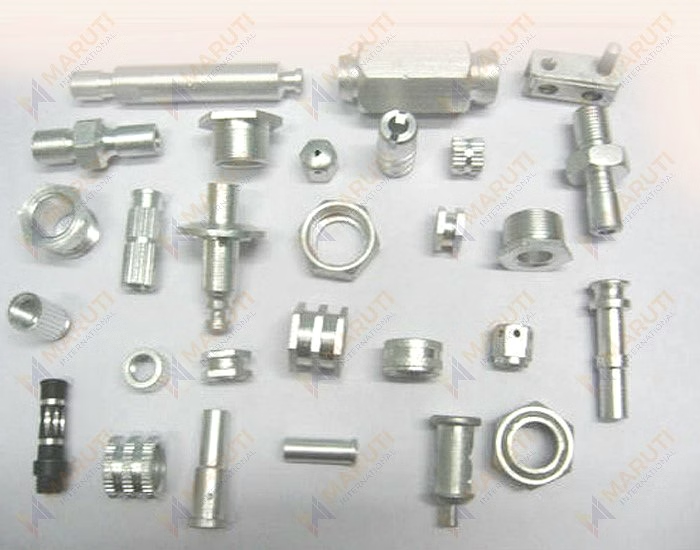
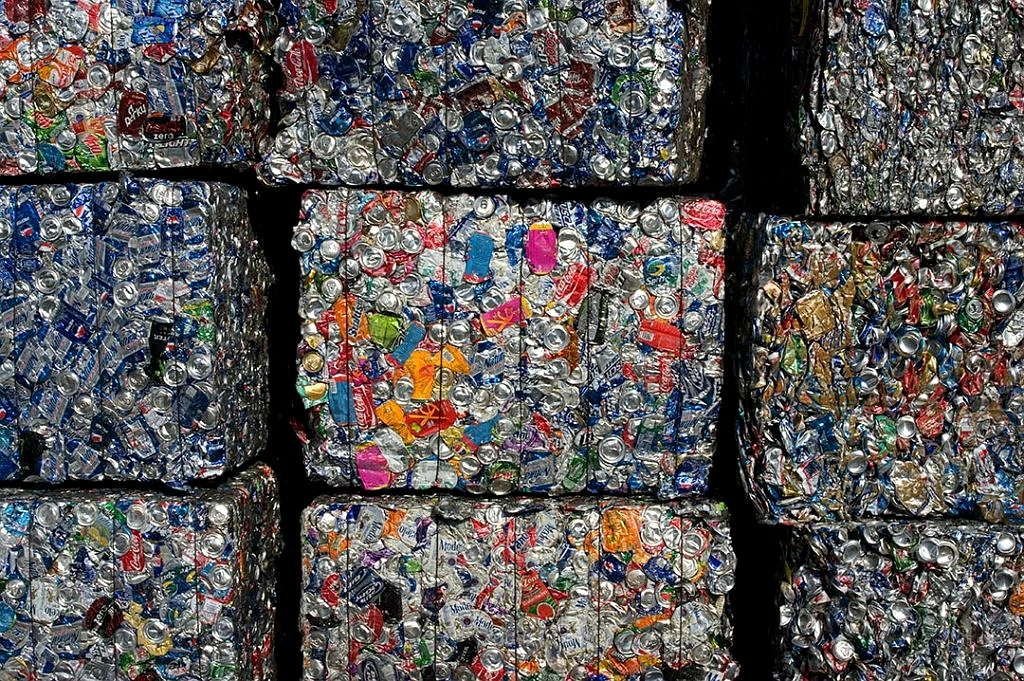
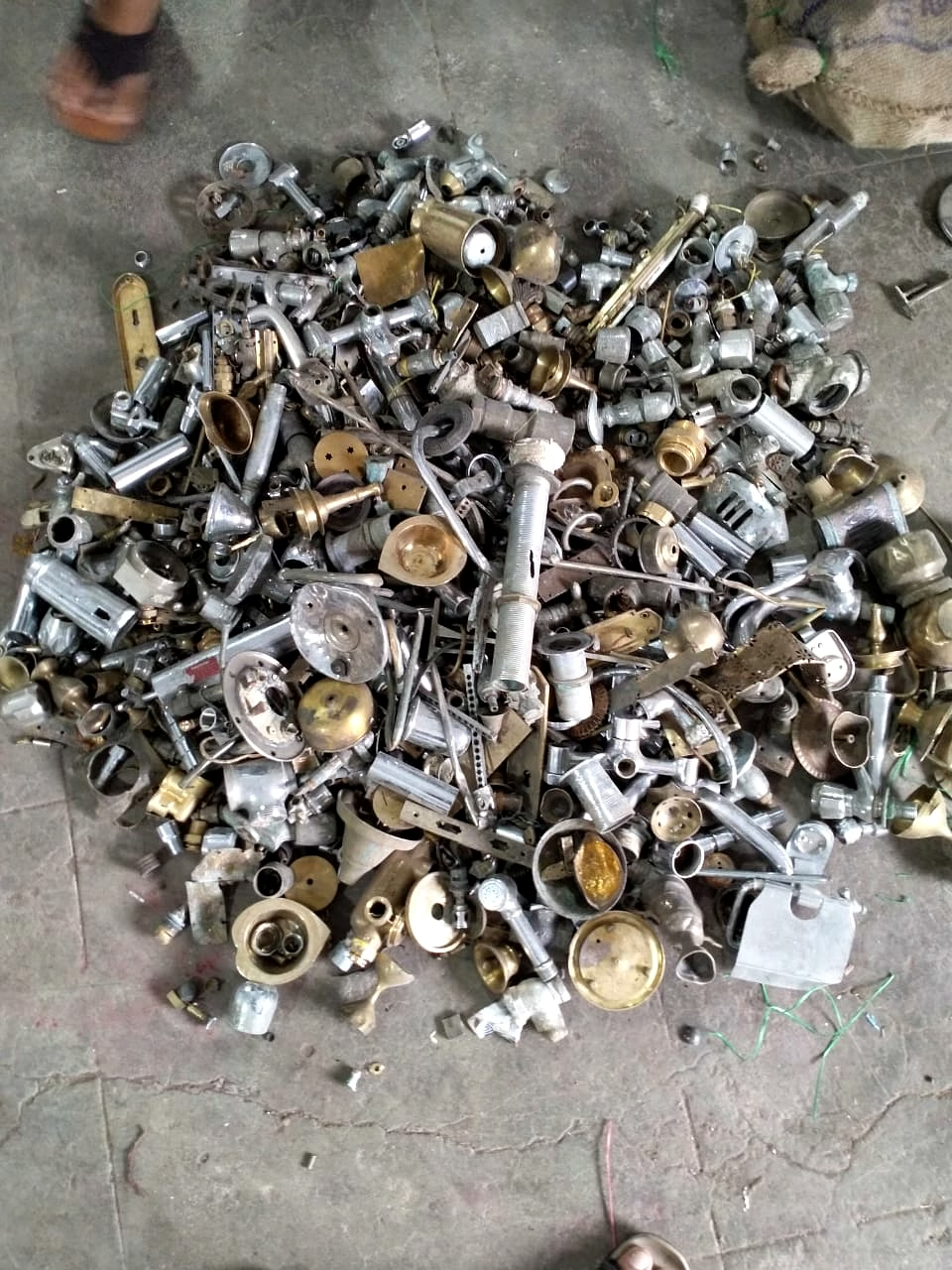
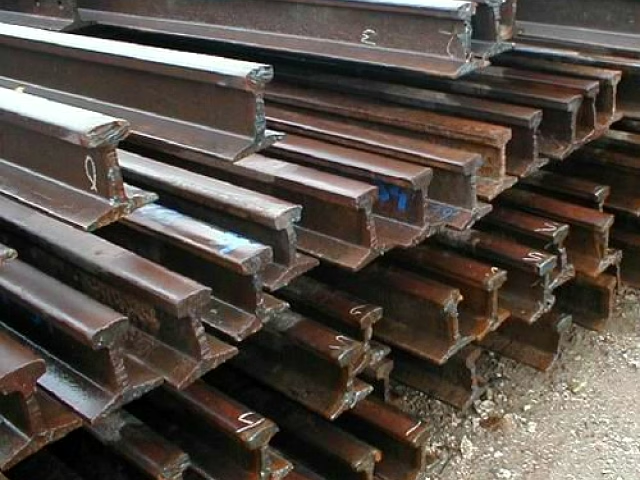
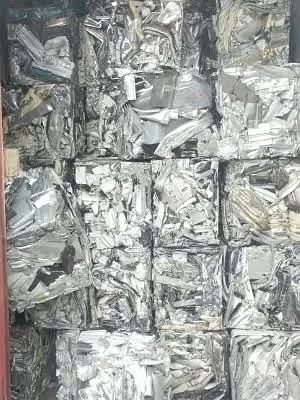
Metal scrap comprises discarded ferrous and non-ferrous metallic materials originating from manufacturing residues, construction debris, or end-of-life metal products. This scrap is invaluable for recycling processes that convert waste metals back into raw material inputs, supporting sustainable manufacturing and reducing reliance on virgin ores. Types include iron, steel, aluminum, copper, brass, and other alloy scraps, catering to foundries and metal reprocessing industries. Metal scrap’s high recyclability makes it essential in conserving natural resources, lowering carbon footprints, and optimizing industrial costs in the metal production value chain.
Key Features
| Features | Description |
|---|---|
| Material Types | Ferrous (iron, steel) and non-ferrous metals (aluminum, copper, brass) |
| Source | Manufacturing waste, end-of-life metal products, construction waste |
| Recyclability | Highly recyclable with minimal loss of metal quality |
| Environmental Benefit | Reduces need for virgin metal extraction, lowers carbon emissions |
| Application | Used as raw material in metal manufacturing, foundries, and smelting |
| Form Factor | Sorted by metal type and form such as sheets, shredded, or granulated |
| Attributes | Description |
|---|---|
| Ferrous Scrap | Includes iron and steel scrap collected from industrial or post-consumer sources |
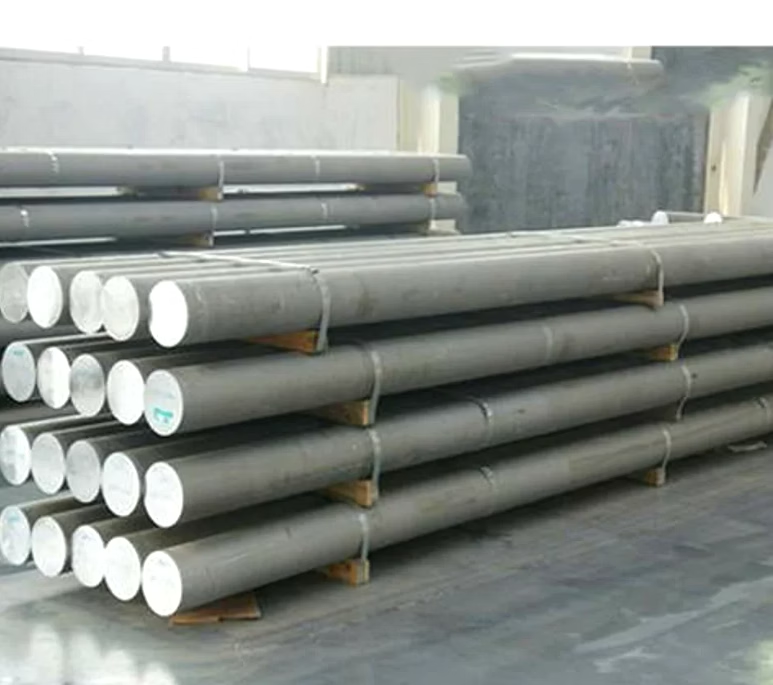
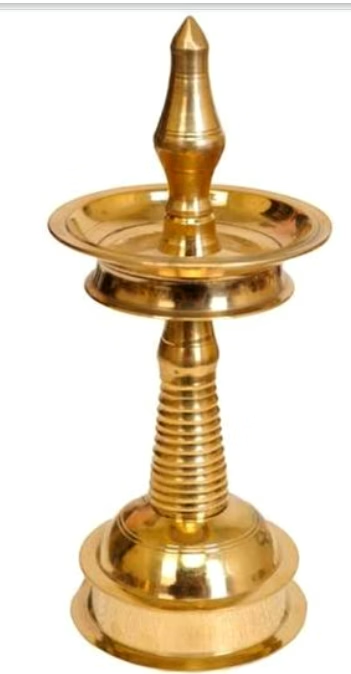
| Non-Ferrous Scrap | Aluminum, copper, brass, and other alloy scrap suitable for remelting |
| Grades | Classified by purity, metal content, and contamination level |
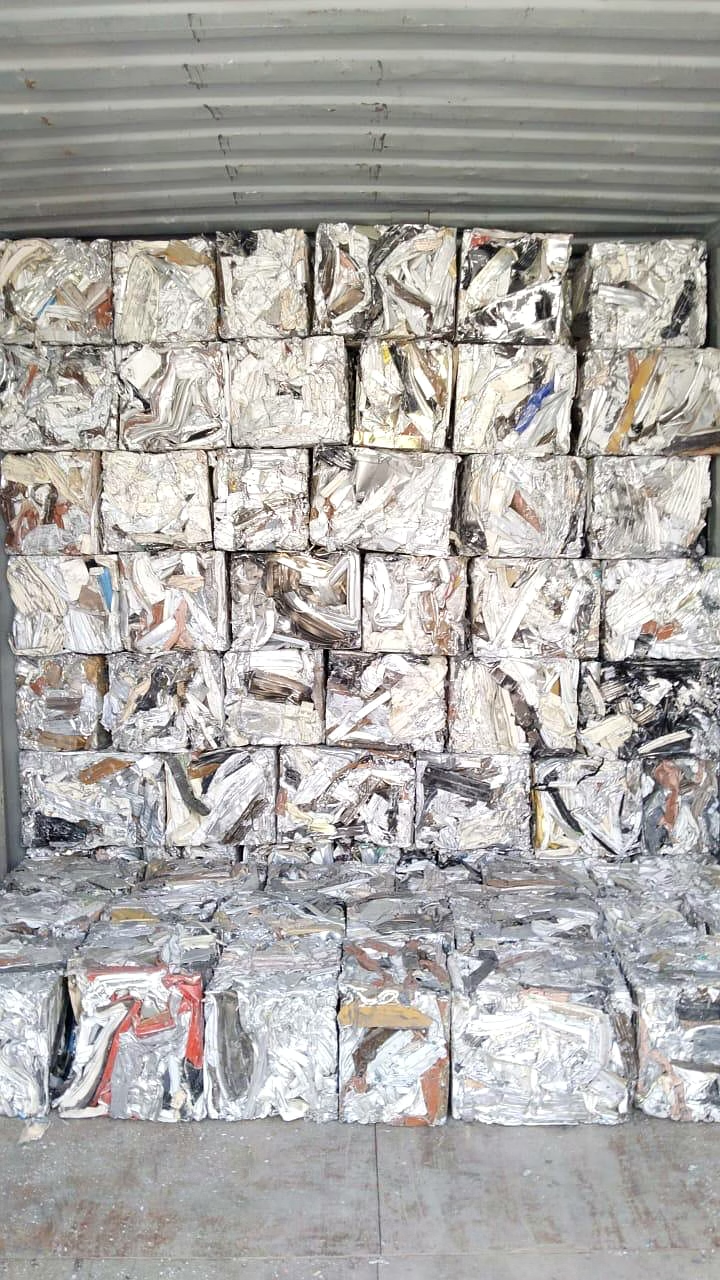
| Packaging | Bulk lots, loose, compressed bales, or shredded form as per customer requirements |
| Weight | Available in varying quantities from small lots to bulk orders |
| Compliance | Conforms to international scrap metal trading standards and environmental regulations |
*Disclaimer: The above description has been AI-generated and has not been audited or verified for accuracy. It is recommended to verify product details independently before making any purchasing decisions.
This metal scrap includes both ferrous metals such as iron and steel, and non-ferrous metals like aluminum, copper, and brass, suitable for a variety of industrial recycling needs.
Yes, the metal scrap is classified by grades based on purity and contamination levels, allowing buyers to select according to their manufacturing requirements.
Scrap metals are typically sorted by type and form, including sheets, shredded, or granulated, as per customer preferences to simplify processing.
Metal scrap is available in bulk lots, loose, compressed bales, or shredded forms depending on your operational needs and ease of transportation.
Yes, the scrap complies with international and Indian scrap metal trading standards, ensuring environmental safety and regulatory adherence.
Brand: alloy
Country Of Origin: India
Metal scrap refers to discarded metallic materials and products, both from manufacturing processes and end-of-life items, that can be recycled to create new metal products. It encompasses a wide range of materials, including ferrous (iron and steel) and non-ferrous (aluminum, copper, brass, etc.) metals. Recycling metal scrap is a crucial part of the circular economy, reducing the need for virgin materials and minimizing environmental impact.
Stay informed with the latest market trends, quality guides, and industry analysis