
 FIEO Registered
Our Products
Showing 1-16 of 16 products
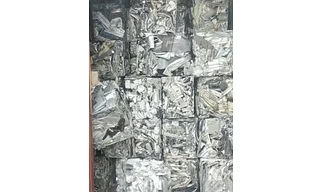
ALLOY SCRAP
AISI 4140 alloy steel scrap is a versatile, low-alloy steel known for its good strength, toughness, and wear resistance. It's a chromium-molybdenum steel containing iron, carbon, and other alloying elements. This scrap is suitable for remelting in steel manufacturing, especially for durable and heat-resistant components.
Composition: Primarily iron, carbon, chromium, and molybdenum.
Properties: High strength, good toughness, wear resistance, and hardenability.
Applications: Gears, shafts, spindles, downhole tools, wellhead components, and other machine parts.
Heat Treatment: Can be heat-treated to achieve a wide range of mechanical properties.
Weldability and Machinability: Generally good weldability and machinability, but machining can be challenging in hardened and tempered conditions.
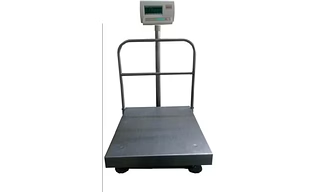
Electronic weighing scales
capacity - 100kg
accuracy - 50gm
dimension - 400 x 400
material - SS
Battery - yes
ac dc both
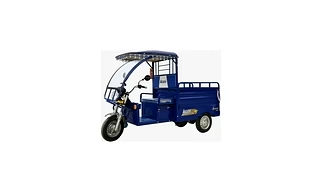
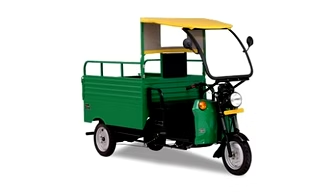
rikshaw
E-rickshaw lead-acid batteries are typically 12V batteries, and most e-rickshaws use a 48V system, requiring four 12V batteries connected in series. These batteries are a common, budget-friendly option for e-rickshaws, but they have a shorter lifespan and require more maintenance compared to lithium-ion batteries. They are readily available and offer a lower upfront cost.
Key Details:
Voltage: 12V per battery, commonly configured as 4 x 12V = 48V for the entire system.
Capacity: Typically 100Ah to 150Ah.
Type: Lead-acid, specifically flooded lead-acid batteries are common.
Lifespan: Shorter than lithium-ion, typically lasting 1-3 years or 200-500 charge cycles.
Maintenance: Require regular maintenance, including topping off distilled water and cleaning terminals.
Cost: Lower upfront cost compared to lithium-ion batteries.
Weight: Heavier than lithium-ion batteries.
Specific Energy/Power: Lower specific energy and power compared to lithium-ion batteries.
Temperature Sensitivity: Performance can be affected by low temperatures.
Advantages:
Cost-effective: Lead-acid batteries are generally cheaper to purchase initially.
Readily available: Widely available in the market.
Mature technology: Well-established technology with a long history.
Disadvantages:
Shorter lifespan: Need to be replaced more frequently than lithium-ion batteries.
Lower energy density: Provide less power for the same weight and size.
Maintenance intensive: Require regular maintenance and care.
Heavier: Add more weight to the e-rickshaw.
Environmental concerns: Contain lead and acid, requiring careful disposal.
Types of Lead-Acid Batteries:
Flooded Lead-Acid: The most common type, requiring regular maintenance.
Sealed Lead-Acid (SLA): Include AGM and Gel Cell variants, offering some improvements over flooded types.
Considerations for E-Rickshaw Use:
Number of batteries:
Most e-rickshaws use four 12V batteries connected in series to achieve the required 48V.
Capacity:
Choose a battery with sufficient capacity (Ah) to meet the e-rickshaw's needs and desired range.
Charging:
Use a compatible lead-acid battery charger designed for e-rickshaws.
Maintenance:
Follow the manufacturer's recommendations for maintenance to extend the battery's lifespan.
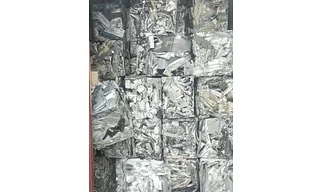
scrap
Metal scrap refers to discarded metallic materials and products, both from manufacturing processes and end-of-life items, that can be recycled to create new metal products. It encompasses a wide range of materials, including ferrous (iron and steel) and non-ferrous (aluminum, copper, brass, etc.) metals. Recycling metal scrap is a crucial part of the circular economy, reducing the need for virgin materials and minimizing environmental impact.
battery rikshaw
E-rickshaw lead-acid batteries are typically 12V batteries, and most e-rickshaws use a 48V system, requiring four 12V batteries connected in series. These batteries are a common, budget-friendly option for e-rickshaws, but they have a shorter lifespan and require more maintenance compared to lithium-ion batteries. They are readily available and offer a lower upfront cost.
Voltage: 12V per battery, commonly configured as 4 x 12V = 48V for the entire system.
Capacity: Typically 100Ah to 150Ah.
Type: Lead-acid, specifically flooded lead-acid batteries are common.
Lifespan: Shorter than lithium-ion, typically lasting 1-3 years or 200-500 charge cycles.
Maintenance: Require regular maintenance, including topping off distilled water and cleaning terminals.
Cost: Lower upfront cost compared to lithium-ion batteries.
Weight: Heavier than lithium-ion batteries.
Specific Energy/Power: Lower specific energy and power compared to lithium-ion batteries.
Temperature Sensitivity: Performance can be affected by low temperatures.
Advantages:
Cost-effective: Lead-acid batteries are generally cheaper to purchase initially.
Readily available: Widely available in the market.
Mature technology: Well-established technology with a long history.
Disadvantages:
Shorter lifespan: Need to be replaced more frequently than lithium-ion batteries.
Lower energy density: Provide less power for the same weight and size.
Maintenance intensive: Require regular maintenance and care.
Heavier: Add more weight to the e-rickshaw.
Environmental concerns: Contain lead and acid, requiring careful disposal.
Types of Lead-Acid Batteries:
Flooded Lead-Acid: The most common type, requiring regular maintenance.
Sealed Lead-Acid (SLA): Include AGM and Gel Cell variants, offering some improvements over flooded types.
Considerations for E-Rickshaw Use:
Number of batteries:
Most e-rickshaws use four 12V batteries connected in series to achieve the required 48V.
Capacity:
Choose a battery with sufficient capacity (Ah) to meet the e-rickshaw's needs and desired range.
Charging:
Use a compatible lead-acid battery charger designed for e-rickshaws.
Maintenance:
Follow the manufacturer's recommendations for maintenance to extend the battery's lifespan.
e battery rikshaw
E-rickshaw lead-acid batteries are typically 12V batteries, and most e-rickshaws use a 48V system, requiring four 12V batteries connected in series. These batteries are a common, budget-friendly option for e-rickshaws, but they have a shorter lifespan and require more maintenance compared to lithium-ion batteries. They are readily available and offer a lower upfront cost.
Key Details:
Voltage: 12V per battery, commonly configured as 4 x 12V = 48V for the entire system.
Capacity: Typically 100Ah to 150Ah.
Type: Lead-acid, specifically flooded lead-acid batteries are common.
Lifespan: Shorter than lithium-ion, typically lasting 1-3 years or 200-500 charge cycles.
Maintenance: Require regular maintenance, including topping off distilled water and cleaning terminals.
Cost: Lower upfront cost compared to lithium-ion batteries.
Weight: Heavier than lithium-ion batteries.
Specific Energy/Power: Lower specific energy and power compared to lithium-ion batteries.
Temperature Sensitivity: Performance can be affected by low temperatures.
Advantages:
Cost-effective: Lead-acid batteries are generally cheaper to purchase initially.
Readily available: Widely available in the market.
Mature technology: Well-established technology with a long history.
Disadvantages:
Shorter lifespan: Need to be replaced more frequently than lithium-ion batteries.
Lower energy density: Provide less power for the same weight and size.
Maintenance intensive: Require regular maintenance and care.
Heavier: Add more weight to the e-rickshaw.
Environmental concerns: Contain lead and acid, requiring careful disposal.
Types of Lead-Acid Batteries:
Flooded Lead-Acid: The most common type, requiring regular maintenance.
Sealed Lead-Acid (SLA): Include AGM and Gel Cell variants, offering some improvements over flooded types.
Considerations for E-Rickshaw Use:
Number of batteries:
Most e-rickshaws use four 12V batteries connected in series to achieve the required 48V.
Capacity:
Choose a battery with sufficient capacity (Ah) to meet the e-rickshaw's needs and desired range.
Charging:
Use a compatible lead-acid battery charger designed for e-rickshaws.
Maintenance:
Follow the manufacturer's recommendations for maintenance to extend the battery's lifespan.
6061
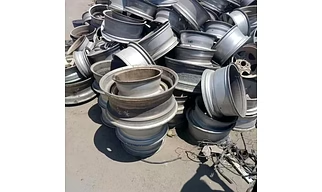
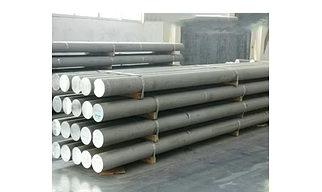
Aluminium alloy 6061 scrap refers to discarded or leftover material primarily composed of the 6061 aluminium alloy. This alloy is known for its excellent corrosion resistance and machinability, making it suitable for various applications in construction, transportation, and marine engineering. It's also weldable, which adds to its versatility in manufacturing
Corrosion Resistance:
6061 alloy is known for its ability to withstand corrosive environments, making it suitable for outdoor and marine applications.
Machinability:
The alloy is easily shaped, drilled, and milled, making it a good choice for intricate or precise components.
Weldability:
6061 can be joined with other materials through welding, forming strong and durable bonds.




 GL Trustmark