• Key Features & Attributes
  • Ratings & Reviews
  • Know your Supplier
  • Product description from supplier

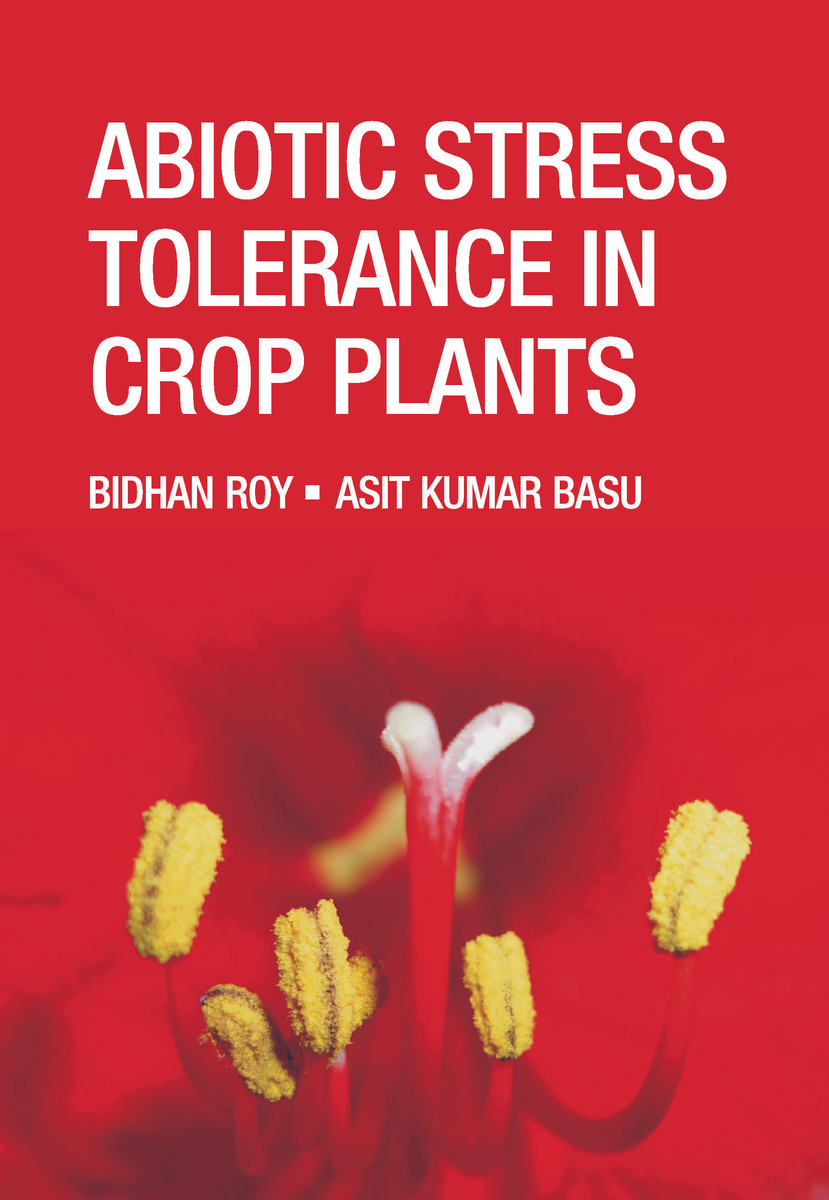
Abiotic Stress Tolerance in Crop Plants: Breeding and Biotechnology (Hardback, Bidhan Roy & Asit Kumar Basu)

Brand: nipa

Inclusive of all taxes

The hardback edition of 'Abiotic Stress Tolerance in Crop Plants: Breeding and Biotechnology' by Bidhan Roy and Asit Kumar Basu presents a meticulously organized collection of vital information on abiotic stressors affecting crop production. This comprehensive resource tackles the pressing environmental challenges faced by modern agriculture and emphasizes the importance of developing crop varieties that can thrive under adverse conditions. With contributions spanning various disciplines within plant science, the authors provide insights into the mechanisms of injury, variability of stress tolerance, and cutting-edge biotechnological advancements aimed at enhancing genetic resilience in crops. Key discussions involve soil reclamation, cropping patterns, oxidative stress, and the impact of climate change, making it an essential read for students, researchers, plant breeders, and biotechnologists looking to expand their knowledge on abiotic stress resistance.
Key Features

Features Description
Comprehensive Coverage Organized information on abiotic stressors impacting crop production.
Recent Advances Up-to-date citations of the latest research in plant tolerance and injury mechanisms.
Biotechnological Approaches Detailed methodologies for developing abiotic stress-tolerant genotypes.
Specific Stress Analysis In-depth examination of various stresses including salt, waterlogging, and temperature.
Multidisciplinary Contributions Insights from experts across plant science to address environmental challenges.
Attributes Description
Authors Bidhan Roy & Asit Kumar Basu
Format Hardback
Publication Year 2023
Number of Sections 14
Key Topics Salt Tolerance, Water Stress, Oxidative Stress, Metal Toxicity, Climate Change
Target Audience Students, Researchers, Plant Breeders, Biotechnologists, Botanists

*Disclaimer: The above description has been AI-generated and has not been audited or verified for accuracy. It is recommended to verify product details independently before making any purchasing decisions.
Be the first to write a review

The book covers various types of abiotic stress including physical stress (salt), water stresses (drought and waterlogging), temperature issues (heat and cold), metal toxicities, non-metal toxicities, oxidative stress, and atmospheric stress.

The book discusses soil reclamation strategies as part of the broader topic of mitigating the effects of abiotic stress on crop production, including specific practices for improving soil health.

The authors detail systematic biotechnological approaches and the use of molecular markers to enhance the development of abiotic stress-tolerant crops.

Understanding oxidative stress is crucial as plants facing abiotic stress generate free radicals which can lead to cellular damage; the book explores mechanisms to alleviate this effect.

The final chapters emphasize the impact of air pollution and climate change on crops, addressing how these factors contribute to overall abiotic stress and hinder agricultural productivity.

  • Incorporation Type

  • GST

  • GST Registration Date

  • Number of Employees

  • Import Export Code (IEC)

  • Year of Establishment

  • Nature of Business

  • GlobalLinker Member Since

Brand: nipa

Country Of Origin: India

Abiotic stressors have come to play a vital role in crop production, with some persisting in soil, water, or the atmosphere. The information on mechanisms of injury and tolerance, variability of tolerance, and breeding and biotechnology for improving crop plants' resistance to abiotic stress is currently scattered throughout various journal articles and edited books.

This book aims to present this information in an organized manner, complete with up-to-date citations, providing a comprehensive overview of recent advances in the field. Emphasis has been placed on explaining injury and tolerance mechanisms and developing improved genotypes for stress environments. The book also addresses the symptoms of specific abiotic stress, soil reclamation, and crop/cropping patterns to mitigate the effects of adverse conditions. Systematic approaches for developing abiotic stress-tolerant genotypes using biotechnological tools are detailed, as are the use of molecular markers in stress tolerance and the development of transgenic plants.


Abiotic stressors have come to play a vital role in crop production, with some persisting in soil, water, or the atmosphere. The information on mechanisms of injury and tolerance, variability of tolerance, and breeding and biotechnology for improving crop plants' resistance to abiotic stress is currently scattered throughout various journal articles and edited books.

This book aims to present this information in an organized manner, complete with up-to-date citations, providing a comprehensive overview of recent advances in the field. Emphasis has been placed on explaining injury and tolerance mechanisms and developing improved genotypes for stress environments. The book also addresses the symptoms of specific abiotic stress, soil reclamation, and crop/cropping patterns to mitigate the effects of adverse conditions. Systematic approaches for developing abiotic stress-tolerant genotypes using biotechnological tools are detailed, as are the use of molecular markers in stress tolerance and the development of transgenic plants.
The final three chapters of the book focus on the effects of air pollution and climate change on crop plants. Under abiotic stress, plants produce a large number of free radicals (oxidants), which are explained in a dedicated section on Oxidative Stress.
The book is divided into seven major sections: physical stress (salt), water stress (drought and waterlogging), temperature stress (heat and cold), metal toxicities (aluminum, iron, cadmium, lead, nickel, chromium, copper, zinc, etc.), and non-metal toxicities (boron and arsenic), oxidative stress, and finally atmospheric stress (air pollution, radiation, and climate change).

This book will be of great benefit to students, researchers, particularly plant breeders and biotechnologists, as well as botanists, who seek to understand the mechanisms of injury and tolerance and improve crop genotypes for abiotic stress.


Content


01. Introduction 02. Salt Tolerance 03. Waterlogging Tolerance 04. Drought Tolerance 05. Heat Tolerance 06. Cold Tolerance 07. Oxidative Stress Tolerance 8. Aluminium Toxicity Tolerance 09. Iron Toxicity Tolerance 10. Other Metal toxicity Tolerance 11. Non Metal Toxicity Tolerance 12. Air Pollution 13. Radiation Stress Tolerance 14. Climate Change


Agriculture And Farm Consultants

Horticulture Consultants

nipa

Abiotic Stress

Crop Plants

Biotechnology

Breeding

Plant Tolerance

Oxidative Stress

Climate Change

Salt Tolerance

Water Stress

Metal Toxicity

Abiotic Stress Tolerance in Crop Plants: Breeding and Biotechnology (Hardback, Bidhan Roy & Asit Kumar Basu)

Brand: nipa

Inclusive of all taxes

You Save: 0

Send Inquiry
nipa genx electronic resources & solutions

North Delhi , India

Service Provider , Manufacturer, Professional Services, Brand Owner, Distributor, Exporter, Importer, Wholesaler, Startup

  • Secure
    Transaction

  • Day
    Dispatch

Report a problem with this product

Market Insights

Stay informed with the latest market trends, quality guides, and industry analysis

Indian Seasonings & Spices: Quality Standards, Sourcing Tips and Market Opportunities for Buyers & Sellers

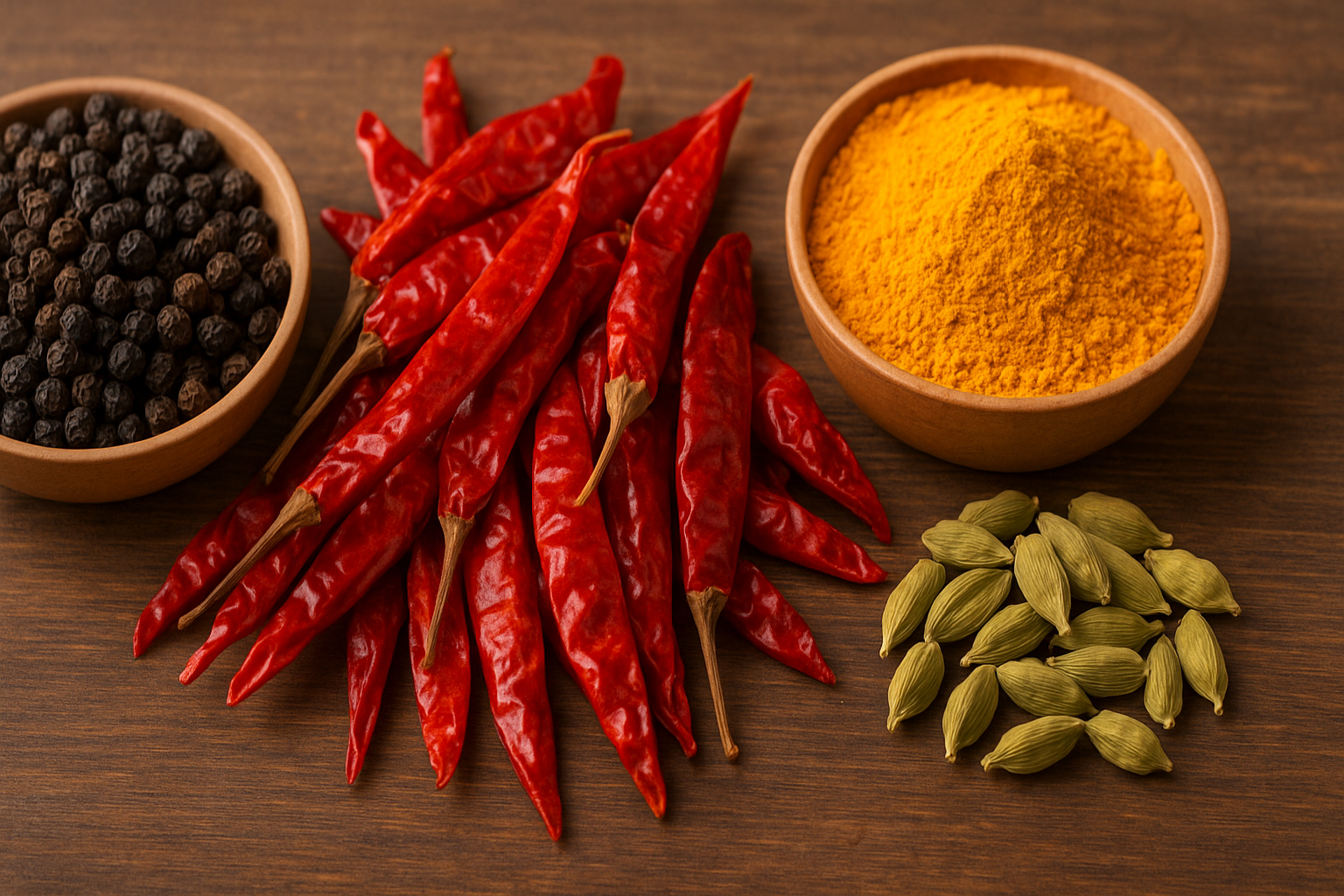
Learn how to source and sell Indian spices such as black pepper, red chillies, turmeric and cardamom with quality, compliance, and global market insights.

Sustainability in Black Pepper Farming: Why Ethical Sourcing Matters for Your Business

Learn why sustainable black pepper sourcing matters, how it protects your brand, and what to ask from ethical suppliers today.