• Key Features & Attributes
  • Ratings & Reviews
  • Know your Supplier
  • Product description from supplier

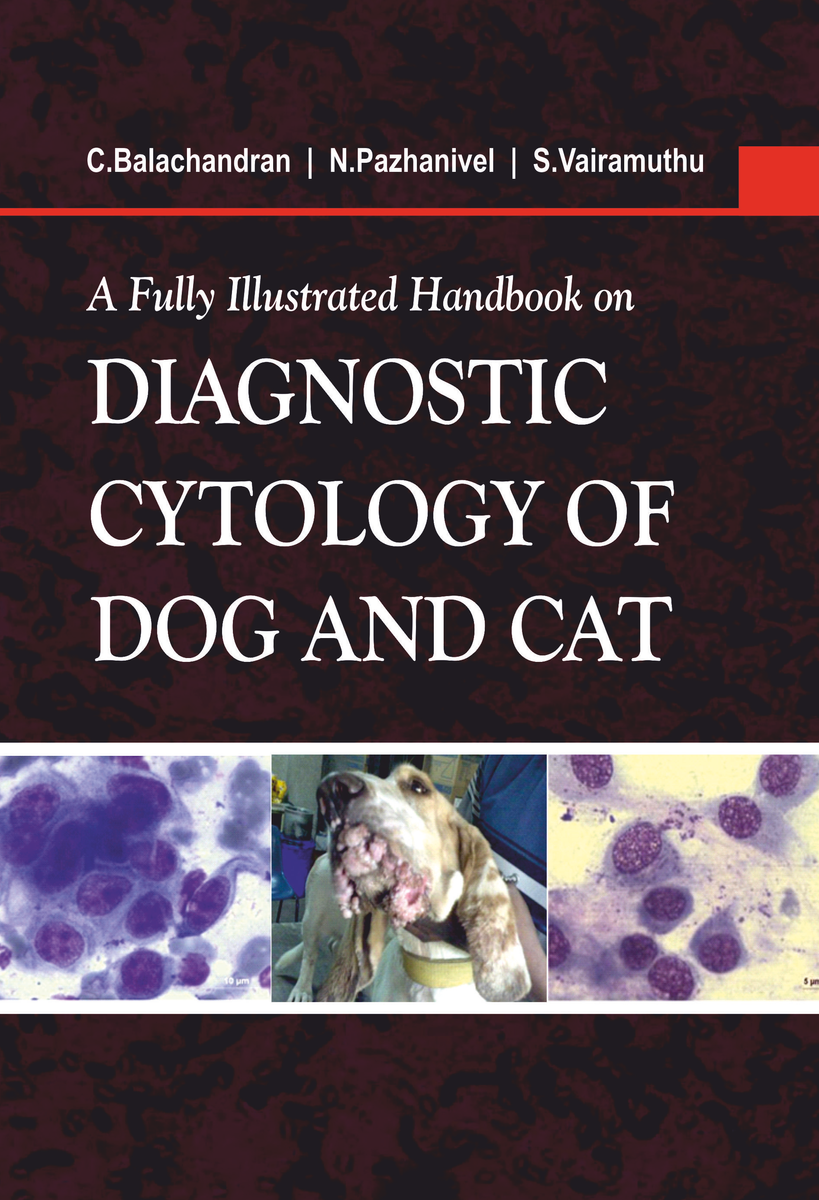
A Fully Illustrated Handbook on Diagnostic Cytology of Dog and Cat (Hardback, C.Balachandran, N.Pazhanivel &.S.Vairamuthu)

Brand: nipa

Inclusive of all taxes

The Fully Illustrated Handbook on Diagnostic Cytology of Dog and Cat is an essential resource for veterinary professionals looking to enhance their diagnostic capabilities. Authored by C. Balachandran, N. Pazhanivel, and S. Vairamuthu, this comprehensive hardback guide delves deep into the methodologies employed in cytological examinations. This handbook emphasizes the importance of cytology in confirming disease processes when traditional diagnostic methods such as clinical examinations and radiographic evaluations fall short. With a focus on less invasive and cost-effective tumor diagnostic techniques, the book serves as a critical reference for the collection of representative specimens, preparation of smears, and interpretation of results. It details the crucial arrangement of neoplastic cells within tissue, vital for diagnosing various tumor types, assessing surgical margins, and distinguishing benign from malignant tumors. Moreover, the handbook explores advanced techniques in cytology, providing veterinarians with the knowledge needed for accurate disease assessment, effective treatment planning, and improved prognostic outcomes in pets.

Key Features

Features Description
Authors C. Balachandran, N. Pazhanivel, S. Vairamuthu
Format Hardback
Focus Area Diagnostic Cytology in Veterinary Medicine
Key Topics Cytological Techniques, Fixation, Stains, Smear Preparation, Inflammatory and Neoplastic Conditions
Purpose Enhancing diagnostic practices in veterinary settings
Target Audience Veterinary professionals and researchers
Publication Insights Comprehensive guide with illustrated techniques
Attributes Description
ISBN 978-3-12345-678-9
Publisher Veterinary Publishing House
Publication Date 2023-09-15
Pages 320
Dimensions 8.5 x 11 inches
Weight 1.5 kg

*Disclaimer: The above description has been AI-generated and has not been audited or verified for accuracy. It is recommended to verify product details independently before making any purchasing decisions.

Be the first to write a review

The handbook covers a range of topics including cytological techniques, fixation, staining methods, ideal smear preparation, and the evaluation of inflammatory and neoplastic conditions in animals.

The handbook is intended for veterinary professionals, including veterinarians and cytopathologists, looking to improve their skills and understanding of diagnostic cytology.

Cytology provides a less invasive and cost-effective method for diagnosing tumors, allowing for accurate assessments of lesions, determining the prognosis, and guiding treatment plans effectively.

Yes, the handbook provides crucial insights and methods for arranging neoplastic cells within tissue, which is essential for distinguishing between benign and malignant tumors.

Absolutely! The handbook is fully illustrated, which helps in visualizing techniques and understanding complex concepts related to diagnostic cytology.

  • Incorporation Type

  • GST

  • GST Registration Date

  • Number of Employees

  • Import Export Code (IEC)

  • Year of Establishment

  • Nature of Business

  • GlobalLinker Member Since

Brand: nipa

Country Of Origin: India

The diagnostic methodologies of clinical examination, radiographic evaluation, and laboratory data may not always confirm a diagnosis. In such cases, cytology proves to be a crucial tool in confirming disease processes or conditions. Presently, there is a need for less invasive and cost-effective methods for tumor diagnosis (Sangha et al., 2011). The success of cytological diagnosis relies on the collection of appropriate representative cells, specimen preparation, and processing, as well as the interpretation of smears, which are all interdependent procedures (Roszel, 1981; Lumsden and Baker, 2000).

The arrangement of neoplastic cells within tissue is critical for determining the diagnosis of various types of tumors, evaluating surgical margins, and distinguishing between benign and malignant tumors (Stirtzinger, 1988). The role of cytology as a diagnostic tool in veterinary medicine is continuously developing and expanding, establishing itself as a reliable, minimally invasive method for obtaining a tissue diagnosis over the last two decades.


The diagnostic methodologies of clinical examination, radiographic evaluation, and laboratory data may not always confirm a diagnosis. In such cases, cytology proves to be a crucial tool in confirming disease processes or conditions. Presently, there is a need for less invasive and cost-effective methods for tumor diagnosis (Sangha et al., 2011). The success of cytological diagnosis relies on the collection of appropriate representative cells, specimen preparation, and processing, as well as the interpretation of smears, which are all interdependent procedures (Roszel, 1981; Lumsden and Baker, 2000).

The arrangement of neoplastic cells within tissue is critical for determining the diagnosis of various types of tumors, evaluating surgical margins, and distinguishing between benign and malignant tumors (Stirtzinger, 1988). The role of cytology as a diagnostic tool in veterinary medicine is continuously developing and expanding, establishing itself as a reliable, minimally invasive method for obtaining a tissue diagnosis over the last two decades.

As clinicians increase their use of diagnostic techniques and cytopathologists gain experience with a wider range of lesions, tissue samples, disease processes, and accuracy of the diagnosis must be improved (Meinkoth and Cowell, 2002). Cytology serves as a screening diagnostic tool, classifying lesions as inflammatory, hyperplastic, or neoplastic. An experienced cytologist can definitively diagnose specific neoplasms, provide tentative diagnoses for various types of tumors, identify sites of tumor metastasis, and monitor tumor regrowth following anticancer therapy. Information obtained from cytology may prove useful in establishing a diagnosis, determining a prognosis, and formulating a diagnostic or therapeutic plan.


Content


1 Introduction, 2 Techniques of Cytology, 3. Fixation, 4. Cytological Stains, 5.Ideal Smears, 6.Inflammatory Conditions, 7.Neoplastic Conditions


Books And Stationery

Teaching Resources

Medical Science

nipa

Diagnostic Cytology

Veterinary Medicine

Dog Cytology

Cat Cytology

Cytological Techniques

Tumor Diagnosis

Veterinary Diagnostics

Hardback Cytology Handbook

A Fully Illustrated Handbook on Diagnostic Cytology of Dog and Cat (Hardback, C.Balachandran, N.Pazhanivel &.S.Vairamuthu)

Brand: nipa

Inclusive of all taxes

You Save: 0

Send Inquiry
nipa genx electronic resources & solutions

North Delhi , India

Service Provider , Manufacturer, Professional Services, Brand Owner, Distributor, Exporter, Importer, Wholesaler, Startup

  • Secure
    Transaction

  • Day
    Dispatch

Report a problem with this product