Overview
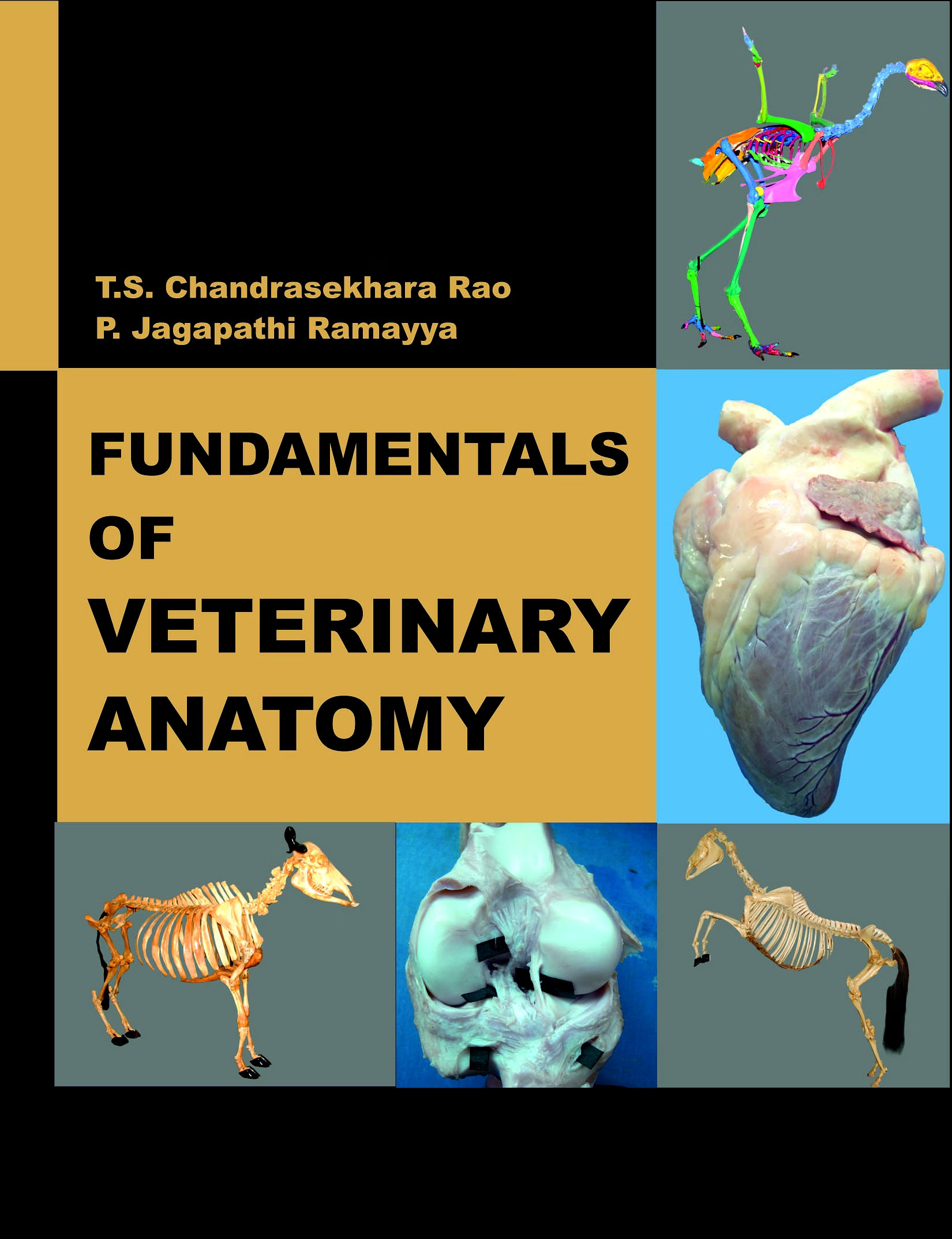
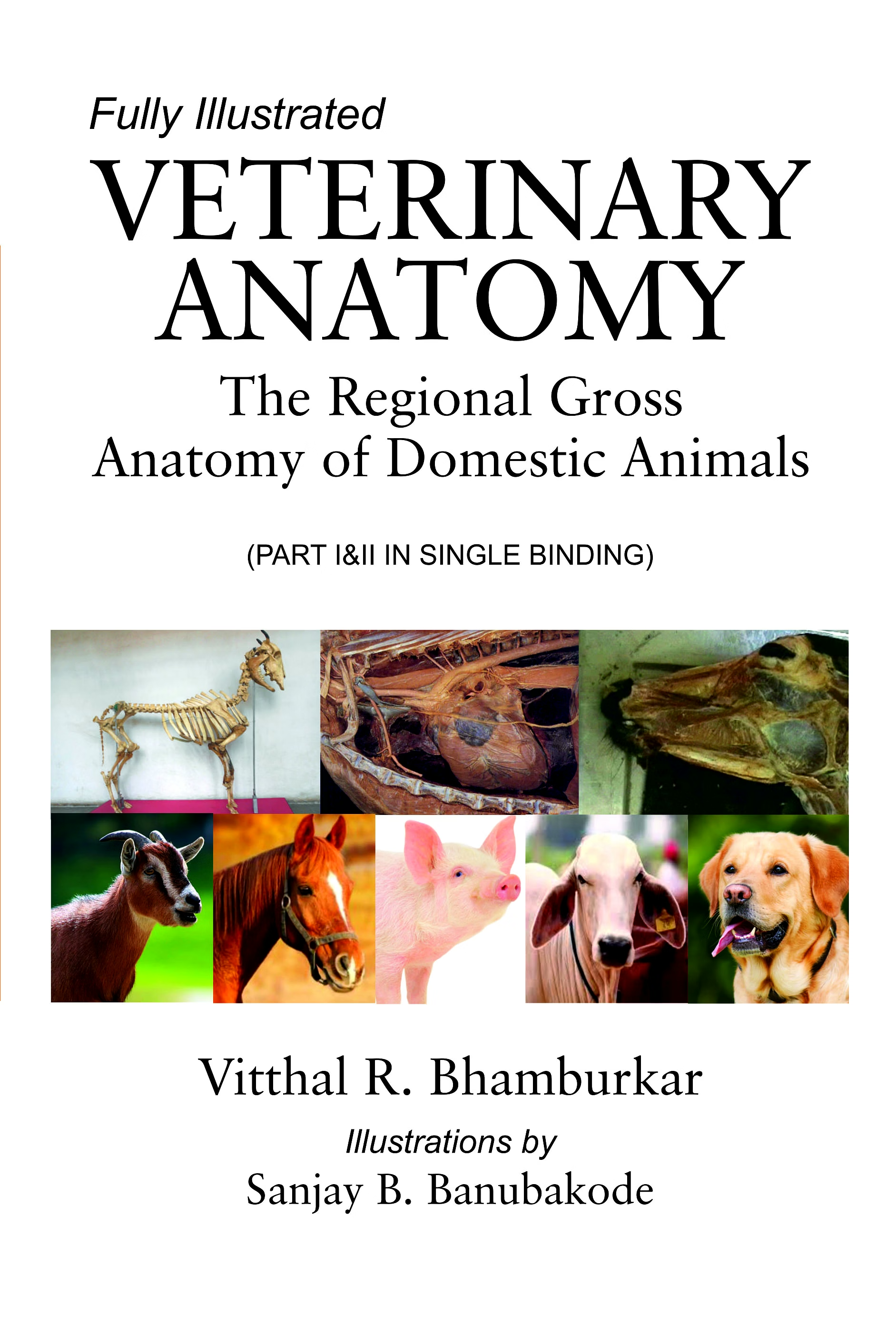
This book employs a regional approach to teaching and studying veterinary gross anatomy, and has been divided into six parts. The first part covers the conventional systemic anatomy of veterinary anatomy, while the remaining five parts provide region-specific descriptions of gross anatomy. Each part includes descriptions of all anatomical structures, such as bones, joints, muscles, viscera, blood vessels, lymphatics, and nerves, located in the respective regions of the animal body, including the head, neck, thorax, abdomen, pelvis, and fore and hind limbs. The bovine animal, or ox, has been selected as the model species for detailed descriptions of anatomical features, while major differences or remarkable features in other species, such as horses, dogs, sheep and goats, pigs, and fowl, are discussed in a separate section titled Comparative Anatomy at the end of each section.
Product Description
PART- I PART-1.1: GENERAL SYSTEMIC ANATOMY Section-A: Locomotor System Section-B: Splanchnology Section-C: Endocrine System Section-E: Nervous System PART-1.2: ANATOMY OF HEAD AND NECK Section-A: Musculo-Skeletal Component Section-B: Organs and Glands Section-C: Blood Vessels and Lymphatics Section-D: Nerves Section-E: Applied Anatomy PART-1.3: ANATOMY OF THORAX Section-A: Musculo-Skeletal Component Section-B: Thoracic Cavity and Viscera Section-C: Blood Vessels and Lymphatics Section-D: Nerves Section-E: Applied Anatomy
PART-II PART-2.1: ANATOMY OF ABDOMEN AND PELVIS Section-A: Musculo-skeletal Component Section B: Viscera Section-C: Blood Vessels and Lymphatics Section-E: Applied Anatomy PART-2.2: ANATOMY OF FORE LIMB Section-A: Musculo-Skeletal Component Section-B: Blood Vessels and Lymphatics Section-C: Nerves Section-D: Applied Anatomy PART-2.3: ANATOMY OF HIND LIMB Section-A: Musculo-Skeletal Component Section-B: Blood Vessels and Lymphatics Section-C: Nerves Section-D: Applied Anatomy
Description provided by nipa genx electronic resources & solutions.