
Our Products
Showing 1-6 of 6 products
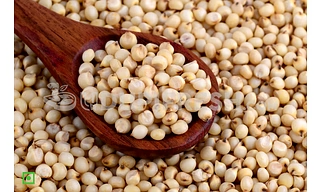
Sorghum (jowar)
Sorghum (Sorghum bicolor)
Common Names: Jowar (India), Great millet, Milo
Description: Sometimes classified as a millet, sorghum has larger grains and is a staple in semi-arid regions. It has diverse varieties, including white and red sorghum.
Nutritional Profile: High in protein, fiber, and antioxidants. Gluten-free and rich in iron.
Uses: Used for flatbreads (e.g., jowar roti), porridges, and alcoholic beverages. Also used as animal feed.
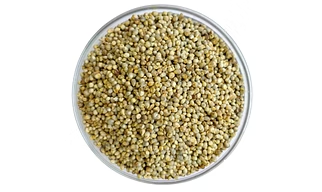
Pearl Millet (Bajra)
Pearl Millet (Pennisetum glaucum)
Common Names: Bajra (India), Bulrush millet, Cattail millet
Nutritional Profile: Rich in protein, fiber, iron, and magnesium. Gluten-free.
Uses: Used for flatbreads (e.g., bhakri, roti in India), porridge, and fermented beverages. Also used as fodder in some regions.
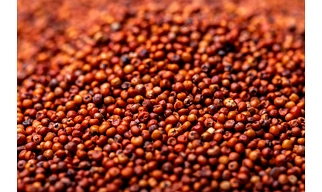
Finger Millet (Ragi)
Finger Millet (Ragi) Overview
Botanical Name: Eleusine coracana
Common Names: Ragi (India), Nachni, Kezhvaragu (Tamil), Mandua (Hindi belt)
Type: True Millet
Origin: Native to Africa, widely cultivated in India
---
Nutritional Highlights:
Rich in Calcium – highest among all millets
Good source of Iron, Dietary Fiber, and Amino Acids
Gluten-free – suitable for gluten-intolerant diets
Low glycemic index – ideal for diabetics
---
Health Benefits:
Supports bone health and prevents osteoporosis
Aids in weight management and digestion
Helps regulate blood sugar levels
Boosts immunity and energy levels
---
Common Uses:
Ragi flour for porridge, dosa, roti, laddus, and baby food
Used in multigrain mixes, health drinks, and bakery products
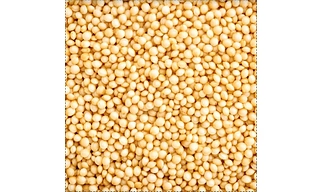
Amaranth Grain (Rajgira)
Common Names: Amaranth grain, Rajgira (India)
Nutritional Benefits:
Rich in protein (especially lysine, which is rare in grains)
High in calcium, iron, magnesium, and fiber
Naturally gluten-free
Contains antioxidants and squalene (supports skin health)
Uses: Used in porridge, rotis, snacks, laddus, and baking.
Health Benefits:
Aids in digestion
Supports bone health
Helps in managing cholesterol
Good for vegetarians due to high plant-based protein
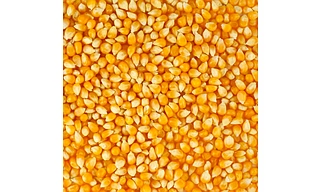
Maize
Maize, also called corn, is a tall grass that grows golden seeds called kernels. These are used in many foods like popcorn, cornflakes, and tortillas. Maize grows well in warm places and is loved by both people and animals. It's one of the most important food crops in the world!
Uses & Benefits of Maize (Corn):
Food: Eaten as sweet corn, popcorn, cornmeal, and flour.
Animal Feed: Major feed for livestock.
Fuel: Used to make bioethanol, a renewable fuel.
Industry: Used in making paper, plastics, and adhesives.
Health: Rich in fiber, vitamins, and antioxidants.
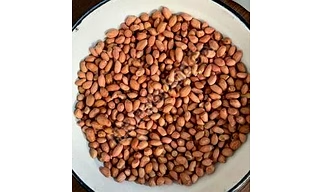
Ground Nut Kernel
We supply premium quality Bold and Java Groundnut Kernels sourced from trusted farms, carefully graded and processed to meet export standards. Available in various counts per ounce to suit different market preferences.
Varieties Offered:
Bold Groundnut Kernel – Larger size, ideal for cooking, oil extraction, and peanut butter production.
Java Groundnut Kernel – Smaller, sweeter taste, popular for confectionery and snack manufacturing.
Processing Types: Natural & Raw
Colors Available: Light Red, Brownish
Size Grades (Count per Ounce):
Bold: 50/60, 60/70, 70/80, 80/90, 90/100, 120/140
Java: 50/60, 60/70, 70/80, 80/90, 100/120, 120/140, 160/180
Key Features:
Uniform size grading
High oil content & rich flavor
Suitable for multiple uses: cooking, oil pressing, butter making, and snacks

 GL Trustmark