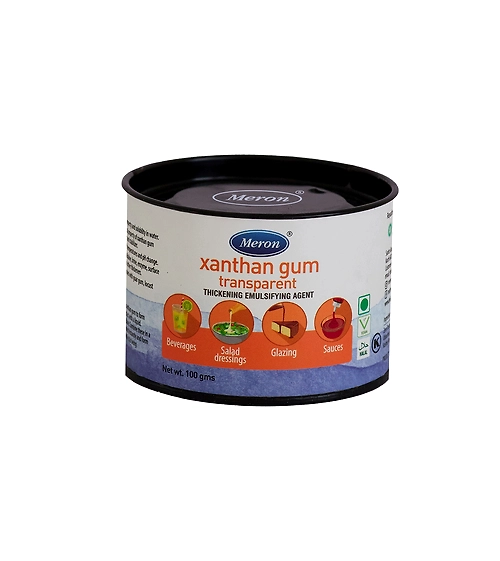
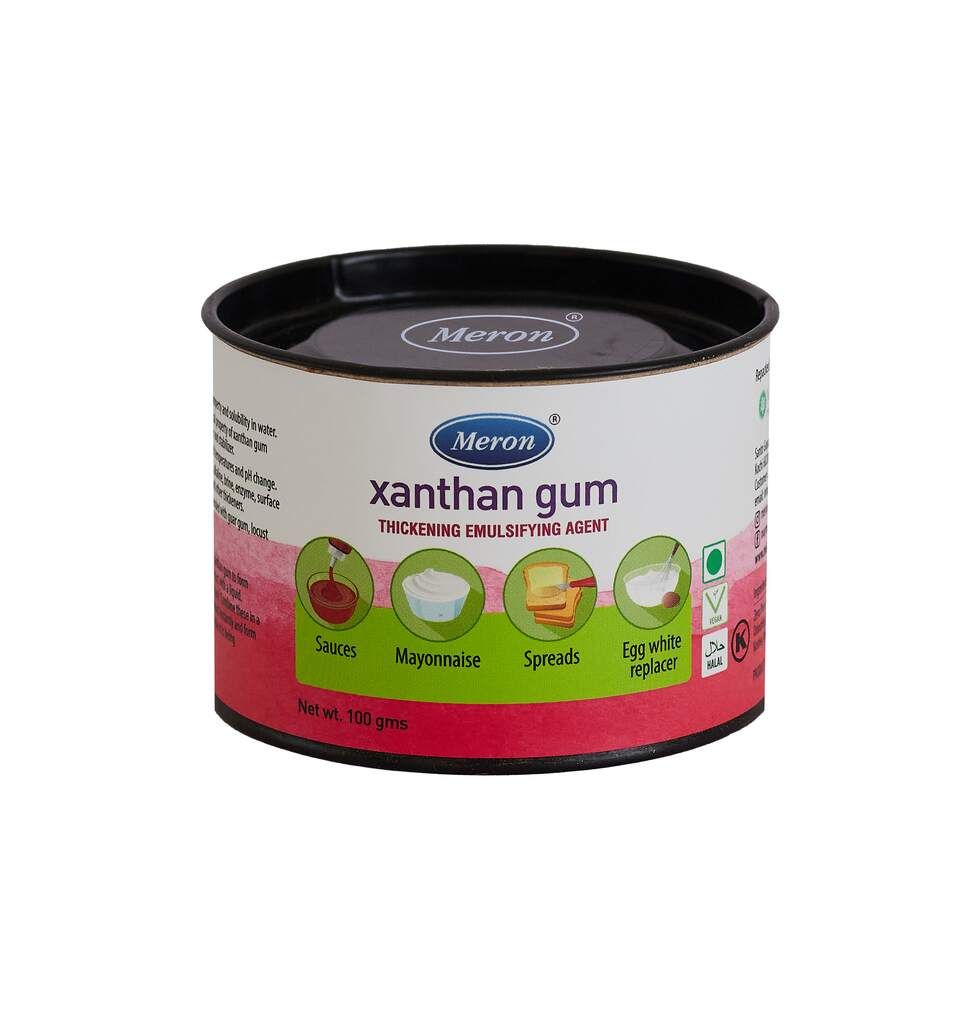
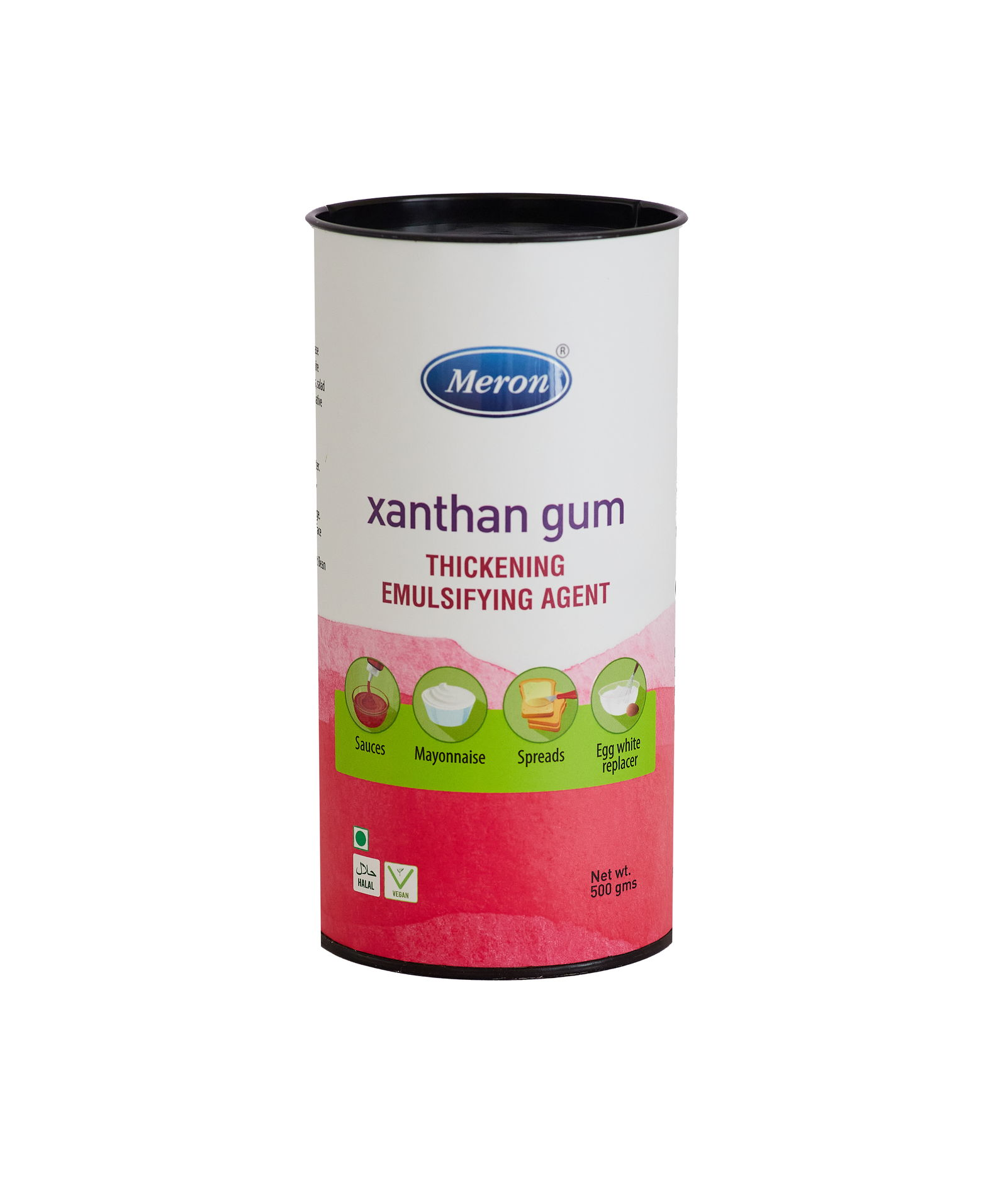
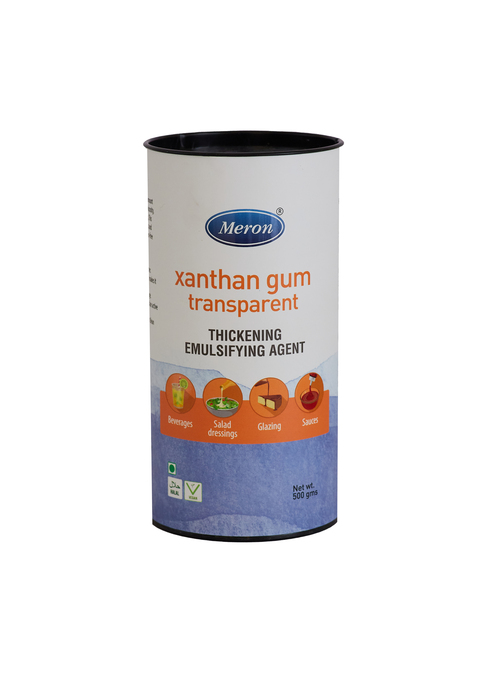
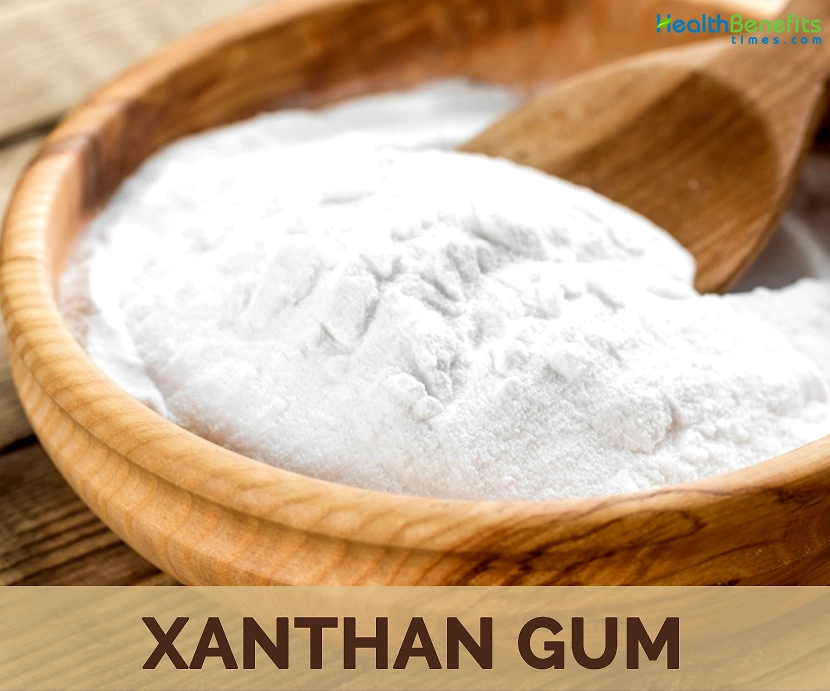
Xanthan Gum is a high-performance polysaccharide derived from the fermentation of carbohydrates, notably corn, by the microbe Xanthomonas campestris. Renowned for its exceptional stabilizing, thickening, and suspending properties, Xanthan Gum is a popular ingredient used across various industries, particularly in food and beverage, personal care, and industrial applications. With its unique molecular arrangement, Xanthan Gum easily modifies rheology, enhances foaming, and provides bonding capabilities, making it an essential ingredient for creating smooth textures and maintaining product consistency. As a GRAS (Generally Recognized as Safe) substance, it is trusted for safe use in various formulations ranging from salad dressings and sauces to cosmetics and adhesives. Its versatility and effectiveness ensure a stable and high-quality product, catering to both consumer and industry demands.
Key Features
| Features | Description |
|---|---|
| Source | Produced from the fermentation of corn carbohydrates using Xanthomonas campestris. |
| Functionality | Stabilizes, thickens, suspends, modifies rheology, bonds, and enhances foam. |
| Applications | Widely used in food, personal care, and industrial products. |
| GRAS Status | Generally Recognized as Safe for use in food and cosmetics. |
| Versatility | Effective in gluten-free, low-fat, and various other specialized products. |
| Attributes | Description |
|---|---|
| Molecular Weight | High molecular weight polysaccharide |
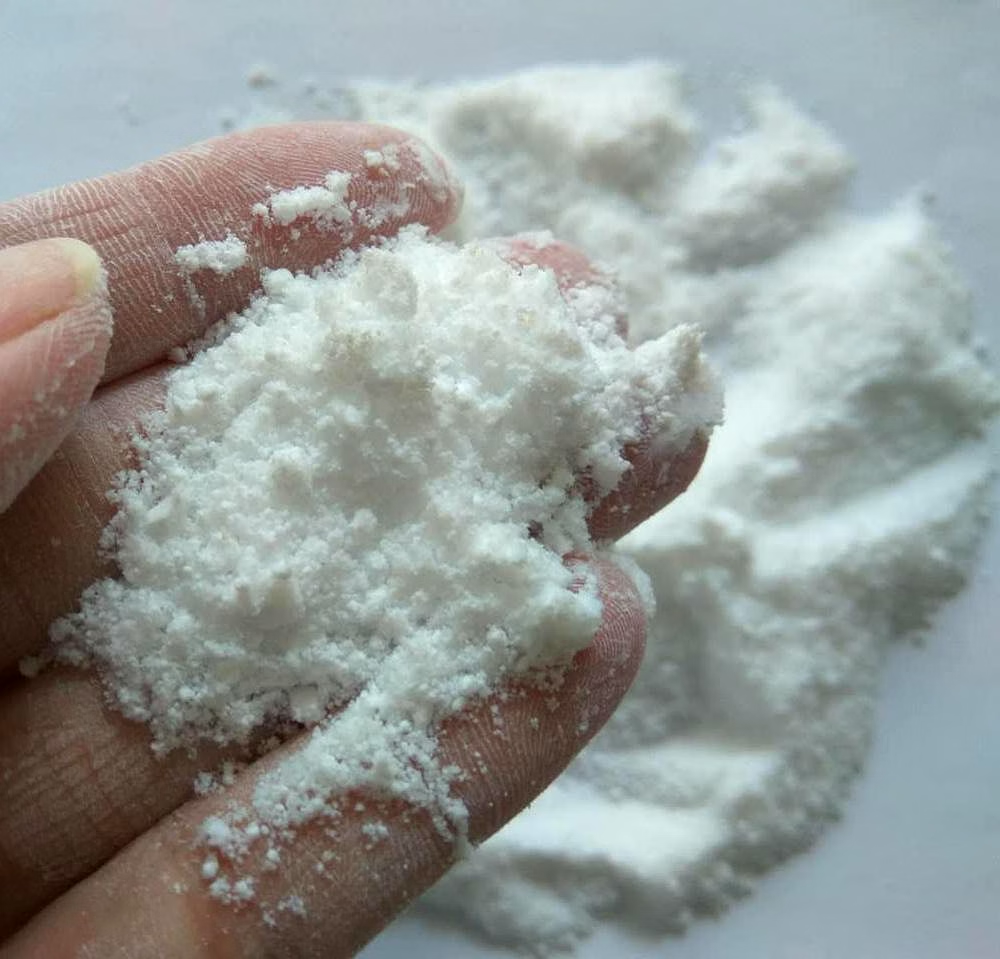
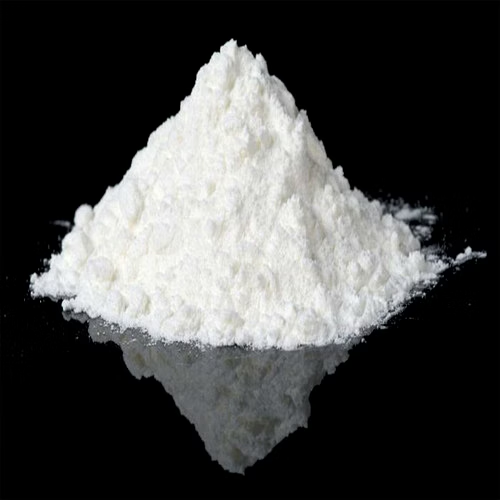
| Form | Powder or granule form. |
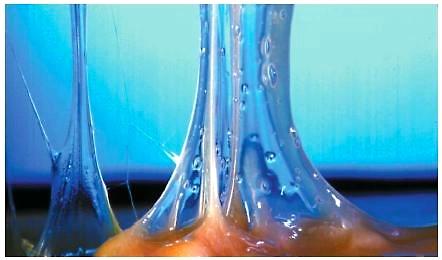
| Solubility | Soluble in water, forms a viscous solution. |
| Color | White to off-white. |
| Taste | Neutral. |
| Shelf Life | Typically 2-3 years under proper storage conditions. |
*Disclaimer: The above description has been AI-generated and has not been audited or verified for accuracy. It is recommended to verify product details independently before making any purchasing decisions.
Xanthan Gum is primarily used in food products, including salad dressings, bakery items, sauces, and beverages, as well as in personal care formulations like lotions and shampoos, and in various industrial products such as cleansers and adhesives.
Yes, Xanthan Gum is classified as GRAS (Generally Recognized as Safe) by the FDA and has a long history of safe use in food products.
Xanthan Gum enhances texture by stabilizing emulsions, thickening liquids, and improving the overall mouthfeel of food products.
Yes, Xanthan Gum is an excellent choice for gluten-free recipes as it mimics the structural properties of gluten, helping to improve texture and elasticity.
Recommended usage levels for Xanthan Gum typically range from 0.5% to 2.0% of the total formulation, depending on the desired thickness or stabilization.
Brand: imported
Country Of Origin: India
Xanthan Gum is a high molecular weight polysaccharide, produced through the fermentation of carbohydrates such as corn, using a microbe called xanthomonas campestris. Xanthan gum’s unique molecular structure imparts special functional characteristics in aqueous systems, such as stabilizing and thickening, suspending, rheology modification, bonding and foam enhancement. Xanthan gum is a widely used GRAS food ingredient, with proven functionality and safety in a wide range of food and beverage products, offering these characteristics:
APPLICATION:
• Food Products
o Salad dressings
o Bakery products
o Fruit juices
o Soups
o Ice creams
o Sauces and gravies
o Syrups
o Gluten-free products
o Low-fat foods
• Personal Care Products
o Toothpaste
o Creams
o Lotions
o Shampoo
• Industrial Products
o Fungicides, herbicides and insecticides
o Tile, grout, oven and toilet bowl cleaners
o Paints
o Fluids used in oil drilling
o Adhesives like wallpaper glue
*Please refer to our technical for further information.
Inclusive of all taxes
You Save: 0
Delhi , India
Manufacturer, Retailer, Brand Owner, Distributor, Exporter, Importer, Wholesaler