Inclusive of all taxes
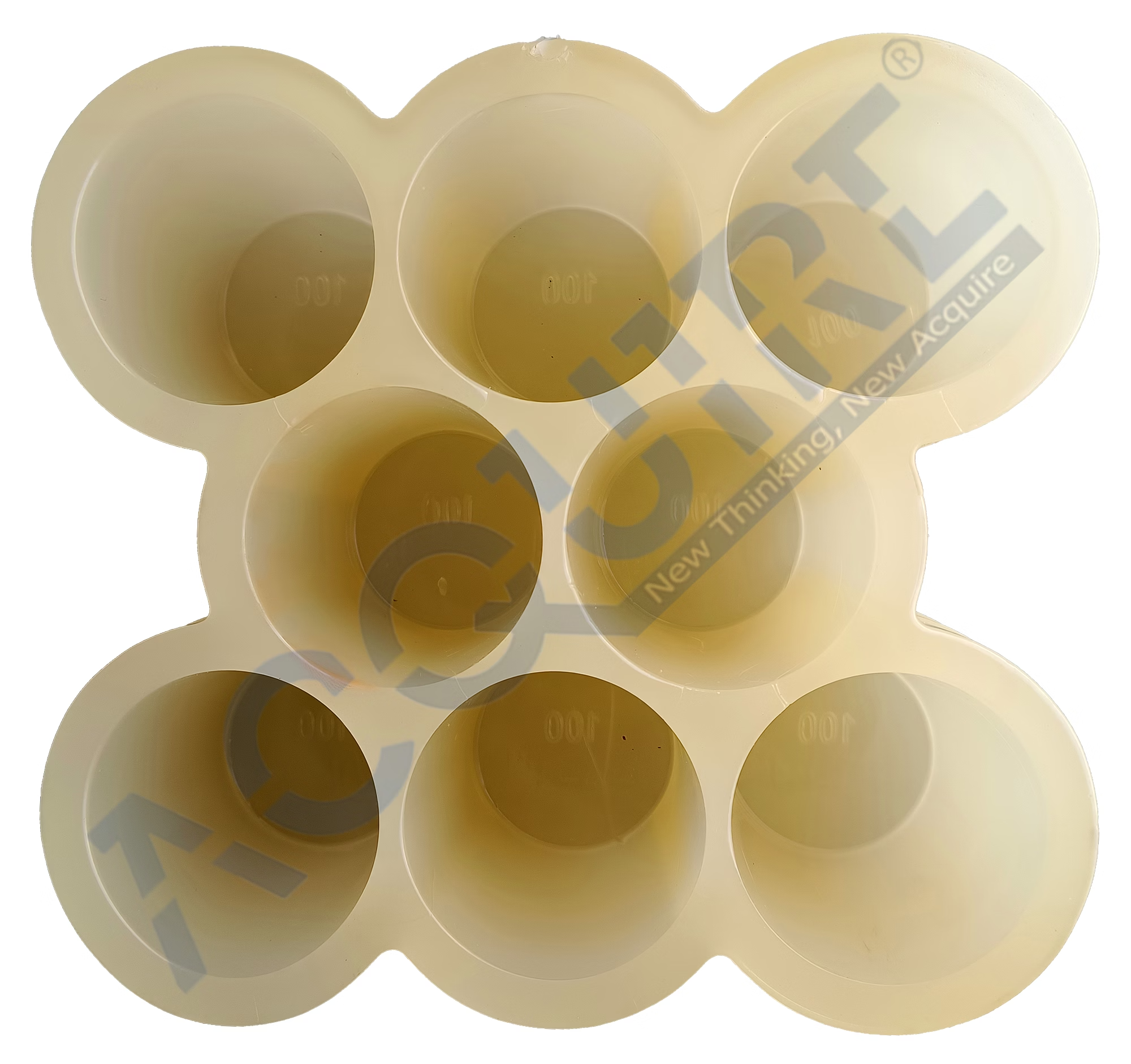
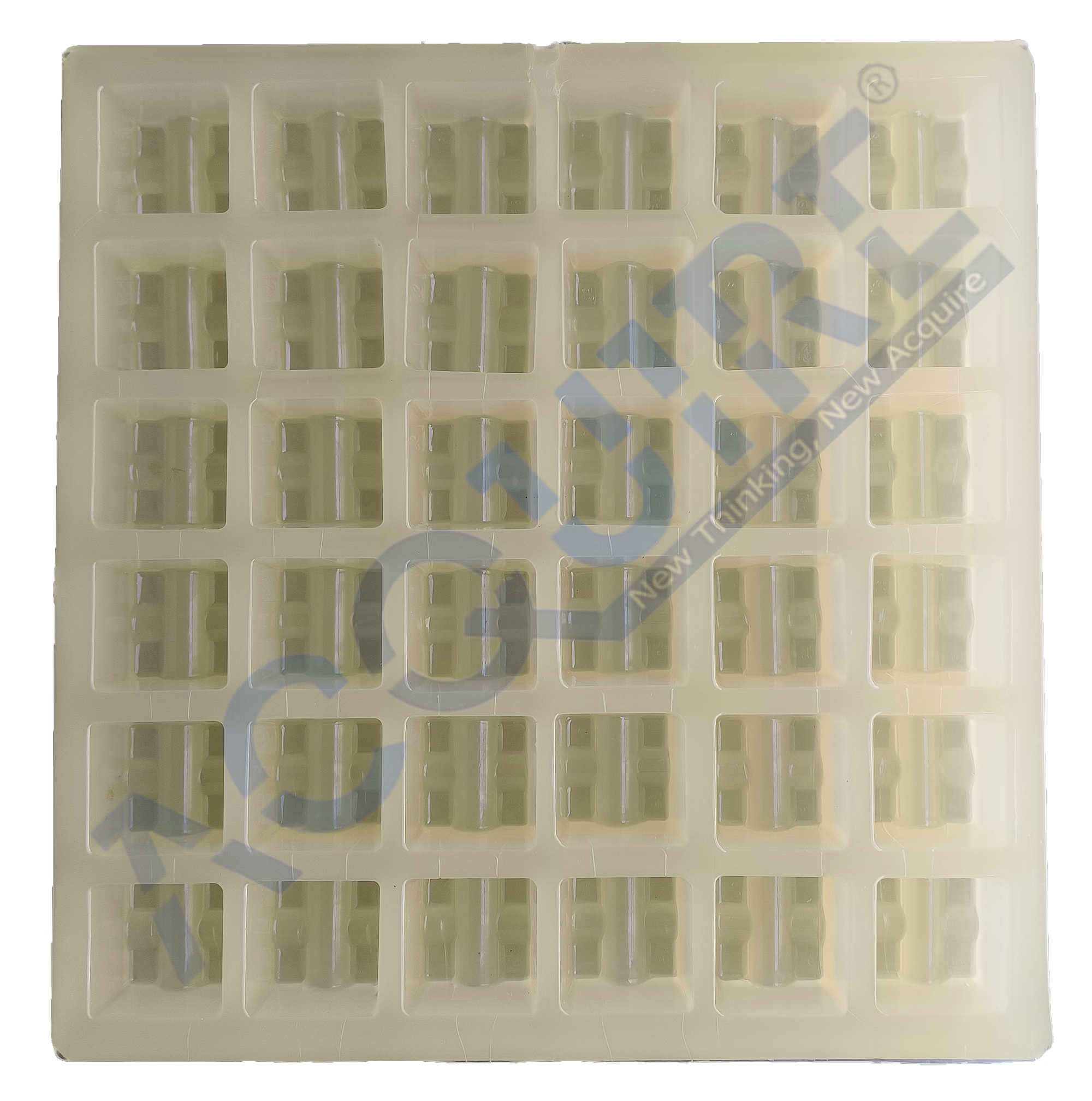
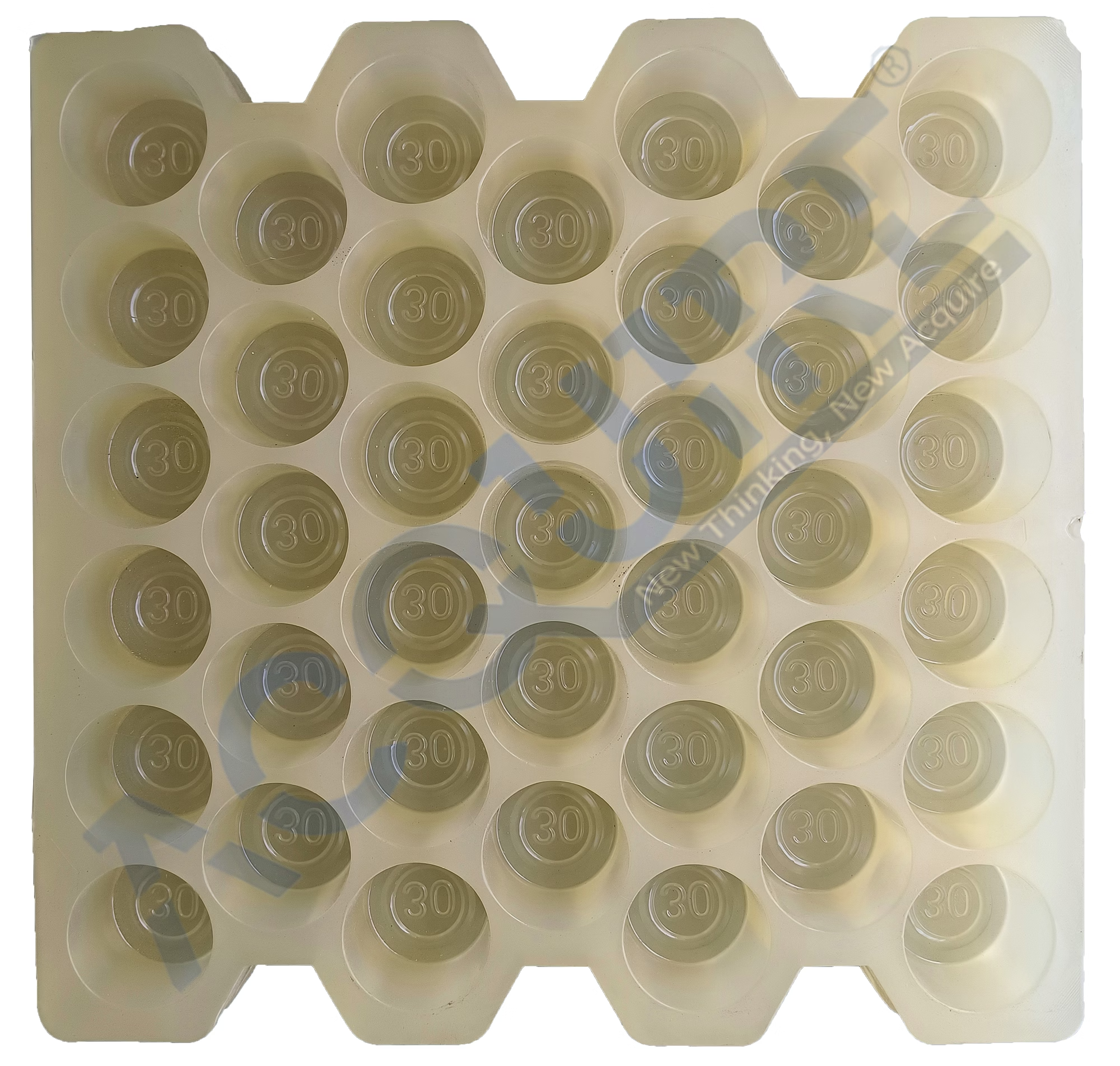
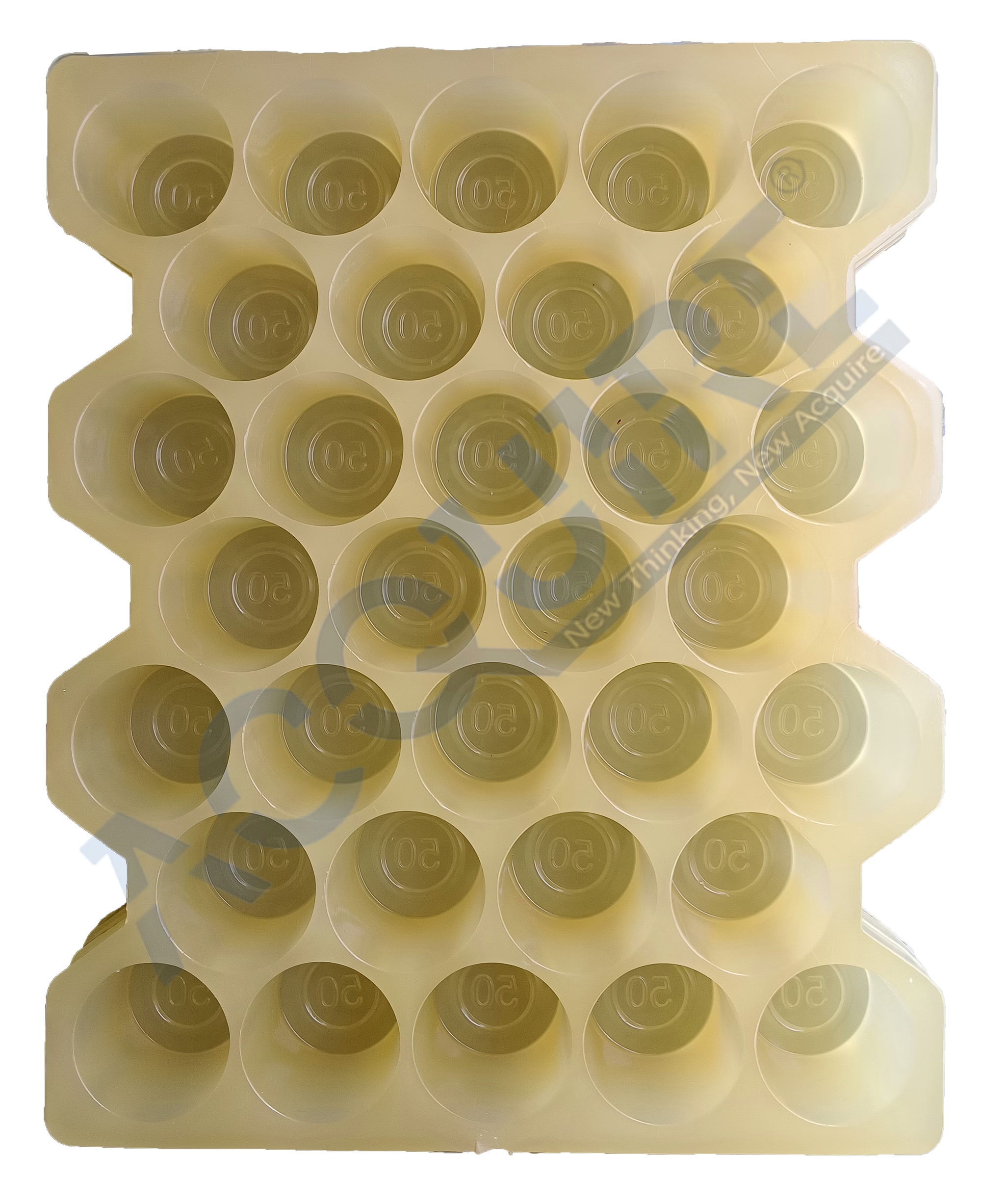
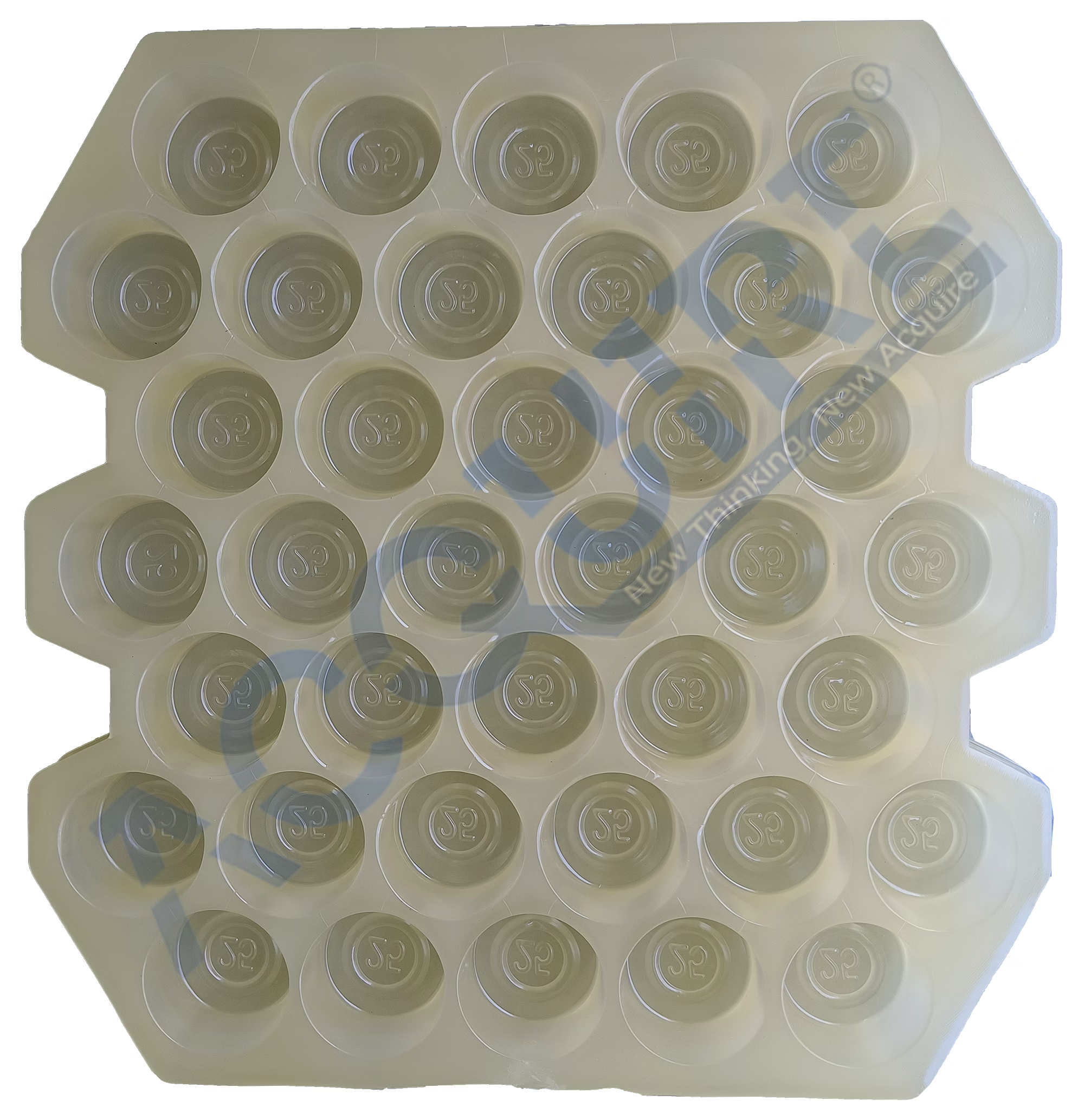
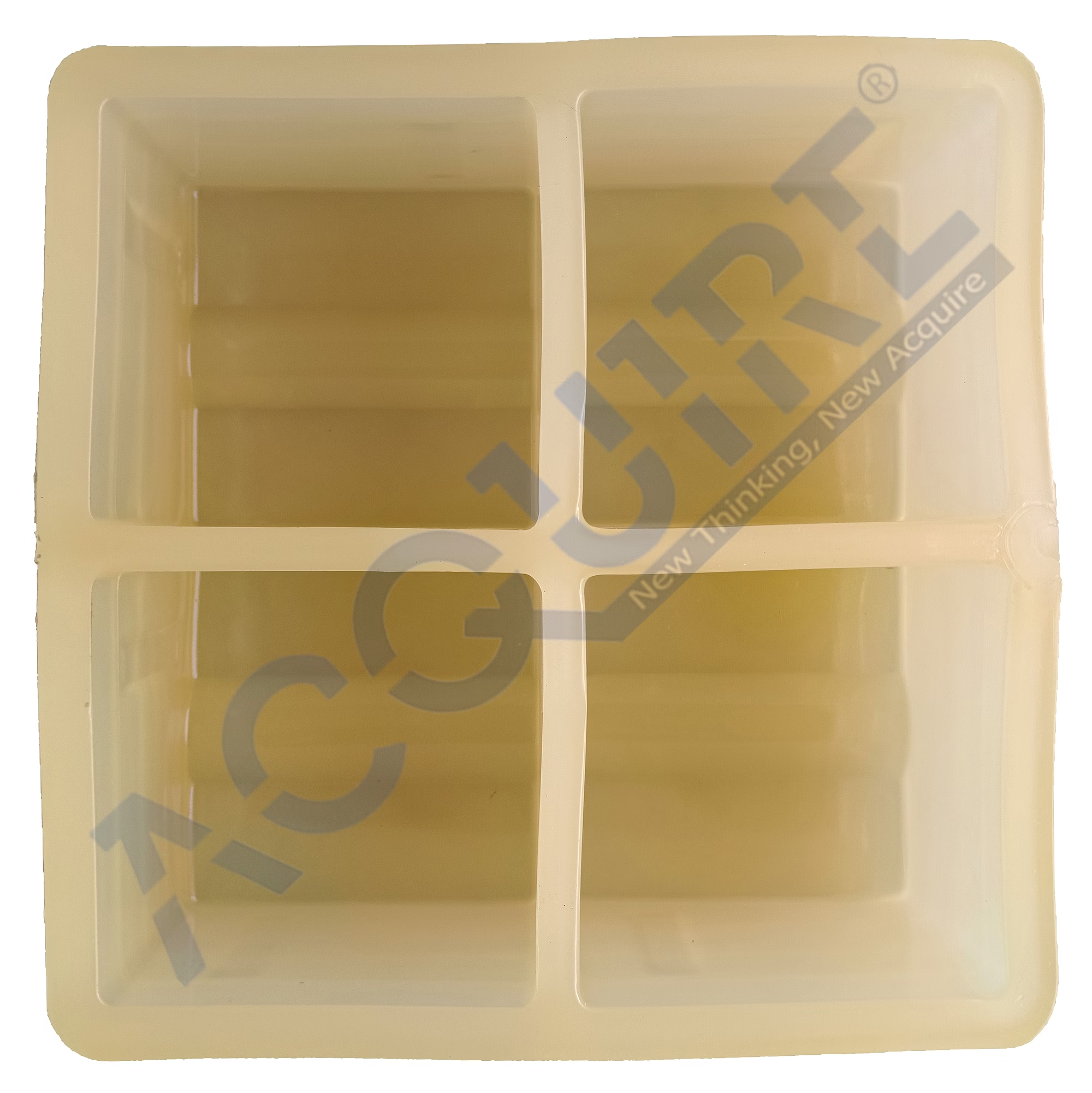
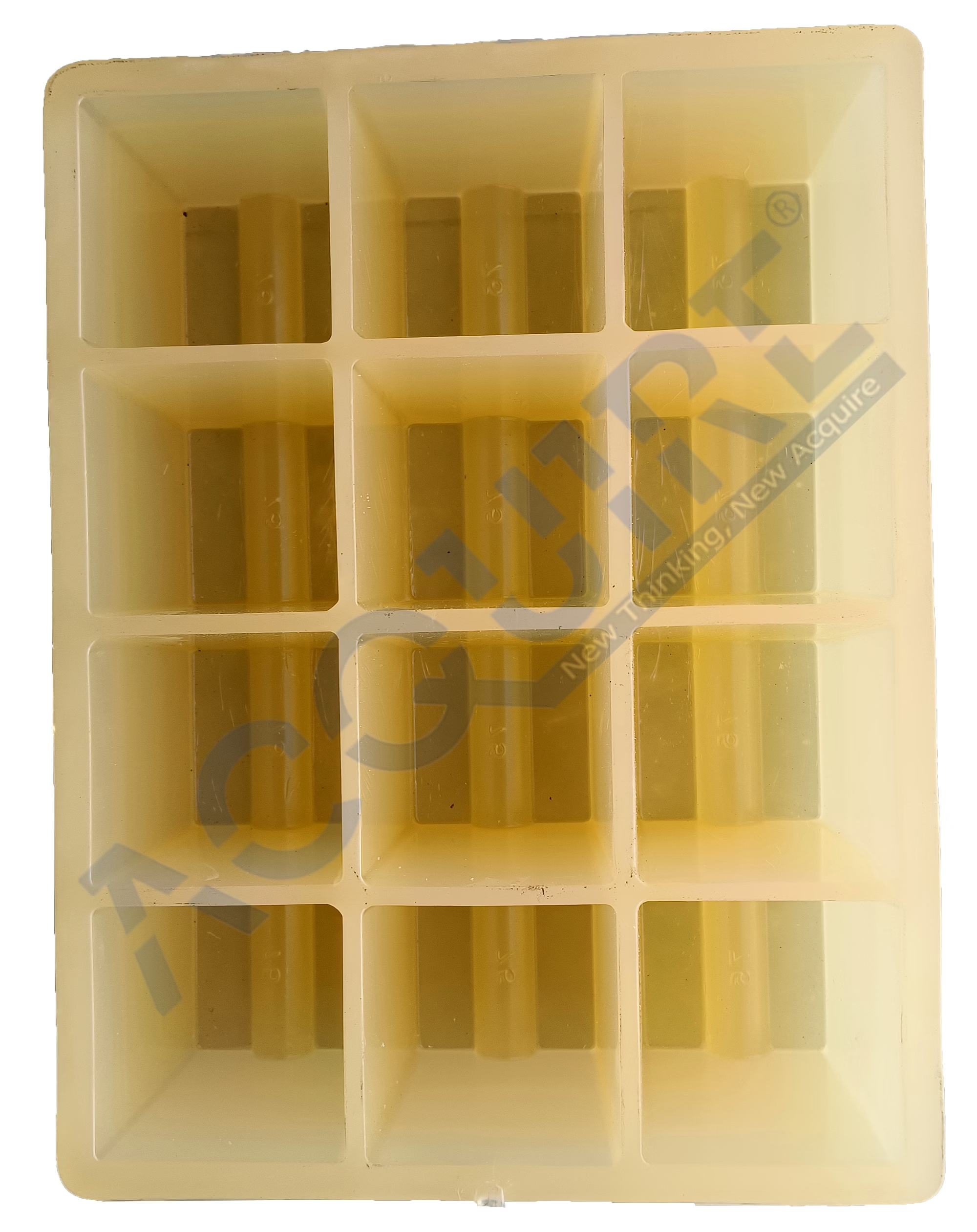
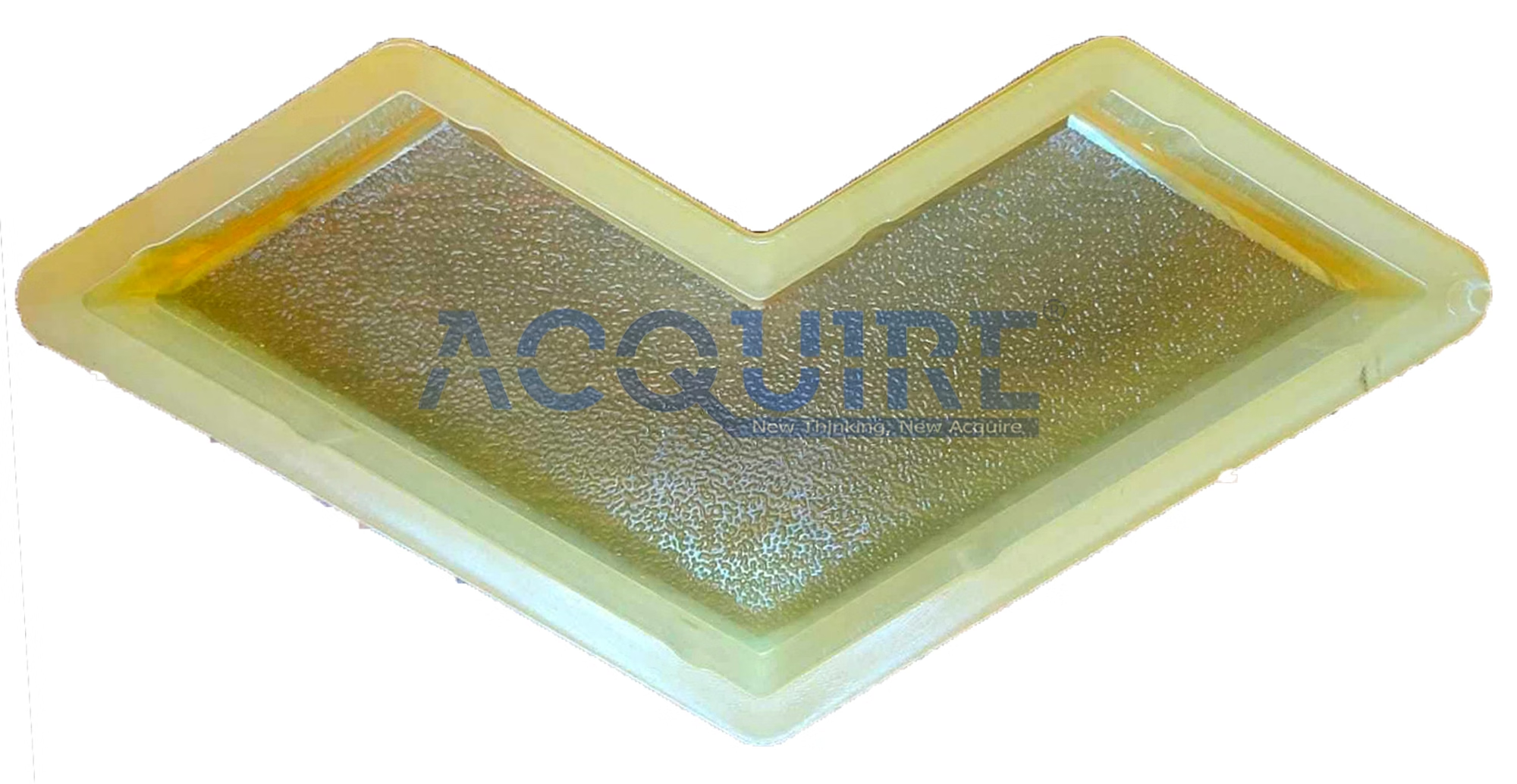
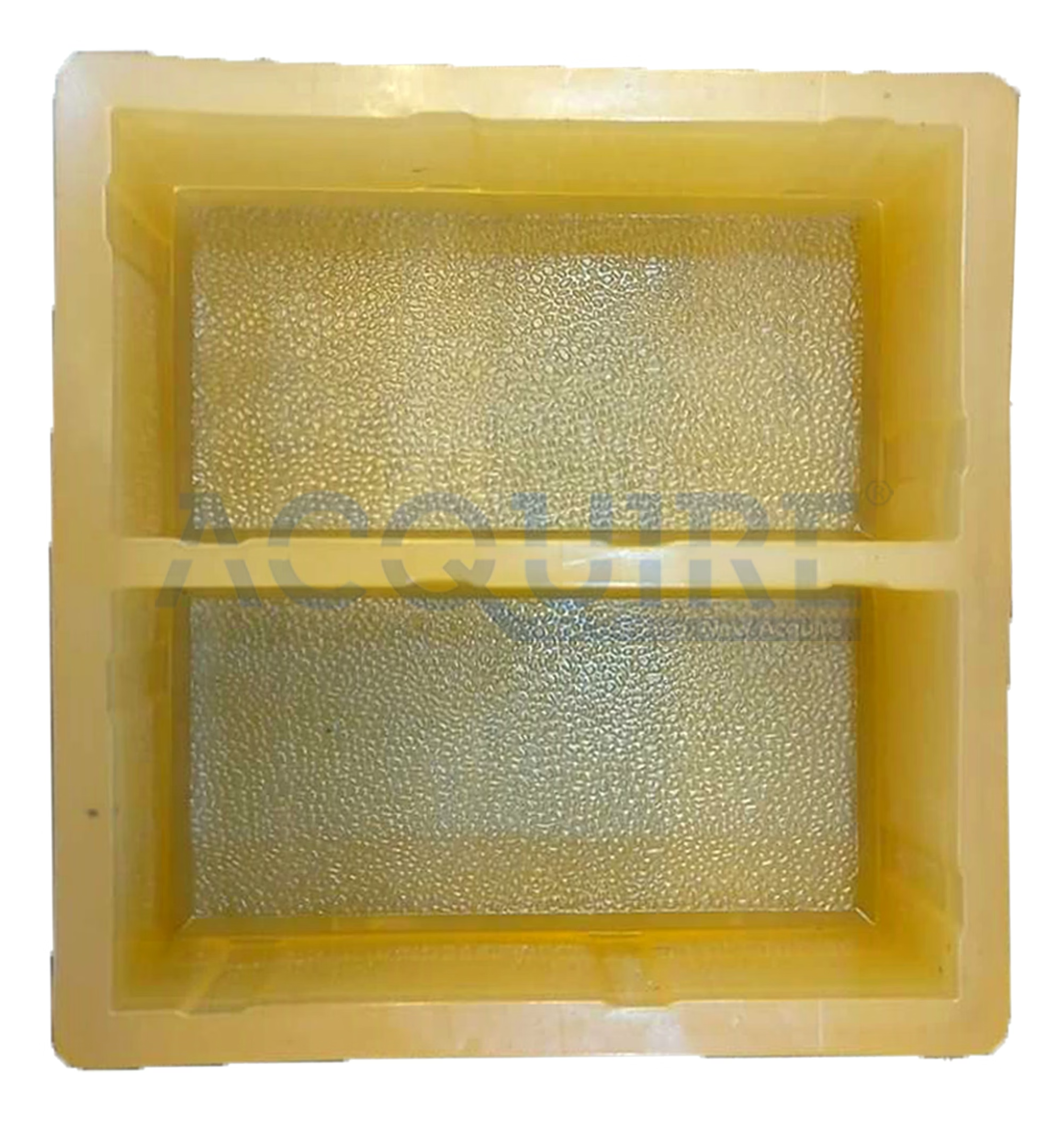
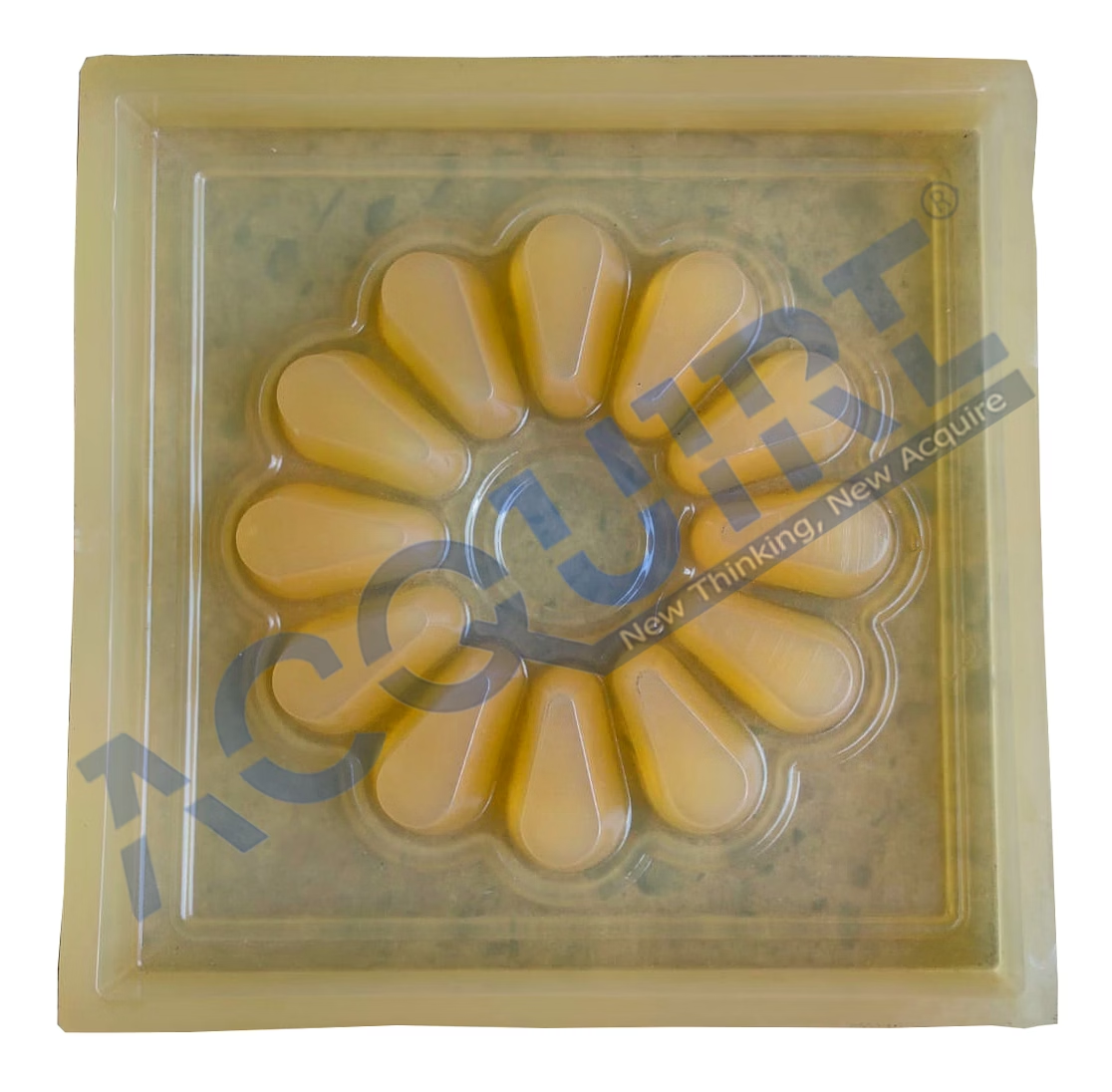
The Ventilation PVC Mould measuring 12" x 12" is a specialized tool designed explicitly for manufacturing ventilation components. Crafted from high-grade PVC, this mold is ideal for producing uniform, durable ventilation parts used in HVAC systems. Its precise dimensional accuracy ensures consistent replication of ventilation components essential for maintaining airflow and structural integrity in ventilation ducts and fittings. The mold supports efficient demoulding processes with features that reduce sticking and facilitate smooth removal of cured parts, enhancing productivity in industrial or commercial manufacturing settings. Suitable for repeated use with proper maintenance, it aids manufacturers in achieving high-quality output essential for ventilation system assembly and installation.
Key Features
| Features | Description |
|---|---|
| Material | High-grade durable PVC |
| Dimensions | 12 inches x 12 inches |
| Design | Precision engineered for ventilation components |
| Surface Finish | Smooth surface for easy demoulding |
| Reusability | Suitable for multiple casting cycles |
| Compatibility | Ideal for HVAC duct and fitting manufacturing |
| Demoulding Support | Can accommodate demoulding aids such as ejector pins or air blasts |
| Maintenance | Easily cleanable and maintainable for prolonged use |
| Attributes | Description |
|---|---|
| Mould Type | Ventilation component mold |
| Material Used in Mould | PVC (Polyvinyl Chloride) |
| Intended Use | Manufacturing ventilation ducts and fittings |
| Compatible Materials for Casting | Resins, plaster, concrete, or similar molding compounds |
| Weight | Approximately 1.2 kg (subject to manufacturing variation) |
| Finish Quality | Smooth with anti-stick properties |
| Operating Temperature Range | Suitable for ambient manufacturing conditions |
| Mould Opening Mechanism | Manual or automated depending on setup |
| Release Agent Requirement | Recommended for smooth demoulding and mold preservation |
*Disclaimer: The above description has been AI-generated and has not been audited or verified for accuracy. It is recommended to verify product details independently before making any purchasing decisions.
The mould is compatible with commonly used resins, plaster, concrete, and similar molding compounds typically applied in ventilation component manufacturing, though verification with specific material suppliers is recommended.
Yes, the 12" x 12" ventilation PVC mould supports demoulding aids such as ejector pins or air blasts, making it suitable for both manual and automated demoulding setups.
Regular cleaning to remove residue and release agent buildup after each use, careful storage to avoid physical damage, and routine inspection for surface wear are recommended to maintain mould durability.
While the mould's surface is designed for easy demoulding, applying a suitable release agent is recommended to ensure smooth removal of parts and to prolong mould life.
This specific product is fixed at 12" x 12", but manufacturers may offer custom moulds; it's advisable to contact suppliers directly for bespoke sizing.
Brand: acquire
Country Of Origin: India
It seems there might be a confusion in your question. Demoulding typically refers to the process of removing a material, often in a cast or molded form, from a mold. However, "ventilation demoulding process" is not a standard term in the context of common manufacturing or construction practices.
If you're specifically asking about demoulding in the context of ventilation systems or components, it could be related to the manufacturing of certain parts used in ventilation systems, like ducts or fittings.
Assuming you are referring to the demoulding process for a molded ventilation component, here are some general steps that might be involved:
1. Curing or Setting Time:
Allow the material used in the mold to cure or set properly. This time can vary depending on the material, and it ensures that the molded component is solid enough for demoulding.
2. Release Agent Application:
Apply a release agent to the mold surfaces. This helps prevent the molded material from sticking to the mold, making the demoulding process smoother.
3. Opening the Mold:
Depending on the design of the mold, carefully open it to expose the molded ventilation component. This can be a manual or automated process.
4. Demoulding Aids:
Depending on the complexity of the mold and the characteristics of the material, demoulding aids such as air blasts, ejector pins, or other mechanical systems might be used to assist in separating the molded component from the mold.
5. Inspection:
Inspect the demoulded ventilation component for any defects. This is crucial to ensure the quality of the final product.
6. Cleaning and Finishing:
Clean the demoulded component to remove any residue or release agent. Additionally, any necessary finishing processes may be performed at this stage.
7. Quality Control:
Implement quality control measures to check the dimensions, surface finish, and overall quality of the demoulded ventilation component.
8. Reuse or Storage:
If the mold is designed for multiple uses, it can be prepared for the next casting. If not, store the mold properly for future use or maintenance.
Inclusive of all taxes
You Save: 0
Rajkot , India
Manufacturer, Brand Owner, Distributor, Exporter, Wholesaler
GST- 24AQFPH0802G2ZH