Inclusive of all taxes
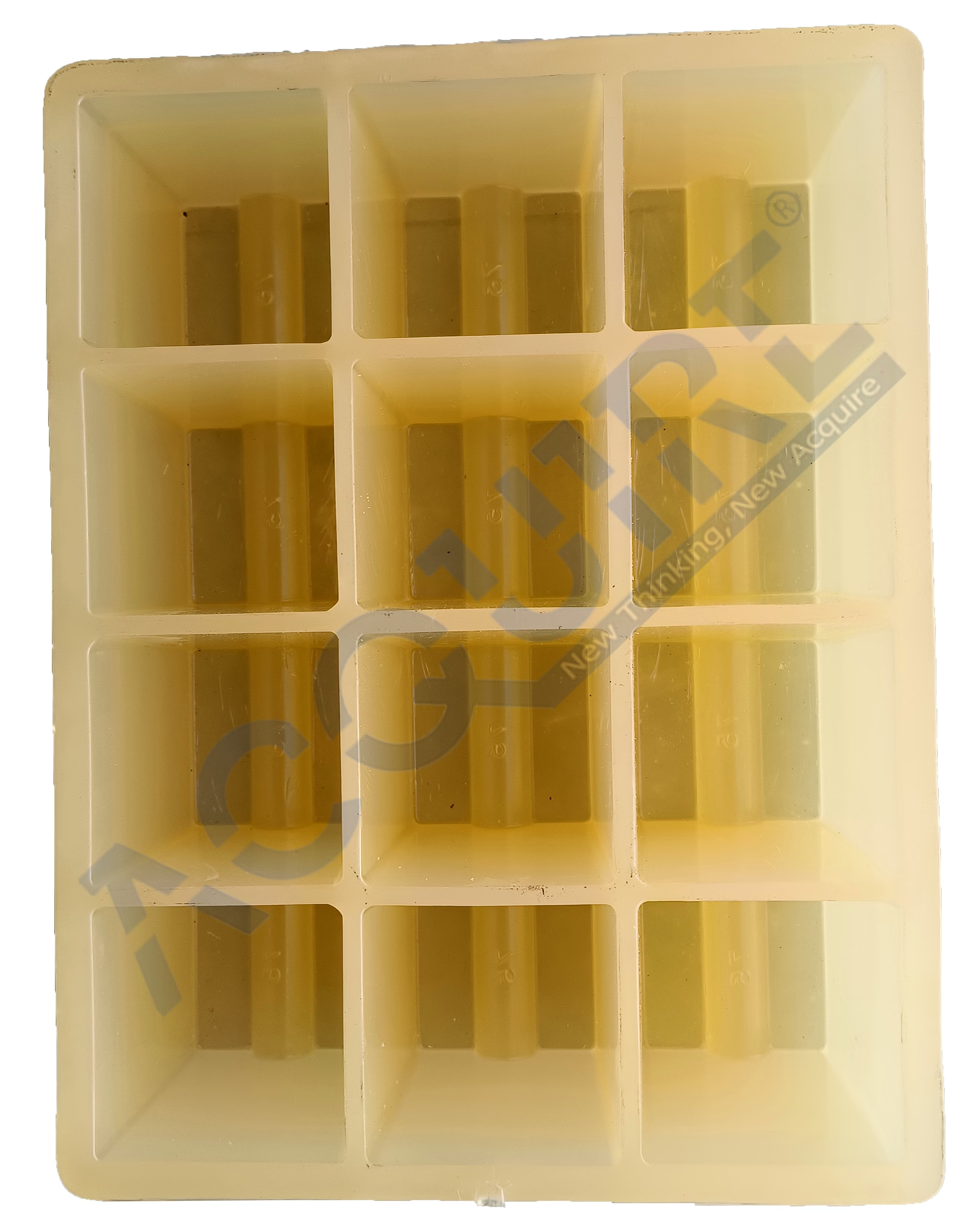
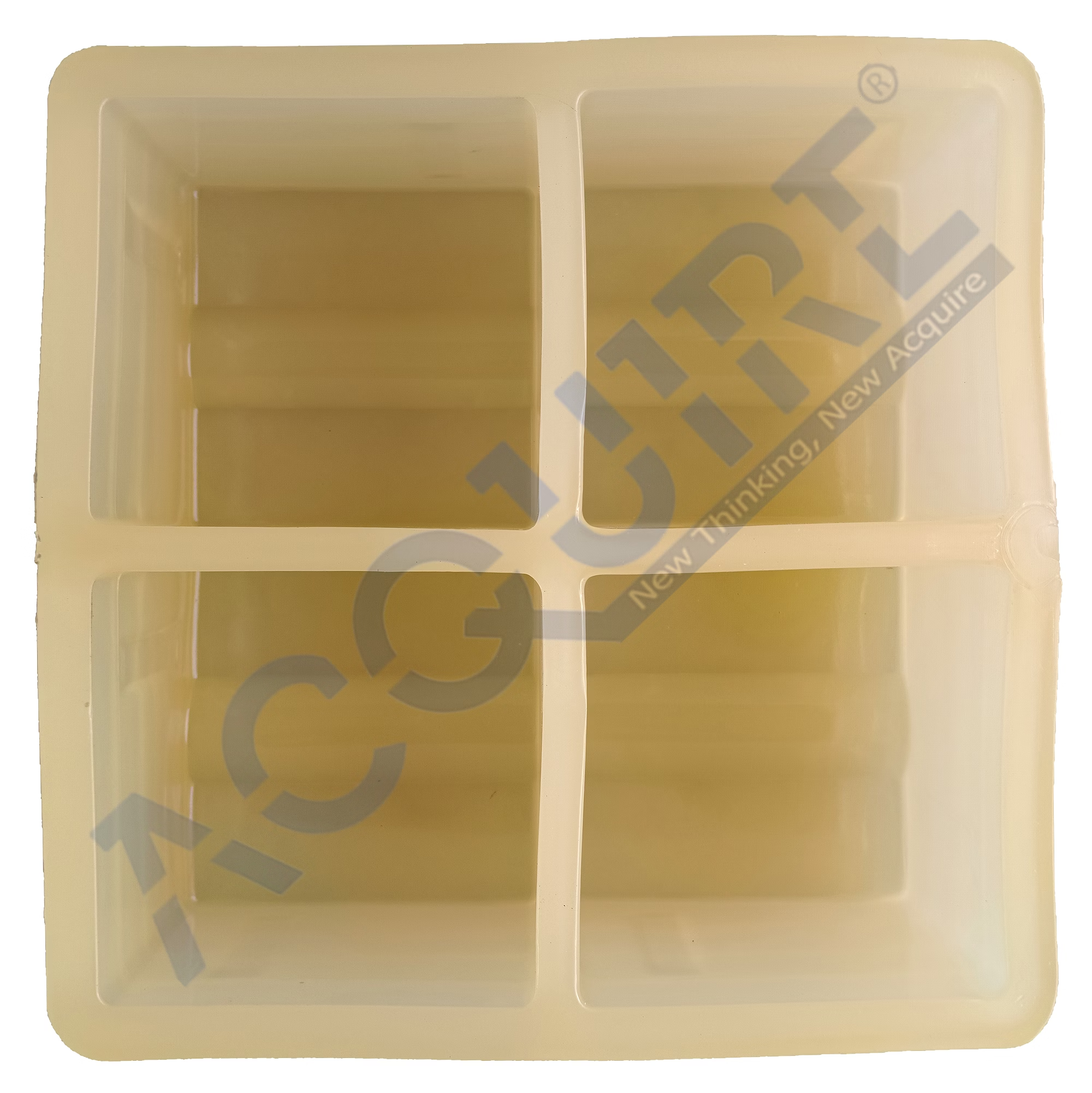
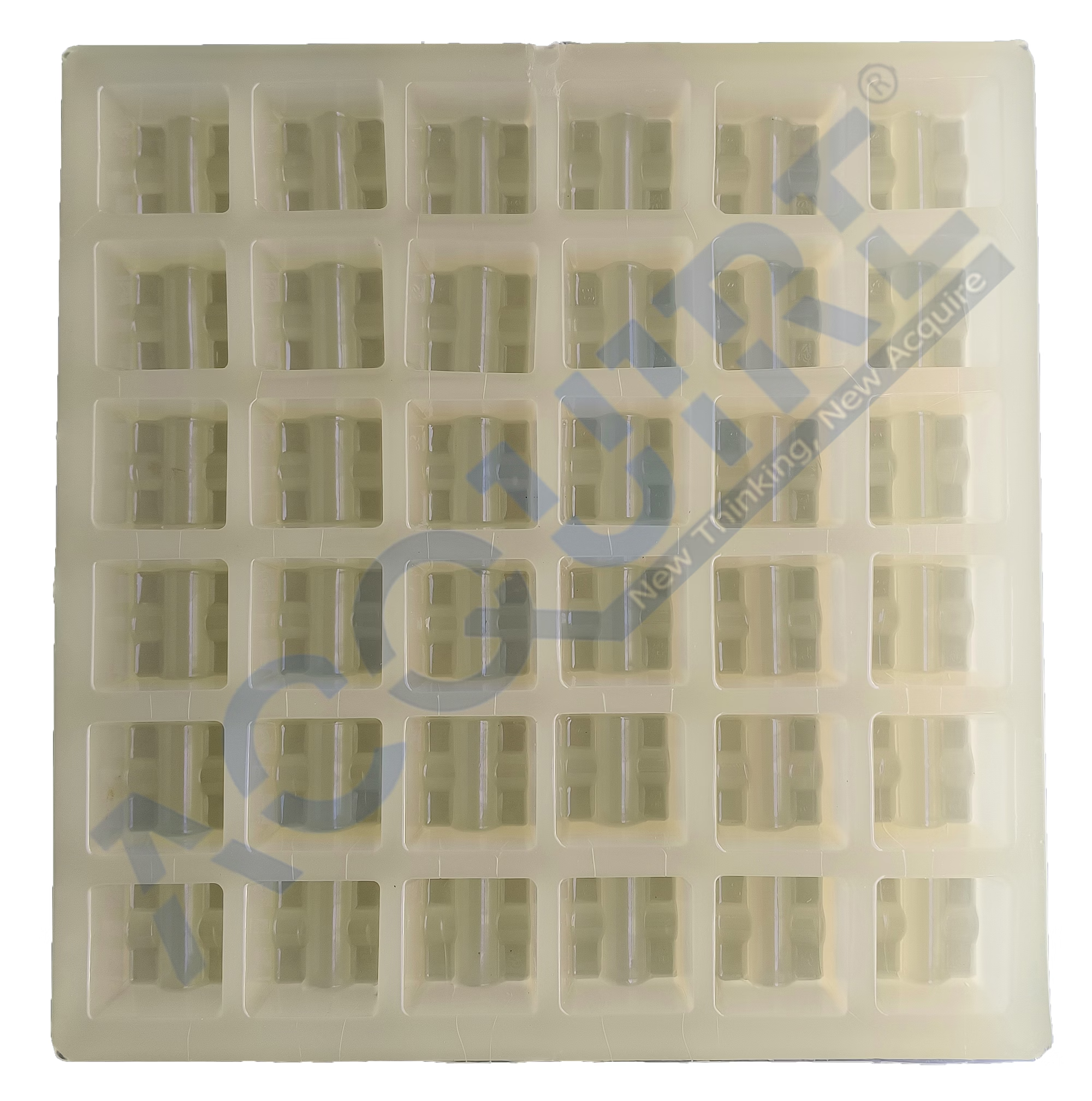
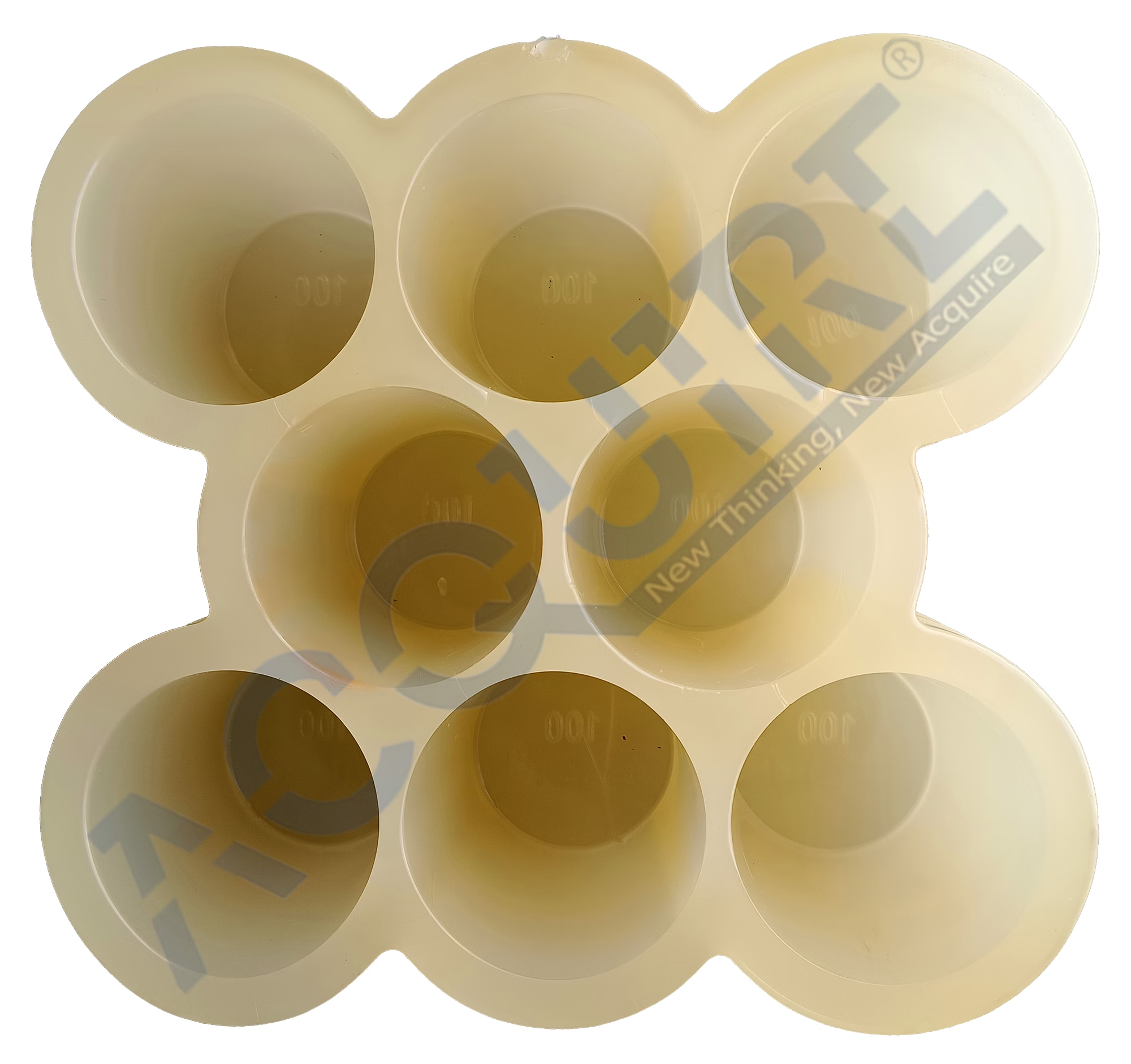
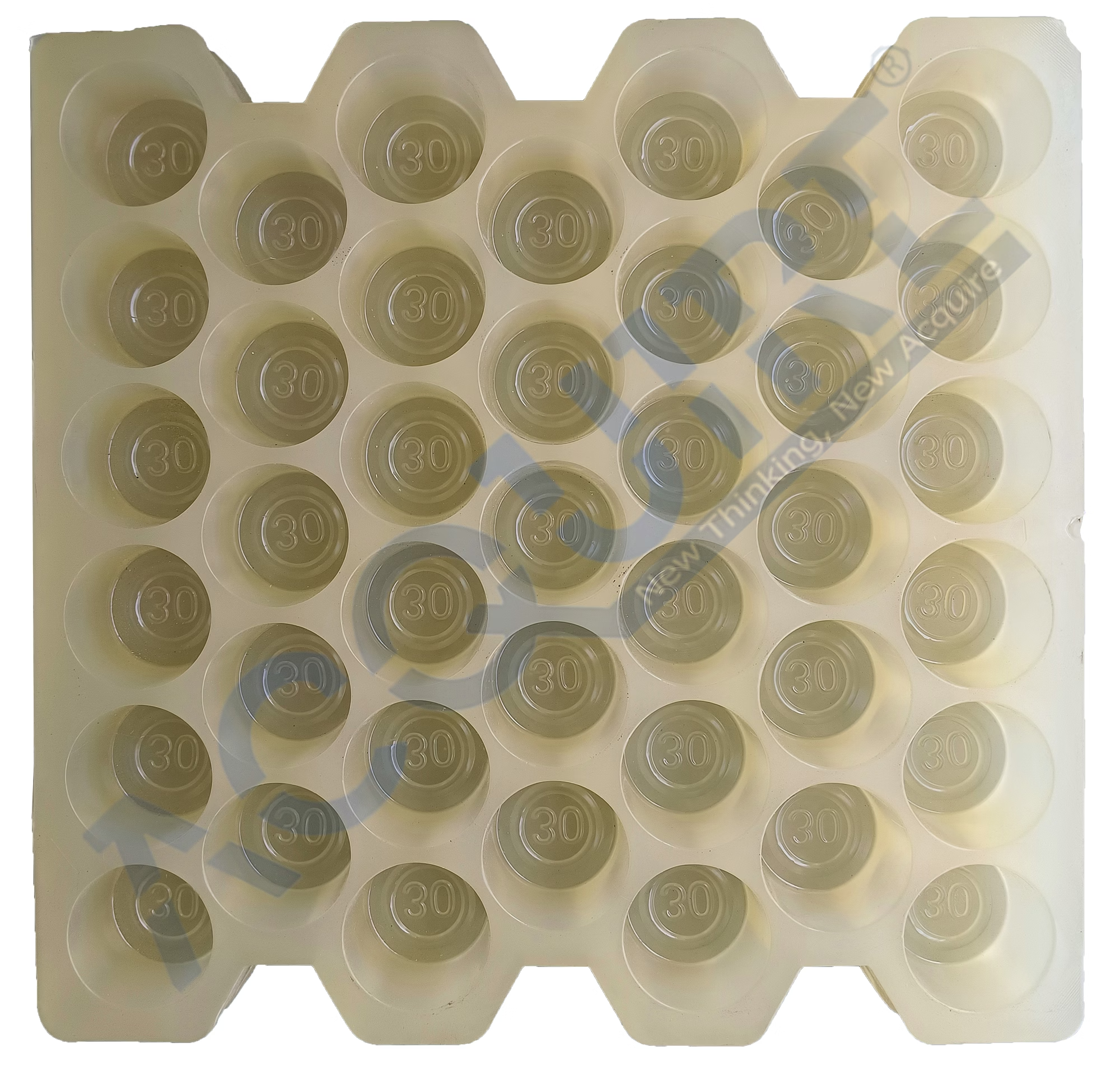
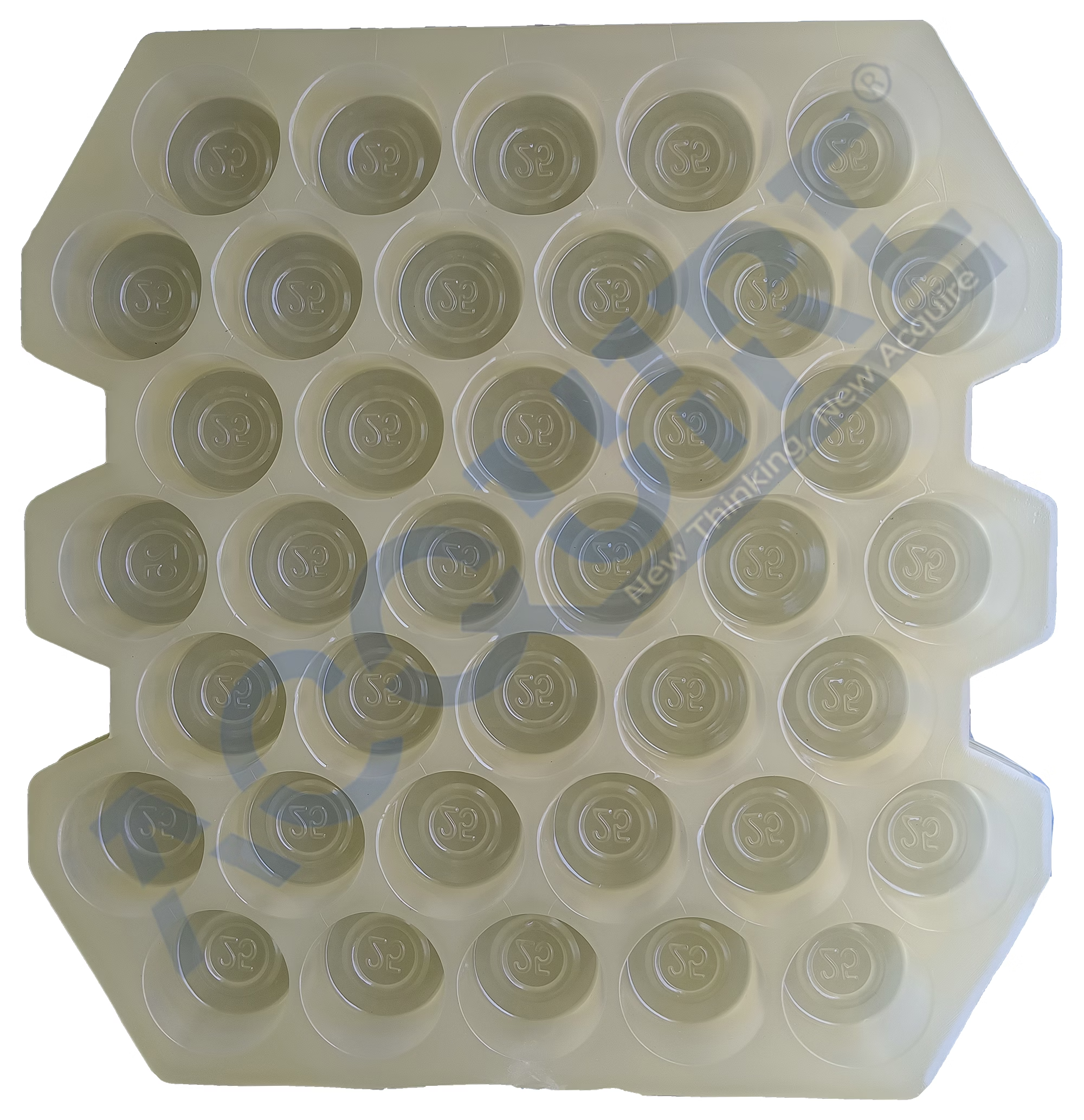
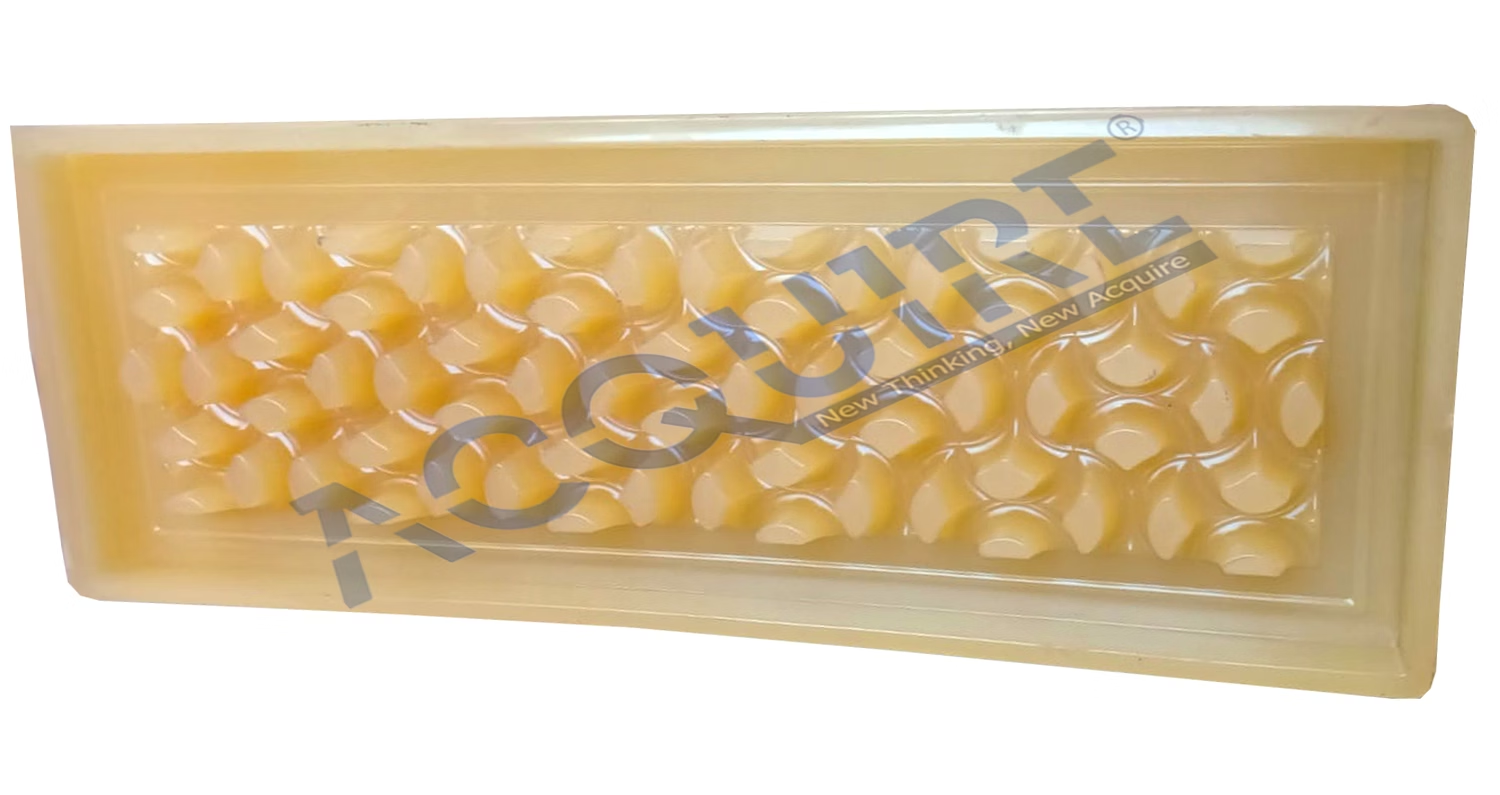
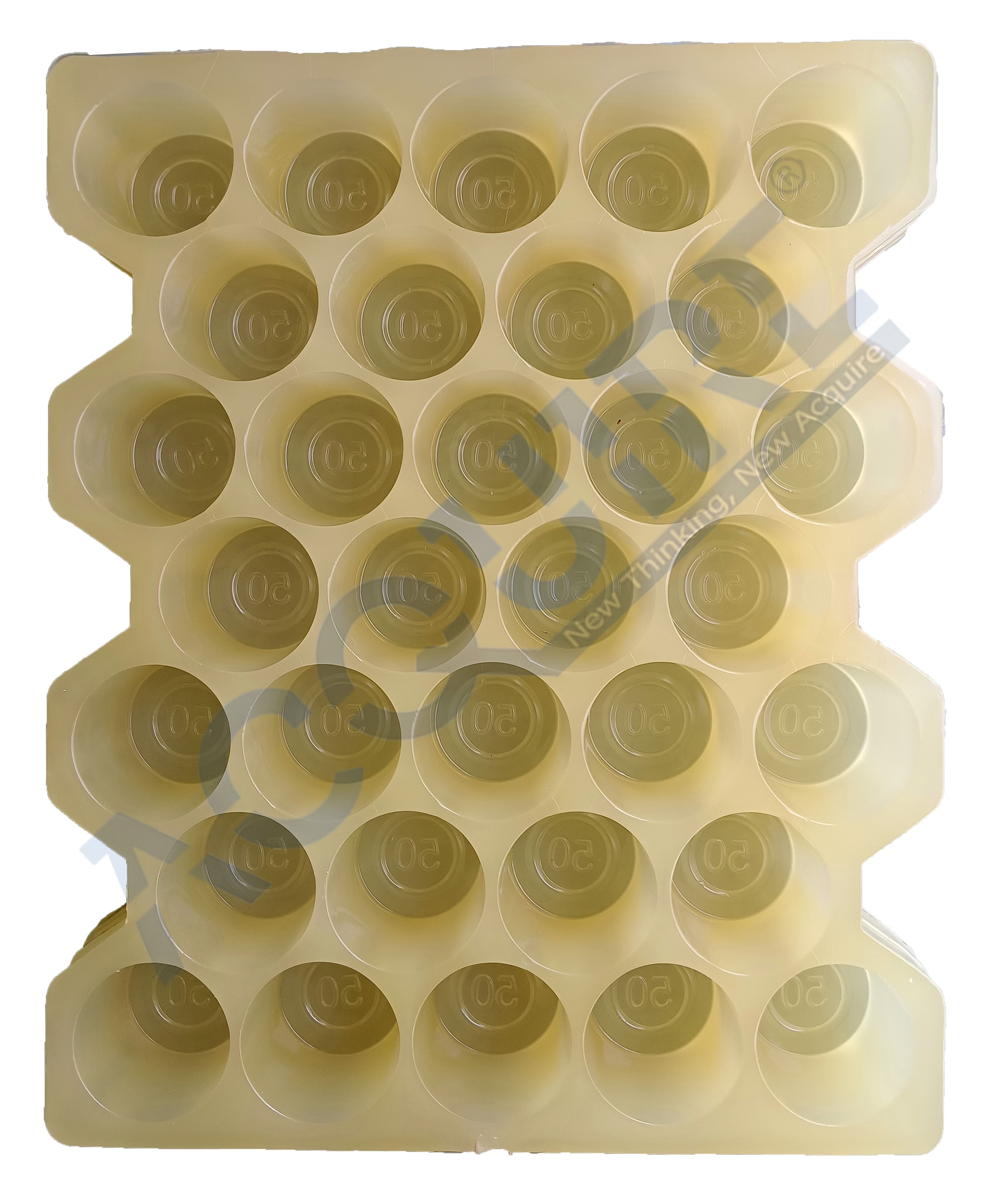
The Cover Block PVC Mould 50mm - 32cvt.Round is a precision-engineered mold designed specifically for producing concrete cover blocks used in construction projects. These cover blocks play a vital role in maintaining accurate concrete cover over reinforcing bars, ensuring enhanced durability and structural integrity of concrete elements. Crafted from high-quality PVC, this mold provides consistent size and shape for cover blocks with a thickness of 50mm and a round design (32cvt.Round), catering to various construction standards. The mold ensures efficient compaction and curing, enabling manufacturers to produce dense, high-strength cover blocks that comply with industry norms. Its robust PVC material guarantees durability, easy demolding, and reusability, making it suitable for large-scale production in precast concrete plants or construction material manufacturing units. This product is essential for businesses involved in producing standardized, reliable concrete cover blocks that meet safety and quality requisites in building infrastructure.
Key Features
| Features | Description |
|---|---|
| Material | High-quality durable PVC |
| Block Thickness | 50mm |
| Shape/Type | 32cvt.Round cover block mold |
| Mold Dimensions | Standardized to produce uniform concrete cover blocks |
| Durability | Reusable with high resistance to wear and tear |
| Manufacturing Method Compatibility | Suitable for vibration and compaction molding |
| Ease of Demolding | Smooth surface ensuring easy removal of hardened cover blocks |
| Application | Used for molding concrete cover blocks for reinforcement protection |
| Compliance | Conforms to concrete cover standards for construction safety |
| Attributes | Description |
|---|---|
| Mold Material | PVC (Polyvinyl Chloride) |
| Cover Block Thickness | 50 mm |
| Mold Shape | Round with 32cvt designation |
| Mold Reusability | Multiple cycles with maintained integrity |
| Suitability | Concrete mix composed of OPC, aggregates, water, and optional admixtures |
| Compatibility | Suitable for manual and mechanical concrete compaction |
| Curing Process | Blocks molded can be cured by standard moist curing techniques |
| Applications | Casting concrete cover blocks used in reinforced concrete structures |
| Packaging | Blocks produced can be packaged based on client requirements after curing |
| Usage Environment | Indoor production facilities or precast yards |
*Disclaimer: The above description has been AI-generated and has not been audited or verified for accuracy. It is recommended to verify product details independently before making any purchasing decisions.
Yes, the PVC mold is designed to be compatible with various concrete mix designs including those incorporating standard chemical admixtures to improve workability or curing.
Yes, this mold supports both manual and mechanical compaction ensuring proper density and quality of the cover blocks.
The mold is highly durable and can be reused for multiple production cycles; the exact lifespan depends on handling but typically supports high volume manufacturing.
Yes, the mold is precisely manufactured to ensure all blocks maintain consistent thickness of 50mm and shape which adheres to construction safety norms.
Yes, the design and material of the mold make it suitable for automated production environments requiring consistent output.
Brand: acquire
Country Of Origin: India
Concrete cover blocks are used in construction to maintain a specific distance between the reinforcing bars (rebar) and the outer surface of the concrete structure. This helps ensure that the rebar is adequately covered by concrete, which is crucial for the structural integrity and durability of the construction.
Here is a general overview of the manufacturing process for concrete cover blocks:
1.Raw Materials:
->Cement: Ordinary Portland Cement (OPC) or other suitable cement types.
->Aggregates: Fine and coarse aggregates such as sand and crushed stone.
->Water: Clean and potable water.
->Chemical Admixtures (optional): To improve specific properties of the concrete.
2.Mixing:
->The raw materials are mixed in the appropriate proportions to form a concrete mix.
->The mix should have the desired consistency and workability for molding.
3.Molding:
->The concrete mix is poured into molds to give the cover blocks their desired shape and size.
->The molds can be made of metal, plastic, or other materials and are designed to create the required dimensions for the cover blocks.
4.Compaction:
->Vibrators or other compaction methods are used to remove air bubbles and ensure that the concrete is evenly distributed within the mold.
->This step helps in achieving a dense and durable cover block.
5.Curing:
->The molded cover blocks need to be cured to attain sufficient strength and durability.
->Curing can be done by keeping the blocks in a moist environment for a specified period. This could involve covering them with wet burlap, using curing compounds, or placing them in a curing chamber.
6.Quality Control:
->Random samples of the manufactured cover blocks may be tested for compressive strength, dimensions, and other relevant properties to ensure they meet the required standards.
7.Packaging and Storage:
->Once the cover blocks have cured and passed quality control tests, they are packaged for transportation and storage.
->Proper packaging helps protect the cover blocks from damage during handling and transportation.
Inclusive of all taxes
You Save: 0
Rajkot , India
Manufacturer, Brand Owner, Distributor, Exporter, Wholesaler
GST- 24AQFPH0802G2ZH