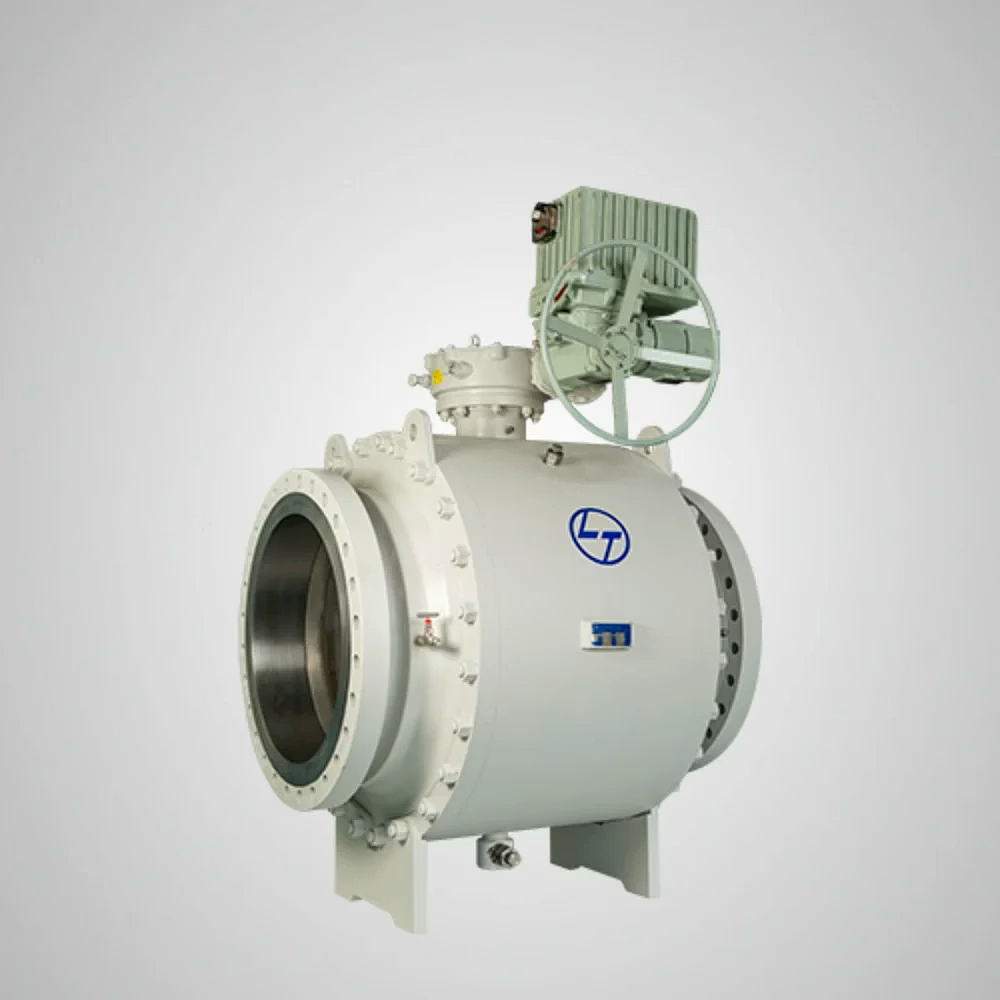
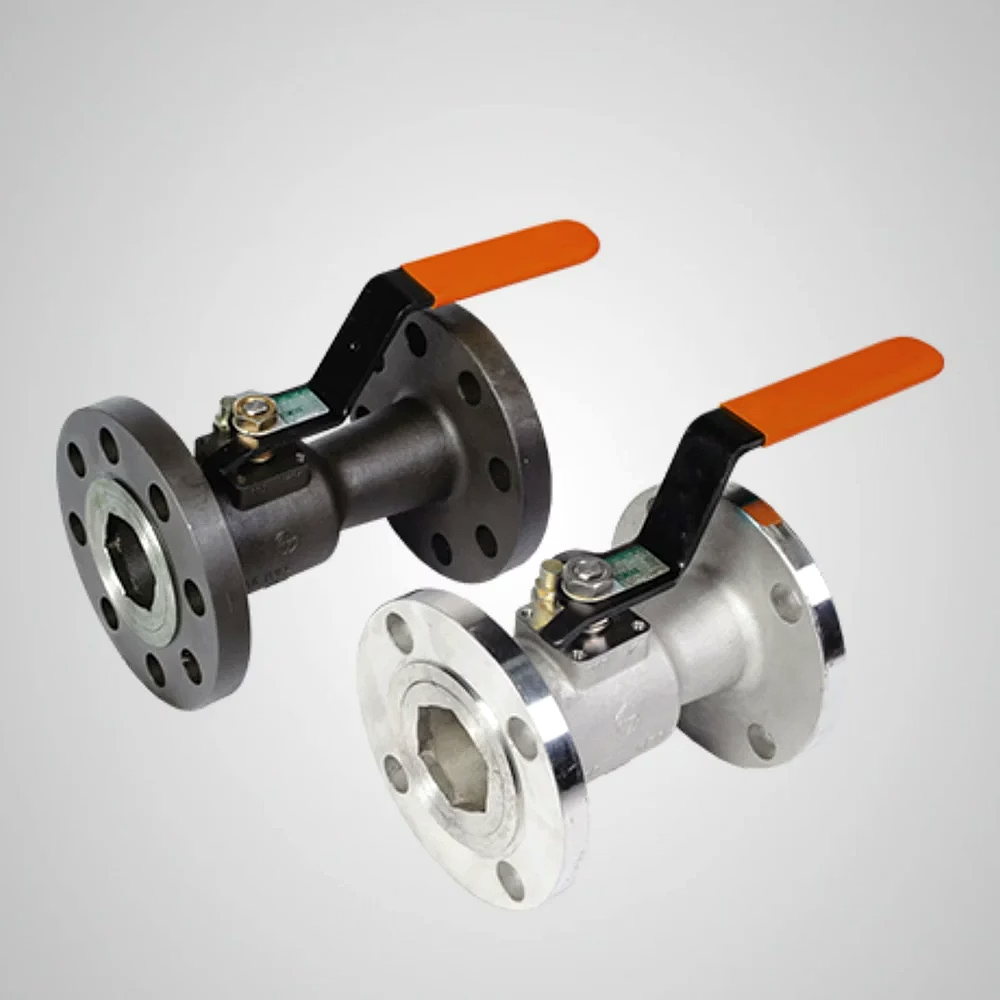
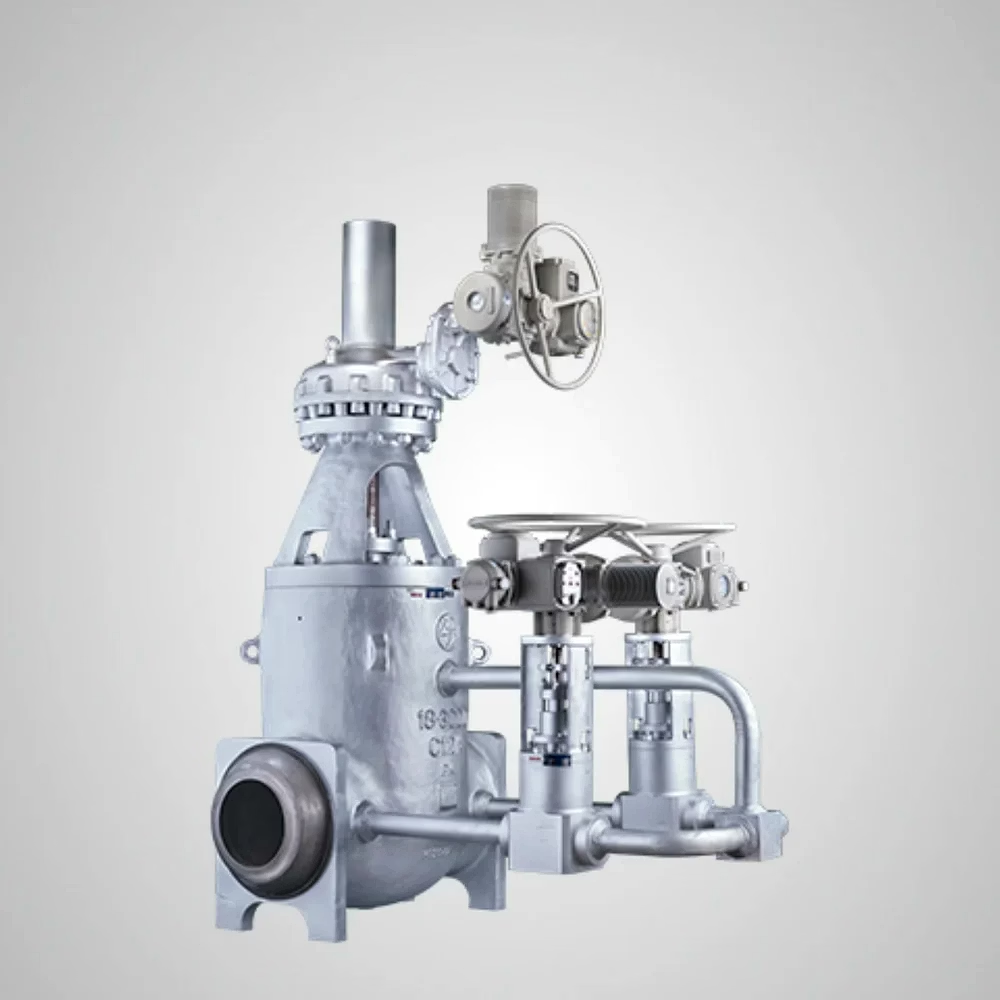
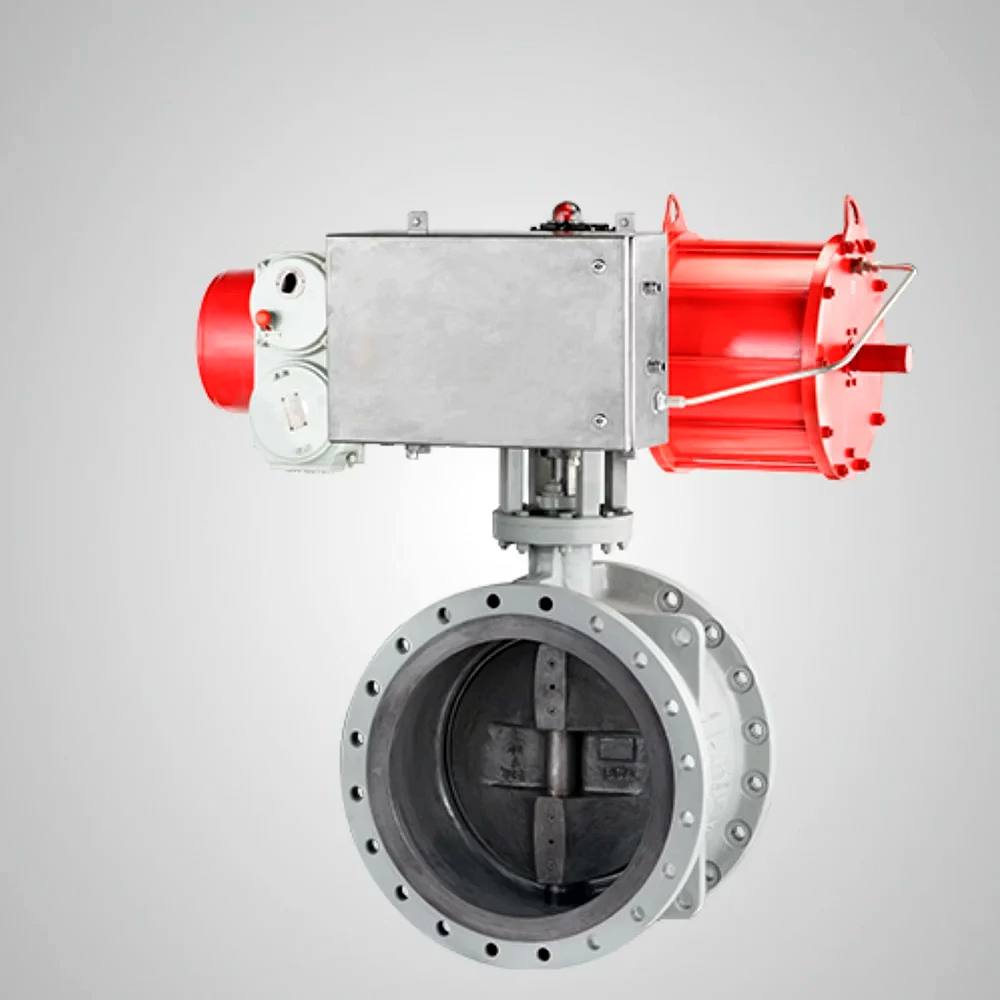
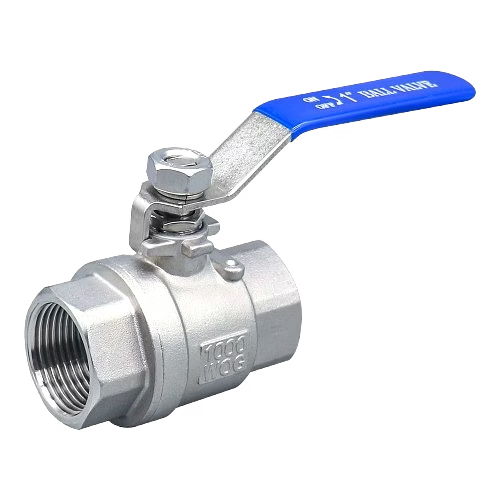
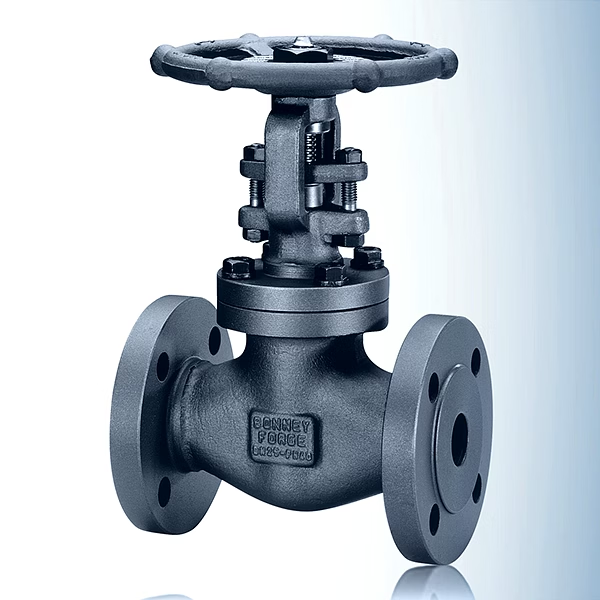
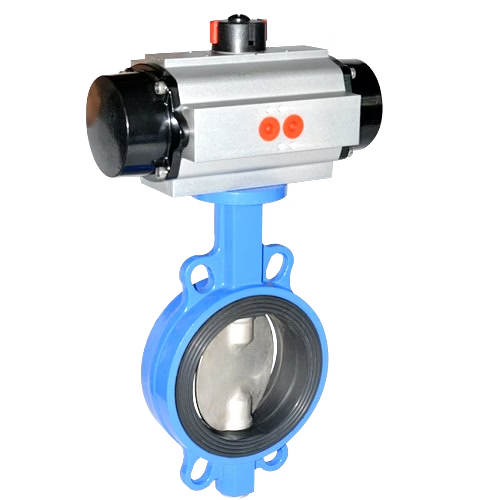
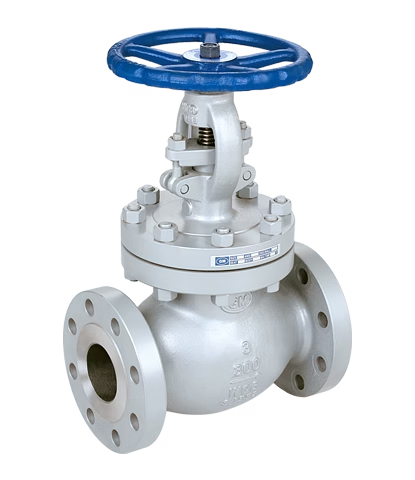
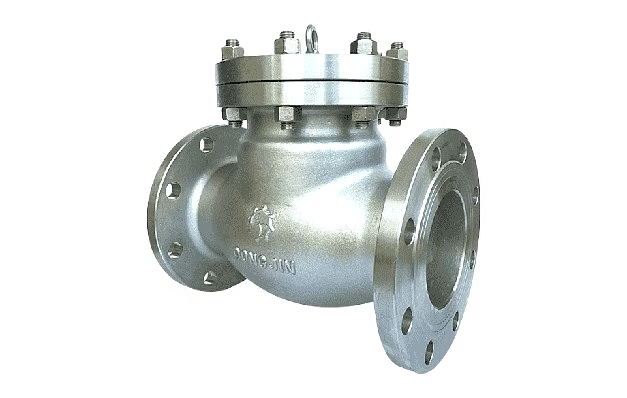
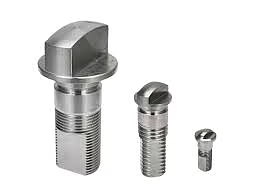
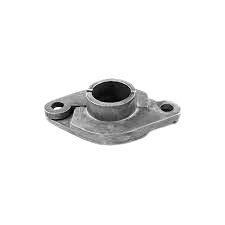
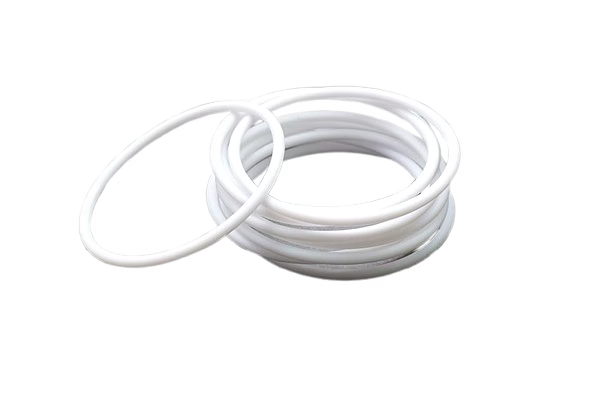
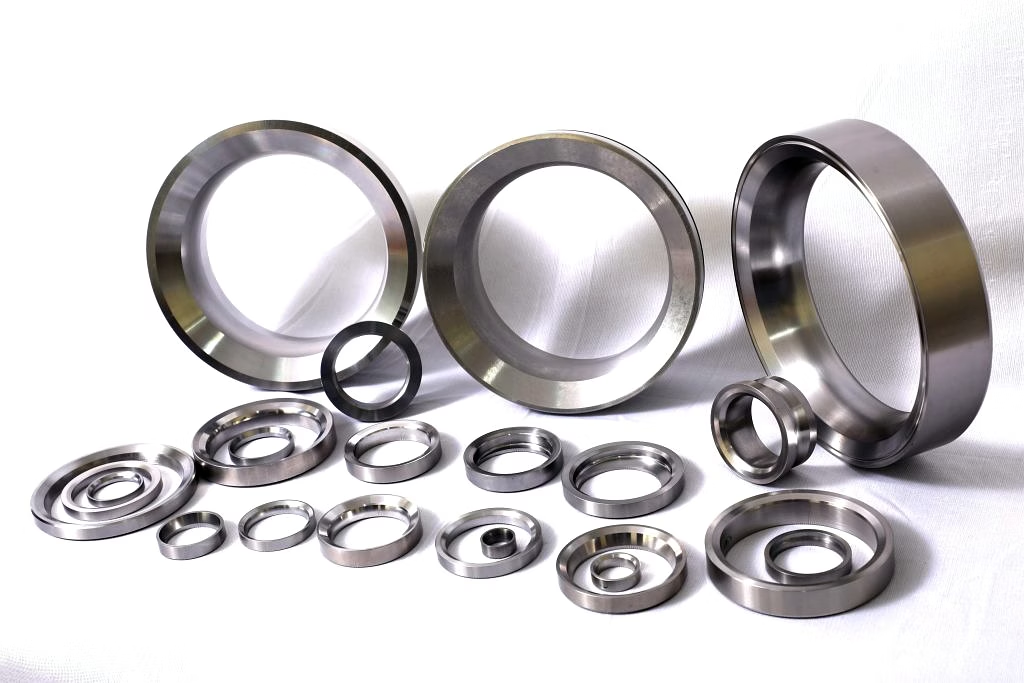
Valve seats are precision-engineered sealing components that form the critical interface within valves, providing a reliable and durable surface against which the valve disc, plug, or ball seals to control fluid flow. Specifically designed for diverse valve types including ball valves, globe valves, and control valves, these valve seats ensure tight shut-off and optimal valve operation under varied pressure and temperature conditions. Manufactured from a range of high-performance materials such as PTFE, RPTFE, PEEK, Devlon, and SS316 stainless steel, valve seats are engineered to offer exceptional wear resistance, excellent chemical compatibility, and superior thermal stability. This makes them indispensable in demanding industrial applications including oil & gas extraction, water treatment plants, chemical processing units, and pharmaceutical manufacturing where maintaining leak-free sealing and longevity is paramount. The valve seats' design choices—soft seats like PTFE and RPTFE for low-pressure and versatile sealing, or metal seats for high-temperature and abrasive environments—directly influence valve leakage rates, torque performance, and overall maintenance cycles. Their precise machining and availability as either replaceable or integral components allow for enhanced operational reliability, reduced downtime, and cost efficiency in industrial valve systems.
Key Features
| Features | Description |
|---|---|
| Material Options | PTFE, RPTFE, PEEK, Devlon, SS316 stainless steel |
| Valve Compatibility | Ball valves, globe valves, and control valves |
| Sealing Performance | Provides tight shut-off to prevent leakages |
| Thermal Stability | Operates efficiently across a broad temperature range |
| Chemical Resistance | Resistant to corrosive and aggressive media |
| Durability | High wear resistance ensures extended service life |
| Design Variants | Available in replaceable and integral configurations |
| Industry Applications | Oil & gas, water treatment, chemical processing, pharmaceuticals |
| Machining Precision | Crafted for exact fit to reduce valve torque and leakage |
| Soft vs Metal Seats | Soft seats for low pressure, metal seats for high temp and abrasion |
| Attributes | Description |
|---|---|
| Materials | PTFE, RPTFE, PEEK, Devlon, SS316 stainless steel |
| Compatible Valve Types | Ball, globe, control valves |
| Operating Temperature Range | Material dependent, typically up to 260°C for metals, up to 200°C for polymers |
| Pressure Compatibility | Suitable for low to high pressure systems depending on seat material |
| Sealing Type | Soft sealing and metal-to-metal sealing options |
| Replacement Type | Available as replaceable or integral seat designs |
| Industry Standards | Manufactured to meet industrial sealing and material standards |
| Resistance Properties | Chemical corrosion resistant, temperature stable, abrasion resistant |
*Disclaimer: The above description has been AI-generated and has not been audited or verified for accuracy. It is recommended to verify product details independently before making any purchasing decisions.
Metal seats made from SS316 stainless steel are ideal for high temperature and abrasive media due to their superior thermal stability and wear resistance.
Yes, PTFE valve seats offer excellent chemical compatibility, making them suitable for many chemical processing applications, especially where corrosion resistance and soft sealing are required.
Valve seats can be supplied as either replaceable inserts or integral parts of the valve body, depending on the valve design and maintenance strategy.
Soft seats like PTFE provide better sealing at low pressures with less torque, while metal seats are essential for withstanding higher temperatures, pressures and abrasive conditions but may require higher operating torque.
Industries such as oil & gas, water treatment, chemical processing, and pharmaceuticals commonly demand valve seats with high chemical and thermal resistance to maintain safe and efficient operations.
Country Of Origin: India
Valve seats are essential sealing components within valves that provide a surface against which the valve disc, plug, or ball rests to stop or regulate flow. They are critical in ensuring tight shut-off and efficient operation of valves under various pressure and temperature conditions. Made from materials such as PTFE, RPTFE, PEEK, Devlon, or metals like SS316, valve seats are used in ball valves, globe valves, and control valves. They are widely used in industries such as oil & gas, water treatment, chemical processing, and pharmaceuticals, where reliable sealing and durability are essential.
Valve seats are designed for high wear resistance, chemical compatibility, and thermal stability. Their performance directly affects the valve’s leakage rate, torque requirement, and service life. Soft seats (like PTFE, RPTFE) offer better sealing in low-pressure systems, while metal seats withstand high temperatures and abrasive media. Seats can be replaceable or integral, depending on valve design. Precision machining and proper seat selection enhance operational reliability and reduce maintenance. Their role is critical in ensuring leak-free, safe, and efficient fluid control.