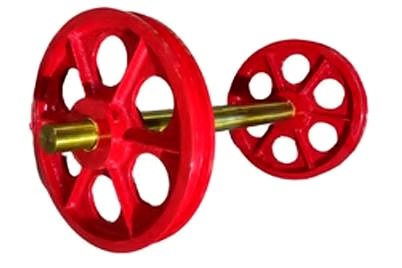
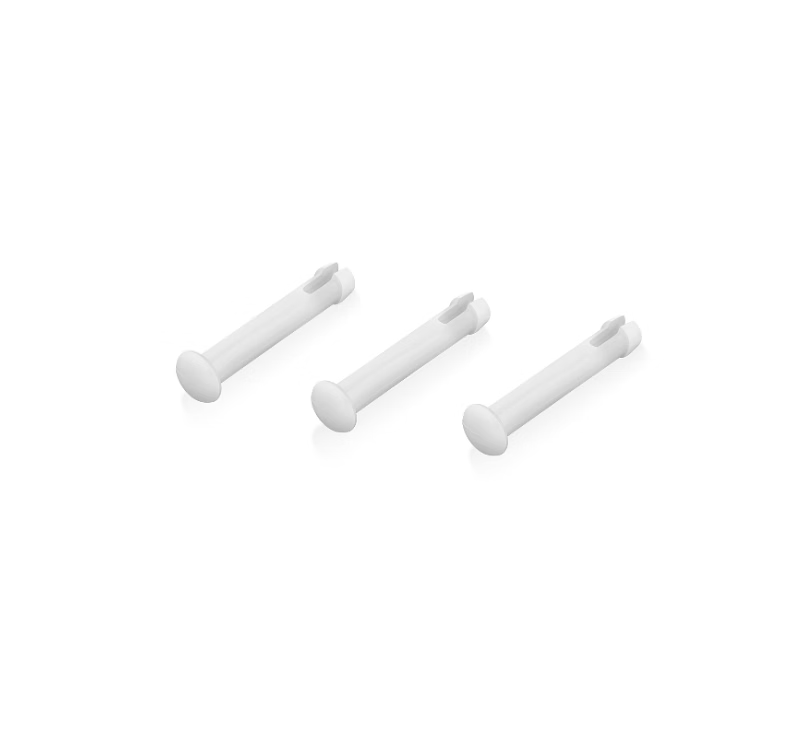
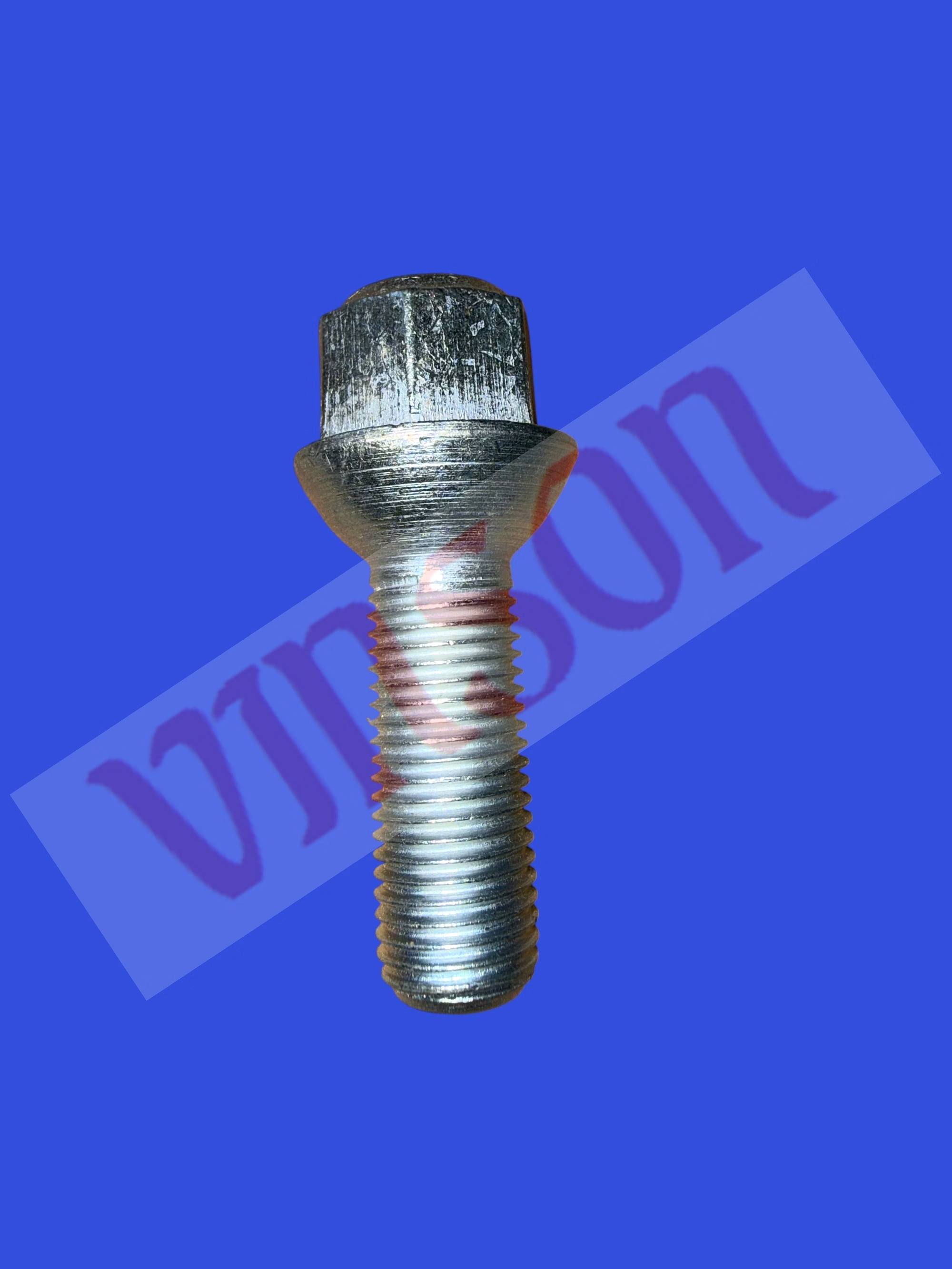
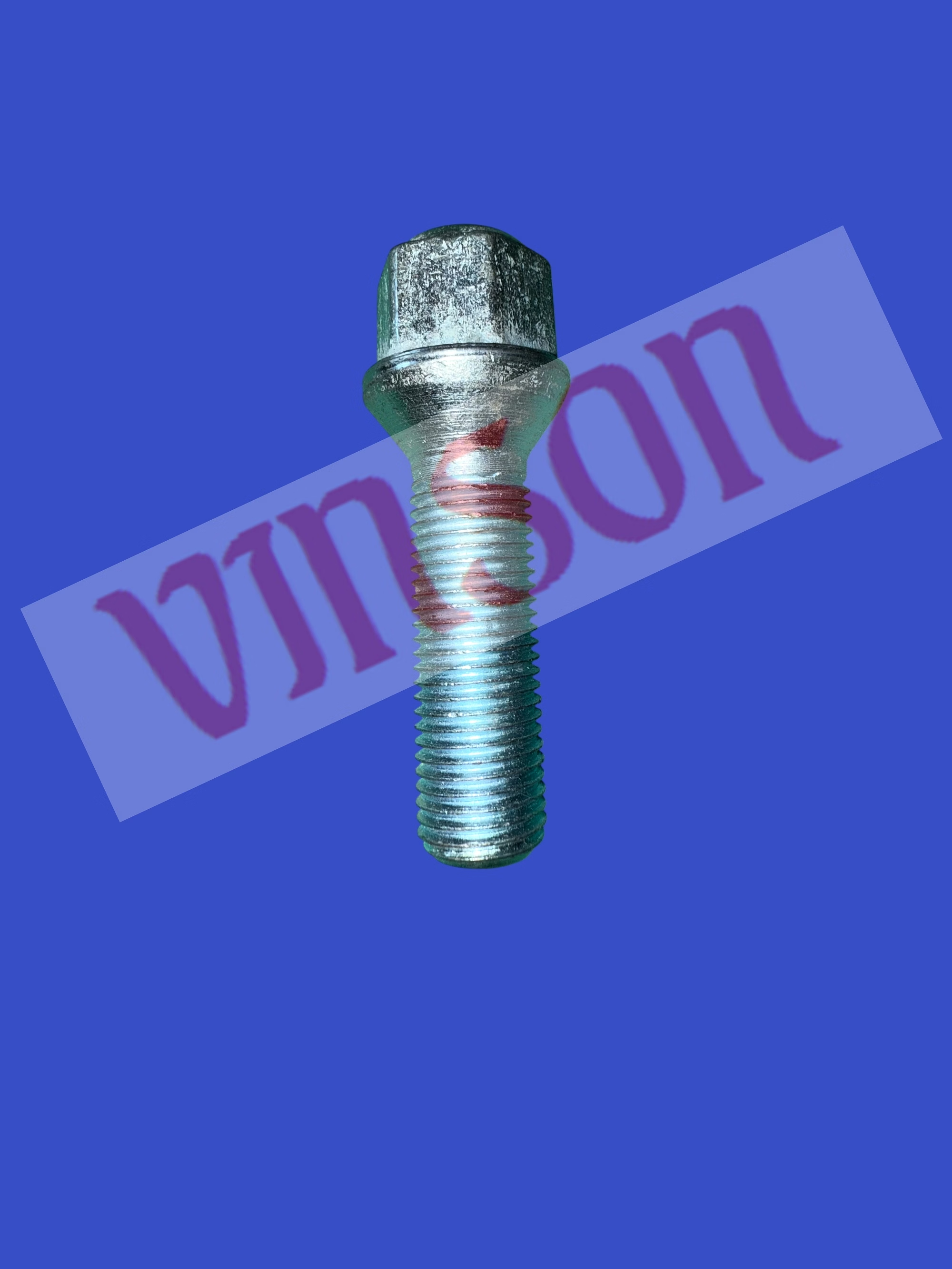
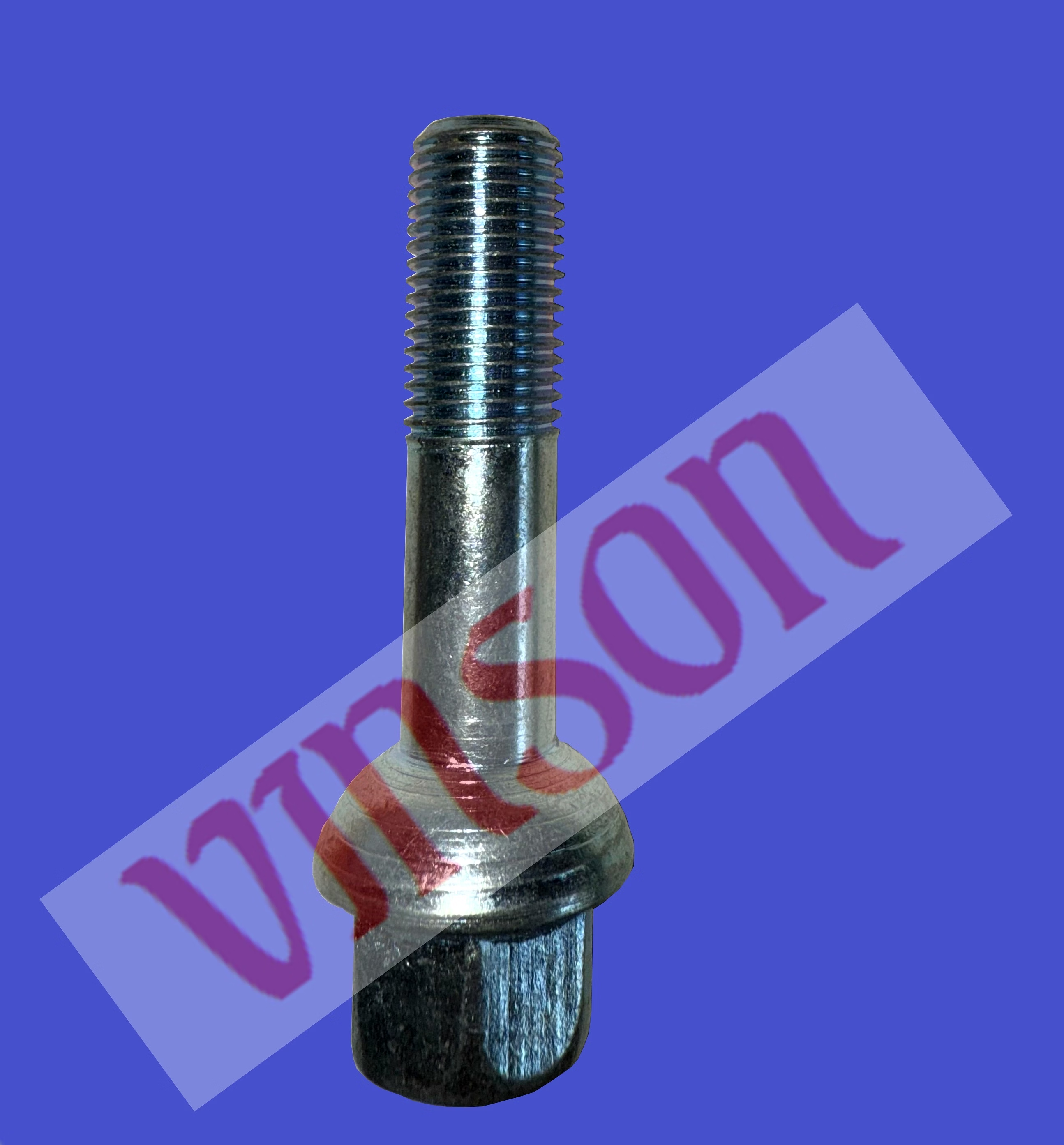
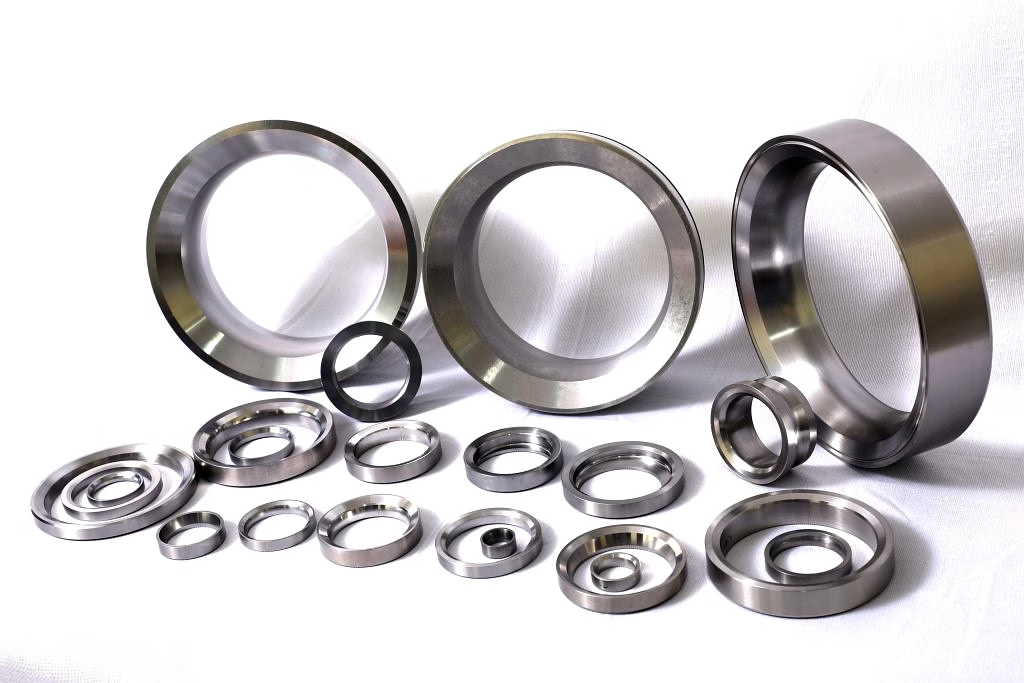
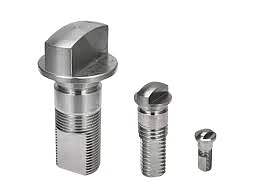
Valve stems are essential components designed to connect the actuator or handwheel to the internal mechanism of valves such as gate, globe, ball, and butterfly valves. They enable precise control of flow by transmitting linear or rotary motion to move valve plugs, discs, or balls. Engineered from robust materials including stainless steel, brass, and alloy steel, these stems withstand extreme pressure, temperature variations, and corrosive environments, making them ideal for demanding industries like oil & gas, chemical processing, water treatment, and power generation. Valve stems feature precision threading, surface hardening, and anti-corrosive coatings to ensure durability, reliability, and leak prevention in dynamic operational conditions. Available in rising and non-rising types, valve stems are critical for maintaining alignment, sealing integrity, and efficient valve operation throughout their lifecycle.
Key Features
| Features | Description |
|---|---|
| Material Construction | Stainless steel, brass, or alloy steel ensuring high strength and corrosion resistance |
| Valve Compatibility | Suitable for gate, globe, ball, and butterfly valves |
| Stem Type | Available in rising and non-rising types for visual position indication or space-saving |
| Surface Treatment | Includes surface hardening and anti-corrosive coatings for enhanced durability |
| Pressure & Temperature Resistance | Designed to withstand high pressures and varying temperature ranges |
| Sealing Support | Compatible with packing glands and seals to prevent leakage around stem |
| Motion Transmission | Capable of converting actuator or handwheel motion to linear or rotary valve operation |
| Industry Applications | Ideal for oil & gas, water treatment, chemical processing, and power generation |
| Precision Threading | Ensures tight alignment and smooth stem movement under operational loads |
| Attributes | Description |
|---|---|
| Material Options | Stainless Steel, Brass, Alloy Steel |
| Valve Types Supported | Gate, Globe, Ball, Butterfly |
| Stem Design | Rising or Non-Rising |
| Coatings | Anti-corrosion coatings, surface hardened |
| Operational Pressure Range | High pressure ratings as per valve specifications |
| Temperature Range | Compatible with high-temperature process environments |
| Motion Type | Linear or Rotary |
| Leakage Prevention | Packing gland and seal compatible |
| Length & Diameter | Customizable as per valve dimensions |
*Disclaimer: The above description has been AI-generated and has not been audited or verified for accuracy. It is recommended to verify product details independently before making any purchasing decisions.
Valve stems are commonly manufactured from stainless steel, brass, or alloy steel, as these materials provide high strength and excellent resistance to corrosion in demanding industrial environments.
A rising valve stem moves vertically to provide a visual indication of valve position, whereas a non-rising valve stem remains stationary and is advantageous in applications where space is limited.
Yes, valve stems can be customized in terms of length, diameter, threading, and material to meet specific valve designs, pressure classes, and fluid compatibility needs.
Surface hardening techniques and anti-corrosive coatings are applied to valve stems to improve wear resistance, prevent corrosion, and extend operational lifespan during repeated motion.
Valve stems are designed to work with packing glands and seals to prevent leakage around the stem area, which is critical for maintaining valve integrity and avoiding fluid loss.
Country Of Origin: India
Valve stems are critical components that connect the actuator or handwheel to the internal valve mechanism, allowing controlled opening and closing. They transmit linear or rotary motion to move the valve plug, disc, or ball. Made from materials such as stainless steel, brass, or alloy steel, valve stems are designed to withstand high pressure, temperature, and corrosion. Commonly used in gate, globe, ball, and butterfly valves, they may be rising or non-rising types. Valve stems are vital for efficient flow regulation in industries like oil & gas, water treatment, chemical processing, and power generation.
Valve stems ensure reliable valve operation by maintaining alignment and sealing under dynamic conditions. They often include precision threading, surface hardening, and anti-corrosive coatings to enhance durability. In many designs, stems are paired with packing glands and seals to prevent leakage around the stem area. Rising stems offer visual position indication, while non-rising stems save space. Proper stem selection based on pressure class, fluid compatibility, and mechanical load is essential for long-term valve performance and system safety.