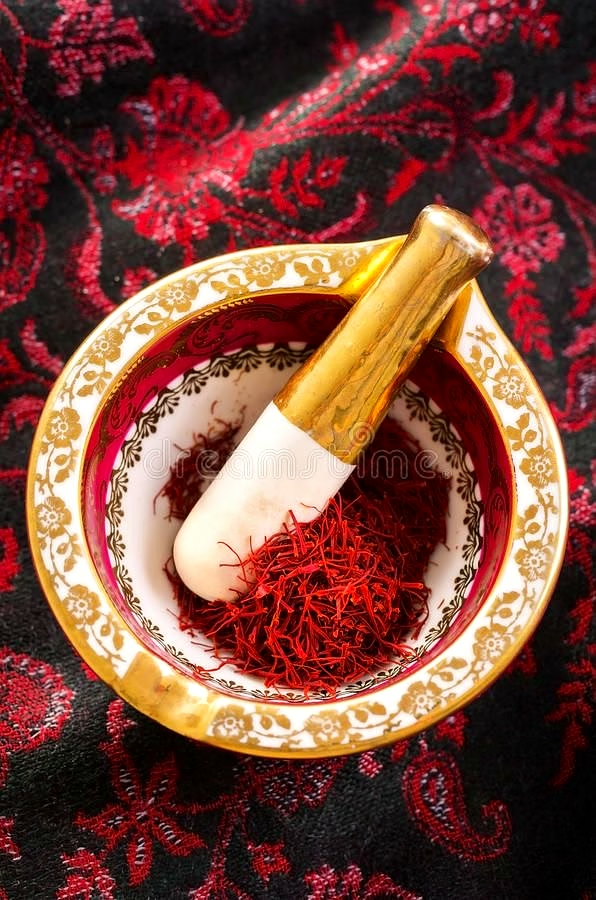
Saffron, derived from the stigmas of Crocus sativus flowers, is a premium spice known for its distinct aroma, vibrant color, and unique flavor. Beyond culinary applications, this high-value spice is celebrated for its traditional medicinal uses, including antioxidant and anti-inflammatory properties, as well as mood-enhancing potential. Cultivated under precise conditions, saffron requires manual harvesting of thousands of flowers to produce a small quantity of spice, emphasizing its labor-intensive nature and premium pricing. It is also valued in cultural ceremonies, cosmetics, and natural dye production, making it a versatile product in various industries. To ensure product authenticity and quality, sourcing from trusted suppliers is critical, given the prevalence of counterfeit saffron in the marketplace.
Key Features
| Features | Description |
|---|---|
| Source | Stigmas of Crocus sativus flowers |
| Harvesting Method | Handpicked stigmas from each flower |
| Uses | Culinary, medicinal, ceremonial, cosmetics, natural dyes |
| Medicinal Properties | Antioxidant, anti-inflammatory, mood enhancement |
| Quality Considerations | High risk of counterfeit; requires purchase from reputable suppliers |
| Production Requirement | Thousands of flowers needed for a small spice yield |
| Color and Aroma | Vibrant red-orange stigmas with a distinctive aroma |
| Cultural Significance | Used in traditional ceremonies and rituals |
| Attributes | Description |
|---|---|
| Botanical Name | Crocus sativus |
| Form | Dried stigmas (threads) |
| Color | Bright red-orange |
| Aroma | Distinctive, pungent, and slightly sweet |
| Flavor Profile | Subtle earthy, slightly bitter with sweet floral undertones |
| Harvest Season | Autumn |
| Packaging | Airtight, moisture-proof containers to preserve quality |
| Shelf Life | 12-24 months when stored properly |
| Origin | Insufficient Information |
| Certification | Insufficient Information (ensure ISO or organic certification if applicable) |
*Disclaimer: The above description has been AI-generated and has not been audited or verified for accuracy. It is recommended to verify product details independently before making any purchasing decisions.
Businesses should procure saffron only from reputable suppliers who provide certifications such as ISO or organic certifications. Additionally, testing for color, aroma, and microscopic examination of stigmas can help verify authenticity.
Saffron should be stored in airtight, moisture-proof containers away from direct sunlight and heat to preserve its aroma, color, and potency for up to 24 months.
Yes, high-quality saffron is often used in cosmetics due to its natural dye properties and antioxidant benefits, but it must meet purity standards and avoid adulteration.
The labor-intensive harvesting involves handpicking the delicate stigmas from each flower daily during the brief bloom period, requiring significant manual effort and precision.
Saffron is known for its antioxidant and anti-inflammatory effects and is researched for potential mood enhancement and treatment of depressive symptoms, making it valuable for pharmaceutical or nutraceutical applications.
Country Of Origin: India
In addition to its culinary uses, saffron has been traditionally used in various cultures for its medicinal properties. It's believed to have antioxidant and anti-inflammatory effects, and some studies suggest potential benefits for mood enhancement and treating conditions like depression.
Saffron cultivation is demanding, requiring a large number of flowers to produce a small amount of spice. The labor-intensive harvesting process involves carefully collecting the stigmas from each flower by hand. This contributes to the high cost of saffron.
Due to its rich history and cultural significance, saffron has also found applications in traditional ceremonies, cosmetics, and natural dyes. However, it's essential to be cautious of counterfeit or low-quality saffron, as its high value can attract fraudulent practices in the market. Always purchase saffron from reputable sources to ensure authenticity and quality.
Stay informed with the latest market trends, quality guides, and industry analysis