• Key Features & Attributes
  • Ratings & Reviews
  • Know your Supplier
  • Product description from supplier

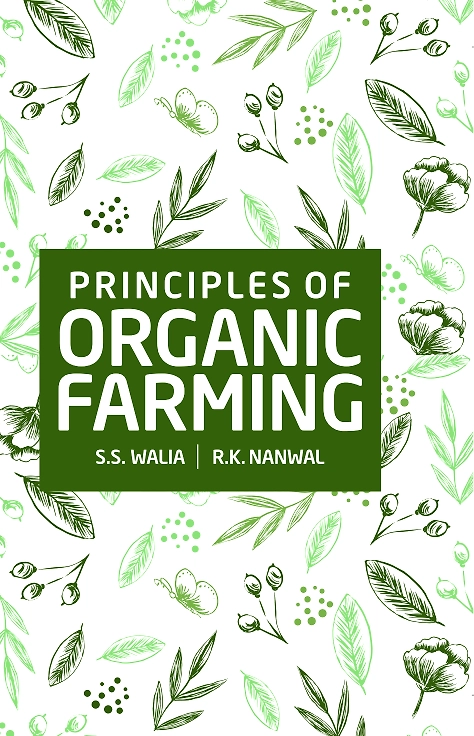
Principles of Organic Farming (Hardback, S.S.Walia & R.K.Nanwal)

Brand: nipa

Inclusive of all taxes

The 'Principles of Organic Farming' textbook, authored by S.S. Walia and R.K. Nanwal, serves as an essential resource for students, educators, and practitioners in the field of agriculture. This hardback edition offers a thorough exploration of organic farming principles, tracing its historical roots and examining modern initiatives to promote sustainable agricultural practices. It includes comprehensive content on organic ecosystems, effective nutrient and weed management strategies, biological insect control, and disease management methods tailored for organic environments. Further, the book provides valuable insights into organic production requirements, detailing national programs for certification, food processing, and handling. The text emphasizes the economic impacts of organic farming and addresses marketing issues, particularly in dryland areas, making it an invaluable tool for small and marginal farmers aiming to enhance their income. Moreover, the content covers integrated organic farming systems and good agricultural practices (GAPs), ensuring readers have a well-rounded understanding of the key components of successful organic agriculture. By presenting lessons learned from field experiences, this textbook equips readers with practical knowledge, reinforcing the importance of research and education in advancing organic farming methods.

Key Features

Features Description
Authors S.S. Walia & R.K. Nanwal
Format Hardback
Comprehensive Content Covers aspects including nutrient management, pest control, and economic viability.
Target Audience Students, educators, and practitioners in organic agriculture.
Historical Context Includes the history of organic farming and promotional initiatives.
Real-World Applications Focuses on lessons learned from organic farming practices.
Attributes Description
Book Title Principles of Organic Farming
Authors S.S. Walia & R.K. Nanwal
Edition Hardback
Publisher [Publisher's Name]
Publication Year [Publication Year]
ISBN [ISBN Number]
Number of Pages [Number of Pages]
Language English

*Disclaimer: The above description has been AI-generated and has not been audited or verified for accuracy. It is recommended to verify product details independently before making any purchasing decisions.

Be the first to write a review

The textbook covers organic ecosystems, nutrient management, weed management, biological insect management, disease management, national certification programs, food processing, economic considerations, marketing of organic products, and more.

Students, educators, and professionals in agriculture looking to enhance their understanding of organic farming practices and principles.

Yes, it contains a special focus on organic farming practices in dryland areas and highlights their economic benefits.

Yes, S.S. Walia and R.K. Nanwal are renowned experts in organic farming, making their insights invaluable for readers.

Absolutely! It serves as both an introductory text and an in-depth resource for various aspects of organic farming.

  • Incorporation Type

  • GST

  • GST Registration Date

  • Number of Employees

  • Import Export Code (IEC)

  • Year of Establishment

  • Nature of Business

  • GlobalLinker Member Since

Brand: nipa

Country Of Origin: India

The textbook Principles of Organic Farming provides extensive and comprehensive information on various aspects of organic farming, including its definition, characteristics, and fundamental principles. The book also covers the history of organic farming and the initiatives taken to promote organic agriculture, as well as the concepts of organic ecosystems, nutrient management, weed management, insect management, and disease management. It also delves into the requirements for organic production, national programs for organic production and certification, and food processing and handling. Additionally, the book covers organic postharvest handling, economic considerations, marketing, and export of organic products, organic farming in dryland areas, integrated organic farming systems, and good agricultural practices and their strategies. The book also includes lessons learned from organic farming.
1.Organic Farming Introduction, 2.History, Initiatives Taken for Promotion of Organic Agriculture, 3. Organic Ecosystem and Their Concepts, 4.Organic Nutrient Management, 5.Organic Weed Management, 6.Biological Insect Management, 7.Organic Diseases Management, 8.Organic Production Requirements, 9.National Program for Organic Production and Certification, 10. Food Processing and Handling, 11. Organic Farming Practices: Postharvest Handling, 12. Economic Considerations, Viability, Export and Marketing of Organic Products, 13. Role of Organic Farming in Enhancing the Income of Smalland Marginal Farmers in Dryland Areas, 14. Integrated Organic Farming Systems, 15. Good Agricultural Practices (GAP)-Concept Strategies,16. Lessons Learnt From Organic Farming,References 

Agriculture And Farm Consultants

Agro Farming Services

nipa

Organic Farming

Organic Ecosystems

Nutrient Management

Pest Control

Book

S.S. Walia

R.K. Nanwal

Economic Viability

Good Agricultural Practices

Principles of Organic Farming (Hardback, S.S.Walia & R.K.Nanwal)

Brand: nipa

Inclusive of all taxes

You Save: 0
Send Inquiry
nipa genx electronic resources & solutions

North Delhi , India

Service Provider , Manufacturer, Professional Services, Brand Owner, Distributor, Exporter, Importer, Wholesaler, Startup

  • Secure
    Transaction

  • Day
    Dispatch

Report a problem with this product

Market Insights

Stay informed with the latest market trends, quality guides, and industry analysis

How the Indian Black Pepper Market is Shaping Global Prices and Demand

Understand how India's black pepper market influences global prices, demand, and sourcing strategies for exporters, buyers, and spice traders.