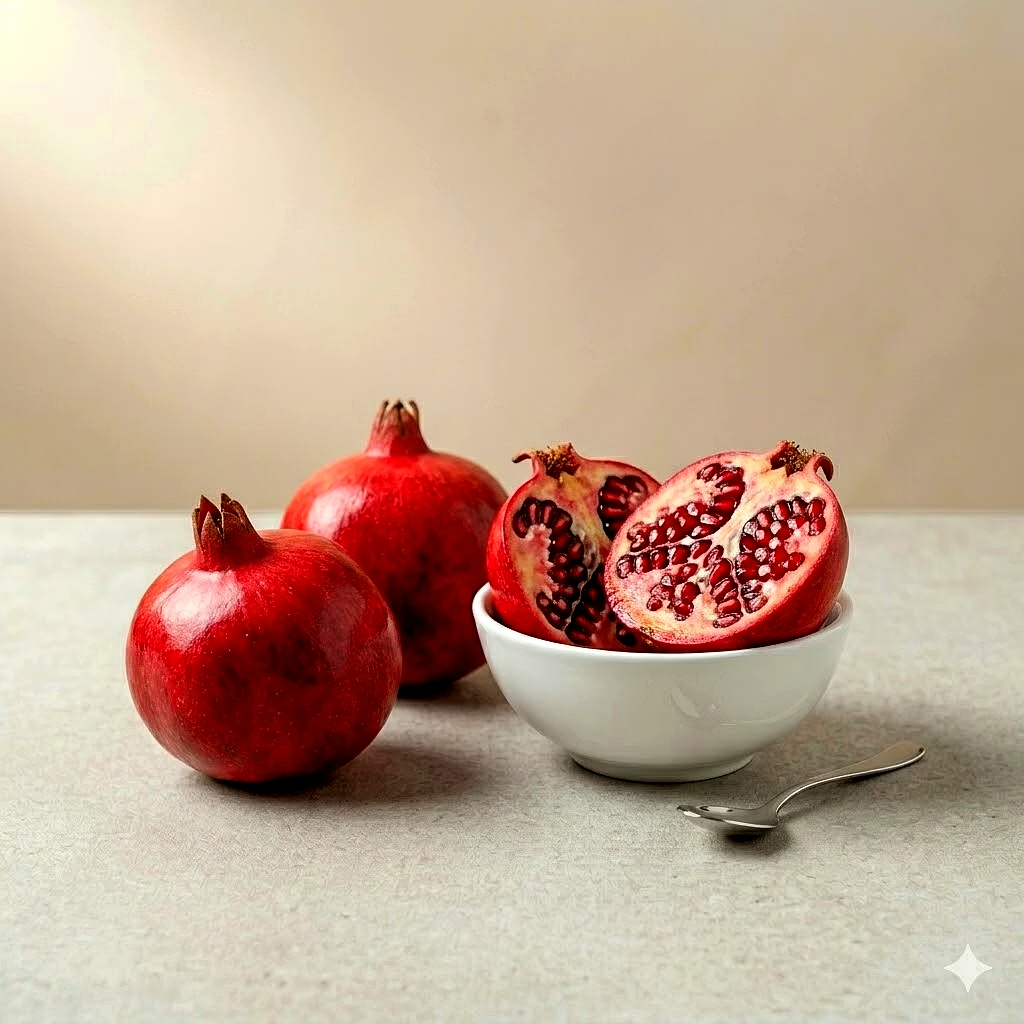
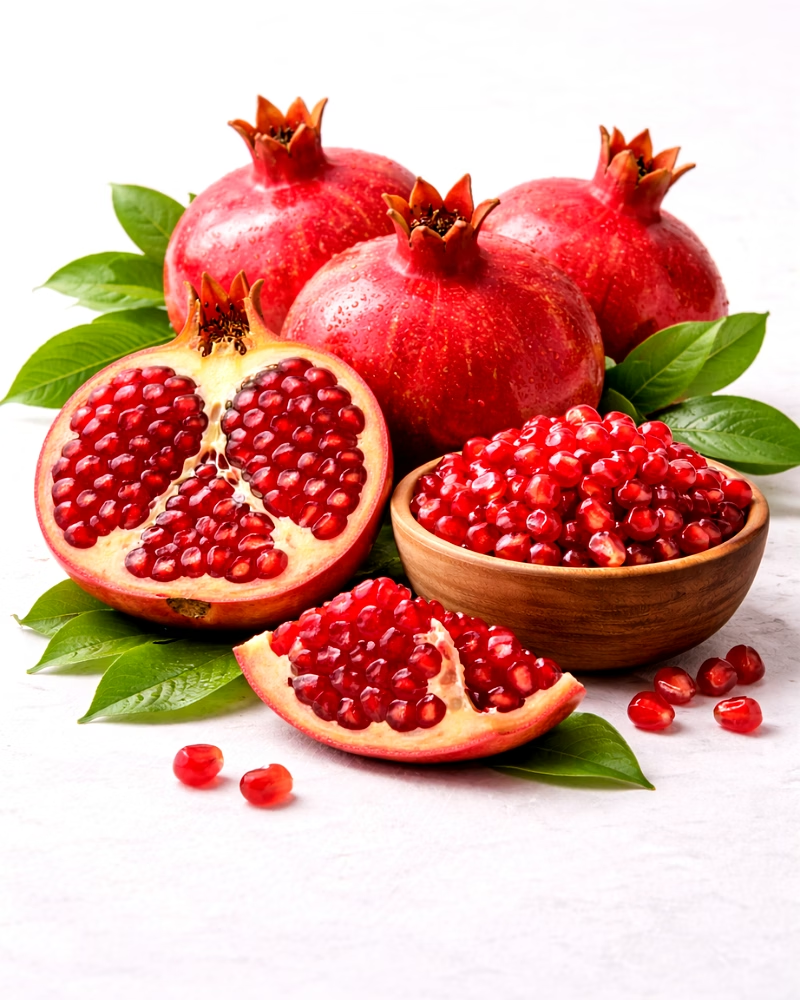
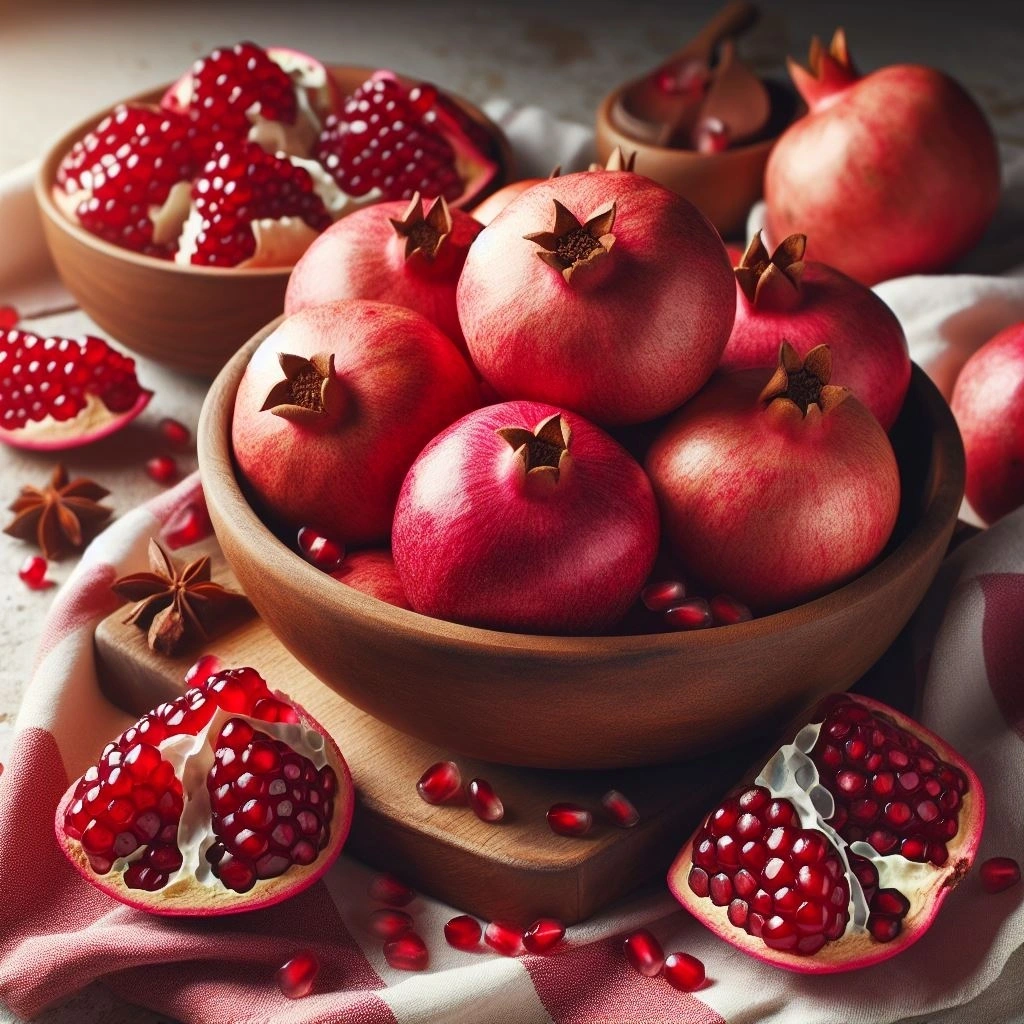
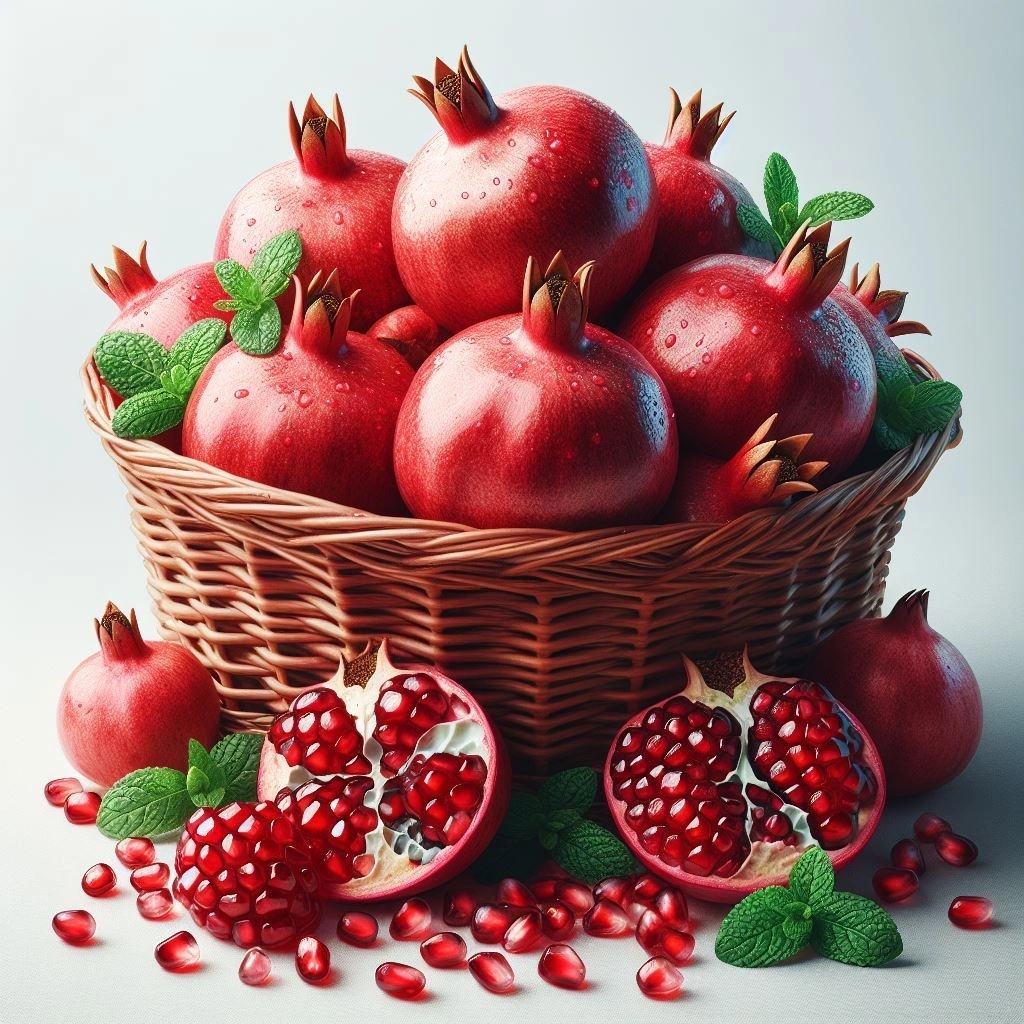
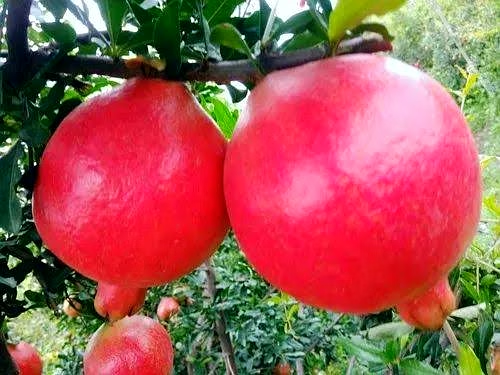
Pomegranate is a nutrient-rich tropical fruit, roughly the size of a large orange, characterized by its unique six-sided shape with a smooth leathery skin ranging from brownish yellow to vibrant red. Inside, the fruit is segmented into several chambers filled with numerous translucent reddish arils, each encapsulating an angular elongated seed. Renowned for its potent antioxidant properties, pomegranate supports cardiovascular health, kidney function, and gut microbiome balance. Additionally, its bioactive compounds may provide neuroprotective benefits potentially reducing the risk of Alzheimer's and Parkinson's diseases, as well as offering protective effects against certain types of cancer. This makes pomegranate an exceptional choice for health-oriented businesses focusing on natural superfoods, dietary supplements, and nutritional ingredients.
Key Features
| Features | Description |
|---|---|
| Fruit Size | Comparable to a large orange |
| Skin Texture | Smooth leathery skin |
| Skin Color Range | Brownish yellow to red |
| Internal Structure | Several chambers with transparent reddish arils |
| Seed Description | Angular elongated seeds |
| Antioxidant Content | High levels of powerful antioxidants |
| Health Benefits | Supports heart, kidney, and gut microbiome health |
| Neuroprotective Properties | Potential protection against Alzheimer’s and Parkinson’s diseases |
| Cancer Risk Reduction | May help protect from certain cancers |
| Attributes | Description |
|---|---|
| Botanical Name | Punica granatum |
| Fruit Weight | Approximately 200 to 300 grams per fruit |
| Harvest Season | Primarily September to February |
| Packaging Options | Available in bulk or retail packaging |
| Shelf Life | Up to 3 weeks when refrigerated |
| Storage Conditions | Keep refrigerated at 5-7°C for optimal freshness |
| Origin | Varies by supplier; commonly from India’s major pomegranate growing regions |
| Usage | Fresh consumption, juice production, dietary supplements, natural colorants |
| Nutritional Highlights | Rich in vitamins C, K, fiber, and antioxidants such as punicalagins |
*Disclaimer: The above description has been AI-generated and has not been audited or verified for accuracy. It is recommended to verify product details independently before making any purchasing decisions.
Pomegranates can be supplied in bulk cartons suitable for wholesale distribution, or in customized retail packaging depending on buyer requirements.
Pomegranates should be kept refrigerated at temperatures between 5-7°C and handled carefully to avoid bruising, ensuring up to 3 weeks of shelf life.
Yes, the fruit's arils contain high antioxidant content making them ideal for juice production and incorporation into dietary supplements.
The seeds are edible and can be consumed along with the arils; industrially, they may be processed for oil extraction or dietary fiber.
Organic certification availability depends on the supplier; buyers should request specific certification details during procurement.
Country Of Origin: India
They have powerful antioxidants that can help protect the health of your heart, kidneys, and gut microbiome. They may also help protect you from Alzheimer's disease, Parkinson's disease, and some cancers.