• Key Features & Attributes
  • Ratings & Reviews
  • Know your Supplier
  • Product description from supplier

PBAT Polybutylene Adipate Terephthalate

Inclusive of all taxes

PBAT (Polybutylene Adipate Terephthalate) is a high-performance biodegradable copolymer specifically engineered for sustainable packaging and flexible film applications. Composed of adipic acid, 1,4-butanediol, and terephthalic acid, PBAT offers exceptional flexibility, toughness, and compostability, making it ideal for manufacturing a variety of eco-friendly products. It is extensively used in producing biodegradable polybags, flexible packaging films, straws, spoons, forks, and agricultural mulch films. PBAT’s unique structure allows it to degrade naturally under industrial composting conditions, leaving no toxic residues, and thus aligns perfectly with global environmental regulations and the growing demand for sustainable materials. Its versatility supports applications ranging from food packaging and shopping bags to compostable refuse bags and biodegradable cutlery. With excellent processability on conventional plastic extrusion and film-blowing equipment, PBAT provides businesses a reliable biodegradable material alternative without compromising on mechanical performance or flexibility.

Key Features

Features Description
Biodegradability Engineered to fully biodegrade under industrial composting conditions with no harmful residues
Chemical Composition Copolymer of adipic acid, 1,4-butanediol, and terephthalic acid
Flexibility High flexibility making it ideal for films, bags, and flexible packaging
Applications Food packaging films, shopping bags, agricultural mulch films, compostable bags, biodegradable cutlery
Processability Compatible with conventional plastic extrusion and film-blowing machinery
Environmental Compliance Meets compostability standards, suitable for eco-conscious product manufacturing
Mechanical Properties Offers excellent toughness and elasticity for durable yet flexible end products
Attributes Description
Polymer Type Aliphatic-aromatic copolyester
Biodegradation Standard Complies with EN 13432 and ASTM D6400 standards
Melting Temperature Approximately 110-120°C
Tensile Strength Moderate to high tensile strength suitable for flexible films
Molecular Structure Block copolymer with both flexible and rigid segments
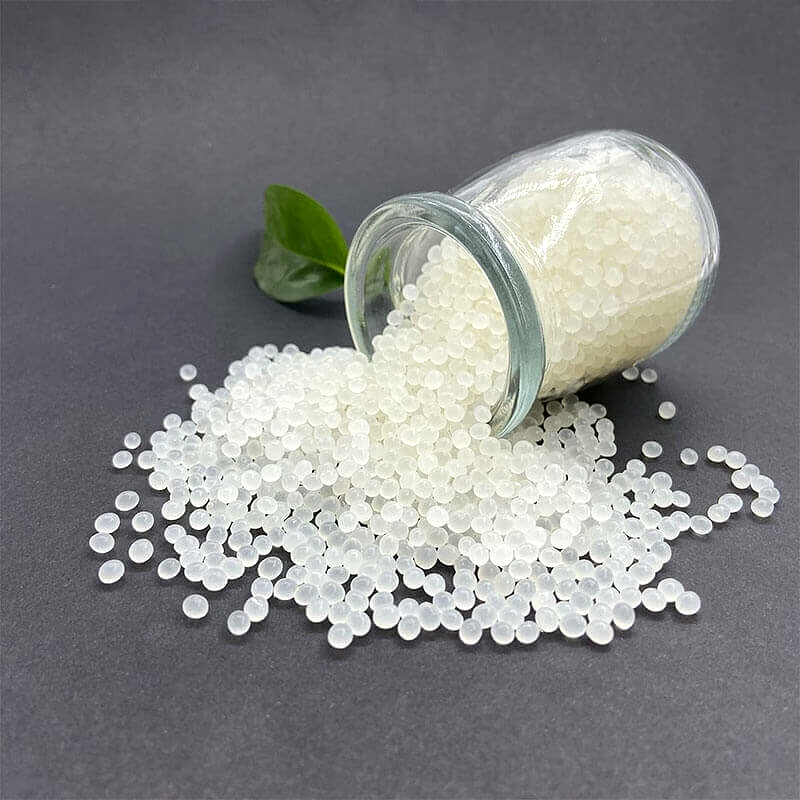
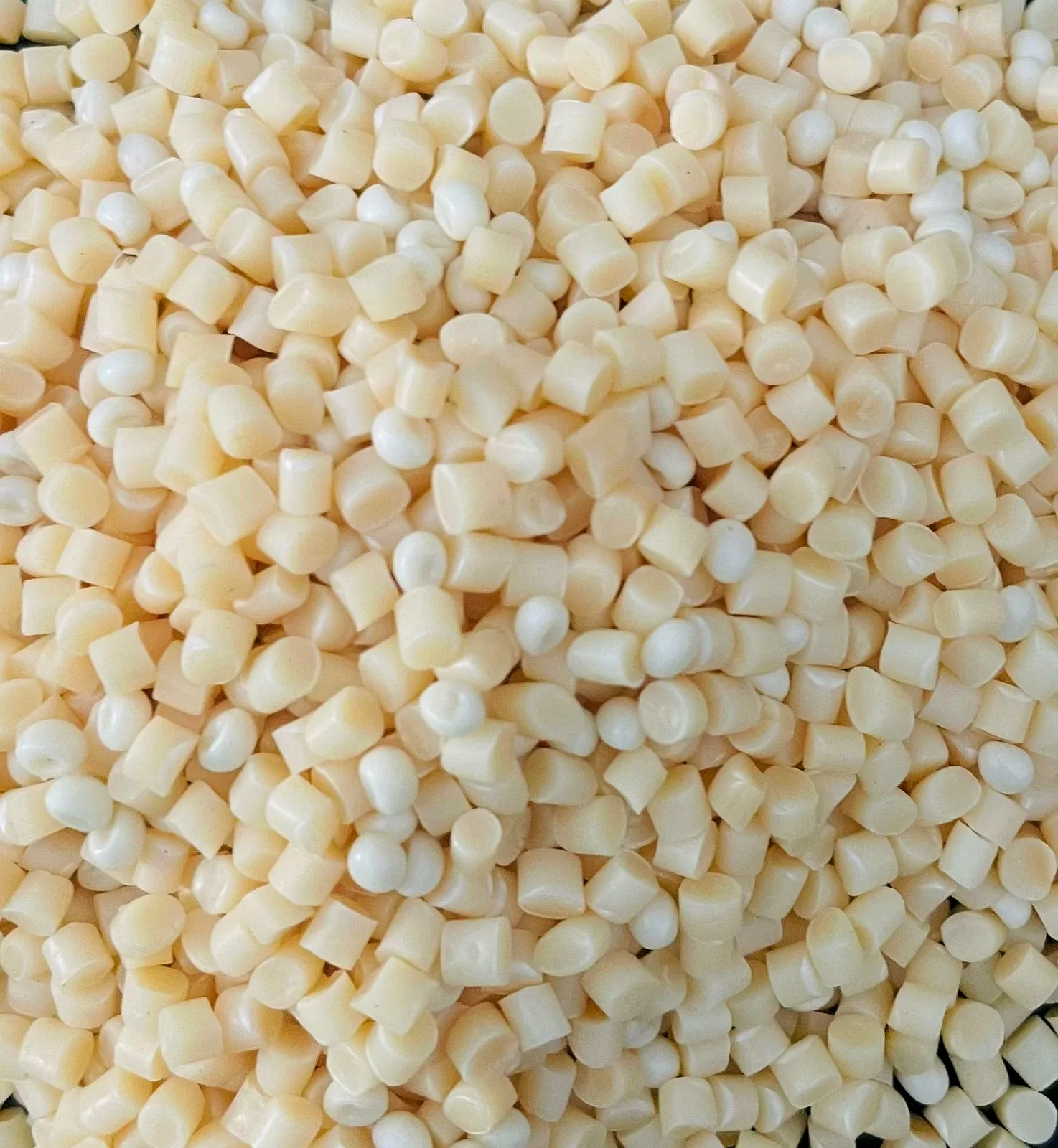
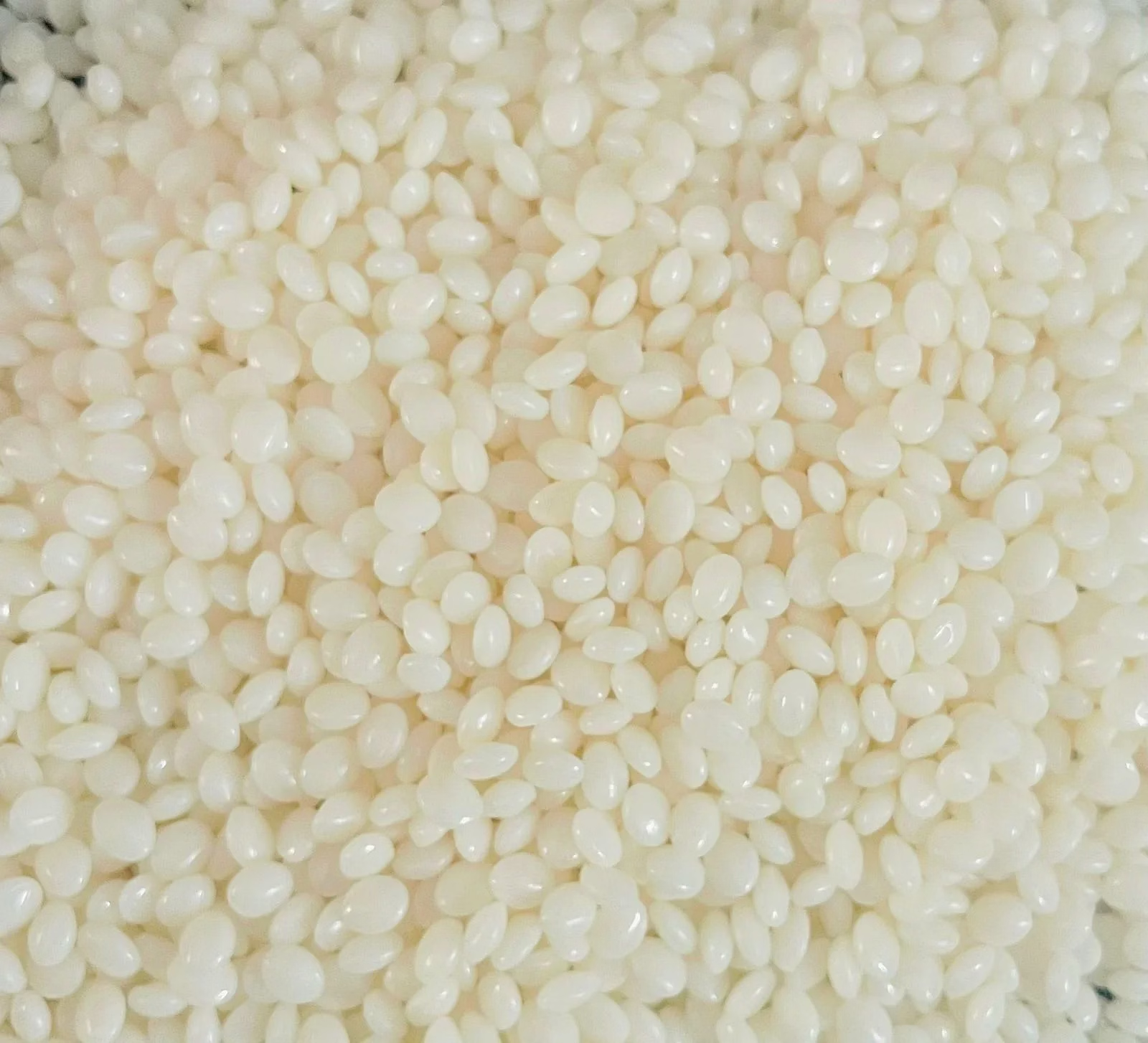
Appearance Typically translucent or off-white pellets or granules
Density Approximately 1.25 g/cm³
Processing Methods Extrusion, blown film, injection molding
End-of-Life Disposal Industrial composting and anaerobic digestion
Resistance Good chemical resistance to oils and greases

*Disclaimer: The above description has been AI-generated and has not been audited or verified for accuracy. It is recommended to verify product details independently before making any purchasing decisions.

Be the first to write a review

PBAT is safe for food contact applications and complies with international food packaging regulations due to its inert chemical composition and proven biodegradability under industrial composting conditions.

Yes, PBAT is designed for compatibility with conventional extrusion and blown film equipment, allowing manufacturers to switch to biodegradable films with minimal process adjustments.

Complete biodegradation of PBAT requires industrial composting conditions, typically involving controlled temperature (around 58°C), humidity, and microbial activity, resulting in decomposition within 3 to 6 months.

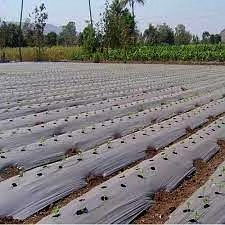
PBAT offers sufficient mechanical strength and flexibility for use in agricultural mulch films while ensuring that films biodegrade after the crop cycle, minimizing plastic residue in soil.

No, PBAT is formulated to break down into water, carbon dioxide, and biomass, leaving no harmful residues, making it an environmentally safe alternative to conventional plastics.

  • Incorporation Type

  • GST

  • GST Registration Date

  • Number of Employees

  • Import Export Code (IEC)

  • Year of Establishment

  • Nature of Business

  • GlobalLinker Member Since

Country Of Origin: China

PBAT, or Polybutylene Adipate Terephthalate, is a biodegradable plastic, often used as a substitute for conventional plastics, particularly in films. It's a copolymer composed of adipic acid, 1,4-butanediol, and terephthalic acid. PBAT is known for its flexibility and is commonly used in applications like food packaging, shopping bags, and agricultural films.

PBAT can be used for Manufacturing Bio degradable Polybag, flexible packaging, Straws, Spoons, Fork, 

Biodegradable:

PBAT is designed to break down naturally under specific conditions like composting, leaving behind no harmful residues. 

Applications:

Food Packaging:

PBAT is a popular choice for packaging various food items, including films, trays, and containers. 

Agricultural Films:

It's used for mulch films and other agricultural applications where biodegradability is desired. 

Compostable Bags:

PBAT is a key component in the production of compostable refuse bags and shopping bags. 

Other Applications:

PBAT can also be found in items like biodegradable cutlery and various other packaging solutions. 


Rubber And Plastics

Agricultural Plastic Products

PBAT Biodegradable Resin

Polybutylene Adipate Terephthalate

Compostable Plastic Film

Biodegradable Packaging Material

Flexible Biodegradable Plastic

Sustainable Plastic Resin

Eco-friendly Packaging Resin

Biodegradable Polybag Material

Agricultural Mulch Film Resin

PBAT Polybutylene Adipate Terephthalate

Inclusive of all taxes

You Save: 0

Send Inquiry
santulal and sons

Indore , India

Brand Owner, Exporter, Wholesaler, Startup

  • Secure
    Transaction

  • Free
    Delivery

  • Day
    Dispatch

Report a problem with this product