Polylactic Acid (PLA) is an innovative, sustainable thermoplastic derived from renewable biomass sources such as corn starch, cassava, sugarcane, and sugar beet pulp. Unlike conventional plastics produced from fossil fuels, PLA offers an eco-friendly alternative with a significantly lower carbon footprint, promoting circular economy principles. PLA is biodegradable under industrial composting conditions and exhibits excellent clarity, strength, and processability, making it highly suitable for various packaging applications, disposable tableware, and 3D printing filaments in the manufacturing sector. This bio-based polymer supports environmental sustainability by reducing reliance on petroleum-based plastics and enhances brand reputation for businesses prioritizing green materials.
Key Features
| Features | Description |
|---|---|
| Raw Material Source | Renewable biomass such as corn starch, cassava, sugarcane, and sugar beet pulp |
| Type | Biodegradable thermoplastic polyester |
| Environmental Benefit | Lower carbon footprint and bio-based, supporting circular economy |
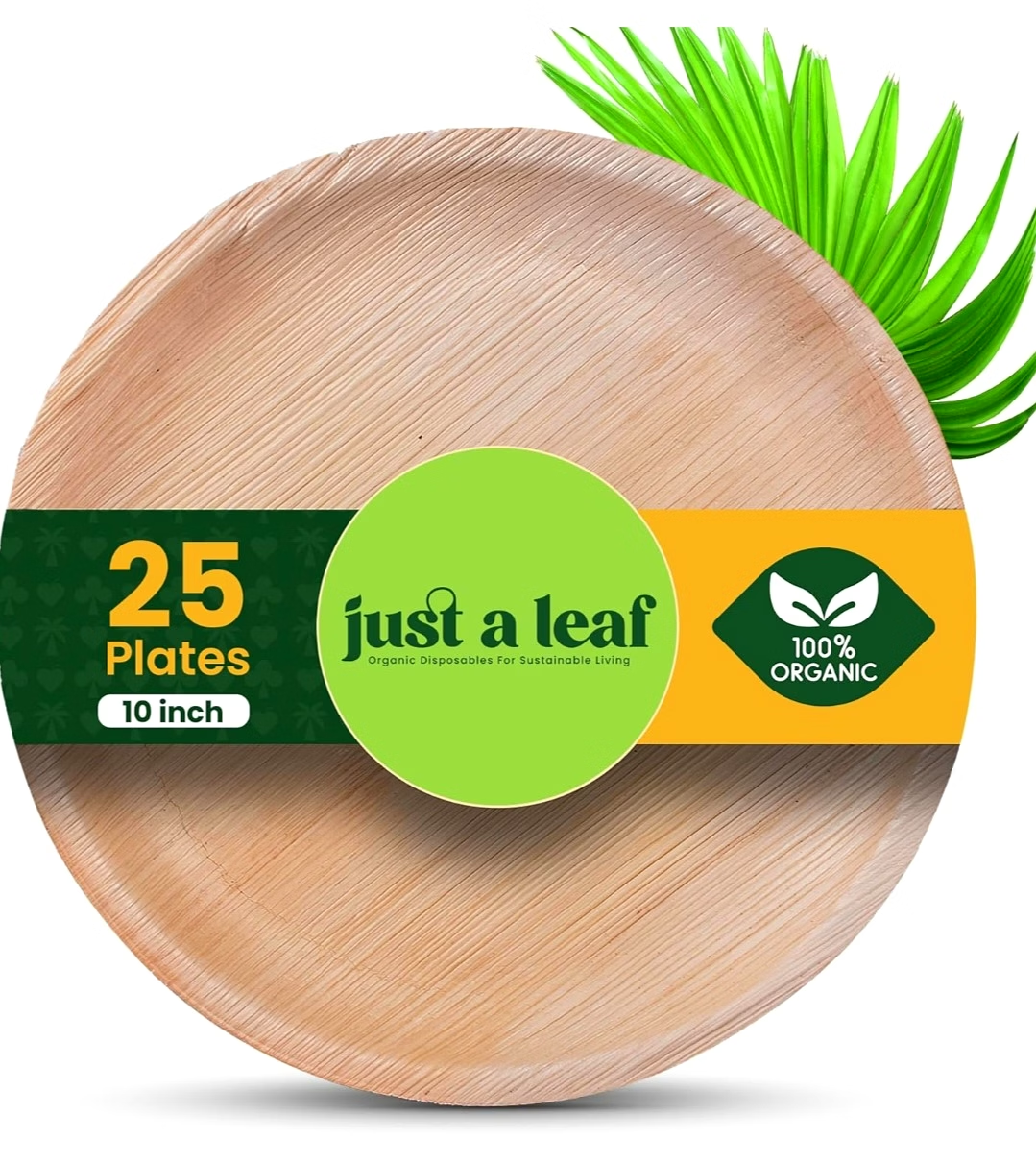
| Applications | Sustainable packaging, disposable tableware, 3D printing filaments |
| Biodegradability | Compostable under industrial composting conditions |
| Physical Properties | High clarity, good mechanical strength, and processability |
| Polymerization | Produced by fermentation and polymerization of lactic acid monomers |
| Non-Fossil Fuel Based | Manufactured using renewable plant resources, not petroleum |
| Feedstock Alternatives | Exploration of non-agricultural biomass sources underway |
| Attributes | Description |
|---|---|
| Chemical Structure | Polyester polymer of lactic acid monomers |
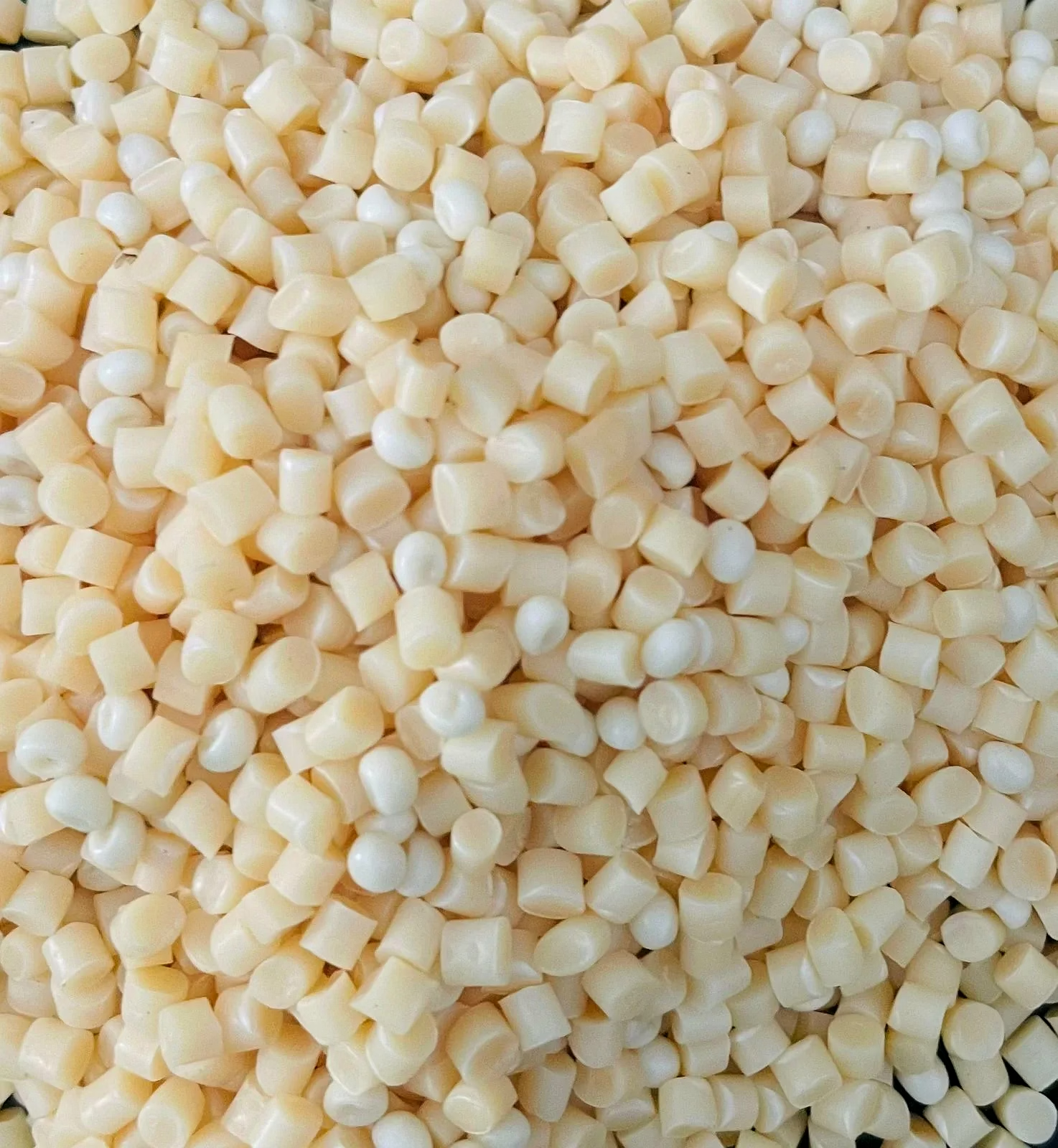
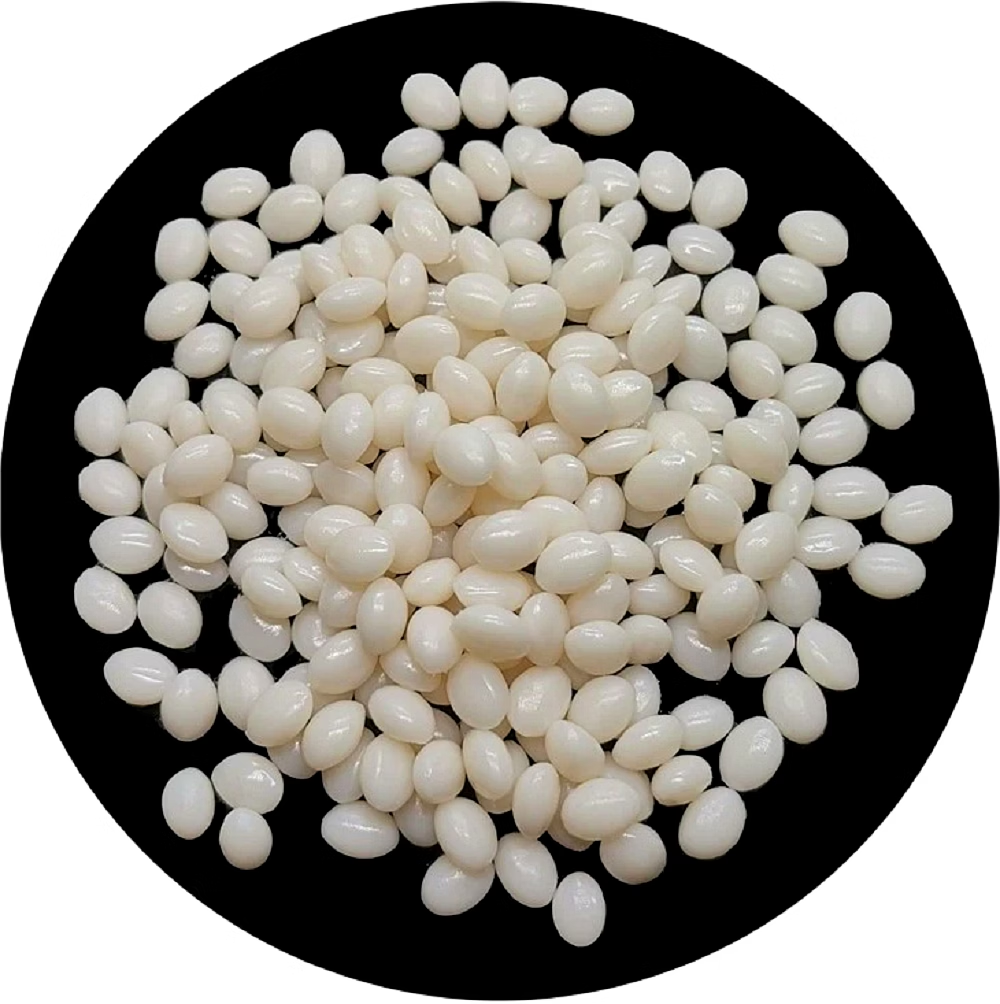
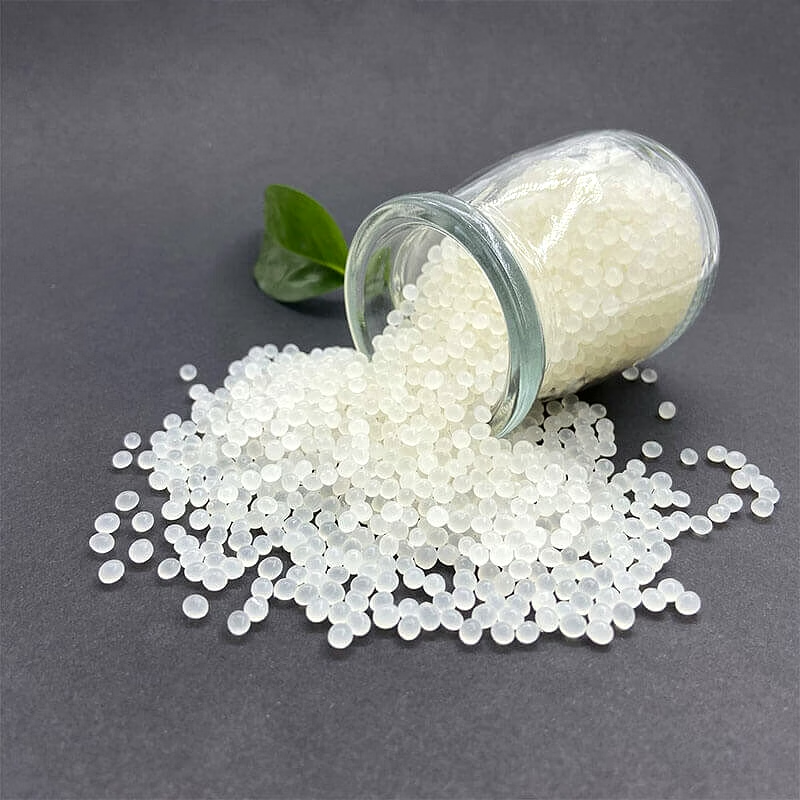
| Form | Granules, pellets, or filament form for processing |
| Melting Temperature | Approximately 150-160°C |
| Density | Approximately 1.24 g/cm³ |
| Tensile Strength | Typically 50-70 MPa |
| Elongation at Break | Less than 10% |
| Processing Methods | Injection molding, extrusion, blow molding, 3D printing |
| Degradation Conditions | Industrial composting environment with heat and moisture |
| Sustainability | Made from 100% renewable feedstock |
*Disclaimer: The above description has been AI-generated and has not been audited or verified for accuracy. It is recommended to verify product details independently before making any purchasing decisions.
PLA is predominantly produced from renewable biomass such as corn starch, cassava, sugarcane, and sugar beet pulp through fermentation and polymerization.
PLA is bio-based and compostable under industrial conditions, reducing dependence on fossil fuels and minimizing plastic waste, thereby supporting environmental sustainability in packaging.
PLA can be processed through injection molding, extrusion, blow molding, and is commonly used in 3D printing filament production.
PLA biodegrades efficiently under industrial composting conditions with controlled heat and moisture, but it degrades very slowly in natural environments like soil or marine settings.
Yes, manufacturers are investigating the use of non-agricultural feedstocks and alternative biomass sources to enhance sustainability and reduce competition with food production.
PLA offers good tensile strength (50-70 MPa) and high clarity, allowing it to be used for sturdy packaging and clear containers while maintaining ease of processing.
Country Of Origin: China
Polylactic acid, also known as PLA, is a thermoplastic monomer derived from renewable, organic sources such as corn starch or sugar cane. Using biomass resources makes PLA production different from most plastics, which are produced using fossil fuels through the distillation and polymerization of petroleum.
PLA is the talk of the sustainable packaging town. And for good reason, it’s a bioplastic made from renewable, plant-based materials like corn, cassava and sugarcane. This article will dive into PLA bioplastic, how it’s made, the environmental benefits and how it fits into the circular economy.
Polylactic acid or polylactide (PLA) is a polyester made from renewable biomass, typically from fermented plant starch like corn, cassava, sugarcane or sugar beet pulp. While the feedstock (raw material) currently doesn’t compete with food production, manufacturers are already investigating the use of non-agricultural feedstocks.
The environmental and economic advantages of PLA bioplastics over conventional plastics are measurable and significant.
Stay informed with the latest market trends, quality guides, and industry analysis