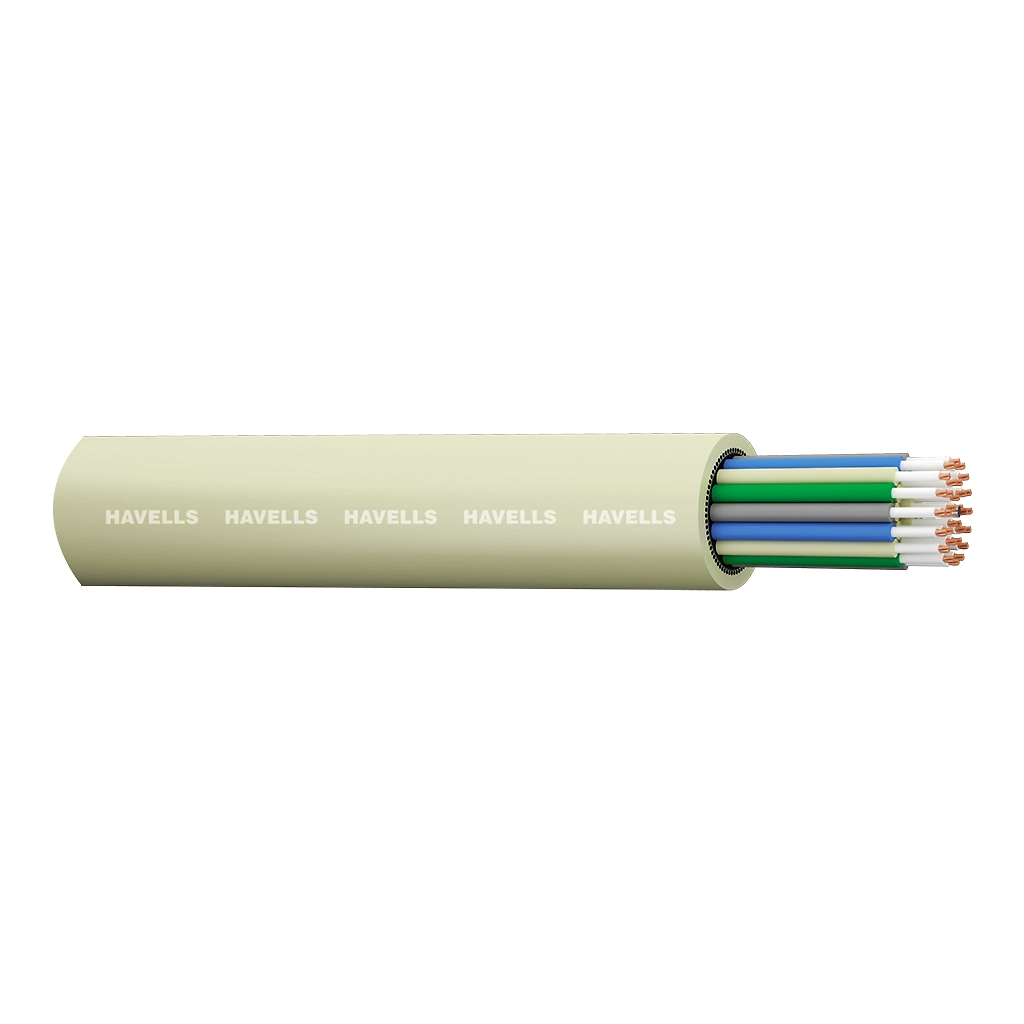
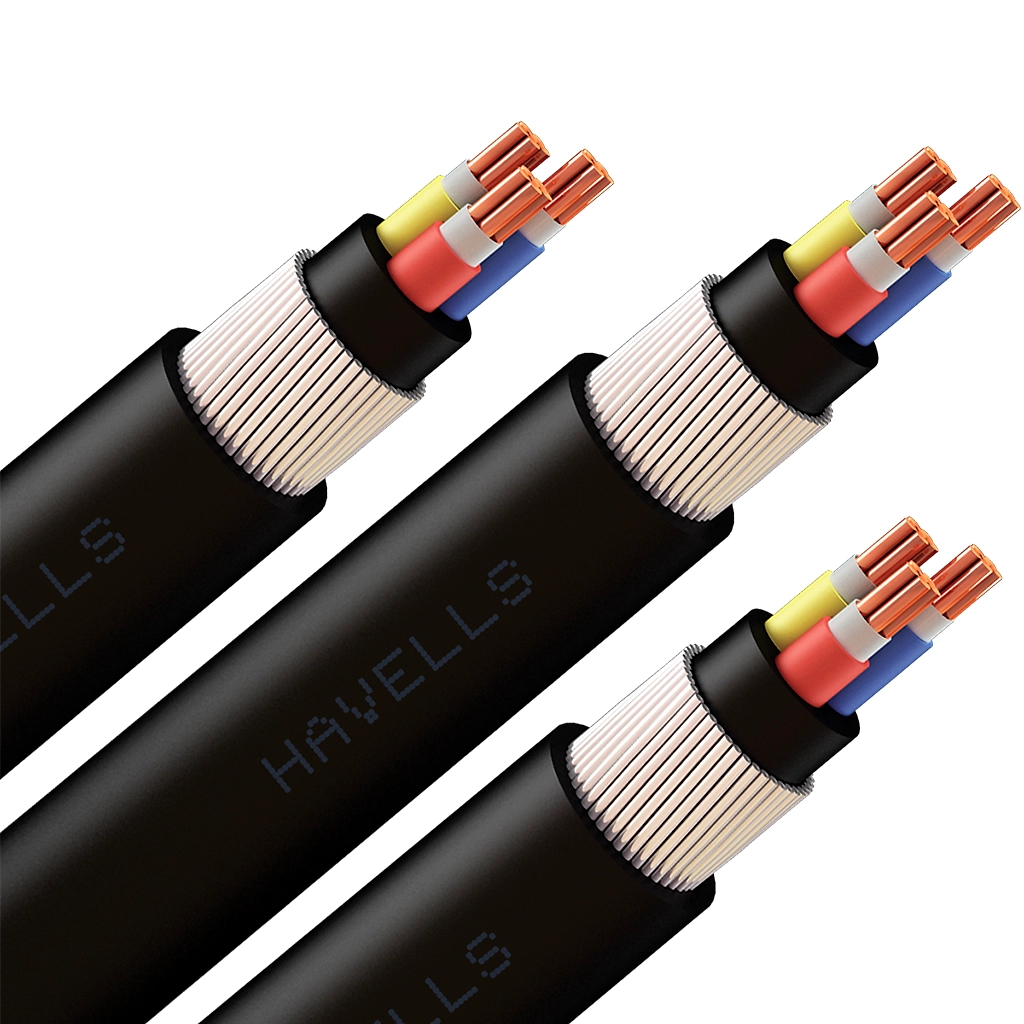
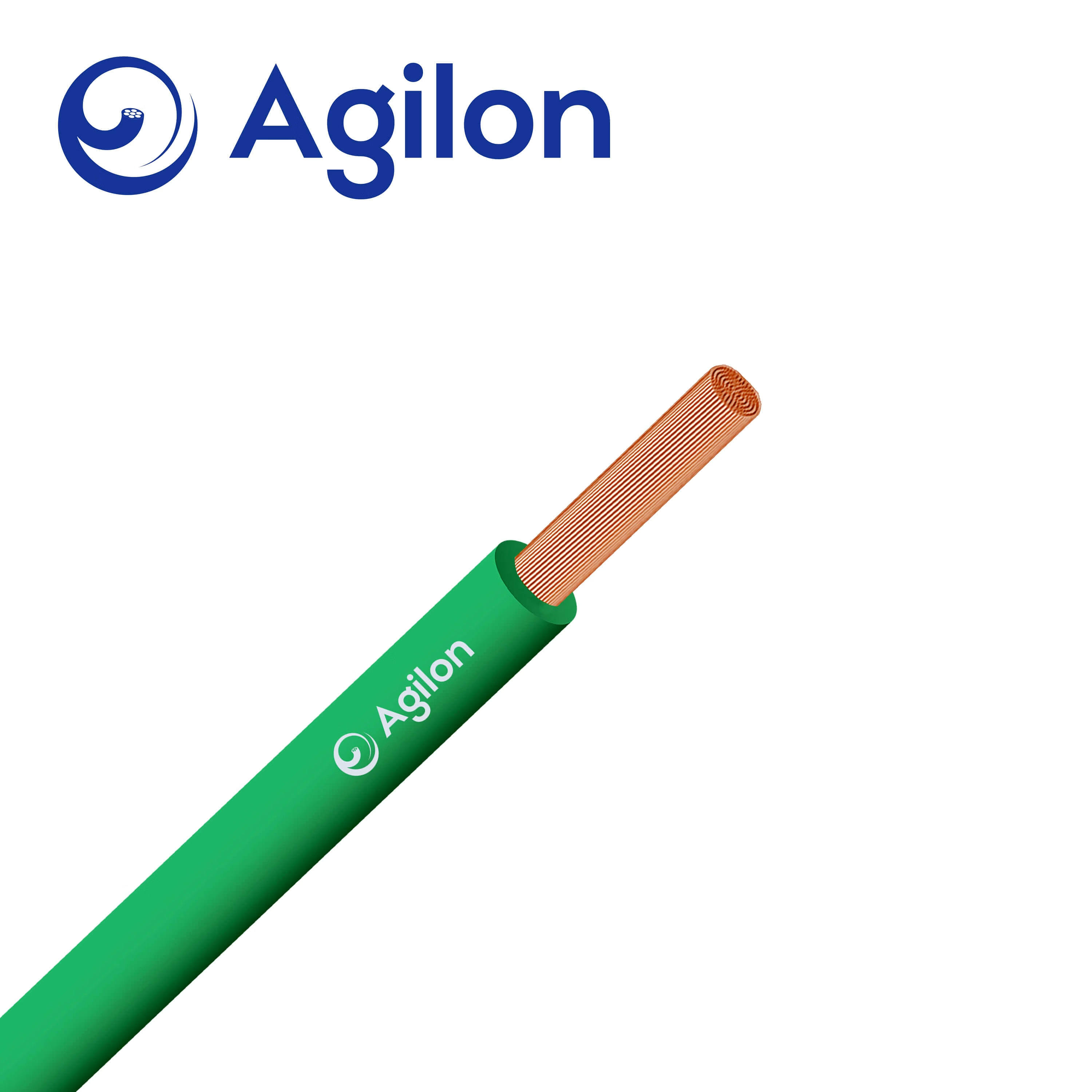
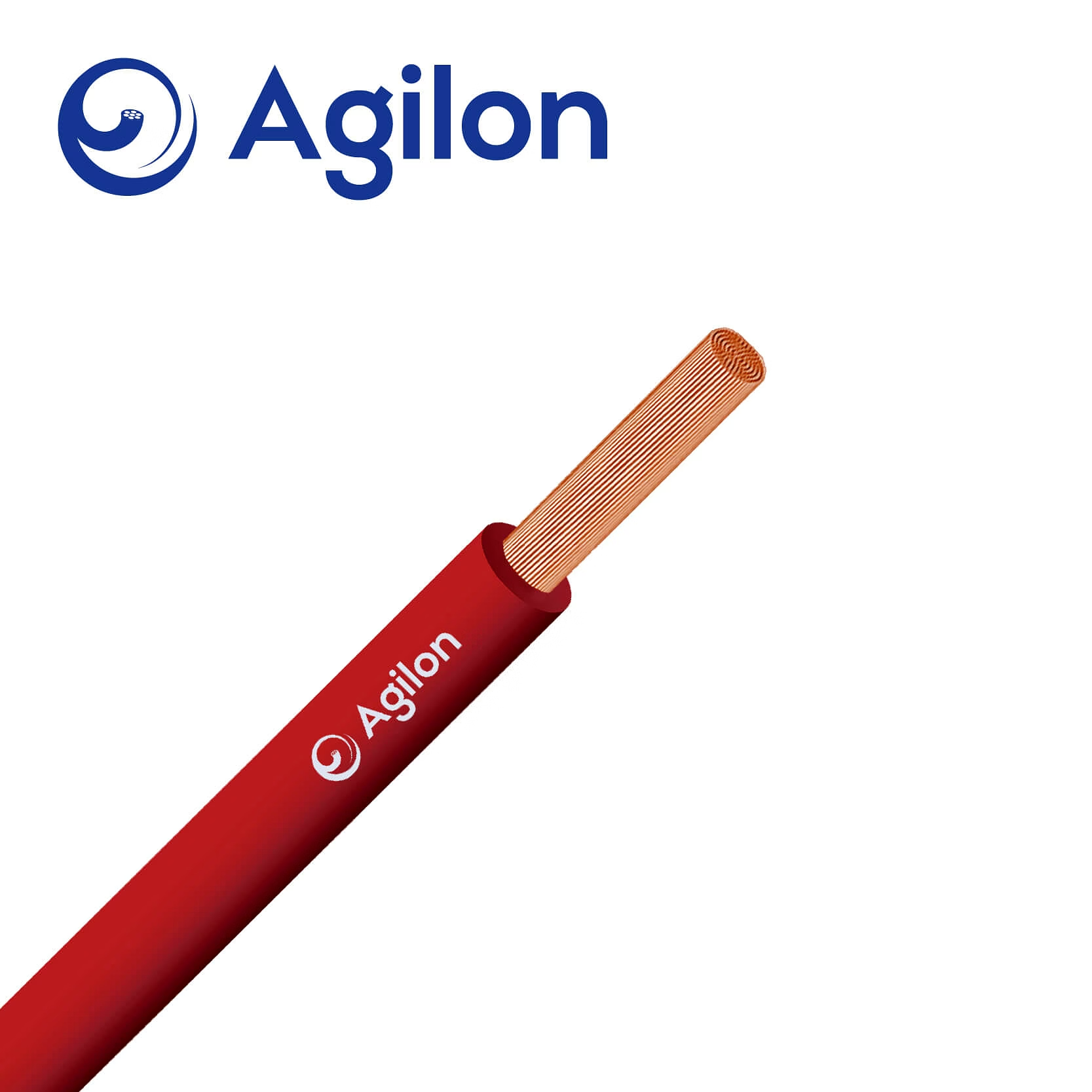
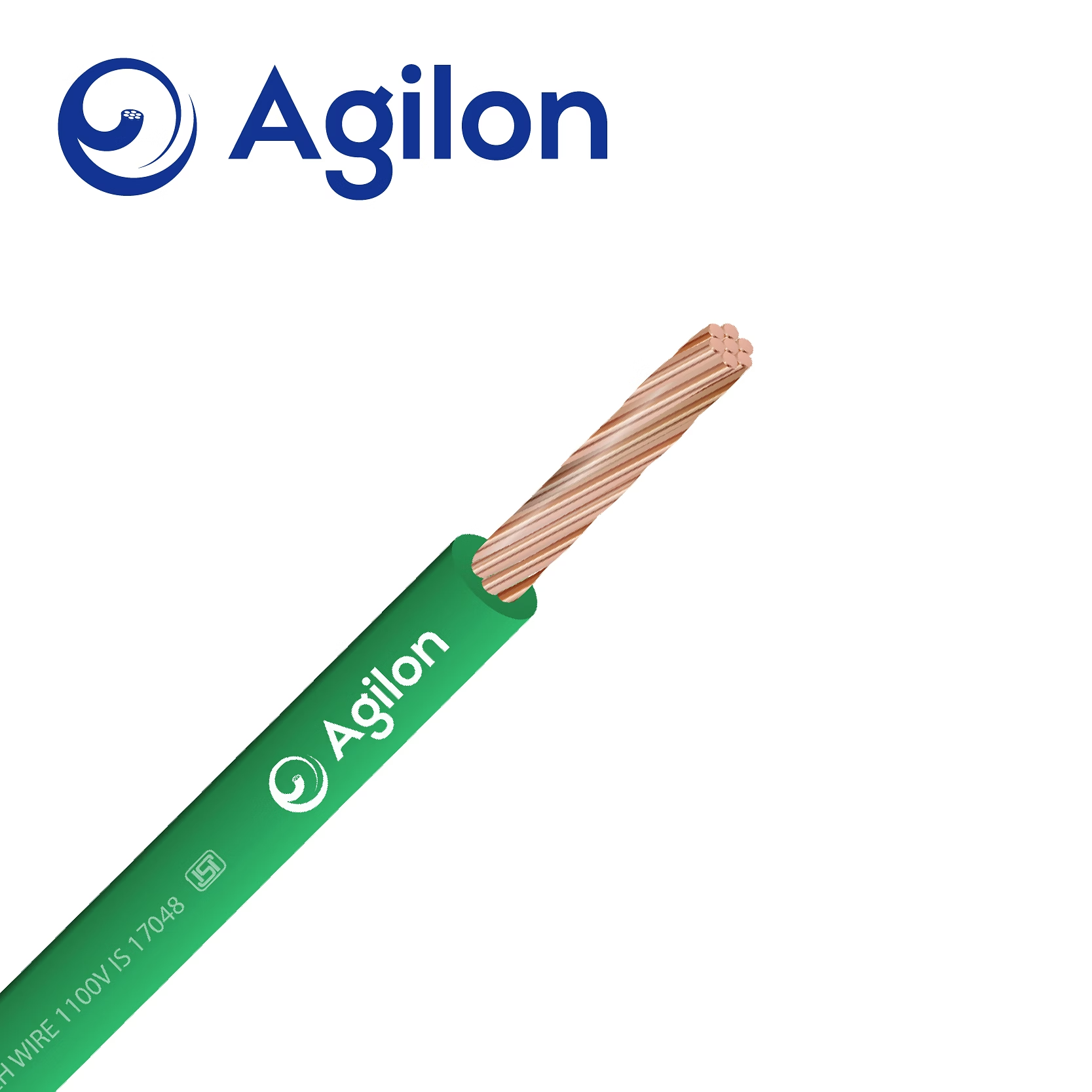
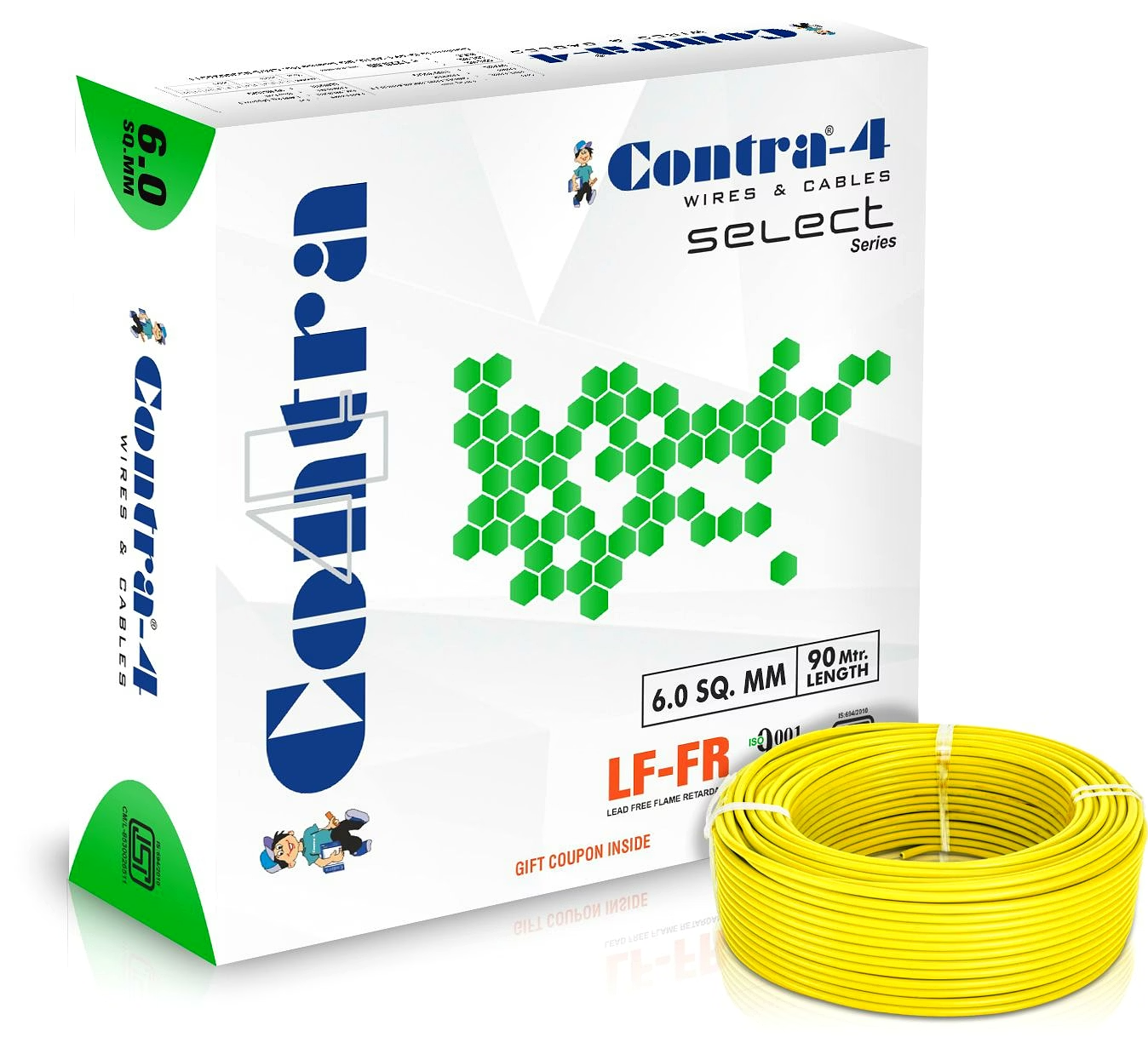
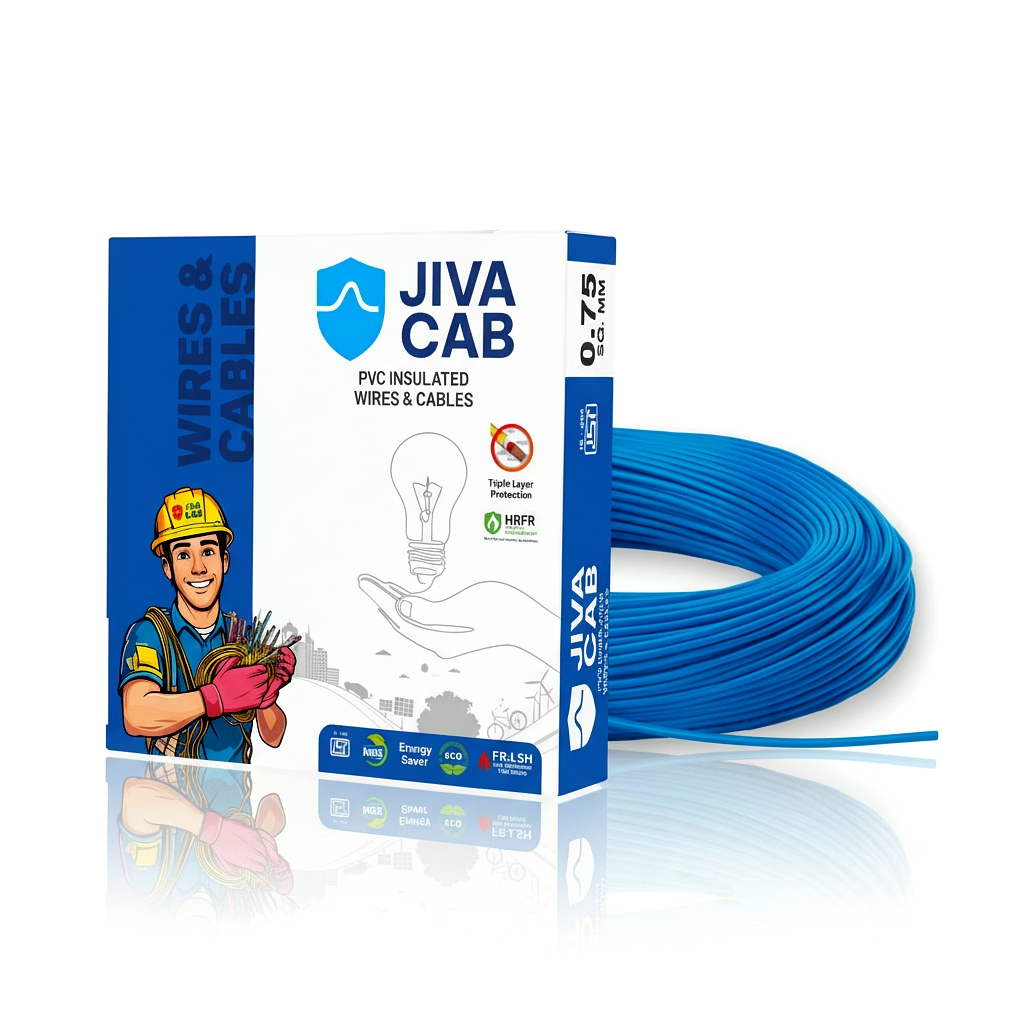
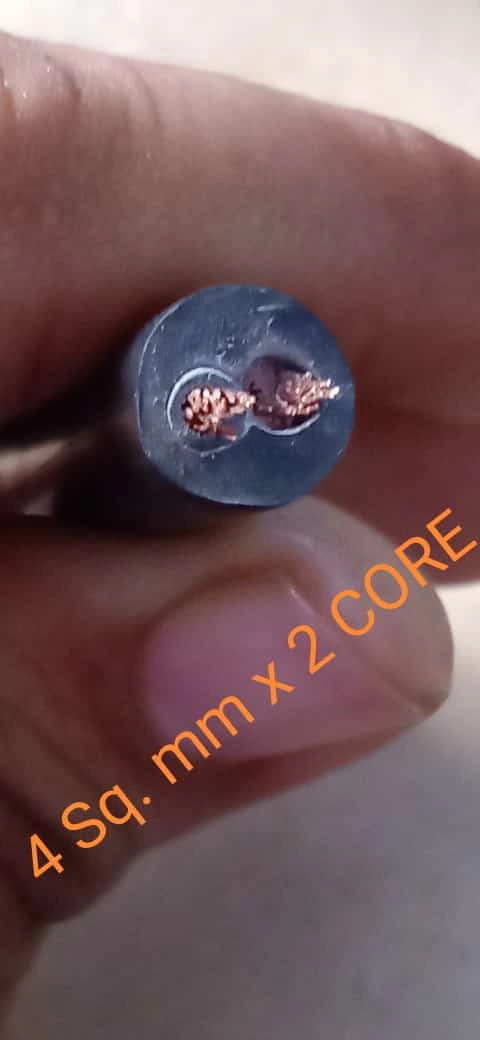
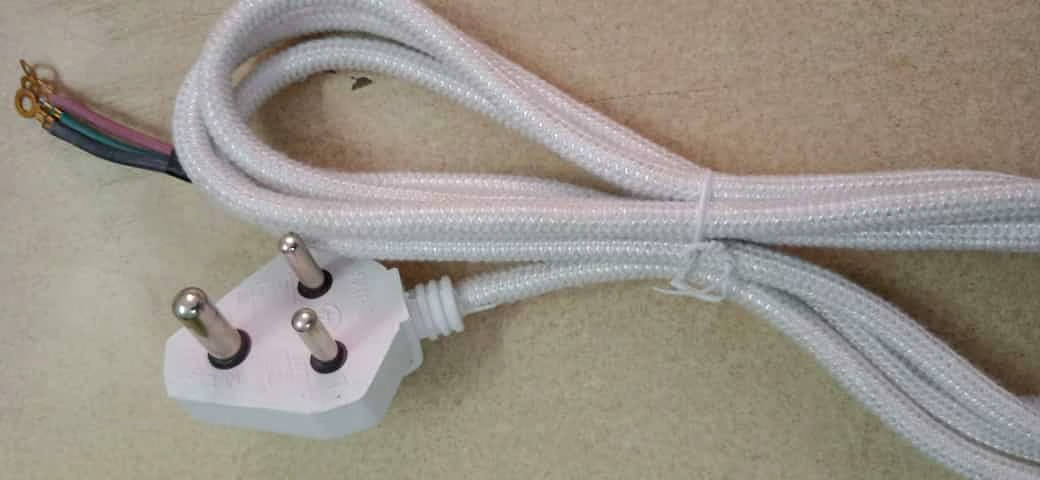
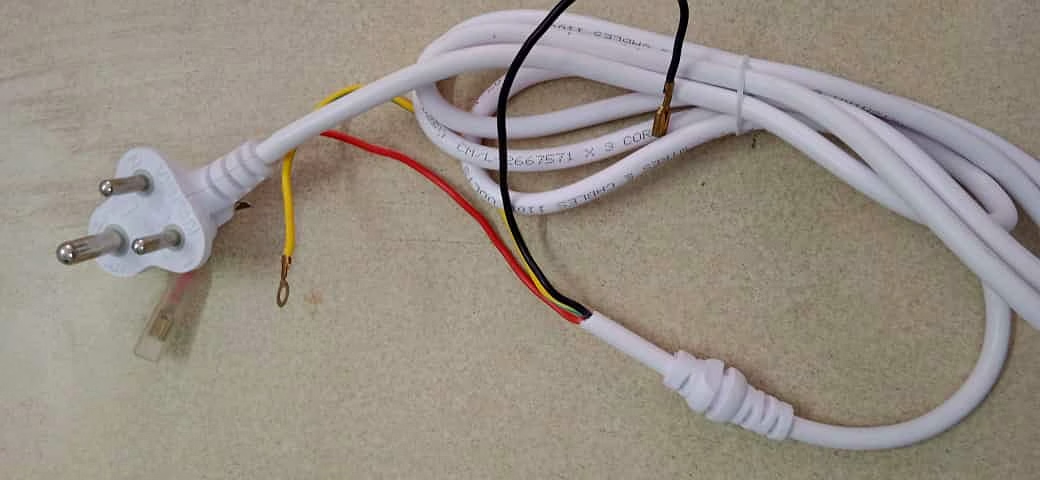
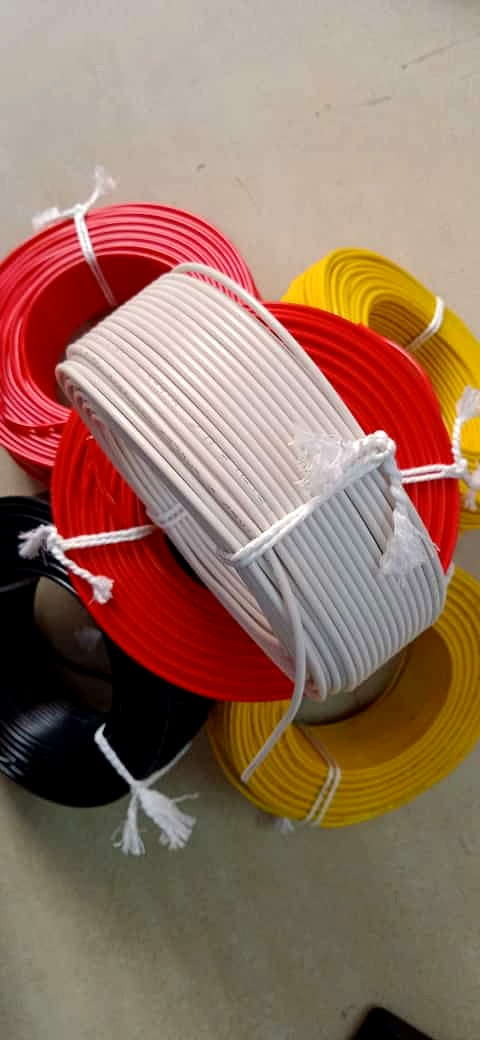
Multi-Strand Wires, also known as stranded wire, consist of multiple thin wire strands twisted together to form a single conductor. This construction significantly enhances flexibility, electrical conductivity, and durability compared to solid core wire, making it ideal for dynamic applications requiring frequent bending or vibration resistance. The multi-strand design increases the overall surface area enhancing conductivity and reducing electrical resistance while providing superior mechanical strength to withstand wear, tear, and corrosion. Commonly used in electrical power distribution, electronic appliances, industrial control systems, audio/video equipment, and automotive and aerospace industries, these wires come in copper, aluminum, and copper-clad aluminum variants. The product is available in various American Wire Gauge (AWG) sizes, strand counts, and insulation materials like PVC and Teflon with customizable options for strand count, insulation type, color-coding, labeling, and cut-to-length services to meet specific industrial requirements.
Key Features
| Features | Description |
|---|---|
| Flexibility | Multi-strand wires can bend and twist without breaking, suitable for applications with frequent movement or vibrations. |
| Electrical Conductivity | Increased surface area from multiple strands enhances conductivity and reduces electrical resistance. |
| Durability | Resistant to wear, tear, and corrosion, resulting in an extended service life. |
| Reliability | Less prone to breakage and failure ensuring consistent electrical performance. |
| Material Options | Available in copper, aluminum, and copper-clad aluminum for varied conductivity and cost efficiency. |
| Customization | Options include strand count, insulation materials, color coding, labeling, and cut-to-length services. |
| Application Versatility | Suitable for electrical power distribution, electronic devices, industrial controls, audio/video equipment, automotive, and aerospace. |
| Attributes | Description |
|---|---|
| Conductor Material | Copper, Aluminum, Copper-Clad Aluminum |
| Wire Type | Multi-Strand (Stranded) Wire |
| Insulation Materials | PVC, Teflon, Custom specialized insulation available |
| AWG Range | Varies; Lower AWG indicates thicker wire |
| Strand Count | Customizable number of individual wire strands within conductor |
| Temperature Rating | Specified based on insulation type; suitable for high-temperature applications |
| Customization Services | Cut-to-length, color coding, labeling, special insulation |
| Applications | Electrical power distribution, electronics, industrial control, audio/video equipment, automotive, aerospace |
*Disclaimer: The above description has been AI-generated and has not been audited or verified for accuracy. It is recommended to verify product details independently before making any purchasing decisions.
The multi-strand wires are insulated with materials such as PVC, Teflon, and there are options for specialized custom insulation based on application requirements.
Yes, customers can specify custom strand counts to match electrical and mechanical needs for specific industrial applications.
Copper wires provide excellent flexibility and high conductivity, aluminum variants offer lightweight and cost-effective solutions, while copper-clad aluminum combines the conductivity of copper with the lightness and affordability of aluminum.
Yes, multi-strand wires are specifically designed to withstand bending, twisting, and vibrations without breakage, making them ideal for such dynamic environments.
Yes, the product offers cut-to-length services to provide wires in desired sizes which helps reduce waste and optimize installation.
Temperature ratings depend on the insulation material used; wires insulated with Teflon generally support higher temperature applications than PVC insulated options.
Country Of Origin: India