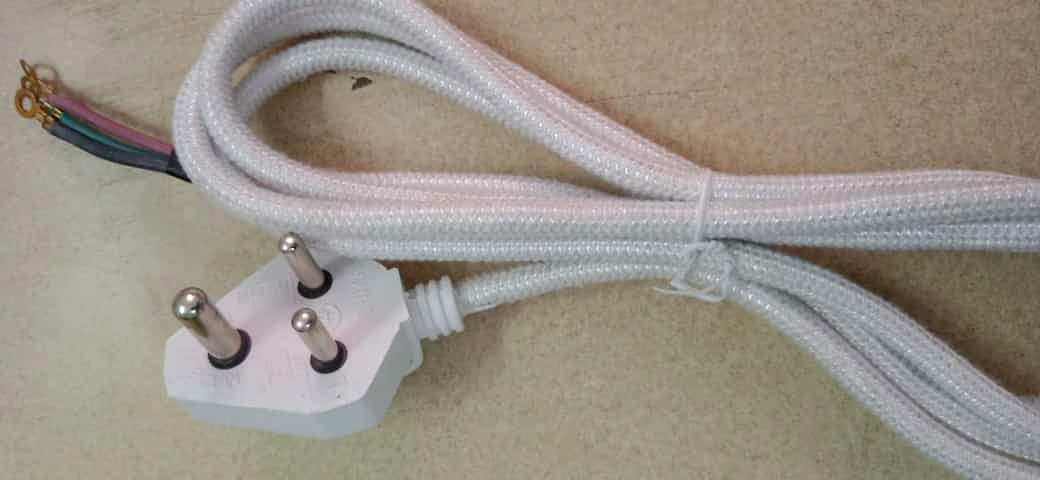
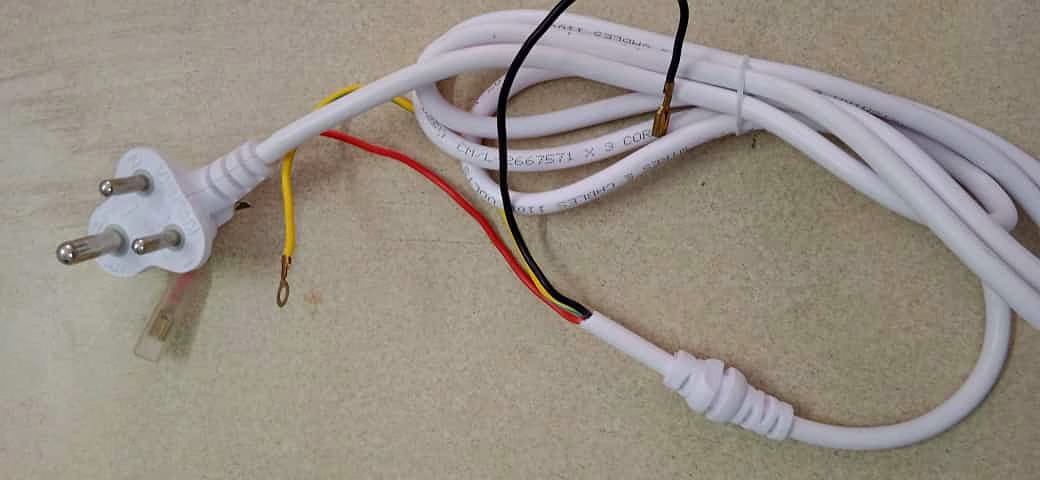
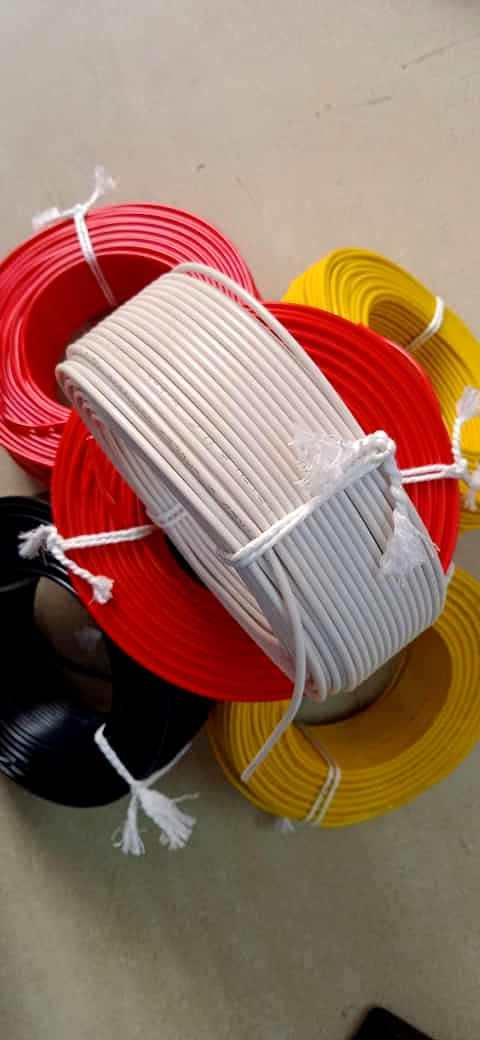
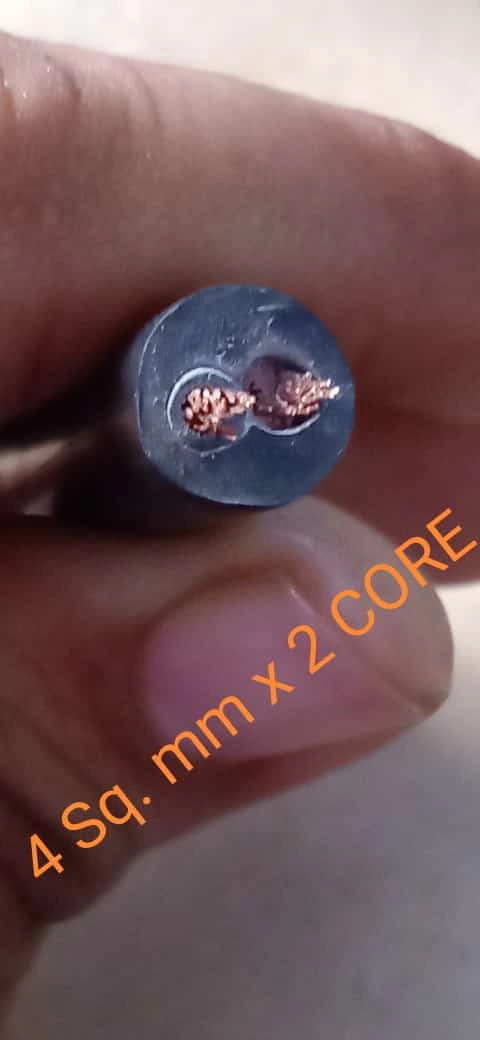
Multi-Core Cables consist of multiple insulated conductors bundled inside a single outer protective sheath, designed to efficiently transmit power, control signals, audio, video, or data across diverse industrial and commercial applications. These cables typically feature 2 to 24 or more color-coded or numbered conductors, enabling easy identification and organized wiring layouts. Constructed with materials including copper, aluminum, or fiber optics, multi-core cables can be flexible or rigid depending on application needs. The outer sheath safeguards the internal conductors against environmental hazards such as moisture, chemical exposure, and mechanical damage. Widely utilized in industrial control systems, power distribution networks, telecommunications, aerospace, and medical equipment, these cables support dependable and safe electrical and signal transmission. They come in various types like power cables (3-core, 4-core, 5-core), control cables, signal cables, fiber optic multi-core, and hybrid cables combining power, control, and signal functionalities. Key benefits include space-saving design, reduced installation time, enhanced organizational clarity, increased reliability, and elevated safety standards. Multi-core cables conform to international standards such as IEC, UL, CE, and RoHS, assuring quality and regulatory compliance. Selecting the right multi-core cable involves evaluating conductor size (AWG or mm²), insulation material (PVC, XLPE), outer sheath composition (PVC, PE), temperature and voltage ratings, and frequency range to ensure optimal performance for specific industrial or commercial requirements.
Key Features
| Features | Description |
|---|---|
| Number of Conductors | 2 to 24 or more insulated conductors |
| Conductor Identification | Color-coded or numbered conductors for easy identification |
| Outer Sheath | Protective outer sheath resistant to environmental factors |
| Construction Type | Flexible or rigid cable construction options |
| Conductor Material | Copper, Aluminum, or Fiber Optic |
| Application Versatility | Suitable for industrial control, power distribution, telecommunications, and aerospace |
| Compliance Standards | Conforms to IEC, UL, CE, RoHS standards |
| Benefits | Space-saving, reduced installation time, improved organization, enhanced safety, increased reliability |
| Attributes | Description |
|---|---|
| Conductor Size | Ranges available in AWG or mm² based on application |
| Insulation Material | PVC, XLPE, or other insulation materials |
| Outer Sheath Material | PVC, PE, or customized sheath materials |
| Temperature Rating | Varies by type; typically from -20°C to +90°C or higher |
| Voltage Rating | Ranges from low voltage to medium voltage applications |
| Frequency Range | Supports standard frequency requirements per industry application |
| Cable Types | Power, Control, Signal, Fiber Optic Multi-core, Hybrid cables |
*Disclaimer: The above description has been AI-generated and has not been audited or verified for accuracy. It is recommended to verify product details independently before making any purchasing decisions.
Multi-core cables are available with conductors made from copper, aluminum, or fiber optic materials, depending on the application requirements for conductivity and signal transmission.
The outer sheath is designed to be resistant to moisture, chemicals, abrasion, and mechanical impacts, ensuring the internal conductors remain insulated and operational in harsh environmental conditions.
Yes, depending on the cable type selected—power, control, signal, fiber optic, or hybrid—multi-core cables effectively support both power delivery and signal communication needs.
Multi-core cables comply with international standards such as IEC, UL, CE, and RoHS, ensuring adherence to safety, quality, and environmental regulations.
Yes, multi-core cables are offered with customizable numbers of conductors, size specifications in AWG or mm², and insulation types to meet specialized industrial and commercial needs.
Country Of Origin: India