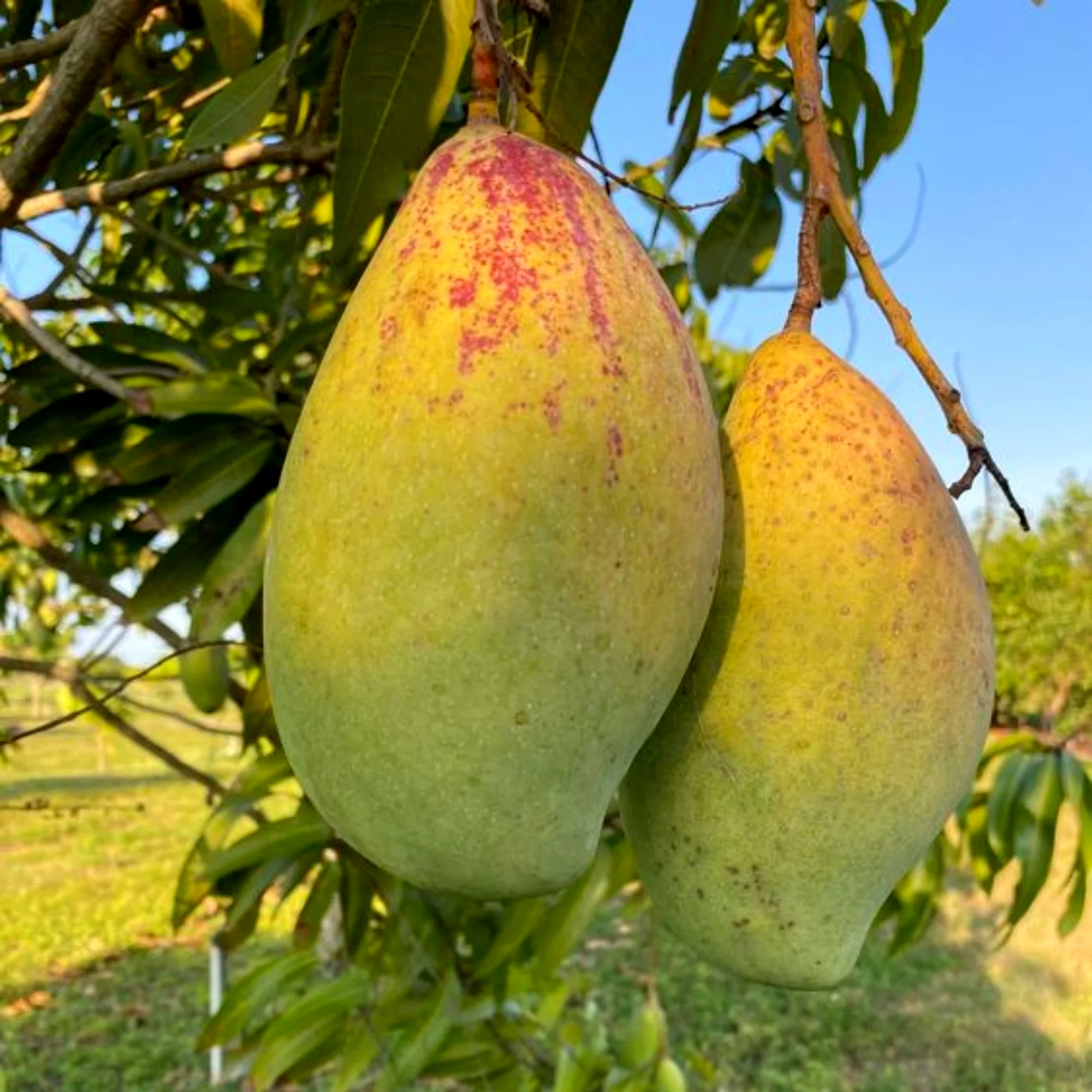
Mango, often referred to as the 'king of fruits', is a luscious tropical delight originating from South Asia. Known for its vibrant color and irresistible sweetness, this large, fleshy fruit boasts a juicy pulp that is not only incredibly delicious but also packed with essential nutrients. Mangos are a rich source of vitamins A, C, and E, important for skin health, immune function, and overall well-being. Moreover, they are abundant in potassium and fiber while being low in fat and cholesterol-free, making them an ideal choice for health-conscious consumers. Versatile in nature, mangos can be enjoyed fresh, blended into smoothies, added to desserts like yogurt or ice cream, or used in savory dishes like chutneys and salads. Discover the multitude of health benefits that come with incorporating mangos into your diet, from improving digestion to potentially reducing the risk of heart disease. Indulge in the sweetness of mangoes while savoring the numerous health advantages they offer, making them a perfect addition to any nutritious lifestyle.
Key Features
| Features | Description |
|---|---|
| Origin | Native to South Asia |
| Nutritional Value | Rich in Vitamins A, C, and E |
| Health Benefits | May help improve digestion and boost immunity |
| Dietary Profile | Low-fat, cholesterol-free, high in fiber and potassium |
| Usage | Can be eaten fresh, cooked, or juiced, and used in various recipes |
| Versatility | Perfect for smoothies, desserts, chutneys, jams, and salads |
| Attributes | Description |
|---|---|
| Fruit Type | Tropical Fruit |
| Taste Profile | Sweet and Juicy |
| Serving Size | 1 cup diced (about 150 grams) |
| Calories | About 99 calories per 1 cup |
| Fat Content | 0.6 grams per serving |
| Cholesterol Content | 0 mg |
| Fiber Content | 5 grams per serving |
| Potassium Content | 277 mg per serving |
*Disclaimer: The above description has been AI-generated and has not been audited or verified for accuracy. It is recommended to verify product details independently before making any purchasing decisions.
Mangoes are rich in vitamins A, C, and E, as well as potassium and fiber.
Yes, mangoes may help to improve digestion due to their fiber content.
Mangoes can be eaten fresh, cooked, juiced, or used in recipes like smoothies, yogurt, chutneys, and salads.
Yes, the nutrients in mangoes may help protect against heart disease.
Absolutely! Mangos are low in fat and cholesterol-free, making them a healthy option.
Brand: harshita universal
Country Of Origin: India
The mango is a tropical fruit that is native to South Asia. It is a large, fleshy fruit with a sweet, juicy pulp. Mangos are a good source of vitamins A, C, and E, as well as potassium and fiber. They are also a low-fat and cholesterol-free food.
Mangos can be eaten fresh, cooked, or juiced. They can be added to smoothies, yogurt, or ice cream. Mangos can also be used to make chutneys, jams, and pies.
Here are some of the benefits of eating mangos:
Mangos are a delicious and healthy fruit that can be enjoyed in many different ways. They are a good addition to a healthy diet.
```Inclusive of all taxes
You Save: 0
Kangra , India
Contractor, Distributor, Exporter, Importer, Wholesaler, Startup