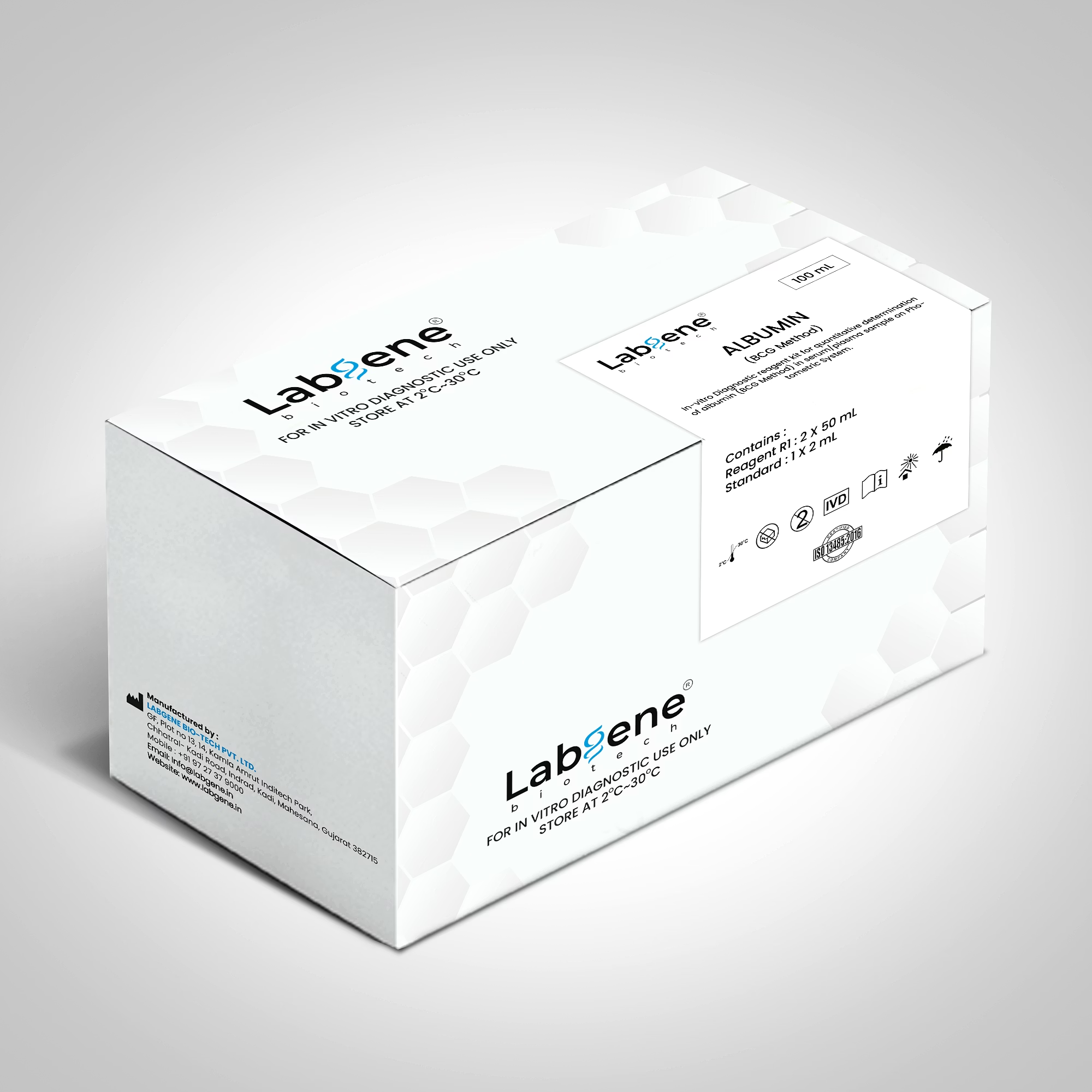
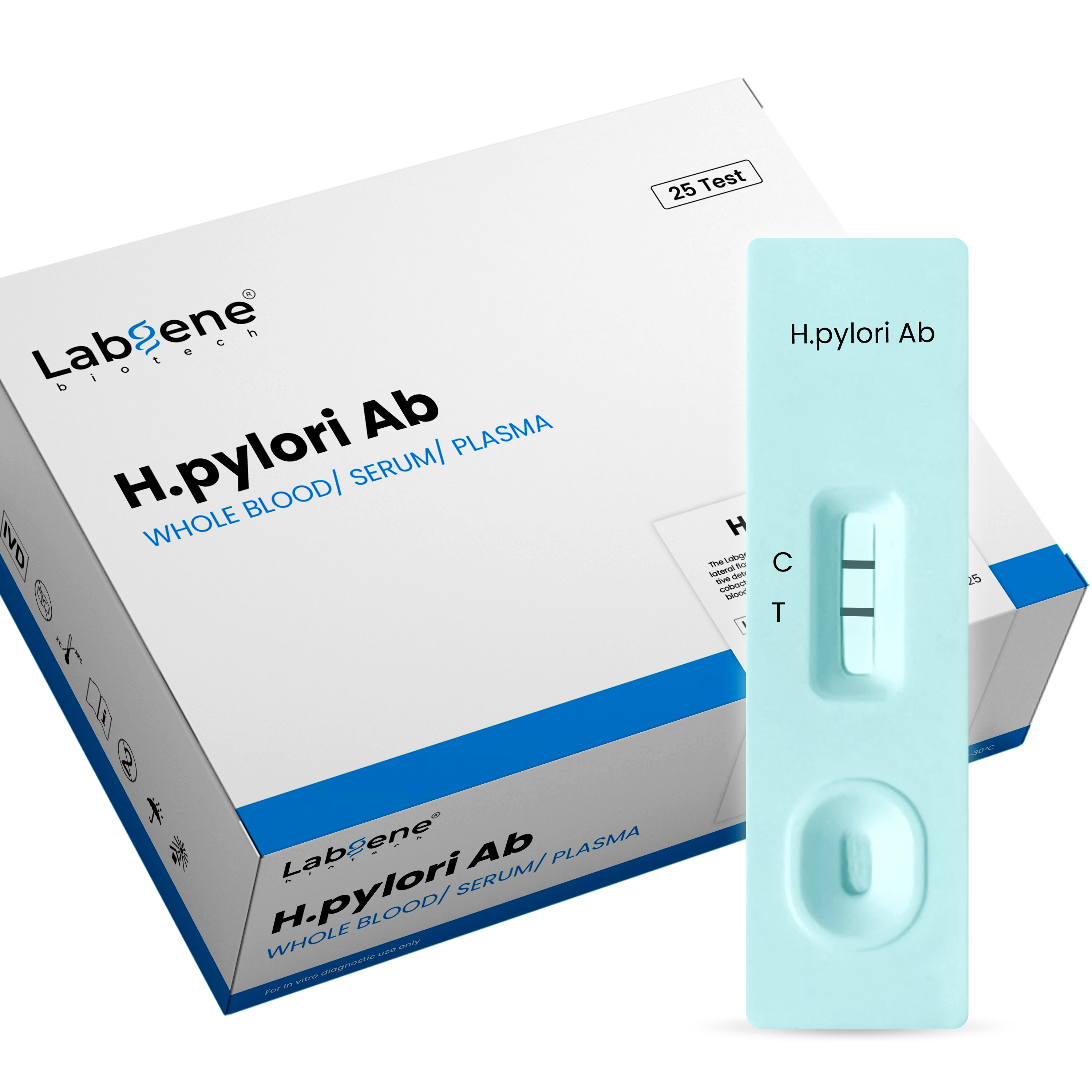
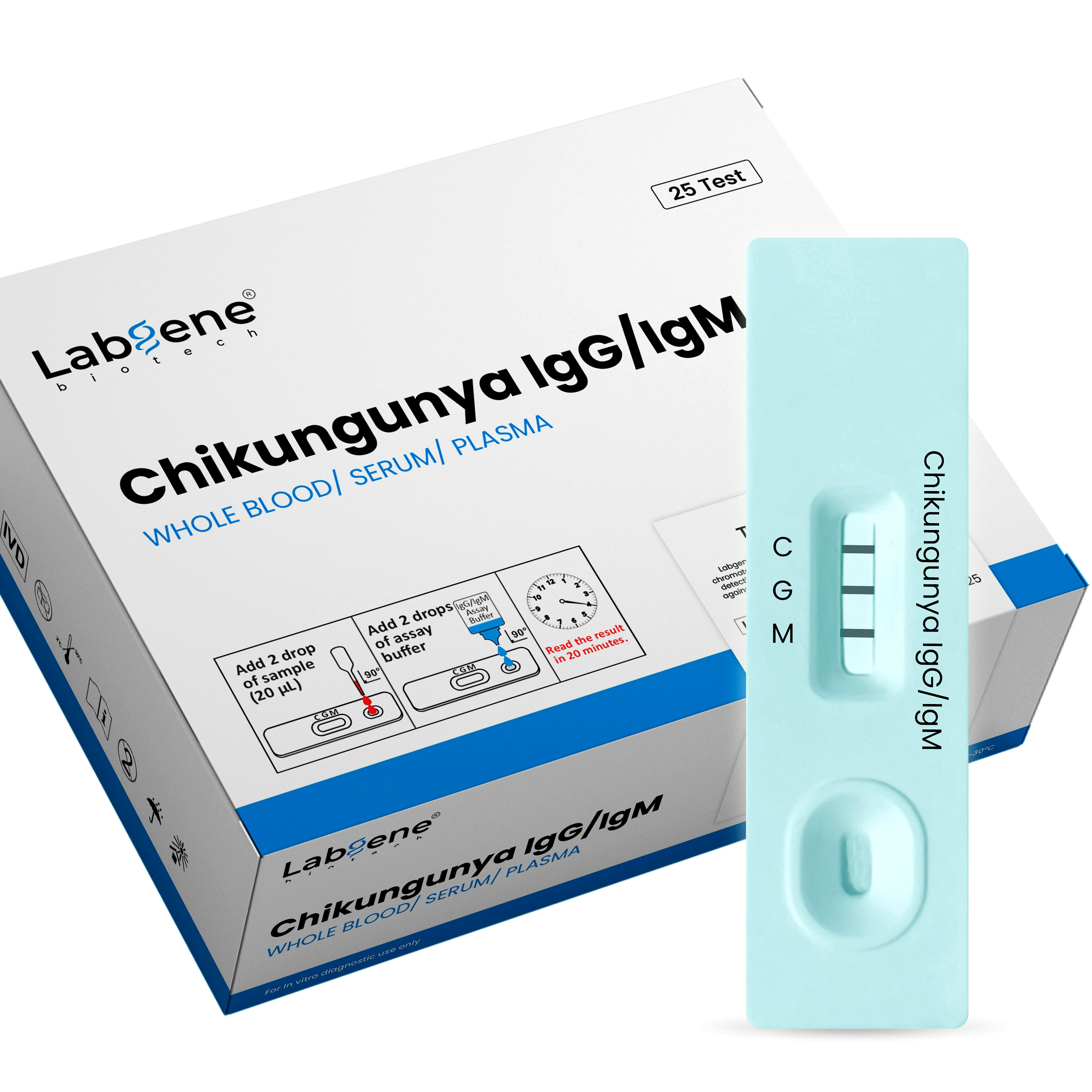
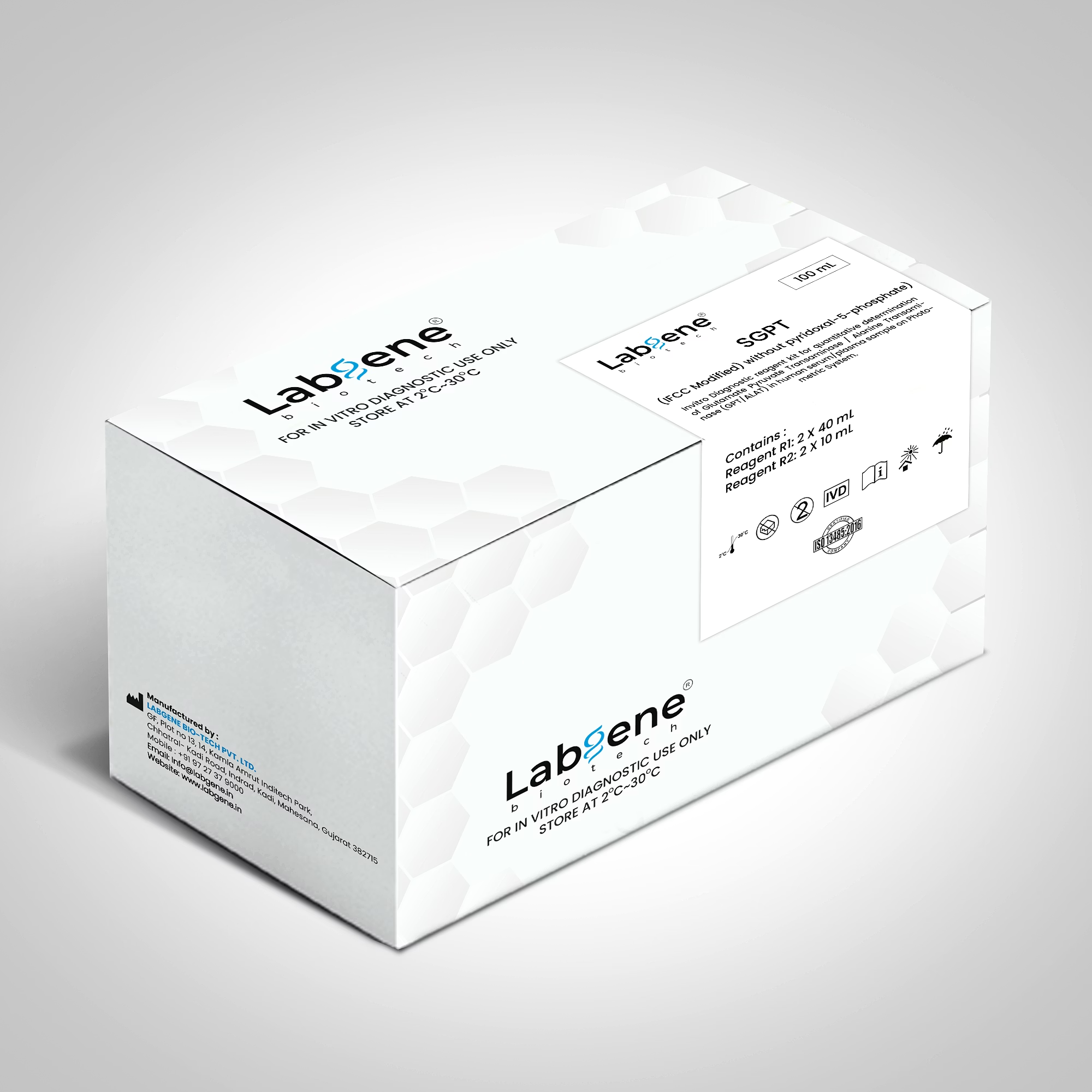
Inclusive of all taxes
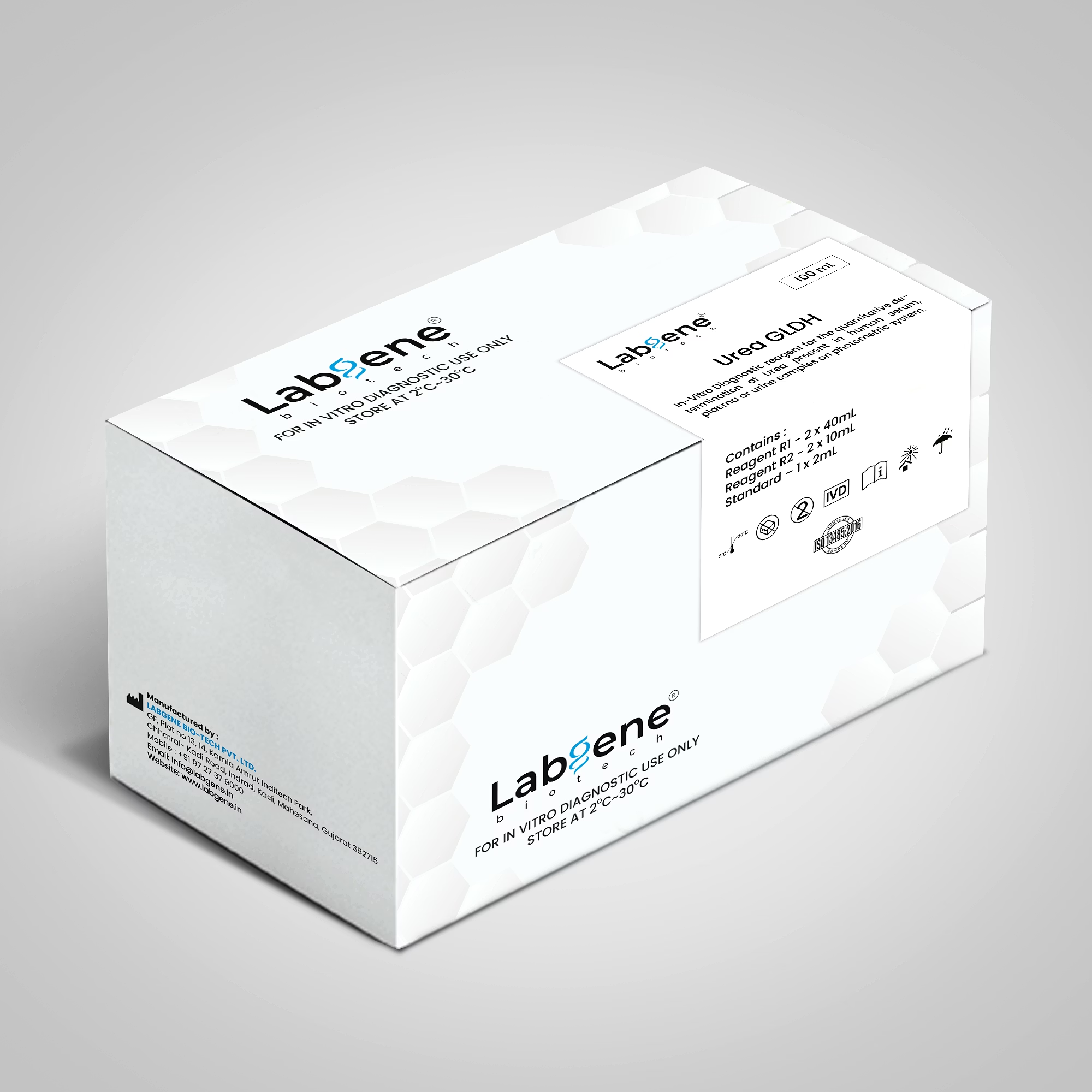
The Labgene Urea (Urease–GLDH Method) Reagent Kit is a highly precise and reliable in-vitro diagnostic solution specifically designed for the quantitative determination of urea levels in human serum and plasma samples. Utilizing the enzymatic Urease-GLDH method, this reagent kit facilitates accurate assessment of renal function, serving as an essential tool in diagnosing kidney disorders, urinary tract obstructions, hepatic diseases, and other metabolic conditions. The kit operates by enzymatically hydrolyzing urea into ammonia and carbon dioxide, followed by the reaction of ammonia with α-ketoglutaric acid in the presence of glutamate dehydrogenase (GLDH) and NADH to produce a measurable colorimetric complex. This complex’s absorbance change is detected spectrophotometrically, ensuring exceptional accuracy and reproducibility, making it compatible with standard photometric analyzers in clinical laboratories. The Labgene kit delivers robust analytical performance critical for clinical diagnostics and monitoring, supporting healthcare professionals in making informed decisions about patient renal and hepatic health.
Key Features
| Features | Description |
|---|---|
| Methodology | Urease – Glutamate Dehydrogenase (GLDH) enzymatic colorimetric method |
| Sample Type | Human serum and plasma |
| Measurement Type | Quantitative determination of urea concentration |
| Reaction Principle | Enzymatic hydrolysis of urea producing ammonia; ammonia reacts with α-ketoglutaric acid in presence of GLDH and NADH |
| Detection | Spectrophotometric measurement of absorbance change |
| Application | Assessment of renal function and diagnosis of kidney, urinary, hepatic disorders |
| Compatibility | Designed for use with photometric analyzers |
| Accuracy and Precision | High reproducibility with reliable clinical results |
| Sample Volume | Optimized for minimal serum/plasma volume usage |
| Shelf Life & Storage | Stable reagent kit with recommended storage conditions as per manufacturer guidelines |
| Attributes | Description |
|---|---|
| Reagent Type | In-vitro diagnostic reagent kit |
| Analyte | Urea |
| Units of Measurement | mg/dL or mmol/L |
| Test Principle | Urease enzymatic hydrolysis and GLDH coupled reaction |
| Detection Wavelength | Typically around 340 nm (NADH absorbance) |
| Sample Volume | Approximately 10-20 µL serum/plasma per test |
| Reaction Time | Specified by the kit protocol - rapid assay |
| Storage Temperature | 2-8 °C |
| Shelf Life | Up to 12 months from manufacturing date |
| Packaging | Includes all reagents and calibrators needed for multiple tests |
*Disclaimer: The above description has been AI-generated and has not been audited or verified for accuracy. It is recommended to verify product details independently before making any purchasing decisions.
The reagent kit is designed for compatibility with standard photometric analyzers capable of measuring absorbance changes typically at 340 nm. However, it is recommended to verify instrument compatibility and calibrate accordingly.
The kit protocol typically requires approximately 10-20 µL of serum or plasma per test, enabling efficient use of patient samples.
By employing a coupled enzymatic reaction, the Urease-GLDH method enhances specificity and sensitivity, converting urea into a measurable colorimetric complex, minimizing interference common in other methods.
Yes, this kit is effective in detecting decreased urea levels commonly seen in hepatic failure, providing valuable clinical information.
The reagent kit should be stored at 2-8 °C and protected from light to ensure stability and effectiveness as outlined in the product manual.
Brand: labgene
Country Of Origin: India
A reliable in-vitro diagnostic reagent kit for the quantitative determination of urea in human serum or plasma using the Urease–GLDH method on photometric analyzers. Provides accurate assessment of renal function, aiding in the diagnosis of kidney disorders, urinary obstructions, and hepatic diseases.
The Labgene Urea (Urease–GLDH Method) Reagent Kit is designed for precise measurement of urea levels in human serum and plasma. Urea, a waste product of protein metabolism, serves as an important marker of renal function. Elevated concentrations indicate kidney dysfunction, urinary tract obstruction, or congestive heart failure, while decreased levels may be observed in hepatic failure and pregnancy.
This kit employs the enzymatic hydrolysis of urea by urease, producing ammonia and carbon dioxide. The generated ammonia reacts with α-ketoglutaric acid in the presence of glutamate dehydrogenase (GLDH) and NADH, forming a measurable colorimetric complex. The absorbance change is detected spectrophotometrically, ensuring high accuracy and reproducibility.
Inclusive of all taxes
You Save: 0
Stay informed with the latest market trends, quality guides, and industry analysis