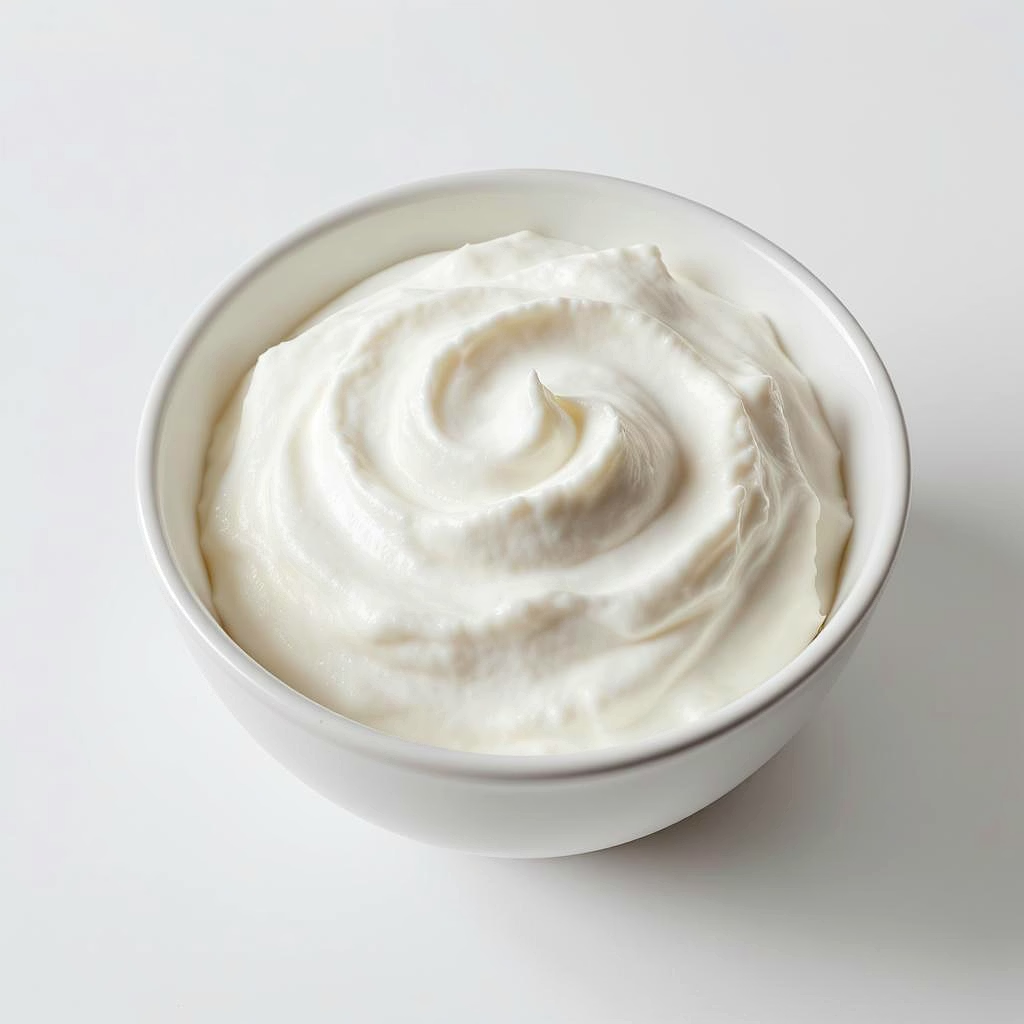
Greek Yoghurt is a premium dairy product characterized by its thick, creamy texture and concentrated flavor, achieved through the removal of excess whey by straining regular yoghurt. This product is well-known for its high protein content, rich probiotics, and lower sugar levels compared to standard yoghurt, making it ideal for health-conscious consumers and food manufacturers. Available in plain, low-fat, full-fat, and a variety of fruit-flavored options, Greek Yoghurt offers versatility in culinary applications such as breakfast bowls, smoothies, dips, and cooking. Produced under stringent quality control in ISO, HACCP, and FSSAI-certified facilities, it is free of artificial preservatives and stabilizers. The product is offered in multiple packaging sizes suited for retail and foodservice industries, with private label and custom branding opportunities. Compliant with international dairy regulations including FDA, EU, and GCC standards, Greek Yoghurt supports digestive health, promotes satiety, and aligns with clean-label and nutritional demands in the B2B marketplace.
Key Features
| Features | Description |
|---|---|
| Texture and Taste | Thick, creamy texture with rich, tangy flavor |
| Protein Content | High natural protein concentration |
| Probiotics | Contains beneficial live cultures to support digestive health |
| Sugar Level | Lower sugar content compared to standard yoghurt |
| Variants | Available in plain, low-fat, full-fat, and fruit-flavored options |
| Additives | No artificial preservatives, colors, or stabilizers |
| Packaging | Available in retail and bulk foodservice packaging |
| Certifications | Produced in ISO, HACCP, and FSSAI-certified facilities |
| Customization | Private label and custom branding services available |
| Regulatory Compliance | Complies with FDA, EU, GCC, and other global dairy regulations |
| Attributes | Description |
|---|---|
| Product Type | Greek Yoghurt (strained yoghurt) |
| Fat Content | Available in low-fat and full-fat variants |
| Flavor Options | Plain and fruit-flavored varieties |
| Protein Content | Typically 8-12 grams per 100g |
| Sugar Content | Lower than standard yoghurt, varies by variant |
| Shelf Life | Typically 14-21 days refrigerated |
| Storage | Keep refrigerated at 2-6°C |
| Packaging Formats | Retail tubs, bulk containers, custom packaging options |
| Quality Certifications | ISO, HACCP, FSSAI |
| Additives | Free from artificial preservatives and stabilizers |
*Disclaimer: The above description has been AI-generated and has not been audited or verified for accuracy. It is recommended to verify product details independently before making any purchasing decisions.
Yes, the Greek Yoghurt is produced without any artificial preservatives, colors, or stabilizers, ensuring a clean-label product.
The product is manufactured in ISO, HACCP, and FSSAI-certified facilities and complies with FDA, EU, and GCC dairy product regulations.
Yes, private label and custom branding options are available to suit the needs of retailers and foodservice clients.
While protein content typically ranges from 8 to 12 grams per 100g, it may slightly vary depending on fat and flavor variants.
Greek Yoghurt should be stored refrigerated at temperatures between 2-6°C and is best consumed within 14-21 days from production.
Country Of Origin: India
Greek Yoghurt is a thick, creamy, and high-protein yoghurt made by straining regular yoghurt to remove excess whey. This results in a rich texture and concentrated flavor, making it ideal for both direct consumption and use in recipes. Greek yoghurt is widely appreciated for its nutritional benefits, including high protein content, probiotics, and lower sugar compared to standard yoghurt.
Available in plain, low-fat, full-fat, and flavored varieties, Greek yoghurt is a versatile dairy product suitable for health-conscious consumers, fitness enthusiasts, and food manufacturers.