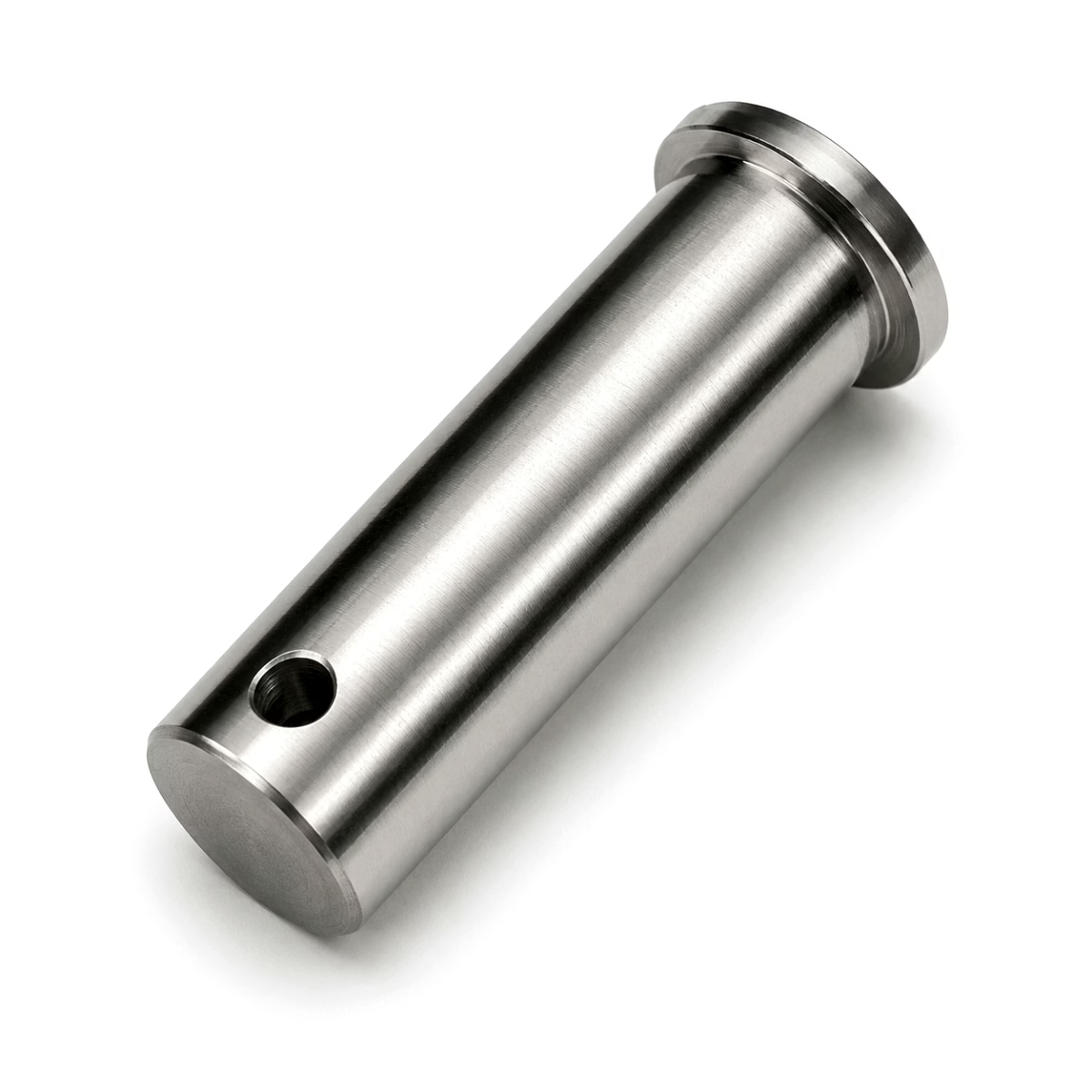
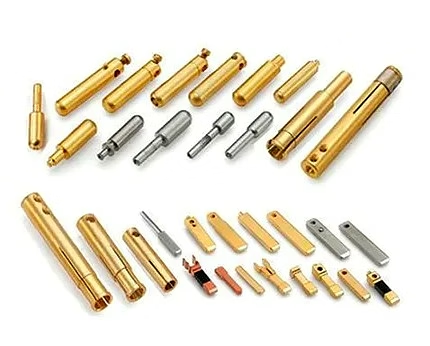
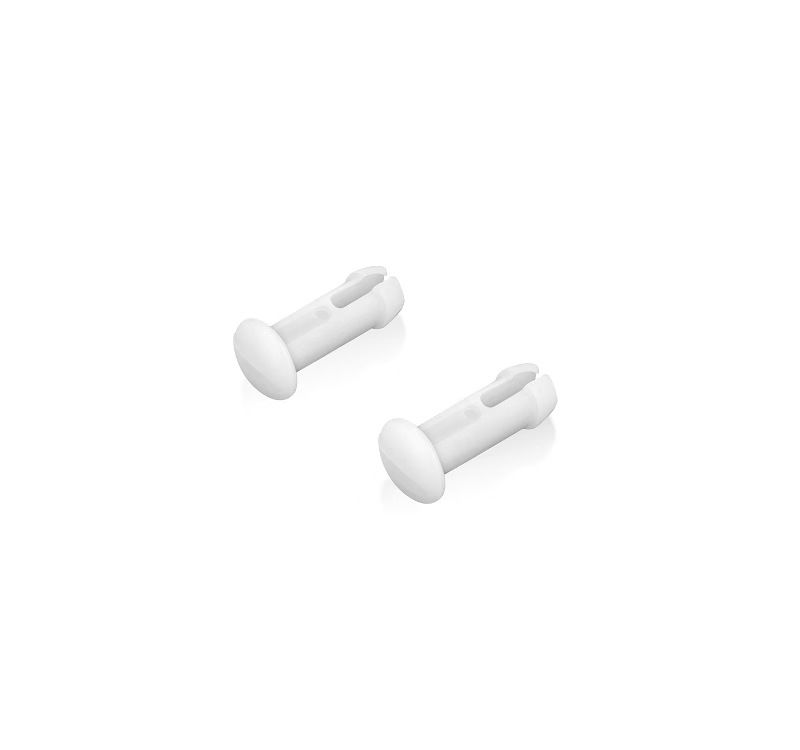
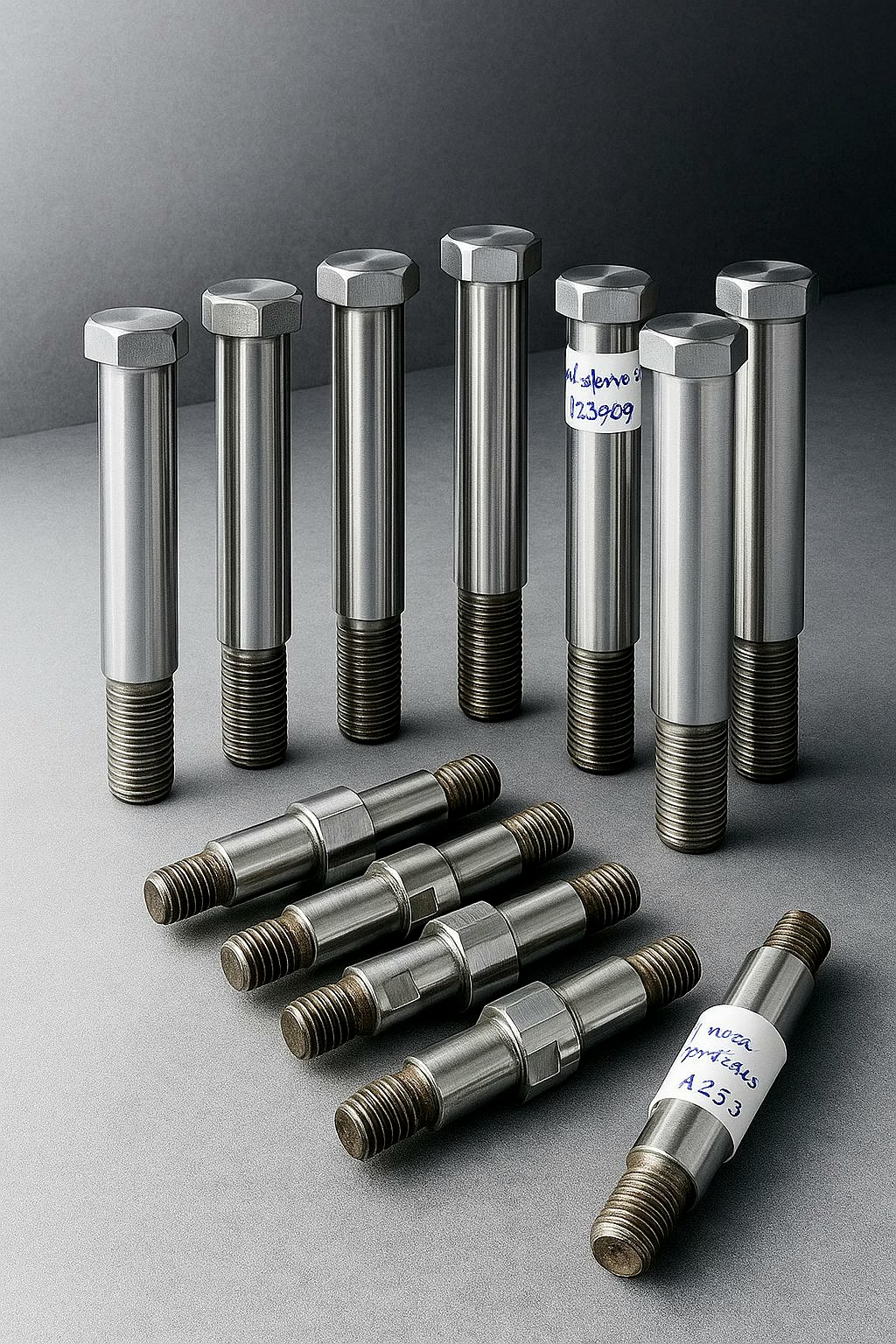
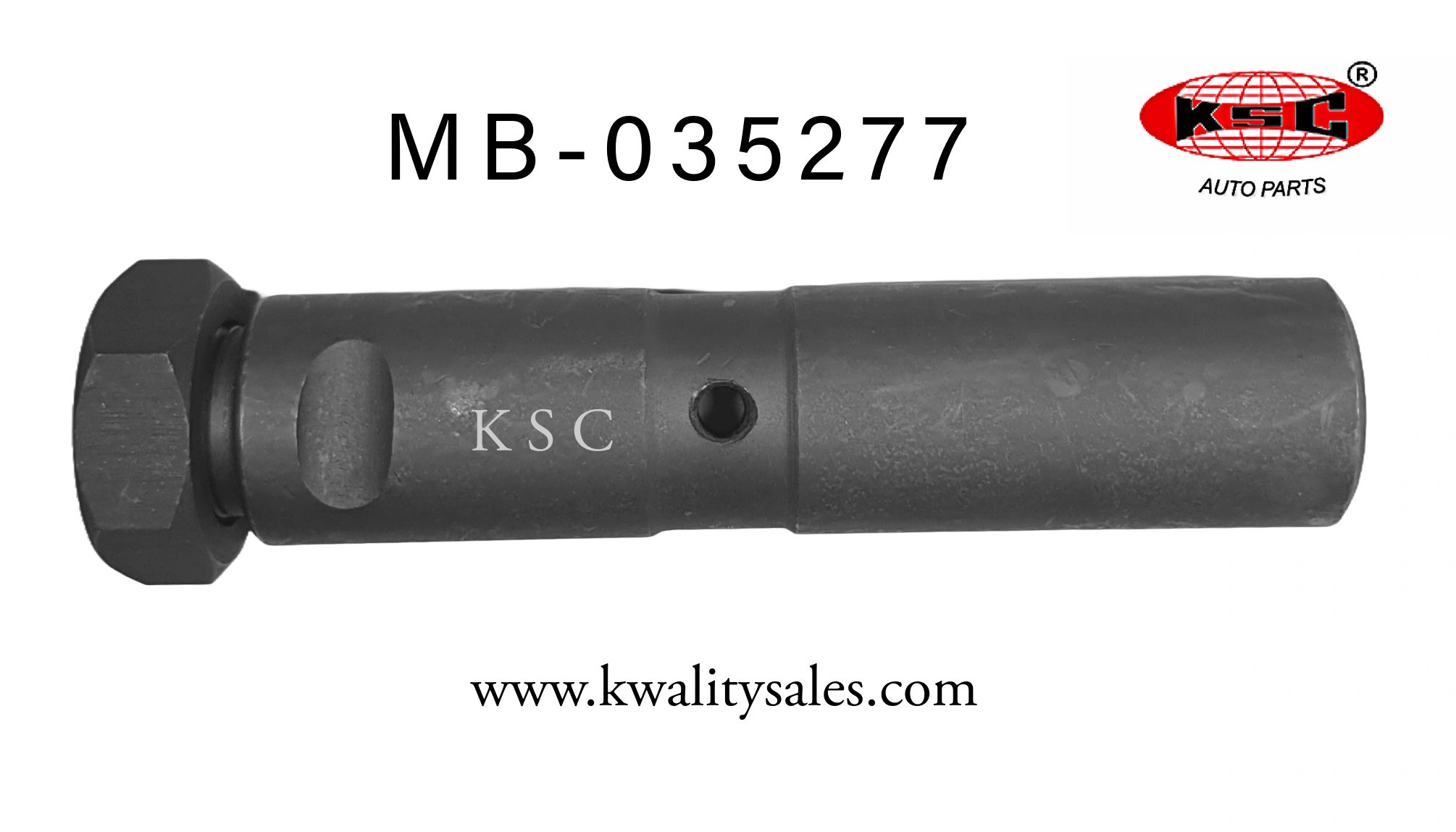
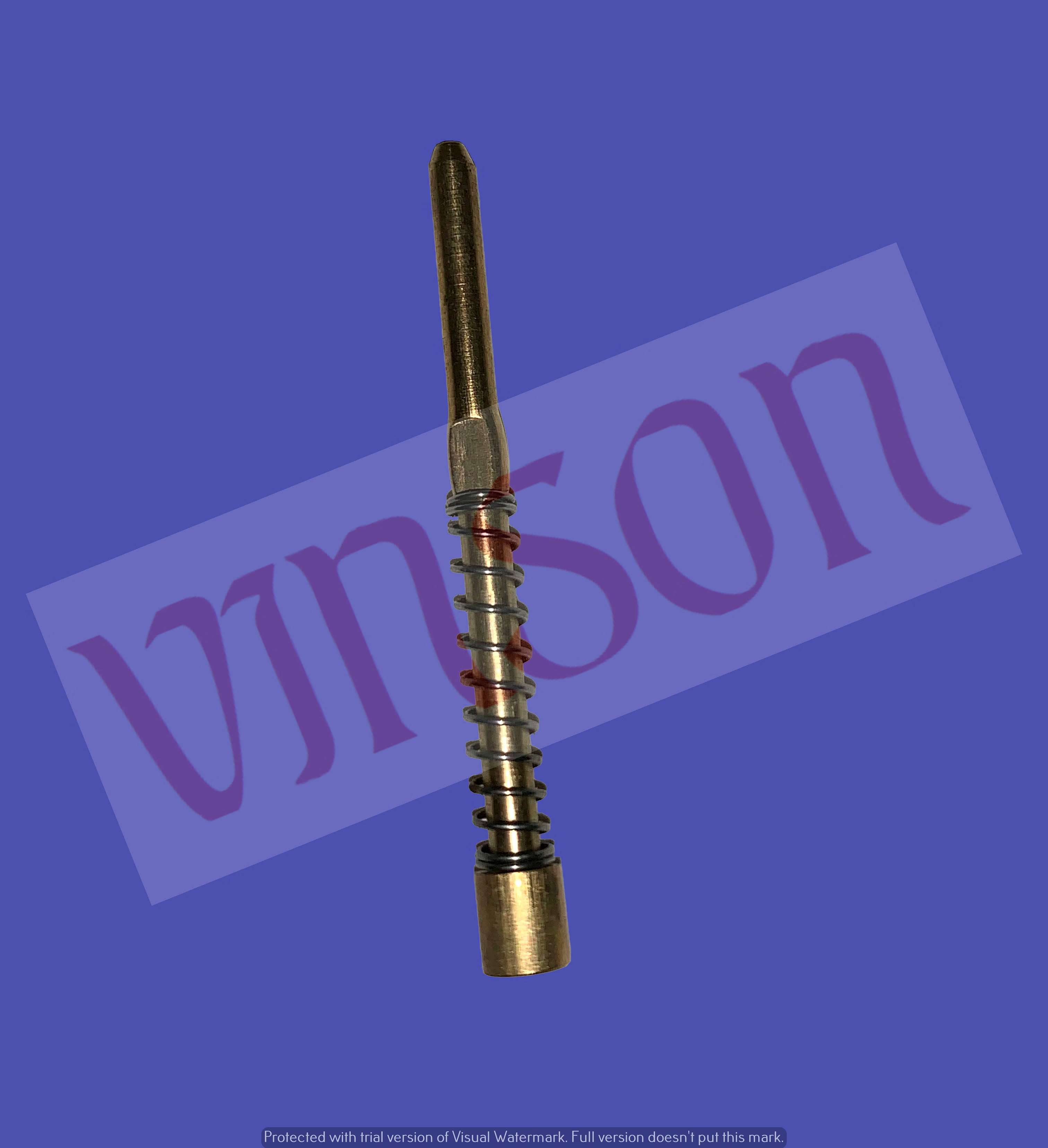
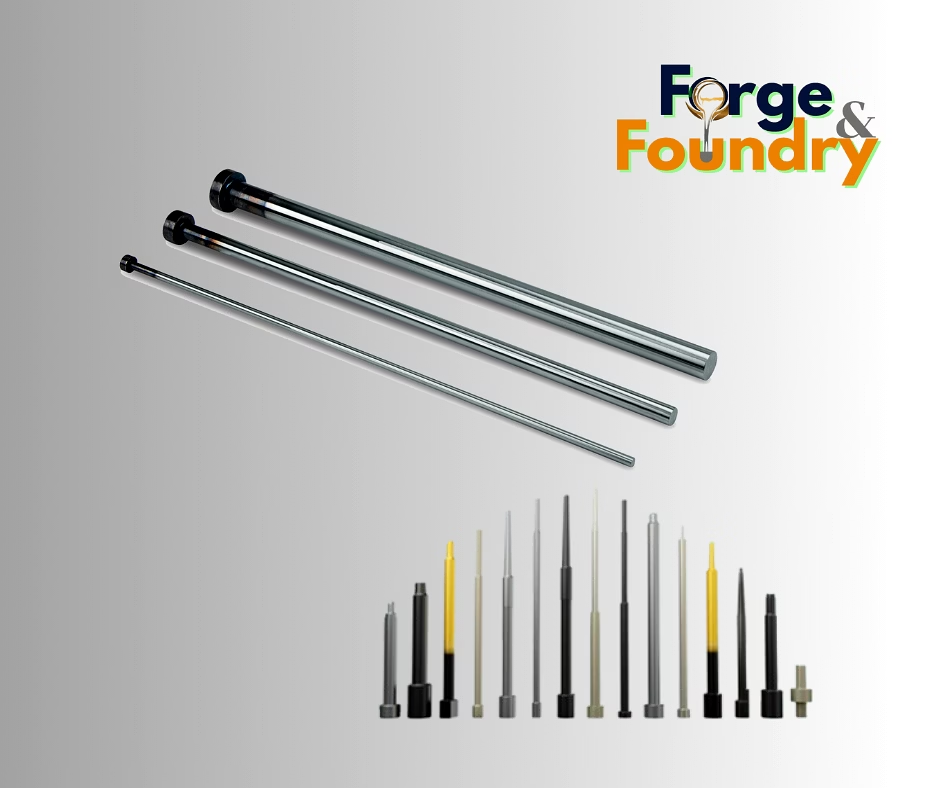
Ejector pins are essential precision components used extensively in forging and foundry industries to efficiently remove finished parts from die and mold cavities. They apply calibrated force to eject molded or forged parts without causing damage, deformation, or surface defects, thus ensuring optimal product quality. Forge and Foundry employ varied types of ejector pins—such as straight pins for simple geometries, stepped pins for complex multilayer parts, and blade pins designed for thin-walled or intricate components. Ejector sleeves, hollow pins with an inner core, provide controlled ejection and heightened durability for delicate parts. Crafted predominantly from premium hardened steels like H13 and SKD61, these pins endure high heat, extreme pressure, and prolonged cycles, often enhanced with treatments like nitriding and black oxide for superior wear resistance and self-lubrication. Applications demanding corrosion resistance utilize stainless steel pins, while highly specialized or high-temperature environments call for Beryllium Copper or Tungsten Carbide ejector pins, ensuring longevity, reliability, and precise ejection performance in diverse industrial molding and forging processes.
Key Features
| Features | Description |
|---|---|
| Types Available | Straight ejector pins, stepped ejector pins, blade ejector pins, ejector sleeves |
| Material Options | Hardened steels (H13, SKD61), Stainless Steel, Beryllium Copper, Tungsten Carbide |
| Surface Treatment | Nitriding, Black oxide coating for enhanced wear resistance and hardness |
| Application | Die and mould operations in forging and foundry industries |
| Durability | High resistance to thermal and mechanical stress |
| Function | Ensures smooth, damage-free ejection of finished parts |
| Design Specificity | Customized for various part geometries and material properties |
| Performance | Prevents defects such as deformation and marks on product surfaces |
| Precision | Designed to apply exact force required for ejection |
| Compatibility | Suitable for both simple and complex mold structures |
| Attributes | Description |
|---|---|
| Material Grades | H13, SKD61, Stainless Steel, Beryllium Copper, Tungsten Carbide |
| Pin Types | Straight, Stepped, Blade, Sleeve |
| Surface Treatment | Nitriding, Black oxide coating |
| Temperature Resistance | Suitable for high-temperature forging and casting applications |
| Pressure Resistance | Designed to withstand high mechanical pressures during ejection |
| Length Range | Customizable per application requirements |
| Diameter Range | Varies to match mold cavity and part design |
| Application Environment | Foundry and forging mold operations |
| Corrosion Resistance | Available in stainless steel options for corrosive environments |
| Special Features | Self-lubricating surfaces via treated coatings |
*Disclaimer: The above description has been AI-generated and has not been audited or verified for accuracy. It is recommended to verify product details independently before making any purchasing decisions.
Ejector pins are commonly produced from high-strength hardened steels like H13 and SKD61 due to their excellent heat resistance and durability. For more demanding high-temperature applications, materials like Beryllium Copper and Tungsten Carbide are used.
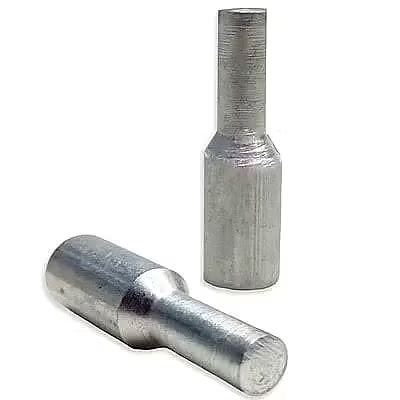
Stepped ejector pins feature multiple diameters or sections, allowing for controlled, multi-level ejection in complex mold geometries, whereas straight ejector pins have uniform diameter and are used for simpler part shapes.
Nitriding and black oxide coatings enhance ejector pins by increasing surface hardness, wear resistance, and providing self-lubricating properties, which extend tool life and improve ejection performance.
Ejector sleeves are hollow pins with inner cores used for delicate parts requiring controlled ejection forces and improved durability, especially in thin-walled or intricate molding applications.
Yes, ejector pins are customizable in both length and diameter to precisely fit various mold cavities and part geometries, ensuring optimal ejection without part damage.
Country Of Origin: India
Ejector pins are crucial components in both forging and foundry (die and mould) operations, facilitating the removal of finished parts from the mold cavity after the material has solidified. These pins apply a precise force to push the product out, ensuring a smooth and undamaged ejection process. Their design and placement are critical to prevent defects like part deformation or visible marks on the final product. Forge and Foundry utilizes various types of ejector pins, each tailored to specific part geometries and material characteristics.
Common types of ejector pins include straight ejector pins for simple parts, stepped ejector pins for multi-level ejection on complex geometries, and blade ejector pins for thin-walled or intricate designs. Ejector sleeves, which are hollow pins with an inner core, are also employed for delicate parts requiring controlled ejection and enhanced durability. The material selection for these pins is paramount, as they must withstand high temperatures, immense pressure, and repetitive cycles. Typical materials include high-strength hardened steels like H13 and SKD61, often undergoing surface treatments such as nitriding or black oxide coating for increased wear resistance, hardness, and self-lubricating properties. Stainless steel is used for applications requiring corrosion resistance, while specialized materials like Beryllium Copper and Tungsten Carbide are chosen for extremely demanding or high-temperature environments.
Inclusive of all taxes
You Save: 0
Chhatrapati Sambhaji Nagar
Service Provider , Retailer, Brand Owner, Distributor, Exporter, Wholesaler