• Key Features & Attributes
  • Ratings & Reviews
  • Know your Supplier
  • Product description from supplier

Dyes and Dye Intermediates

Inclusive of all taxes

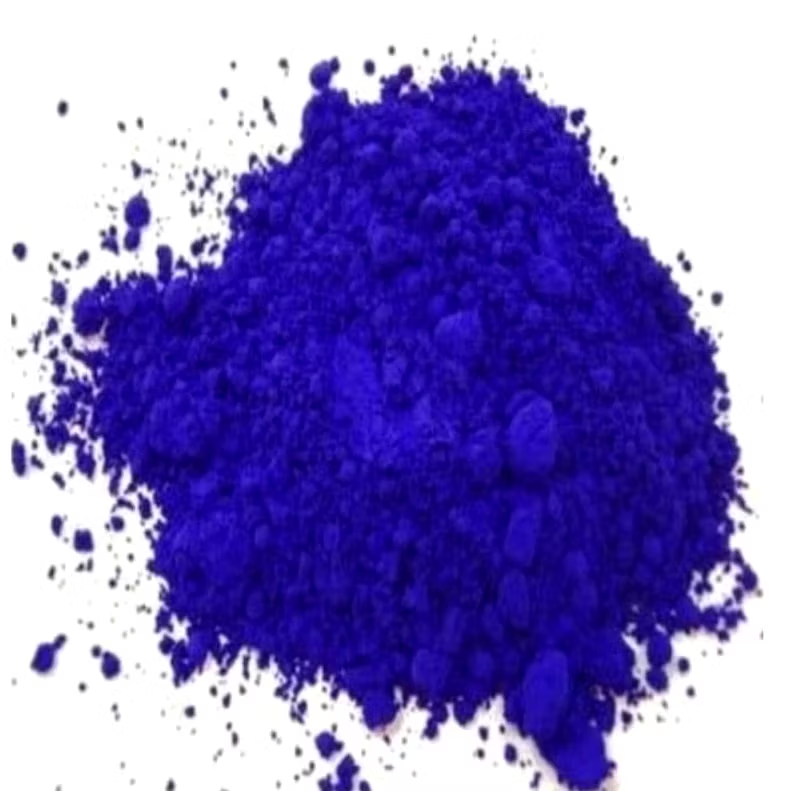
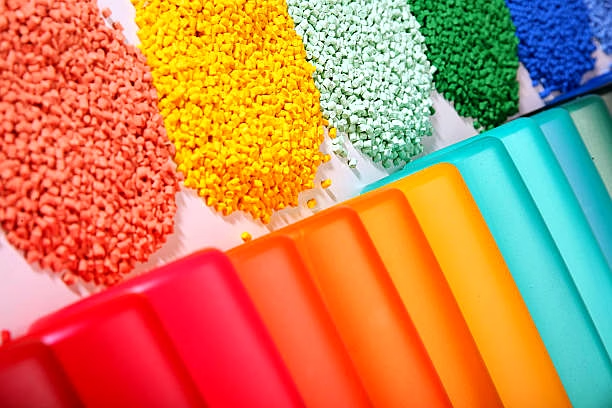
Dyes and Dye Intermediates are essential industrial raw materials used in the formulation, production, and application of colorants across textile, paper, leather, plastic, ink, pharmaceutical, and specialty chemical industries. This product listing covers the broader dye and dye intermediate segment used by manufacturers, formulators, traders, and procurement teams looking for reliable color chemistry inputs for bulk production. Dyes are soluble chemical substances designed to penetrate and bond with substrates at the molecular level, delivering color with specific performance characteristics such as wash fastness, light fastness, heat resistance, and fiber affinity. Dye intermediates are critical building blocks used in the synthesis of dyes and colorants, making them indispensable for industrial dye manufacturing and downstream formulations. This category includes dye classes selected according to end-use and substrate compatibility. Acid dyes are commonly used for wool, silk, and nylon; reactive dyes are preferred for cotton and other cellulose fibers due to their strong covalent bonding and excellent wet fastness; direct dyes offer easy application on cotton; disperse dyes are widely used for polyester and other synthetics; vat dyes deliver excellent color fastness for denim and heavy-duty textiles; basic dyes are used for acrylic and modified fibers; sulfur dyes are valued for deep shades like black and brown on cotton; mordant dyes require a fixing agent for color retention; and natural dyes are used where eco-friendly color solutions are required. For B2B buyers, Dyes and Dye Intermediates are sourced based on application performance, solubility, substrate type, shade strength, and durability requirements. This makes them a key procurement item for textile mills, dye manufacturers, chemical distributors, and industrial buyers seeking consistent quality, scalable supply, and export-ready sourcing from India.

Key Features

Features Description
Product Type Dyes and Dye Intermediates
Primary Use Industrial coloring and dye manufacturing
Application Areas Textiles, paper, leather, plastics, inks, food, pharmaceuticals
Dye Classes Covered Acid, reactive, direct, disperse, solvent, vat, basic, sulfur, mordant, natural
Performance Factors Wash fastness, light fastness, heat resistance, fiber affinity
Solubility Typically soluble in water or organic solvents
Attributes Description
Product Name Dyes and Dye Intermediates
Store Name Indian Stalwart Global Sourcing Company
MOQ 1
DOM Unit NOS
Product Nature Industrial chemical raw material
Solubility Soluble in water or organic liquids
End-Use Industries Textile, printing, leather, plastics, food, pharmaceutical, cosmetics
Typical Substrates Cotton, wool, silk, nylon, polyester, acrylic
Formulation Role Colorant and dye synthesis intermediate
Origin/Source Sourced through Indian Stalwart Global Sourcing Company

*Disclaimer: The above description has been AI-generated and has not been audited or verified for accuracy. It is recommended to verify product details independently before making any purchasing decisions.

Be the first to write a review

Reactive dyes are the most suitable for cotton because they form covalent bonds with cellulose fibers and provide excellent wet fastness.

Dyes are typically soluble and bond at the molecular level to the substrate, while pigments are insoluble and remain dispersed in a medium.

Disperse dyes are commonly used for polyester and other synthetic fibers.

Dye intermediates are the chemical building blocks used to synthesize dyes and colorants, making them essential for producing consistent and performance-specific dye formulations.

Vat dyes, including indigo-based systems, are preferred for denim because they offer exceptional color fastness.

Dye class selection depends on the fiber type, required fastness properties, solubility, shade intensity, and end-use application.

Natural dyes are chosen for eco-friendly applications, but they often have lower light and wash fastness compared with synthetic dyes.

  • Incorporation Type

  • GST

  • GST Registration Date

  • Number of Employees

  • Import Export Code (IEC)

  • Year of Establishment

  • Nature of Business

  • GlobalLinker Member Since

Brand: indian stalwart

Country Of Origin: India

Dyes are colored chemical substances that dissolve in a solvent (usually water or organic liquids) and are used to impart color to materials such as textiles, paper, leather, plastics, food, and cosmetics.

They are distinct from pigments because dyes are typically soluble and bond at the molecular level to the substrate, whereas pigments are insoluble and dispersed in a medium.


What dyes are used for

Dyes are mainly employed to color fibers (cotton, wool, silk, nylon, polyester), but they are also widely used in inks, paints, food products, pharmaceuticals, and biological staining.

In manufacturing, different dye classes are chosen based on the fiber type, required fastness (to washing, light, heat), and whether the product is for consumer, industrial, or technical use.


Common Types:


Acid dyes: Used for wool, silk, and nylon; provide good fastness on protein fibers.


Reactive dyes: Form covalent bonds with cellulose-like cotton; excel in wet fastness for textiles.


Direct dyes: Water-soluble for easy application on cotton, but have lower wash fastness.

Disperse and solvent dyes: For synthetics like polyester or non-textile uses.


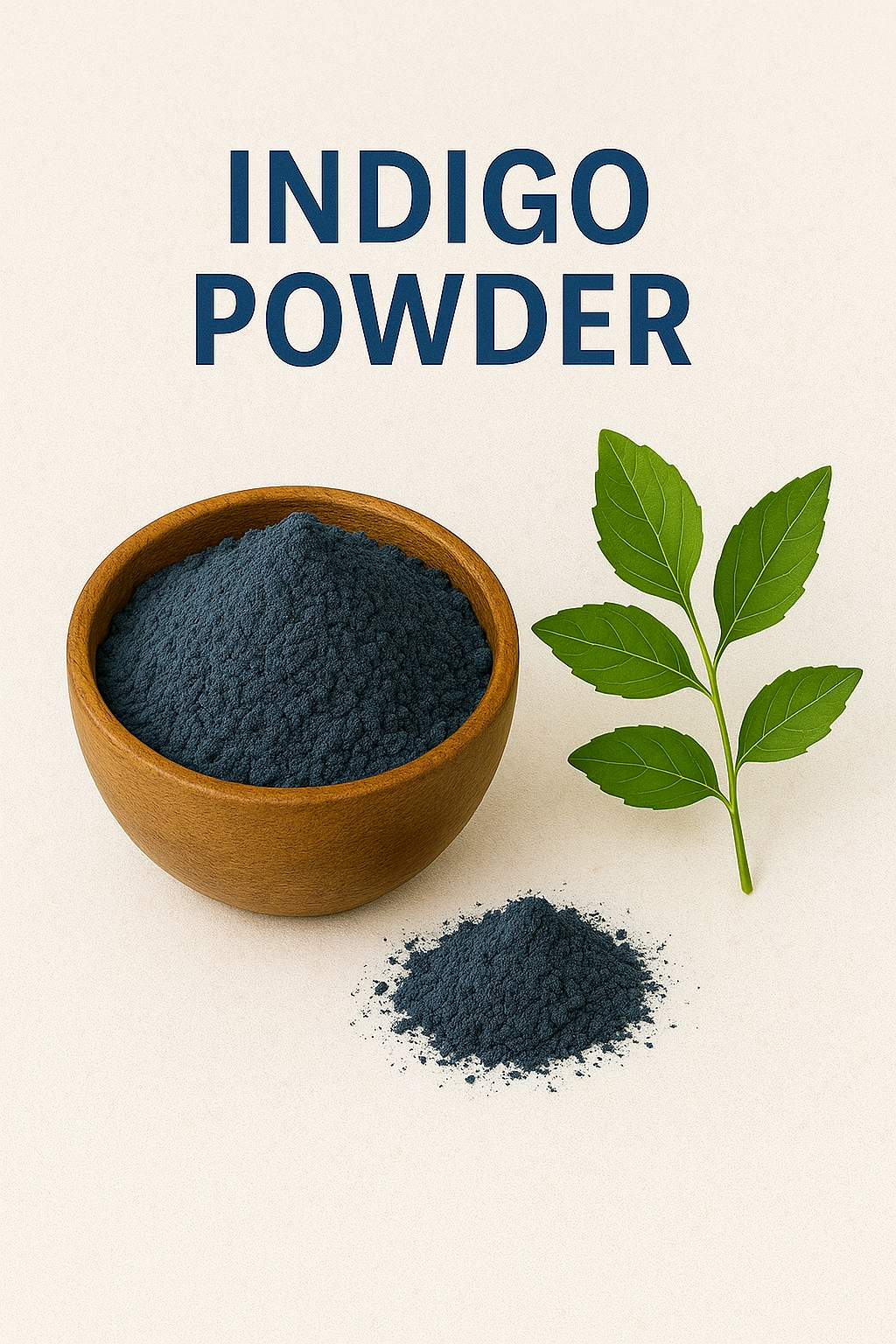
Vat Dyes: Insoluble dyes (like indigo) that must be made soluble with alkali and reducing agents. They offer exceptional color fastness, particularly for denim.


Basic (Cationic) Dyes: Positively charged, water-soluble dyes used on acrylic, modified nylon, and polyester. Known for very bright, intense, but sometimes poor lightfast colors.


Sulfur Dyes: Inexpensive dyes used for cotton, producing muted, deep colors (blacks, browns, navy) with good wash fastness but poor bleach resistance.


Mordant Dyes: Require a metal salt (mordant) to fix the color onto the fabric, often used for wool and silk. 


Natural Dyes: Derived from plants (e.g., Indigo, Logwood), animals, or minerals. They are eco-friendly but often lack high light/wash fastness compared to synthetic counterparts.


indian stalwart

Dyes And Dye Intermediates

Industrial Dyes

Dye Intermediates Supplier

Textile Dyes

Reactive Dyes

Acid Dyes

Disperse Dyes

Dye Chemicals

Export Supplier

Bulk Order Dyes

Dyes and Dye Intermediates

Inclusive of all taxes

You Save: 0

Send Inquiry
indian stalwart global sourcing company

Chennai , India

Service Provider , Service Center, Manufacturer, Professional Services, Contractor, Retailer, Brand Owner, Distributor, Exporter, Importer, Wholesaler, Startup

GST- 33bbjpt6176p1zr

  • Days
    Returnable

  • Secure
    Transaction

  • Free
    Delivery

  • Cancellations
    Refund &

  • Day
    Dispatch

Report a problem with this product