• Key Features & Attributes
  • Ratings & Reviews
  • Know your Supplier
  • Product description from supplier

Refractory Bricks

Inclusive of all taxes

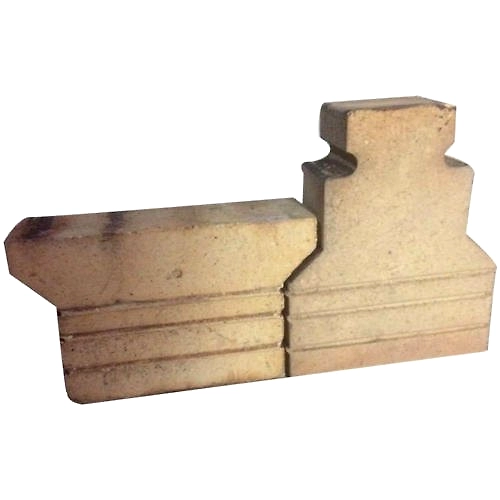
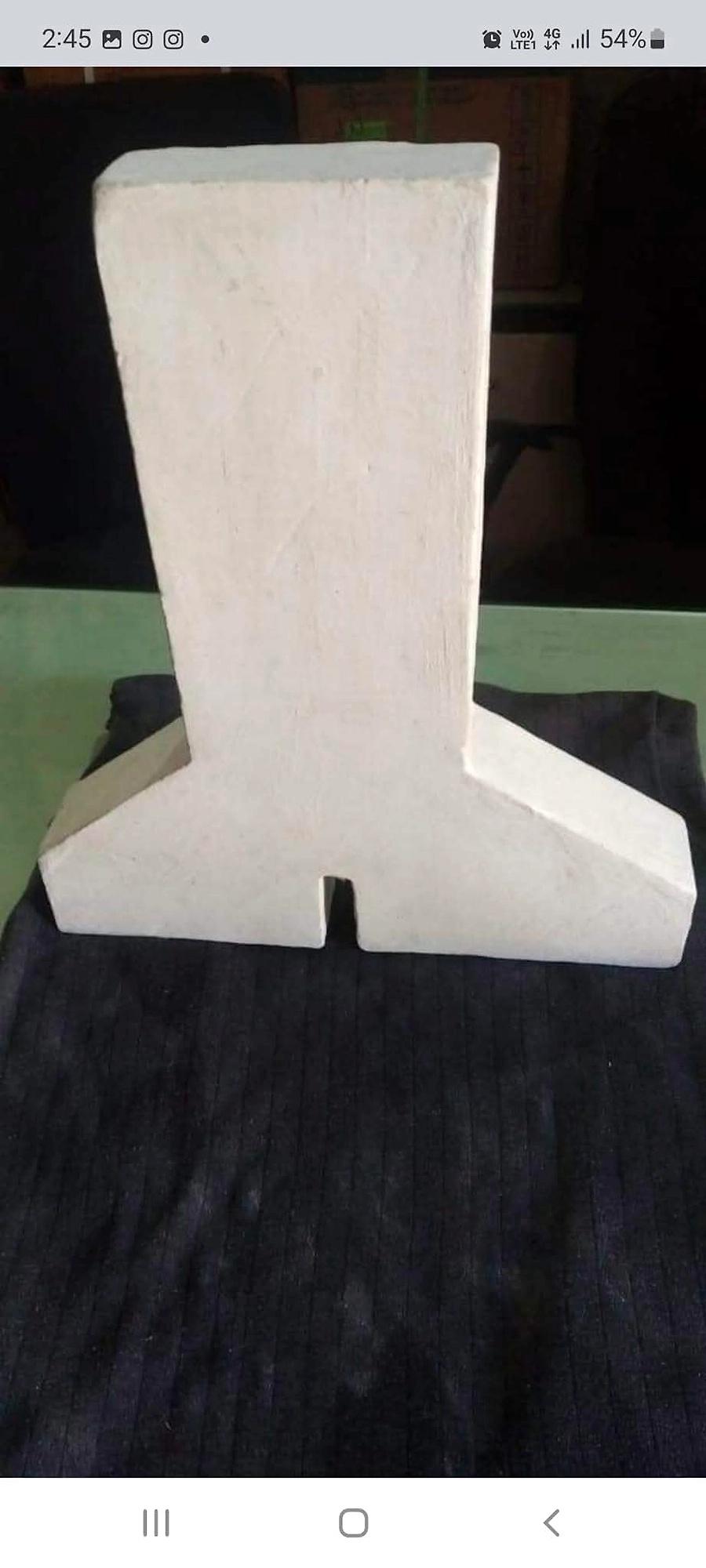
Indian Stalwart Global Sourcing offers premium Refractory Bricks, specialized fire bricks engineered to withstand extreme industrial temperatures up to 2100°C. Crafted from high-quality refractory clays with high alumina, silica, and magnesia content, these bricks provide excellent thermal shock resistance, chemical inertness, and compressive strength of 15-20 N/mm². Ideal for lining high-temperature equipment such as blast furnaces, kilns, ovens, boilers, and chimneys in cement, glass, and metal industries, these bricks reduce heat loss and resist slag erosion. Available in Acidic (silica), Basic (magnesia), and Neutral (chromite) types, they cater to diverse chemical environments and industrial needs. Manufactured through precise processes including hydraulic pressing, drying, high-temperature firing, and finishing, each brick guarantees dimensional accuracy and durability. With a typical size of 9x4.5x2.5 inches, water absorption of 4-10%, and factory direct pricing with MOQ of 1 PC, these refractory bricks from Indian Stalwart Global Sourcing ensure reliability for high-heat industrial applications.

Key Features

Features Description
Maximum Operating Temperature Up to 2100°C
Material Composition High alumina, silica, magnesia refractory clay
Compressive Strength 15-20 N/mm² (approximately 200-220 kg/cm²)
Thermal Shock Resistance Excellent resistance preventing cracks and deformation
Chemical Resistance Acidic, basic, and neutral types for various chemical environments
Water Absorption 4-10%
Standard Size 9 x 4.5 x 2.5 inches (approx.)
Manufacturing Process Hydraulic pressing, drying, high-temperature firing, finishing
Applications Furnaces, kilns, blast furnaces, boilers, ovens, chimneys
Color Yellowish to light brown due to fire-clay processing
Attributes Description
Material Refractory clay with alumina, silica, magnesia
Heat Resistance Up to 2100°C
Dimensions 9 x 4.5 x 2.5 inches
Water Absorption 4-10%
Compressive Strength 15-20 N/mm²
Types Available Acidic (silica), Basic (magnesia), Neutral (chromite)
Color Yellowish/light brown
Manufacturing Process Raw material preparation, hydraulic pressing, drying (110-150°C), firing (1300-1800°C), finishing
MOQ 1 PC
Usage Industrial lining for high-temp equipment

*Disclaimer: The above description has been AI-generated and has not been audited or verified for accuracy. It is recommended to verify product details independently before making any purchasing decisions.

Be the first to write a review

The bricks are classified into Acidic (silica bricks for acidic environments), Basic (magnesia bricks for alkaline slags), and Neutral (chromite bricks for chemically inert mixed linings), making them suitable for a wide range of harsh chemical conditions in industrial setups.

Refractory bricks undergo raw material selection, hydraulic pressing or extrusion, controlled drying (110-150°C), and high-temperature firing at 1300-1800°C which develops a ceramic bond, ensuring exceptional heat resistance up to 2100°C.

Standard refractory bricks measure approximately 9 x 4.5 x 2.5 inches with a water absorption rate ranging from 4-10%, balancing porosity and durability for industrial applications.

Yes, Basic refractory bricks (magnesia bricks) are specifically designed to withstand alkaline slags common in steelmaking, making them ideal for such environments.

These bricks are widely used in industries such as cement, glass manufacturing, metal processing, and anywhere high-temperature furnaces, kilns, ovens, or boilers are involved.

  • Incorporation Type

  • GST

  • GST Registration Date

  • Number of Employees

  • Import Export Code (IEC)

  • Year of Establishment

  • Nature of Business

  • GlobalLinker Member Since

Country Of Origin: India

Looking for Refractory Bricks? Indian Stalwart Global Sourcing Company is the best market hub for your procurement requirements.


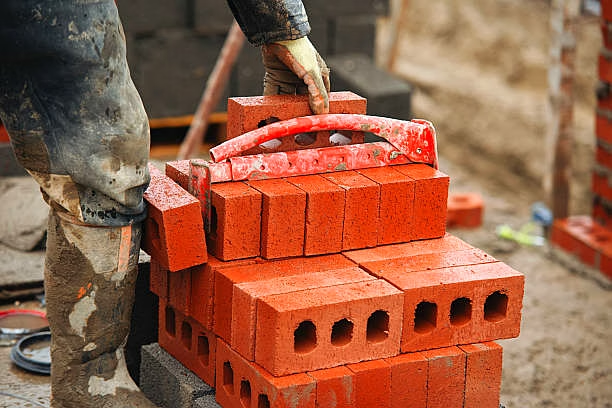
Refractory bricks, also known as fire bricks, are specialized materials designed to withstand extreme heat without deforming or melting. They are essential for lining high-temperature industrial equipment like furnaces and kilns.


Composition :

These bricks are typically made from refractory clay containing high levels of silica, alumina, or magnesia, which provide superior heat resistance up to 2100°C. Their yellowish or light brown color comes from fire-clay processing, with water absorption between 4-10%.


Types :

Refractory bricks are classified by chemical behavior:

Acid bricks (e.g., silica bricks): Resist acidic environments like blast furnaces.

​Basic bricks (e.g., magnesia bricks): Handle alkaline slags in steelmaking.

​Neutral bricks (e.g., chromite bricks): Chemically inert for mixed linings.

Key Properties :

Compressive strength: 15-20 N/mm² or up to 200-220 kg/cm².

Thermal shock resistance and chemical inertness prevent slag erosion.

Insulating qualities reduce heat loss.


Applications :

Common uses include blast furnaces, ovens, boilers, chimneys, and kilns in the cement, glass, and metal industries. They outperform regular bricks near intense heat sources like fireplaces or barbecues.


Refractory bricks are manufactured through a multi-step process involving raw material preparation, forming, drying, firing, and finishing to achieve high heat resistance. This ensures they can endure temperatures up to 1800°C in industrial applications.


Raw Materials :

High-alumina clays, silica, magnesia, or other minerals are selected for purity and crushed into various particle sizes, from coarse aggregates to fine powders. Binders like clay or resins and water are added during mixing to create a homogeneous, plastic batch with controlled moisture.


Forming :

The mixture is shaped using methods such as hydraulic pressing (for dense bricks), extrusion (for uniform shapes), or casting (for complex forms). This step determines the brick's density and porosity, with standard sizes around 9x4.5x2.5 inches.


Drying and Firing :

Green bricks are dried at 110-150°C to remove moisture and prevent cracks, then fired in kilns at 1300-1800°C. This high-temperature sintering develops the ceramic bond, enhancing strength and thermal stability through phase transformations.


Finishing:

Post-firing, bricks undergo inspection for defects, grinding for precise dimensions, and classification by properties like compressive strength. Qualified bricks are packaged for shipment to furnaces or kilns.


Non-metallic Products

Refractory

Refractory Bricks

Fire Bricks

High Temperature Bricks

Alumina Bricks

Silica Bricks

Magnesia Bricks

Industrial Refractory Materials

Heat Resistant Bricks

Kiln Bricks

Furnace Lining Bricks

Refractory Bricks

Inclusive of all taxes

You Save: 0

Send Inquiry
indian stalwart global sourcing company

Chennai , India

Service Provider , Service Center, Manufacturer, Professional Services, Contractor, Retailer, Brand Owner, Distributor, Exporter, Importer, Wholesaler, Startup

GST- 33bbjpt6176p1zr

  • Days
    Returnable

  • Secure
    Transaction

  • Free
    Delivery

  • Cancellations
    Refund &

  • Day
    Dispatch

Report a problem with this product