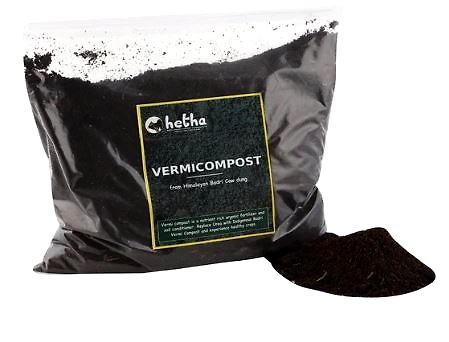
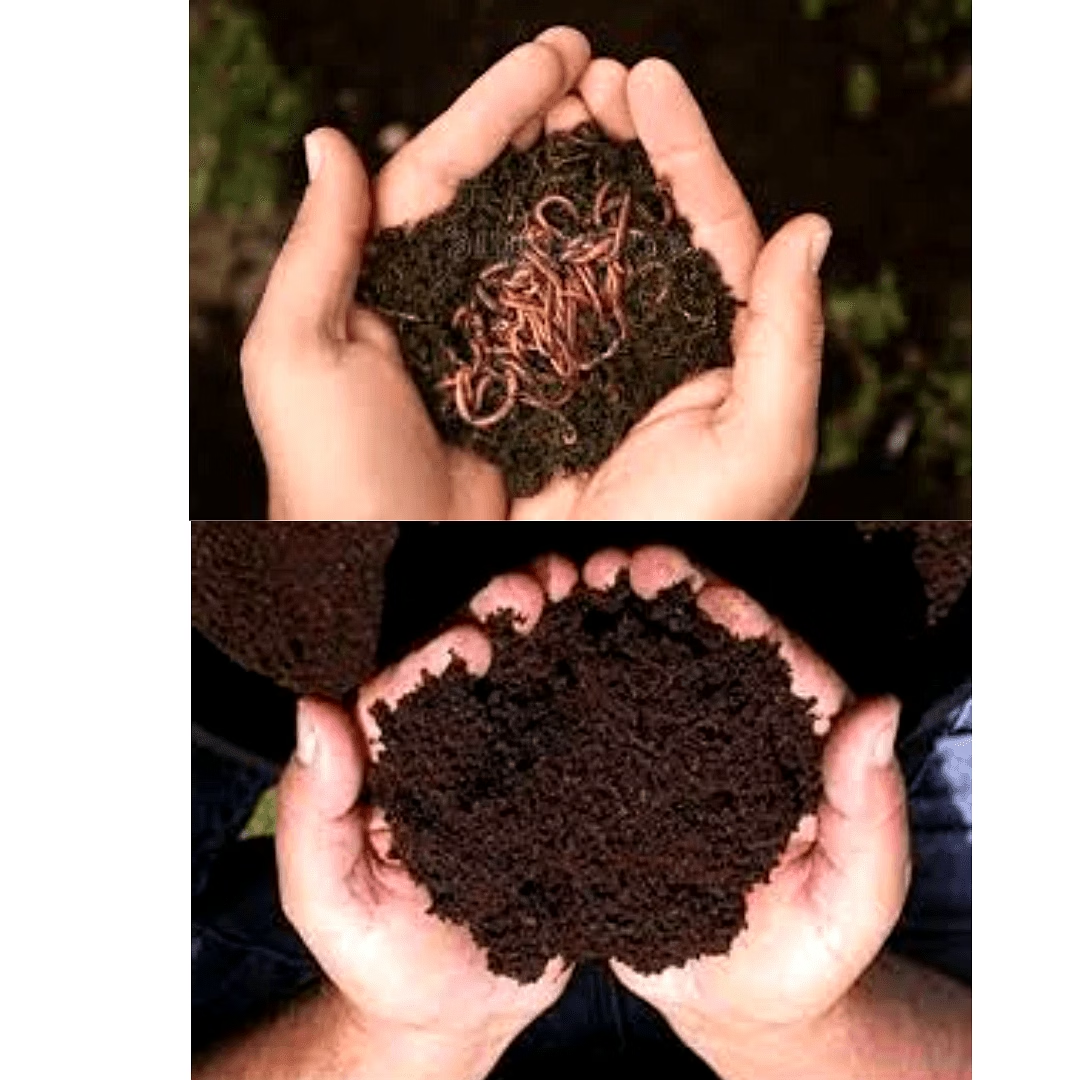
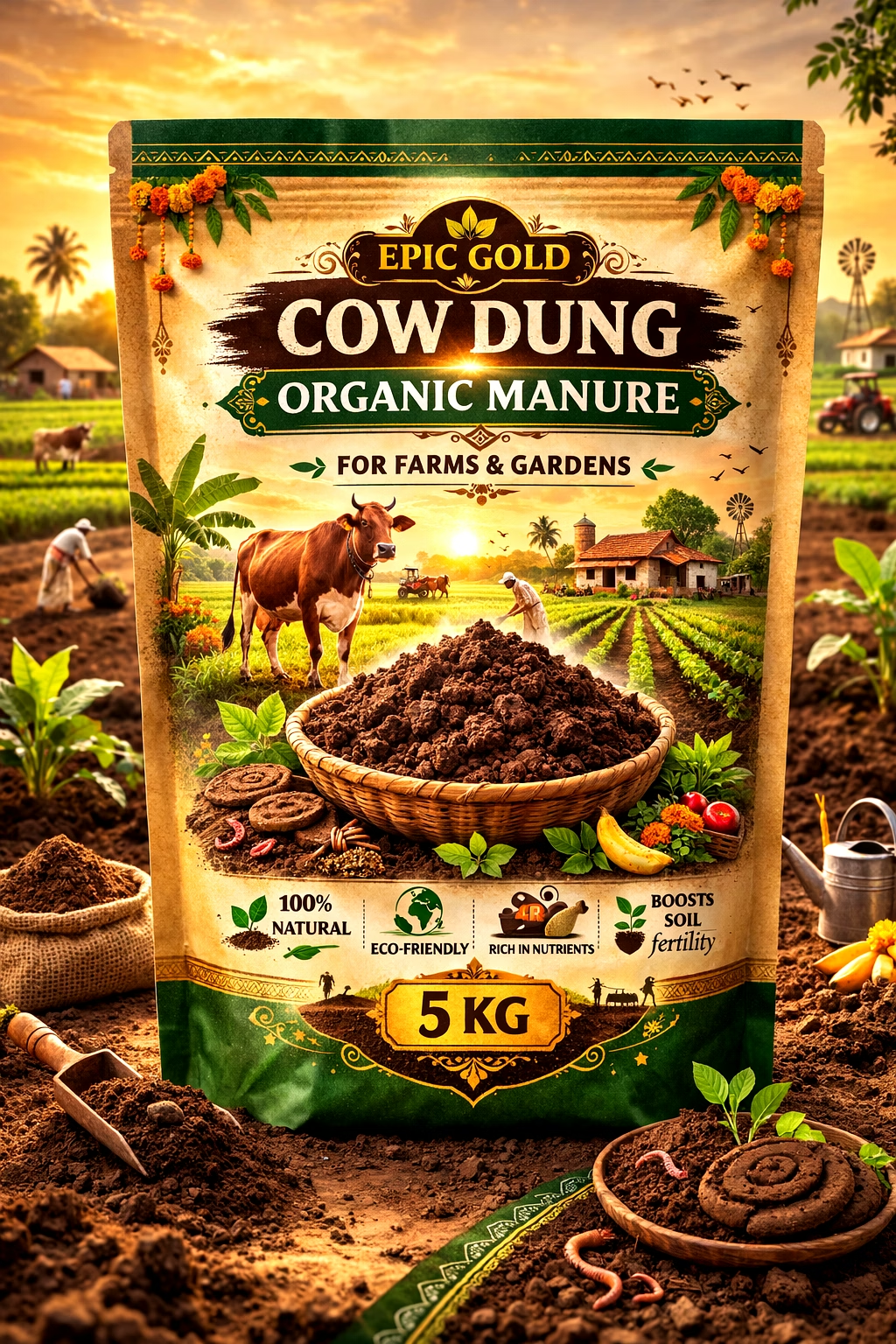
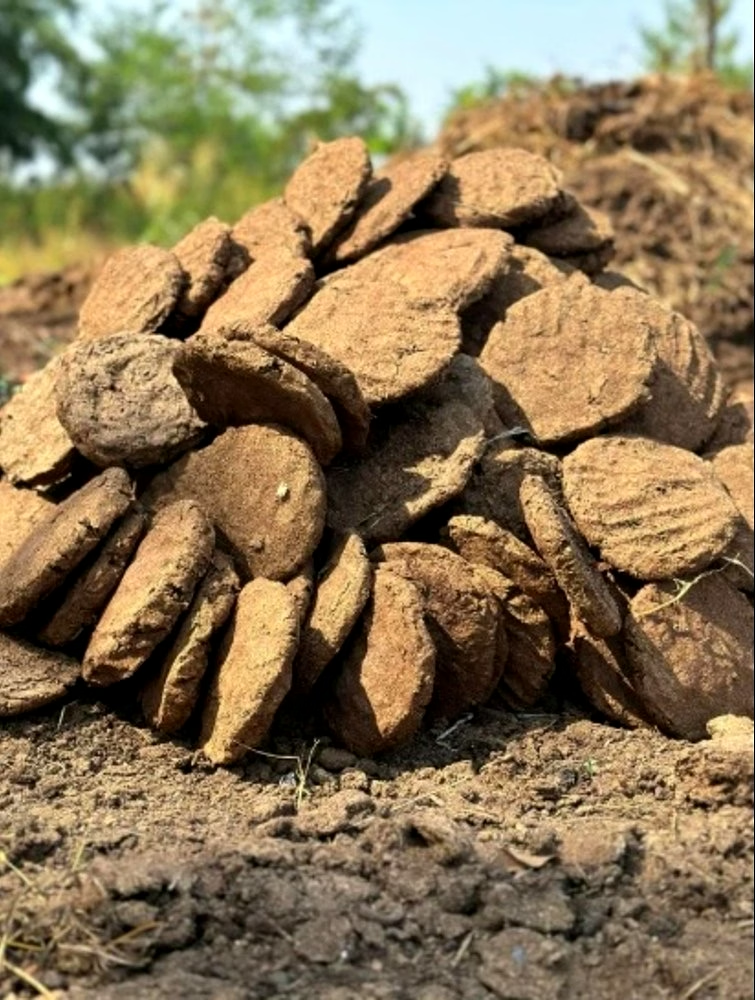
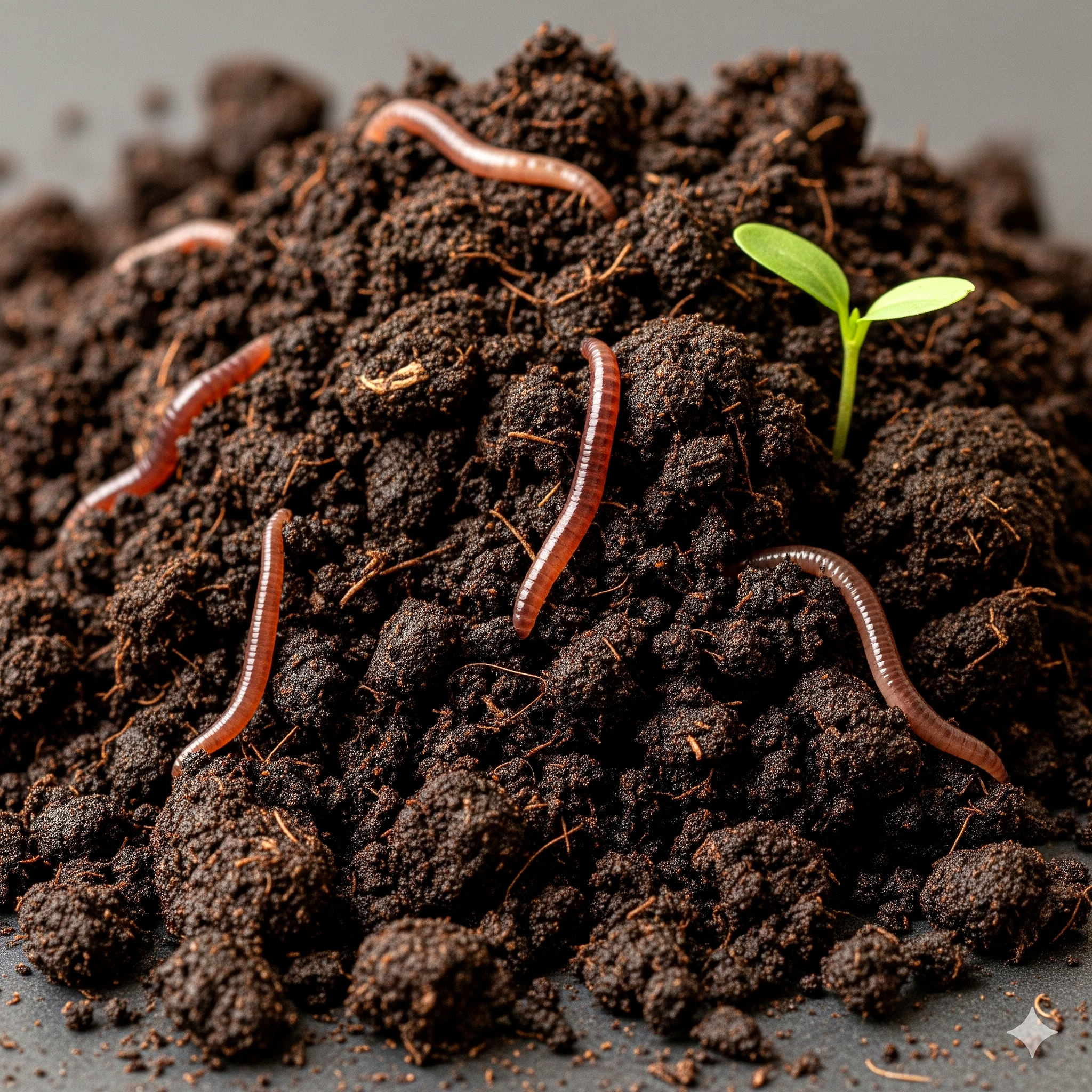
Cow dung vermicompost is an organic fertilizer rich in essential macro- and micronutrients like nitrogen (3%), phosphorus (2%), and potassium (1%) in an ideal 3-2-1 NPK ratio, specifically formulated for boosting soil fertility and improving crop production in food and vegetable farming. It enhances soil structure by increasing aggregation and porosity, leading to better aeration, water retention (up to 50% more moisture), and root penetration, while naturally balancing soil pH and preventing nutrient leaching. The vermicomposting process enriches cow dung with beneficial microbes such as Bacillus, Pseudomonas, Azotobacter, and Rhizobium, which facilitate nitrogen fixation, phosphorus solubilization, disease suppression, and promote a diverse and robust soil microbial ecosystem. This increases enzyme activity and suppresses soil-borne pathogens, leading to healthier plants with enhanced disease resistance. The composted product slowly releases 70-80% of nutrients, supplying a steady nutrient profile throughout the growing season. It is highly recommended for application at 2-4 tons per acre, mixed into soil 2-3 weeks before planting various vegetable crops, including leafy greens (spinach, lettuce), fruiting vegetables (tomatoes, peppers), root vegetables (carrots, potatoes), and legumes (beans, peas), each benefiting from cow dung vermicompost's tailored nutrient profile. The use of cow dung vermicompost in sustainable agriculture not only improves crop yield by 15-30% but also enhances crop quality by increasing vitamin and mineral content, improving flavor and shelf life. Environmentally, it serves as an affordable and eco-friendly alternative to chemical fertilizers, recycles agricultural waste, supports biodiversity, and may be used for biogas production as a renewable energy source. Best practices include thorough composting prior to use, soil testing for pH and nutrients, and combining with crop rotation strategies to optimize soil health and crop productivity.
Key Features
| Features | Description |
|---|---|
| Nutrient Composition | Nitrogen (3%), Phosphorus (2%), Potassium (1%) with additional micronutrients like Boron, Molybdenum, Zinc |
| Soil Structure Improvement | Enhances aggregation, porosity, aeration, and water retention by up to 50% |
| Microbial Enrichment | Contains beneficial bacteria including Bacillus, Pseudomonas, Azotobacter, Rhizobium enhancing nutrient cycling and disease suppression |
| Application Rate | 2-4 tons per acre, mixed into soil 2-3 weeks before planting |
| Crop Suitability | Effective for leafy, fruiting, root vegetables and legumes |
| Yield Improvement | Increases crop yield by 15-30% with improved crop quality and disease resistance |
| Environmental Benefits | Eco-friendly alternative reducing chemical fertilizer use and supports biodiversity |
| Economic Advantage | Affordable and accessible organic fertilizer option for farmers |
| Biogas Production Potential | Anaerobic digestion of cow dung can generate renewable energy |
| Usage Recommendation | Use only well-composted cow dung vermicompost; fresh dung must be aged to avoid phytotoxicity and pathogens |
| Attributes | Description |
|---|---|
| NPK Ratio | 3-2-1 (Nitrogen 3%, Phosphorus 2%, Potassium 1%) |
| Organic Matter Content | High, retains 70-80% nutrients |
| Micronutrients | Boron, Molybdenum, Zinc, Calcium, Magnesium, Sulfur |
| Beneficial Microbes | Bacillus spp., Pseudomonas spp., Azotobacter, Rhizobium |
| Composting Duration | 3-6 months for full decomposition |
| Recommended Application Timing | 2-3 weeks before planting |
| Application Rate | 2-4 tons per acre |
| Soil pH Effect | Buffers and maintains optimal pH for nutrient uptake |
| Water Retention Improvement | Enhances soil moisture holding capacity by 50% |
| Disease Suppression | Suppresses soil-borne pathogens through microbial competition |
*Disclaimer: The above description has been AI-generated and has not been audited or verified for accuracy. It is recommended to verify product details independently before making any purchasing decisions.
Cow dung vermicompost should be composted for 3-6 months to ensure safe use on food crops by eliminating pathogens and stabilizing nutrient content.
The compost enriches soil with beneficial microbes such as Bacillus and Pseudomonas species that outcompete harmful pathogens, naturally suppressing soil-borne diseases.
No, fresh cow dung must be aged 90-120 days or properly composted to avoid burning plants and reduce risks of pathogen contamination.
Apply 2-4 tons per acre mixed thoroughly into the soil 2-3 weeks before planting for optimal nutrient availability.
It increases soil moisture holding capacity by up to 50%, reducing irrigation frequency and improving drought tolerance.
Yes, it is effective for leafy, fruiting, root vegetables, and legumes, providing tailored nutrients supporting their specific growth stages.
Brand: lawa
Country Of Origin: India
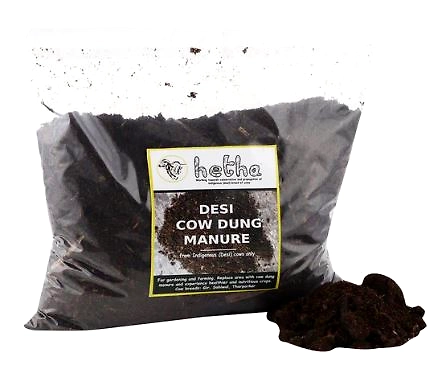
Cow dung vermicompost is a superior product to regular cow dung manure, offering higher nutrient content and improved soil conditioning properties.
It is a versatile and effective bio-fertilizer that benefits the soil and plants across various growing environments.
The vermicomposting process is a natural way to recycle organic waste into a valuable product for sustainable gardening and farming.
-
Benefits for Plants and Soil
Nutrient-rich:
It provides plants with essential macronutrients (N, P, K) and micronutrients, supporting healthy development.
Improves soil health:
It enhances soil structure, aeration, drainage, and water-holding capacity.
Beneficial microorganisms:
It introduces beneficial microbes that fix nitrogen and help decompose organic matter, creating a healthier soil environment.
Disease suppression:
It helps to suppress plant diseases and pests.
Organic and safe:
It's a natural, chemical-free fertilizer free from weed seeds and pathogens.
How it's Used
Gardening: It's ideal for home gardeners with small plots, balconies, or indoor spaces.
Agriculture: It boosts crop yields and soil fertility for larger farms.
Application: It is easy to apply, handle, and store.