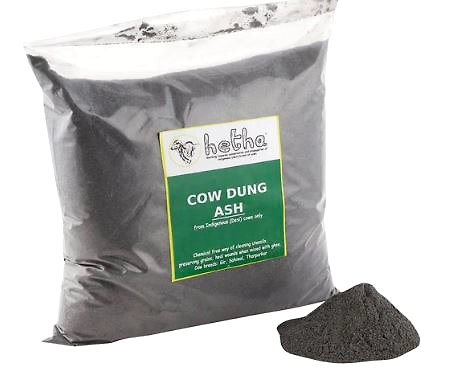
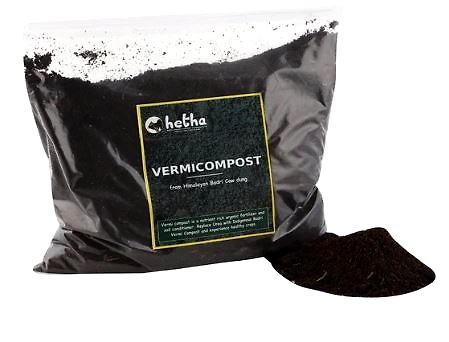
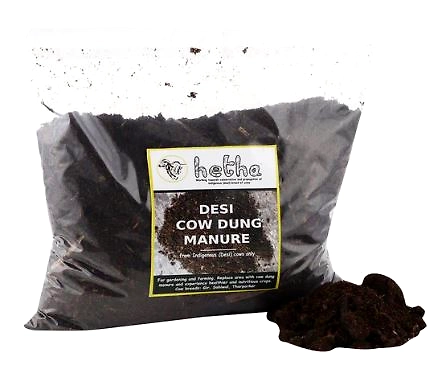
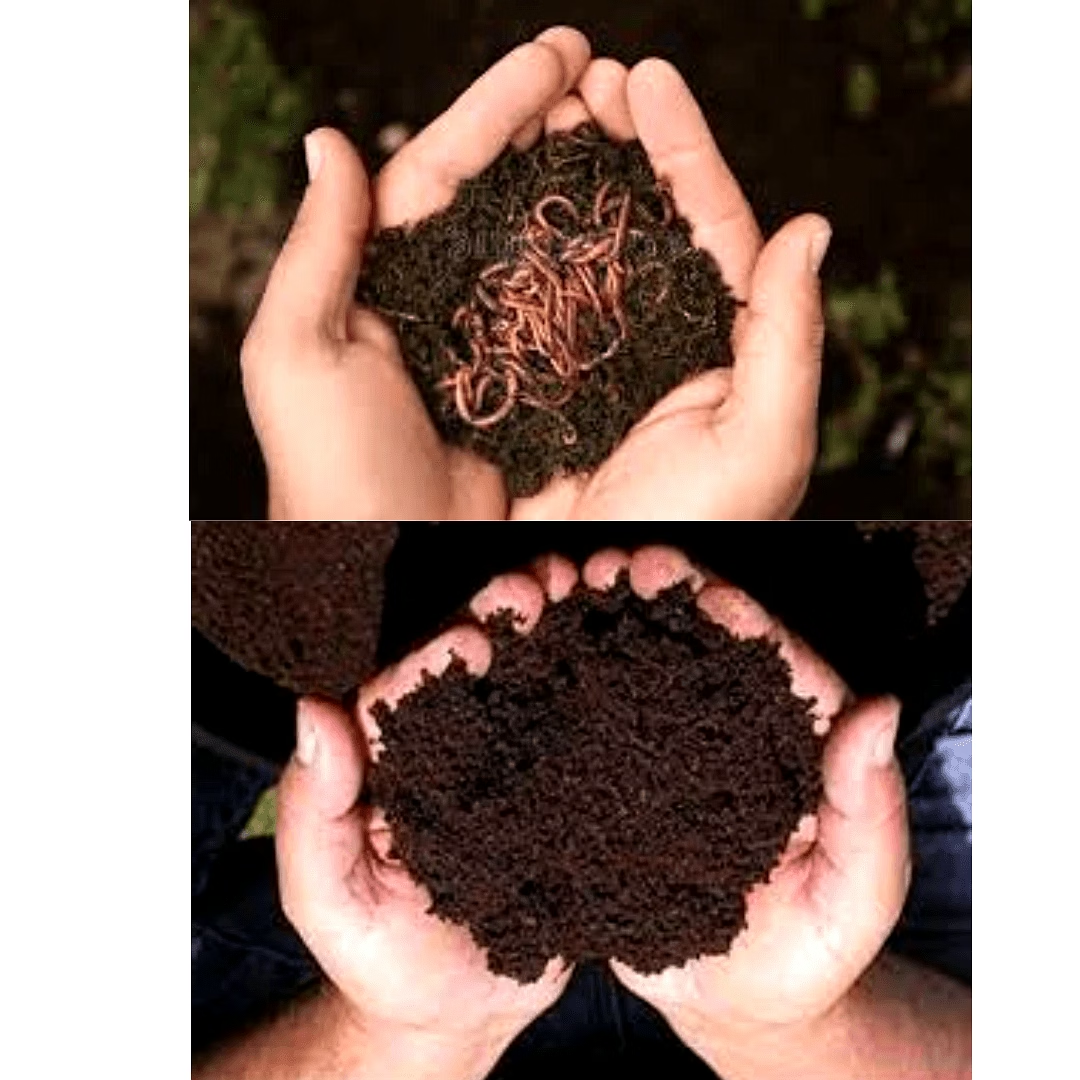
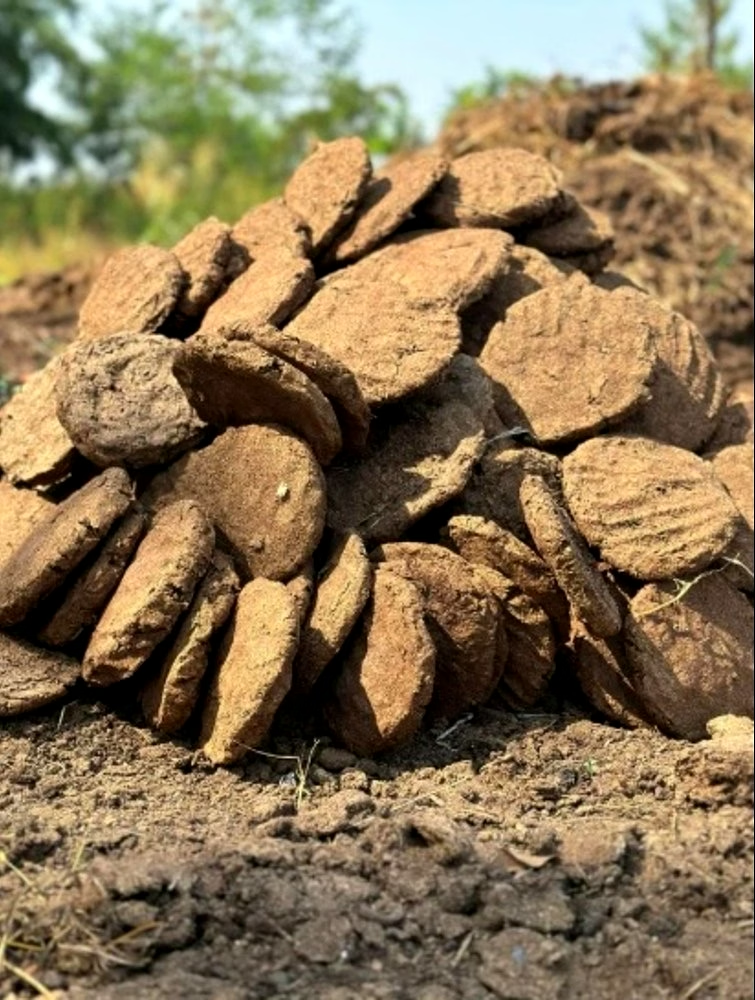
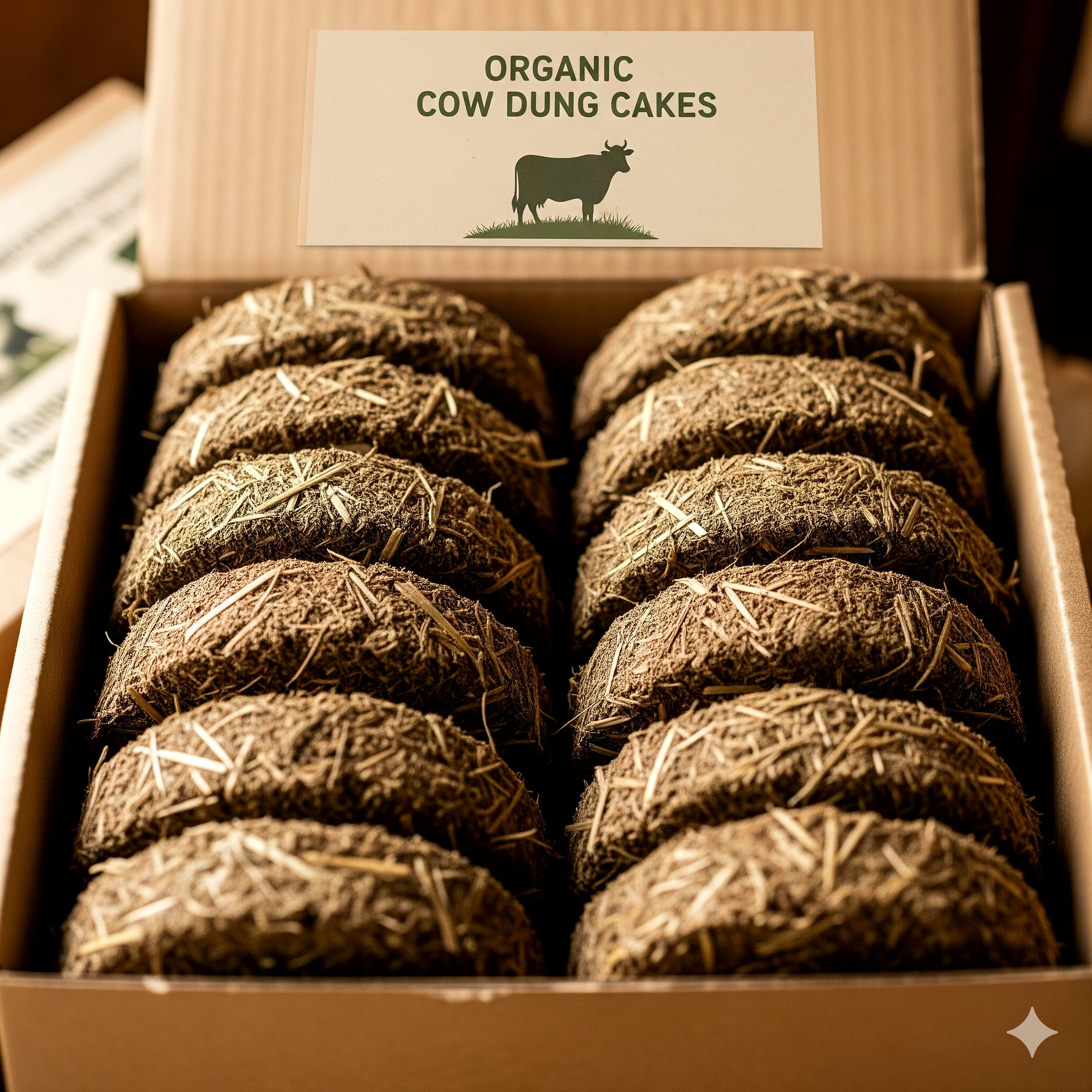
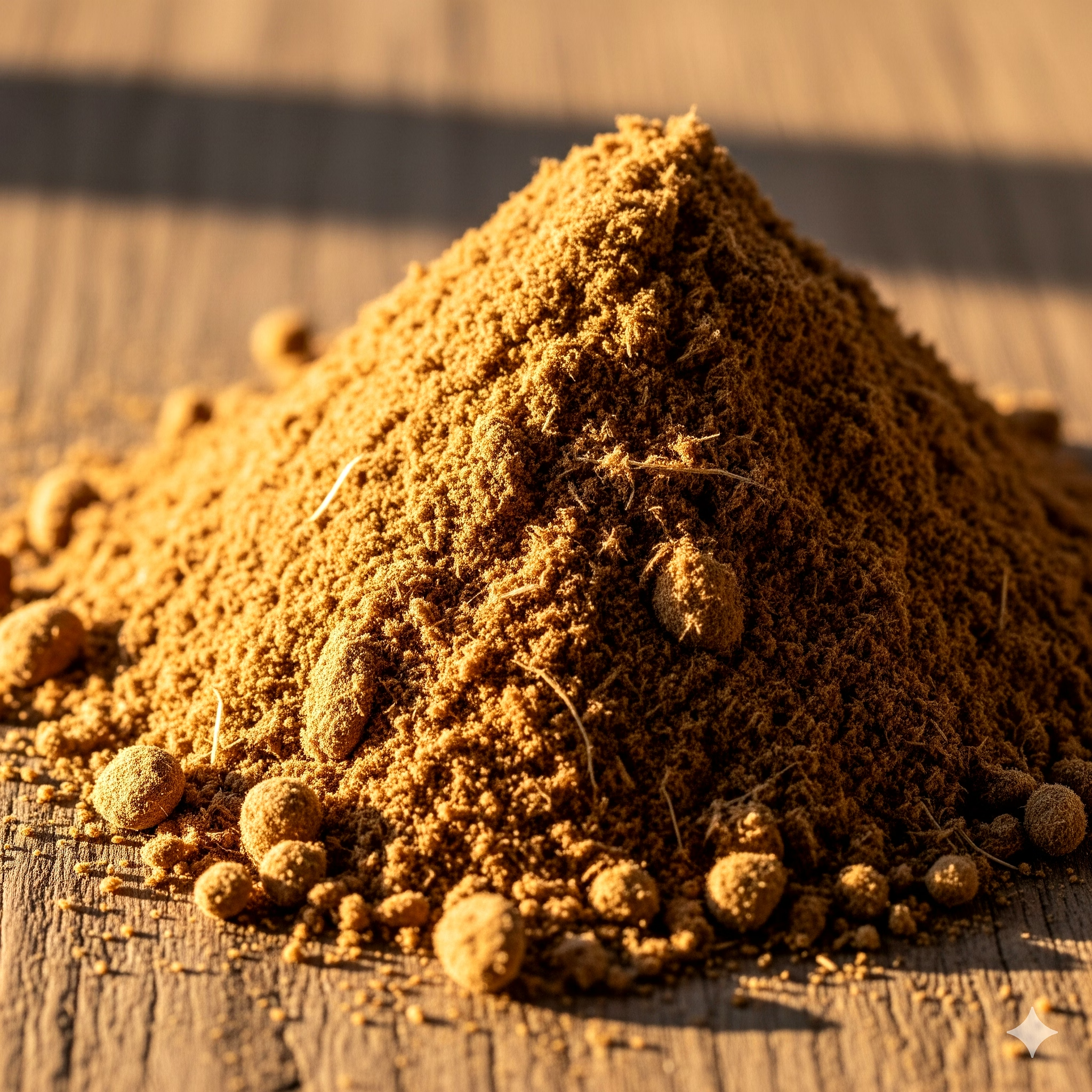
Cow dung provides essential nutrients like nitrogen, phosphorus, and potassium, which fertilize soil, improve its structure, and increase water retention. It boosts beneficial microbial activity, which enhances soil fertility and helps suppress pests and diseases. Cow dung is also an eco-friendly and affordable organic option that reduces reliance on chemical fertilizer , with potential for bio gas production for energy.
Benefits for Soil and Plant Health
• Nutrient-Rich Fertilizer : Cow dung supplies vital macro- and micro nutrients that plants need for healthy, strong growth.
• Improved Soil Structure: The organic matter in cow dung enhances soil texture, leading to better aeration, water retention, and root penetration.
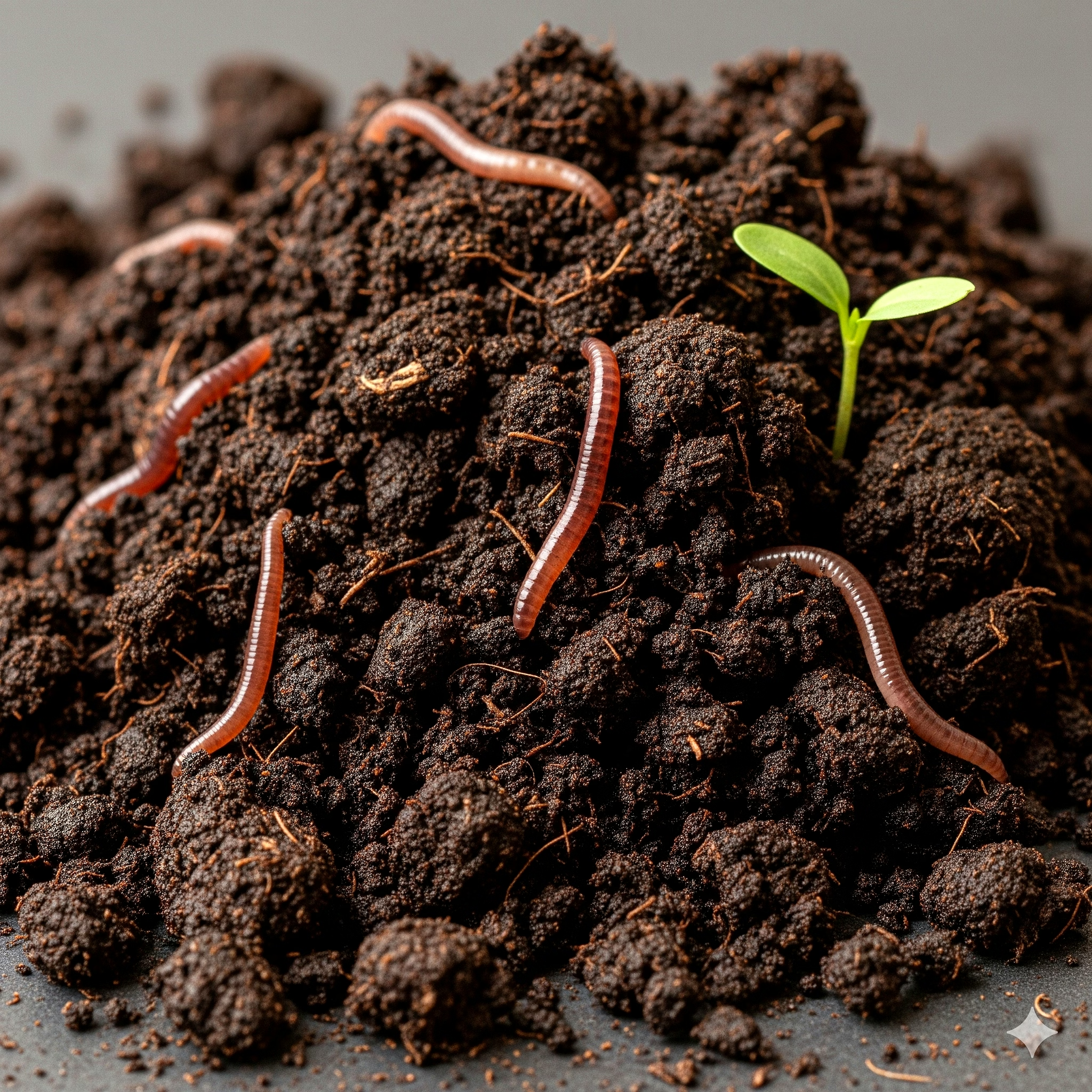
• Increased Microbial Activity: It promotes a healthy soil environment by fostering beneficial microbes and fungi, which improve nutrient availability and soil fertility.
• Enhanced Water Retention: Soil enriched with cow dung holds moisture more effectively, reducing the need for frequent watering, especially in dry conditions.
• Pest and Disease Suppression: The presence of certain microbes in cow dung can help naturally suppress soil-borne diseases and deter pests.
Environmental and Economic Benefits
• Eco-Friendly Alternative: Using cow dung as a natural fertilizer is a sustainable practice that recycles waste and decreases the environmental impact of chemical fertilizers
• Affordable and Accessible: Cow dung is a low-cost, readily available resource, making it an economically viable option for farmers of all scales.
• Biogas Production: Anaerobic digestion of cow dung can produce biogas for cooking, heating, and electricity, turning waste into a renewable energy source.
-: Based on my comprehensive research, here are the key benefits of cow dung in agriculture for food and vegetable production:-
Nutritional Benefits
**NPK Content**
Nitrogen (3%): Essential for leafy growth and chlorophyll production
Phosphorus (2%): Crucial for root development, flowering, and fruiting
Potassium (1%): Improves disease resistance and overall plant health
3-2-1 NPK ratio: Ideal balance for most vegetables and food crops
**Additional Nutrients:**
Micronutrients: Boron (promotes flowering/fruiting), Molybdenum, Zinc, Calcium, Magnesium, Sulfur
Organic Matter: 70-80% of nutrients are retained and slowly released to plants
Trace Elements: Essential for complete plant nutrition
Soil Health Improvements
**Physical Benefits:**
Soil Structure: Improves soil aggregation and porosity
Water Retention: Increases soil's ability to hold moisture by 50%
Aeration: Creates better air circulation in soil
Erosion Control: Binds soil particles together
**Chemical Benefits:**
Organic Carbon: Increases soil organic matter content significantly
pH Balance: Naturally buffers soil pH for optimal nutrient availability
Nutrient Retention: Prevents leaching of essential nutrients
Microbial Benefits
Beneficial Bacteria:
Bacillus species: Nitrogen fixation and disease suppression
Pseudomonas: Phosphorus solubilization and root protection
Azotobacter: Atmospheric nitrogen fixation
Rhizobium: Symbiotic nitrogen fixation with legumes
Soil Ecosystem:
Increased Diversity: Enhances bacterial and fungal diversity by up to 40%
Enzyme Activity: Boosts soil enzyme production for nutrient cycling
Disease Suppression: Beneficial microbes outcompete harmful pathogens
Application Methods
**Composted Cow Dung (Recommended):**
Composting Time: 3-6 months for full decomposition
Application Rate: 2-4 tons per acre for vegetables
Method: Mix into soil 2-3 weeks before planting
**Fresh Cow Dung (Caution Required):**
Must be aged 90-120 days before use on food crops
Can burn plants if applied fresh
Risk of pathogen contamination
**Specific Benefits for Food & Vegetable Crops**
**Leafy Vegetables** (Spinach, Lettuce, Cabbage):
High nitrogen content promotes lush foliage
Improves leaf quality and nutritional value
**Fruiting Vegetables** (Tomatoes, Peppers, Eggplant):
Balanced NPK supports both vegetative growth and fruit production
Boron content enhances flowering and fruit set
**Root Vegetables** (Carrots, Potatoes, Onions):
Phosphorus promotes strong root development
Improves soil structure for better root penetration
**Legumes** (Beans, Peas):
Supports nitrogen-fixing bacteria in root nodules
Reduces need for additional nitrogen fertilizers
**Quality and Yield Improvements**
**Crop Quality:**
Nutritional Value: Increases vitamin and mineral content in produce
Flavor: Enhances taste and aroma of fruits and vegetables
Shelf Life: Produces stronger, more resilient plants with longer storage life
**Yield Benefits:**
Increased Production: Studies show 15-30% yield increases
Consistent Harvests: Provides steady nutrient supply throughout growing season
Disease Resistance: Healthier plants with natural disease suppression
**Sustainable Agriculture Benefits**
**Environmental Advantages:**
Carbon Sequestration: Increases soil carbon storage
Waste Recycling: Converts animal waste into valuable resource
Reduced Chemical Dependency: Decreases need for synthetic fertilizers
Biodiversity: Supports beneficial insects and soil organisms
**Economic Benefits:**
Cost Effective: Significantly cheaper than chemical alternatives
**Best Practices for Use**
Always compost** cow dung before use on food crops
Test soil pH** and nutrient levels before application
Apply 2-3 weeks** before planting for best results
Combine with crop rotation** for maximum soil health benefits
Monitor moisture levels** to prevent over-watering
Cow dung represents one of nature's most complete and sustainable fertilizers, providing not just immediate nutrition but building long-term soil health that supports productive, resilient food and vegetable production systems.
* A greenhouse study from Saudi Arabia showed that composted cow manure (CMC) significantly improved soil microbial biomass, microbial nitrogen, dehydrogenase activity, and phosphomonoesterase activity—all of which led to better plant height and biomass in corn crops.
Description provided by lawa energy.

 FIEO Registered
Export Ready
FIEO Registered
Export Ready