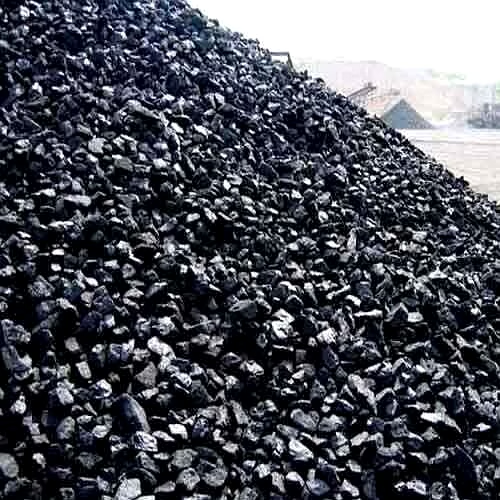
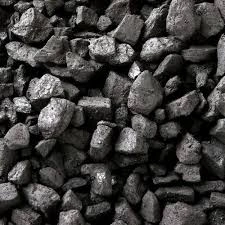
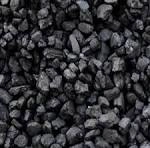
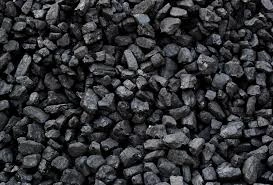
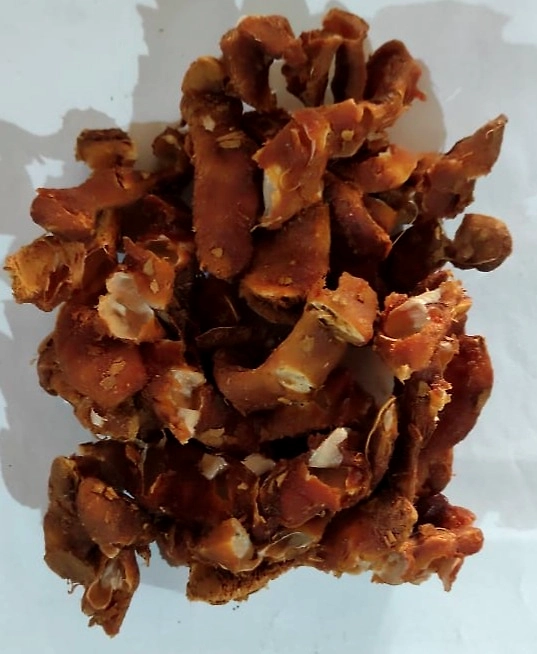
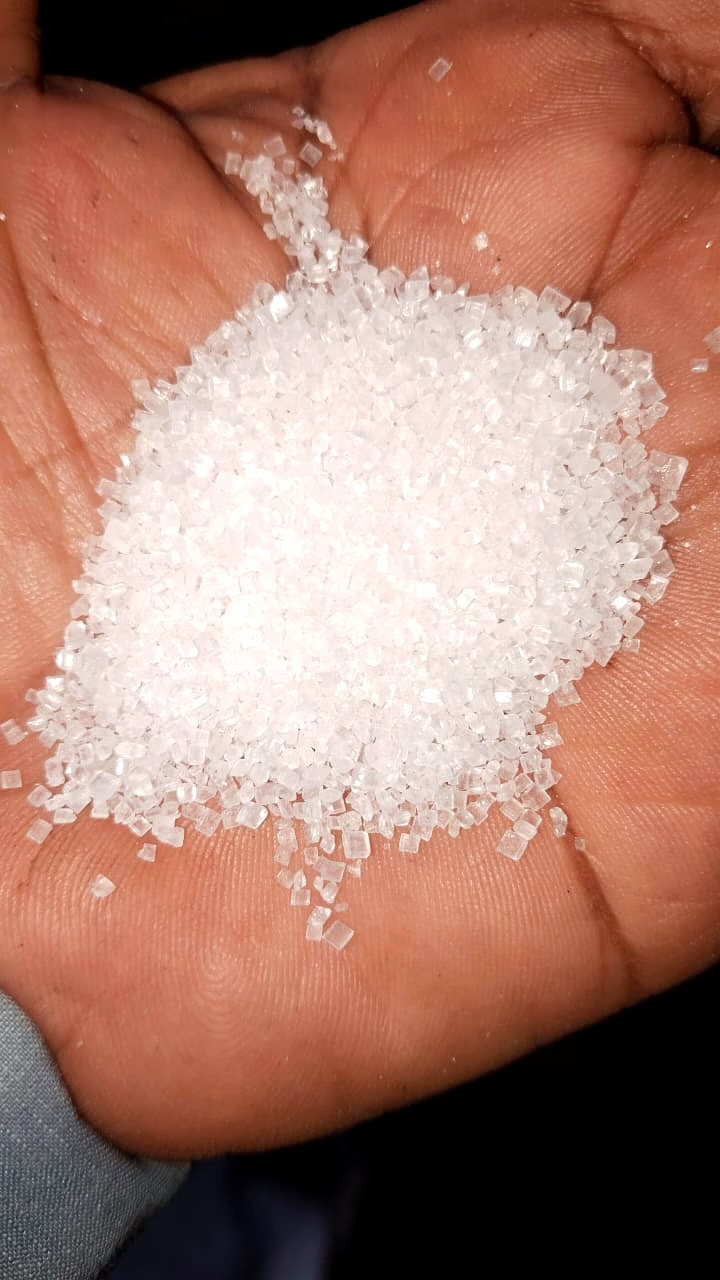
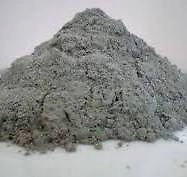
Fly ash, a byproduct from coal-fired power plants, offers a plethora of benefits for the construction and engineering industries. It is primarily produced when pulverized coal combusts in the boiler, resulting in fine ash particles that can be utilized in various applications, significantly reducing the environmental footprint of concrete products. Fly ash functions as a pozzolan in Portland cement concrete (PCC) applications, enhancing durability and providing significant compressive strength. With its lightweight properties, fly ash helps lower the overall structural weight of buildings, leading to substantial savings in materials, such as steel and concrete. This innovative material adheres to stringent quality standards and regulations, ensuring reliable use in construction projects while promoting sustainable engineering practices.
Key Features
| Features | Description |
|---|---|
| Source Origin | Produced from pulverized coal during combustion in power plants |
| Applications | Used in Portland cement concrete, soil stabilization, asphalt filler, flowable fills, and more |
| Pozzolanic Activity | Enhances durability and compressive strength in concrete applications |
| Weight Reduction | Results in blocks that are 40% lighter than traditional bricks |
| Loss on Ignition (LOI) | Measured at below 5% for increased durability as per BIS |
| Fineness | Should not exceed 320 m2/kg to ensure strong pozzolanic activity |
| Calcium Content | Class C (high calcium) and Class F (low calcium) classifications available |
| Temperature Classification | Low Temperature (LT) for amorphous phases and High Temperature (HT) for glassy reactive phases |
| Attributes | Description |
|---|---|
| Specific Gravity | 0.6 to 0.65 |
| Calcium Classification | Class C (>10% lime) and Class F (<10% lime) |
| Potential Applications | Used up to 20 million metric tons annually in various engineering applications |
| Composition (Lime Route) | Fly Ash (50%), Slaked Lime (30%), Anhydrous Gypsum (20%) |
| Composition (Cement Route) | Fly Ash (76%), OPC (20%), Anhydrite (4%) |
*Disclaimer: The above description has been AI-generated and has not been audited or verified for accuracy. It is recommended to verify product details independently before making any purchasing decisions.
The main benefit is its pozzolanic activity, which enhances the durability and compressive strength of concrete while reducing the overall material weight.
A lower LOI indicates reduced carbon and moisture content, which translates to higher durability and strength in the final concrete product.
Fly ash is classified into Class C and Class F based on calcium content and can also be categorized as low temperature (LT) and high temperature (HT), affecting its pozzolanic reactivity.
Using fly ash in construction can reduce the dead load of structures, thereby saving approximately 30 to 35% in structural steel and concrete requirements.
HT fly ash contains glassy reactive phases and is generated at temperatures exceeding 1000 °C, making it more reactive with Ordinary Portland Cement (OPC) and suitable for high-performance applications.
Brand: dalai impex
Country Of Origin: India
Coal Fly Ash are designed for efficient, large-scale use across global markets. These products reflect a balance of sustainability, functionality, and traditional utility?making them suitable for food service, distribution, and environmentally responsible consumption.
Features:
Attributes:
Product Overview
Coal Fly Ash provide a practical and responsible alternative in today's B2B market. Designed for efficiency, they meet industry standards for sustainability, packaging, and consumer safety.
Usage & Industry Applications
Ideal for use in the food service sector, distribution chains, and export-focused supply models, these products serve multiple functions depending on regional and cultural use?from packaging to presentation.
Construction and Design
Each item is produced from quality-controlled, natural raw materials such as leaves, nuts, or mined substances. The focus is on chemical-free processing, ease of disposal, and storage durability.
Environmental and Regulatory Benefits
Compliant with eco and trade regulations, these goods contribute to reduced plastic dependency and align with sustainable sourcing initiatives. Perfect for bulk export, especially where circular economy goals are in place.
Export Readiness
With strong demand in North America, Europe, and APAC regions, these products are available in scalable quantities with packaging optimized for international logistics and safety requirements.
Inclusive of all taxes
You Save: 0
Cuttack , India
Retailer, Distributor, Exporter, Importer, Wholesaler
GST- 21afcpd0765q3zh