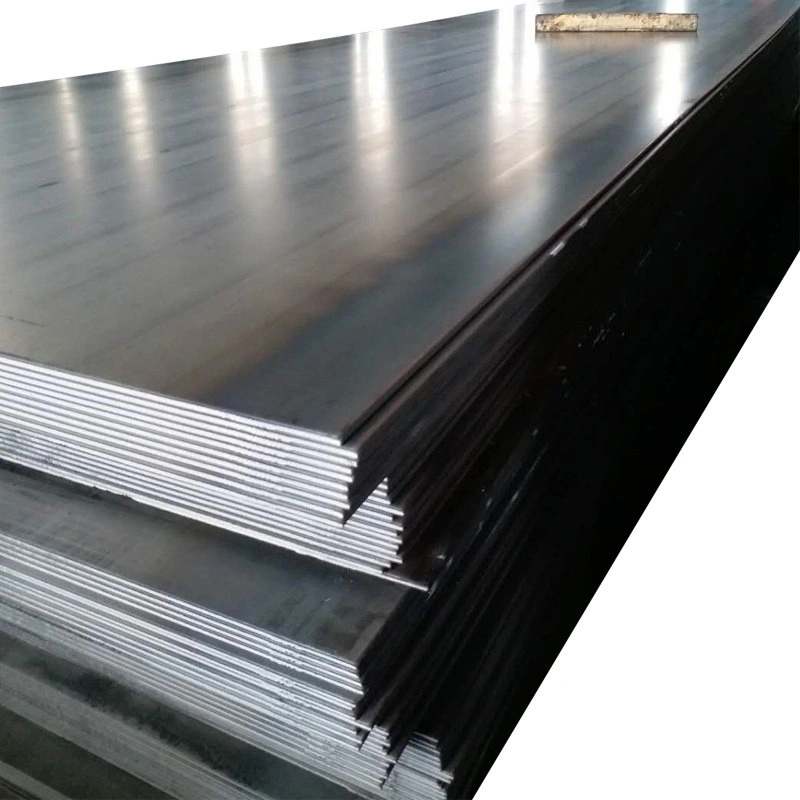
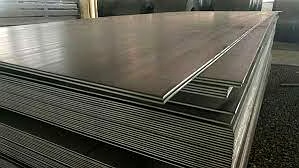
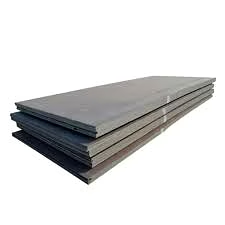
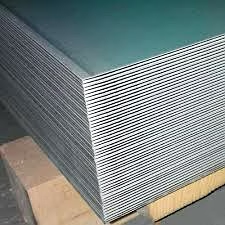
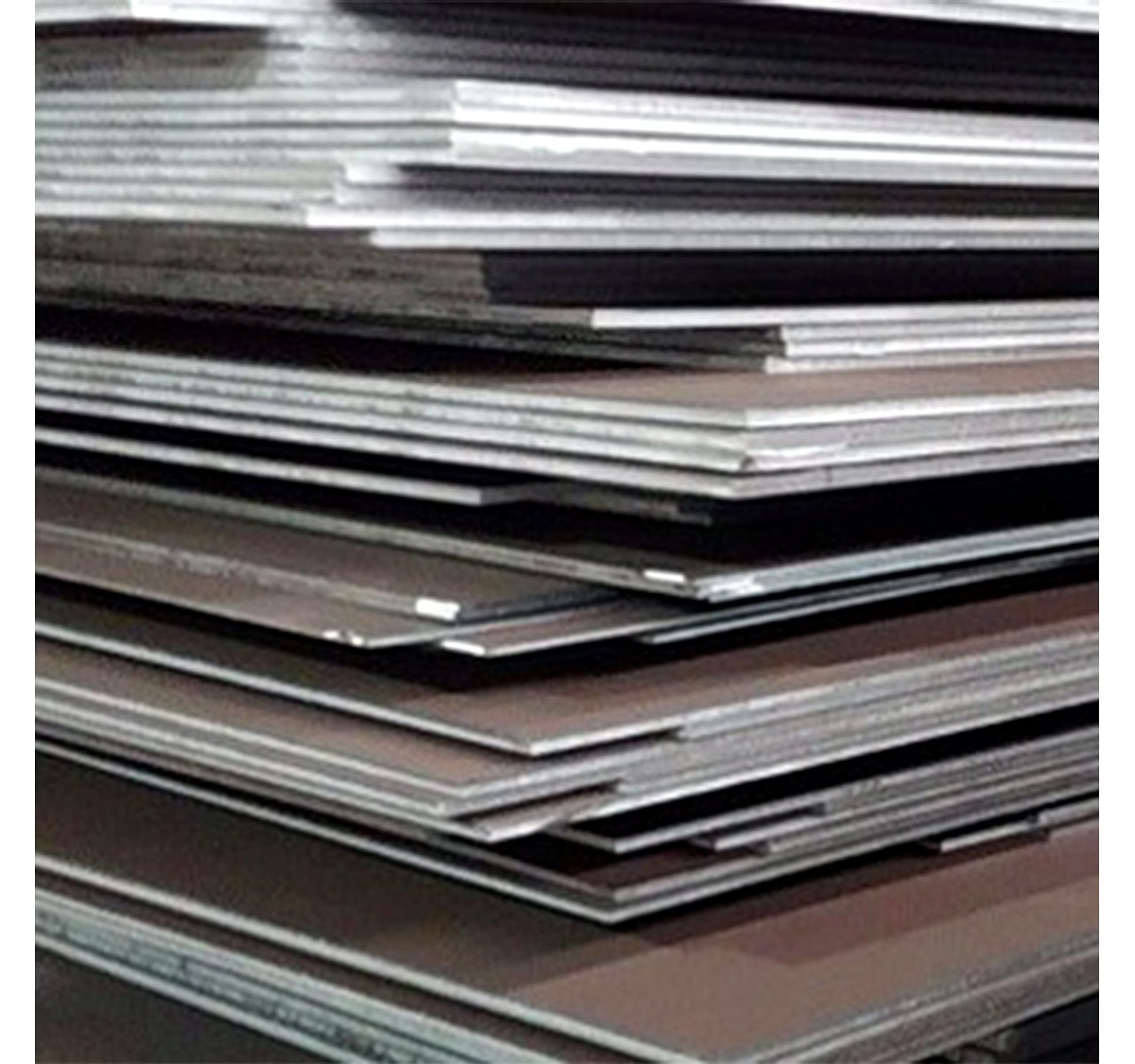
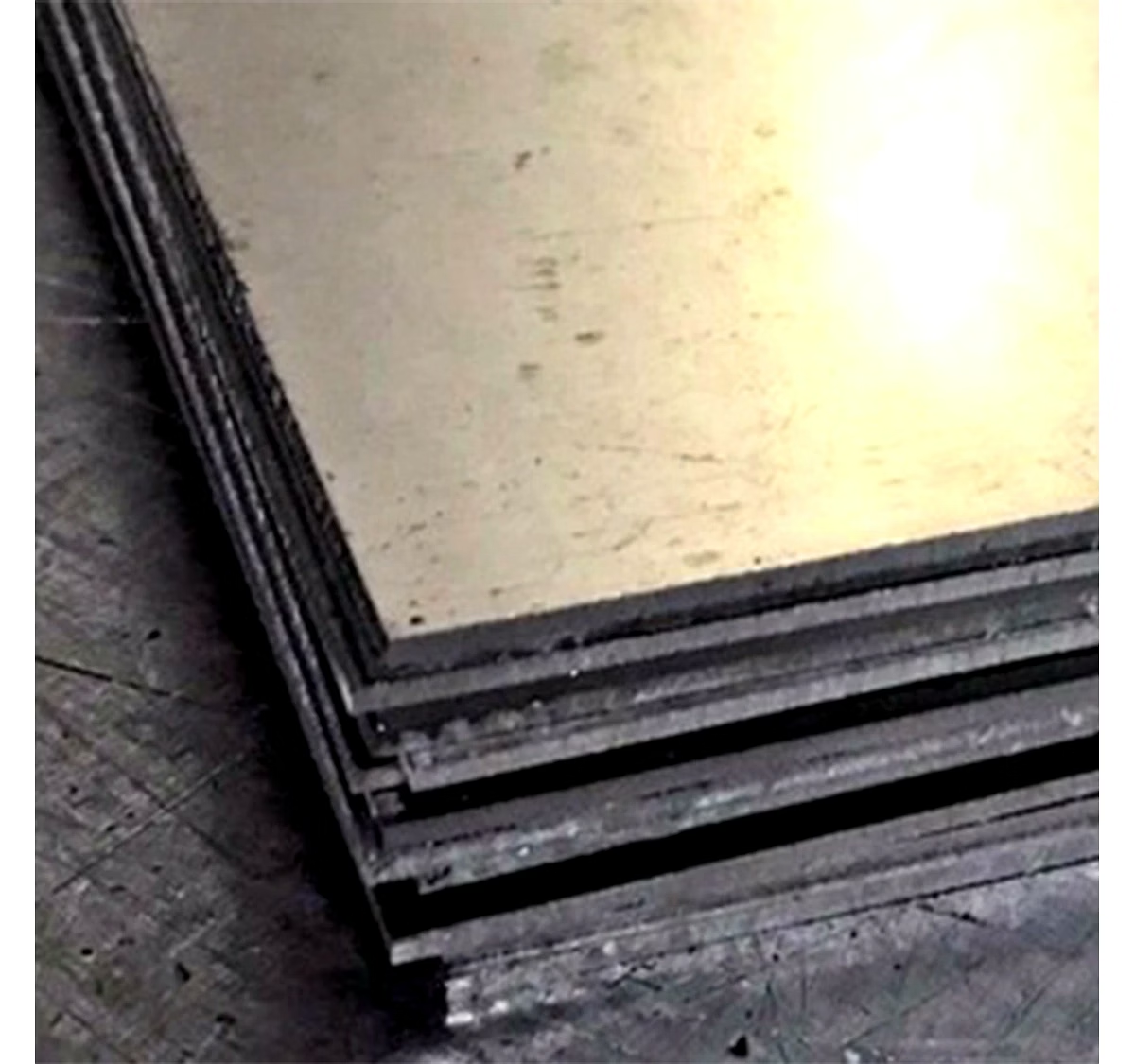
Carbon Steel Sheets & Plates are essential materials primarily composed of iron and carbon, offering an impressive balance of strength, ductility, and cost-effectiveness. Available in various grades like ASTM A36 and ASTM A516, these products cater to diverse industrial needs—from construction and manufacturing to automotive applications. With differences in thickness (sheets < 6mm and plates > 6mm) and distinct properties influenced by carbon content, selecting the right grade based on specific application requirements is crucial. Common uses include structural frameworks, machinery parts, transportation components, and energy sector applications, highlighting their versatility and reliability in demanding environments.
Key Features
| Features | Description |
|---|---|
| Composition | Primarily iron and carbon with trace elements. |
| Thickness | Sheets: < 6 mm; Plates: > 6 mm. |
| Carbon Content | Low (0.05% - 0.25%), Medium (0.25% - 0.60%) available. |
| Common Grades | ASTM A36, ASTM A283, ASTM A572, ASTM A516, IS 2062. |
| Applications | Construction, manufacturing, energy, transportation, automotive. |
| Surface Treatments | Options include galvanizing and painting for enhanced corrosion resistance. |
| Attributes | Description |
|---|---|
| Material Type | Carbon Steel |
| Tensile Strength | Varies by grade, from medium to high strength options. |
| Yield Strength | Dependent on selected grade, e.g., ASTM A36 exhibits around 250 MPa. |
| Machinability | High, suitable for various industrial machining processes. |
| Weldability | Generally good, varies depending on carbon content. |
| Corrosion Resistance | Generally lower than that of stainless steel. |
*Disclaimer: The above description has been AI-generated and has not been audited or verified for accuracy. It is recommended to verify product details independently before making any purchasing decisions.
The primary difference is thickness; sheets are generally less than 6 mm while plates are thicker than 6 mm.
They are widely used in construction for structural frameworks, in manufacturing for machinery parts, and in the automotive sector for body panels.
Higher carbon content increases strength and hardness but decreases ductility; low carbon steel is more formable while medium carbon steel offers a balance of strength and ductility.
Yes, they offer good weldability, particularly the lower carbon grades, but the weldability can vary with carbon content.
Common treatments include galvanizing and painting that provide a protective layer against rust and deterioration.
Country Of Origin: India
Carbon steel sheets and plates are flat-rolled products composed mainly of iron and carbon, with small percentages of other elements like manganese, silicon, and copper. The carbon content is the primary determinant of the steel's properties.
Carbon Steel Sheets & Plates: Composition and Properties
Steel Sheets: Typically have a thickness of less than 6 mm (0.236 inches).
Steel Plates: Generally thicker than 6 mm (0.236 inches).
Carbon Content: Carbon steel is broadly classified based on its carbon content:
Low Carbon Steel (Mild Steel): 0.05% to 0.25% carbon. Known for its high ductility, toughness, machinability, and weldability. It is relatively low in cost and easy to form.
Medium Carbon Steel: 0.25% to 0.60% carbon. Offers a balance of strength and ductility, with improved hardenability compared to low carbon steel.
Common Carbon Steel Grades for Sheets & Plates
Several standard grades of carbon steel are used for sheets and plates, each with specific properties and applications. Some common examples include:
ASTM A36: A common structural steel grade, known for its good weldability, ductility, and strength. Widely used in construction for beams, columns, and various structural components.
ASTM A283: A low to medium tensile strength carbon steel used for general structural purposes. Available in different grades (A, B, C, D) with varying strength levels.
ASTM A572: A high-strength, low-alloy steel with good weldability and formability. Often used in construction and heavy machinery where higher strength-to-weight ratio is required.
ASTM A516: A carbon steel primarily for pressure vessels and boilers, especially for lower-temperature service. Available in different grades (55, 60, 65, 70) with increasing tensile strength.
IS 2062: An Indian Standard for hot-rolled medium and high-tensile structural steel. Grade B is a common designation with good tensile and yield strength, suitable for various structural applications.
SAE/AISI 10xx series: These grades are designated by a four-digit number where the last two digits indicate the carbon content in hundredths of a percent (e.g., 1010 has approximately 0.10% carbon, 1045 has approximately 0.45% carbon). These steels offer a range of properties depending on the carbon content, from formable (1008, 1010) to higher strength (1045, 1070) and spring steel grades (1095).
Applications of Carbon Steel Sheets & Plates
Carbon steel sheets and plates are fundamental materials in numerous industries due to their strength, versatility, and cost-effectiveness:
Construction: Structural frameworks for buildings, bridges, reinforcement in concrete, roofing, cladding, and fabrication of building components like doors, window frames, and staircases.
Manufacturing: Machinery parts, automotive body panels and chassis components, storage tanks, pressure vessels, shipbuilding, and various industrial equipment.
Transportation: Rail cars, truck frames, and components for heavy equipment.
Energy: Pipelines, storage tanks, and components for power generation facilities.
Automotive: Body panels, chassis, and structural parts.
Appliances: Housings and structural elements for various household and industrial appliances.
Tool and Die Making: High carbon steel is used for cutting tools, springs, and dies due to its hardness and wear resistance.
The specific grade of carbon steel sheet or plate is selected based on the application requirements, considering factors like strength, ductility, weldability, corrosion resistance (which is generally lower than stainless steel or aluminum), and cost. Surface treatments like galvanizing or painting are often applied to enhance corrosion resistance.
Inclusive of all taxes
You Save: 0
Mumbai , India
Manufacturer, Retailer, Distributor, Exporter, Importer, Wholesaler