• Key Features & Attributes
  • Ratings & Reviews
  • Know your Supplier
  • Product description from supplier

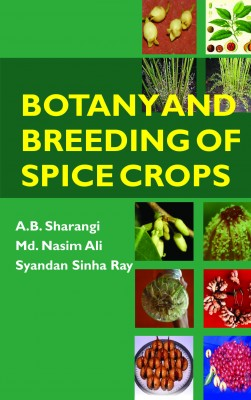
Botany and Breeding of Spice Crops (Hardback, Sharangi, A.B., Md. Nasim Ali & Syandan Sinha Ray)

Brand: nipa

Inclusive of all taxes

Discover the intricate world of spice crop cultivation and the science behind it with the book 'Botany and Breeding of Spice Crops' by A.B. Sharangi, Md. Nasim Ali, and Syandan Sinha Ray. This hardback edition delves into the origins and domestication of spice crops while providing detailed insights into the various modes of plant reproduction, emphasizing breeding techniques like emasculation and pollination. It elucidates both conventional plant breeding methods and progressive techniques such as tissue culture and genomics-assisted breeding. The authors comprehensively cover various omics including metabolomics, genomics, transcriptomics, and proteomics, making this resource invaluable to researchers, educators, breeders, and policymakers in the field. With a perfect blend of theory and empirical studies, this book serves as an essential guide for mastering the art and science of spice breeding, while also highlighting future advancements in the field.

Key Features

Features Description
Author(s) A.B. Sharangi, Md. Nasim Ali, Syandan Sinha Ray
Coverage Origins and domestication of spice crops, breeding methods
Techniques Explained Emasculation, pollination, tissue culture, genomics-assisted breeding
Omics Disciplines Metabolomics, Genomics, Transcriptomics, Proteomics
Target Audience Researchers, faculty, plant breeders, policymakers
Structure Combination of theoretical and empirical studies
Global Insight Focus on global breeding research for important spice crops
References Provided Useful references to future directions in spice breeding
Attributes Description
Binding Hardback
ISBN 978-3-XXXX-XXXX-X
Number of Pages XXX
Publication Year 2023
Publisher XXXX Publications
Language English

*Disclaimer: The above description has been AI-generated and has not been audited or verified for accuracy. It is recommended to verify product details independently before making any purchasing decisions.

Be the first to write a review

The book provides a thoroughly detailed exploration of the origins and domestication of various spice crops.

Yes, the book covers conventional breeding methods as well as next-generation breeding techniques, including genomics-assisted breeding.

The book is aimed at researchers, faculty members, plant breeders, policymakers, and anyone interested in the science of spice breeding.

The book delves into various omics fields, namely metabolomics, genomics, transcriptomics, and proteomics.

Yes, it includes references and discussions on future directions in spice breeding research globally.

  • Incorporation Type

  • GST

  • GST Registration Date

  • Number of Employees

  • Import Export Code (IEC)

  • Year of Establishment

  • Nature of Business

  • GlobalLinker Member Since

Brand: nipa

Country Of Origin: India

"The book offers insight into the origins and domestication of spice crops, providing detailed descriptions of various modes of plant reproduction, as well as specific techniques for emasculation and pollination. Conventional plant breeding methods are explained in great detail, as these concepts are essential for spice breeders to select the appropriate breeding tools. The book also covers tissue culture, genomics-assisted breeding, and the theory and applications of various omics, including metabolomics, genomics, transcriptomics, and proteomics.

The book provides comprehensive information on spice breeding, and includes useful references to future directions in spice breeding around the world. It is an excellent resource for new age researchers, faculty members, plant breeders, policy makers, and anyone with an interest in the subject. The book focus on both theoretical and empirical studies makes it a valuable resource for all readers.

"


"The book offers insight into the origins and domestication of spice crops, providing detailed descriptions of various modes of plant reproduction, as well as specific techniques for emasculation and pollination. Conventional plant breeding methods are explained in great detail, as these concepts are essential for spice breeders to select the appropriate breeding tools. The book also covers tissue culture, genomics-assisted breeding, and the theory and applications of various omics, including metabolomics, genomics, transcriptomics, and proteomics.

The book provides comprehensive information on spice breeding, and includes useful references to future directions in spice breeding around the world. It is an excellent resource for new age researchers, faculty members, plant breeders, policy makers, and anyone with an interest in the subject. The book focus on both theoretical and empirical studies makes it a valuable resource for all readers.

"

Content


"1. Introduction 2. Morphology of Spice Crops 3. Centres of Origin 4. Modes of Reproduction 5. Pollination and Emasculation Techniques 6. Classical Methods of Breeding 7. Next Generation Plant Breeding 8. Global Breeding Research on Important Spice Crops

"


Agriculture And Farm Consultants

Agro Farming Services

nipa

Spice Crops

Plant Breeding

Genomics

Tissue Culture

Emasculation

Pollination

Metabolomics

Agriculture Research

Spice Breeding

Botany and Breeding of Spice Crops (Hardback, Sharangi, A.B., Md. Nasim Ali & Syandan Sinha Ray)

Brand: nipa

Inclusive of all taxes

You Save: 0
Send Inquiry
nipa genx electronic resources & solutions

North Delhi , India

Service Provider , Manufacturer, Professional Services, Brand Owner, Distributor, Exporter, Importer, Wholesaler, Startup

  • Secure
    Transaction

  • Day
    Dispatch

Report a problem with this product

Market Insights

Stay informed with the latest market trends, quality guides, and industry analysis

How the Indian Black Pepper Market is Shaping Global Prices and Demand

Understand how India's black pepper market influences global prices, demand, and sourcing strategies for exporters, buyers, and spice traders.