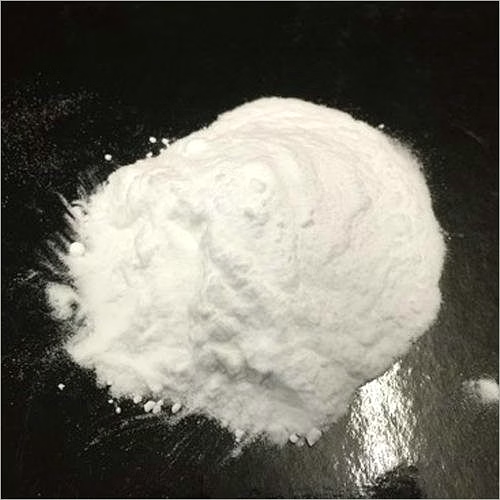
Boric Acid is a weak, monobasic Lewis acid of boron. It is a white, crystalline solid that is soluble in water and known for its mild antiseptic and antifungal properties. It is a natural substance that is generally safe for most people to use, but it is important to follow the manufacturer's instructions carefully when using boric acid products.
IUPAC Name: Boric Acid
Other Name or Common Name: Orthoboric Acid
Appearance: White crystalline powder or solid
Chemical Formula: H3BO3
Molecular Weight: Approximately 61.83 g/mol
Applications:
Antiseptic and Antifungal: Boric acid is commonly used as an antiseptic and antifungal agent for various purposes, including treating minor cuts, burns, and skin infections.
Preservative: It is used as a preservative in some cosmetic and personal care products, including eye drops and saline solutions.
Insecticides: Boric acid is used in some insecticides and pesticides to control pests like ants, roaches, and silverfish. It works by disrupting their digestive systems.
Flame Retardant: It is utilized as a flame retardant in certain textiles and cellulose-based materials.
Metallurgy: In metallurgical processes, boric acid is used as a flux to facilitate the removal of impurities and improve the quality of metals.
Packing Size: 25 kg Bag
Packing Type: HDPE bag
| Attribute | Value |
|---|---|
| Application | testing solvent |
| Categories | Agrochemicals |
| HS Code | 28100020 |
| CAS No | 10043-35-3 |
| Form | Powder |
| Packaging Size | 25kg |
| Packaging Type | HDPE Bag |
| Grade Standard | Technical / Agriculture |
| IUPAC- Name | Boric Acid |
| Molecular Formula | BH3O3 |
| Appearance | White, odorless, and tasteless crystalline solid |
| Solubility | Soluble in water |
| Physical State | Solid |
Boric Acid is a weak, monobasic Lewis acid of boron. It is a white, crystalline solid that is soluble in water and known for its mild antiseptic and antifungal properties. It is a natural substance that is generally safe for most people to use, but it is important to follow the manufacturer's instructions carefully when using boric acid products.
IUPAC Name: Boric Acid
Other Name or Common Name: Orthoboric Acid
Appearance: White crystalline powder or solid
Chemical Formula: H3BO3
Molecular Weight: Approximately 61.83 g/mol
Applications:
Antiseptic and Antifungal: Boric acid is commonly used as an antiseptic and antifungal agent for various purposes, including treating minor cuts, burns, and skin infections.
Preservative: It is used as a preservative in some cosmetic and personal care products, including eye drops and saline solutions.
Insecticides: Boric acid is used in some insecticides and pesticides to control pests like ants, roaches, and silverfish. It works by disrupting their digestive systems.
Flame Retardant: It is utilized as a flame retardant in certain textiles and cellulose-based materials.
Metallurgy: In metallurgical processes, boric acid is used as a flux to facilitate the removal of impurities and improve the quality of metals.
Packing Size: 25 kg Bag
Packing Type: HDPE bag
| Attribute | Value |
|---|---|
| Application | testing solvent |
| Categories | Agrochemicals |
| HS Code | 28100020 |
| CAS No | 10043-35-3 |
| Form | Powder |
| Packaging Size | 25kg |
| Packaging Type | HDPE Bag |
| Grade Standard | Technical / Agriculture |
| IUPAC- Name | Boric Acid |
| Molecular Formula | BH3O3 |
| Appearance | White, odorless, and tasteless crystalline solid |
| Solubility | Soluble in water |
| Physical State | Solid |