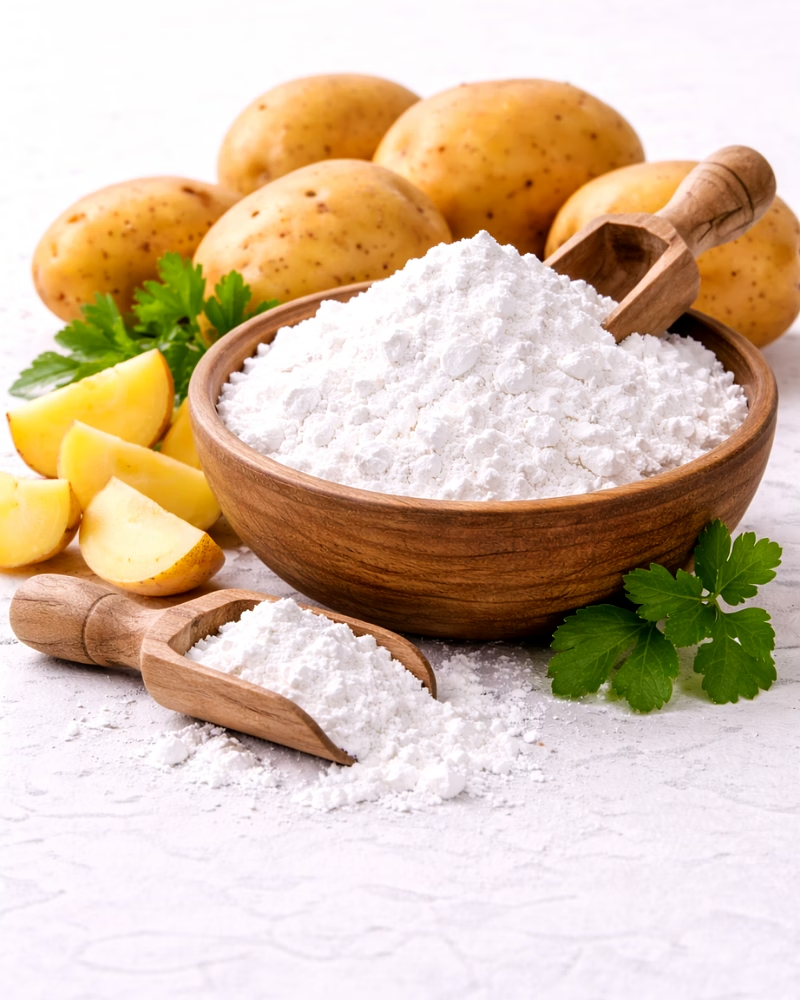
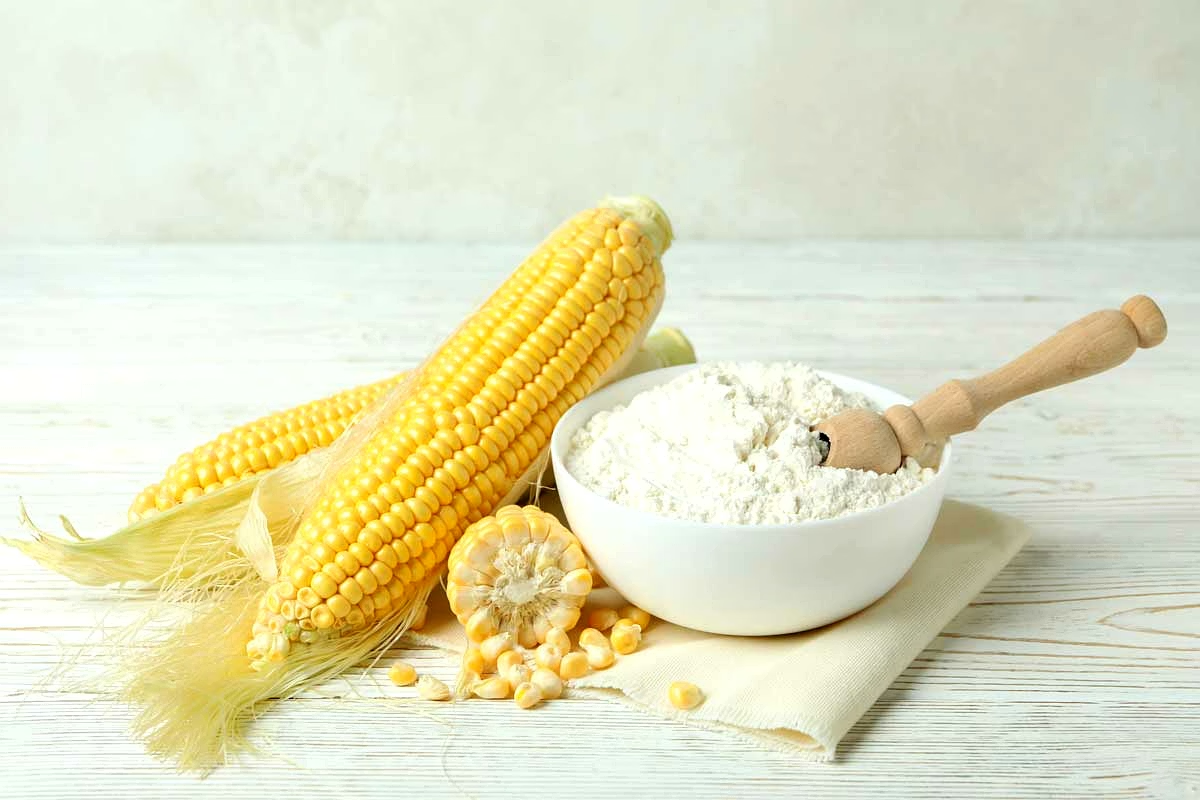
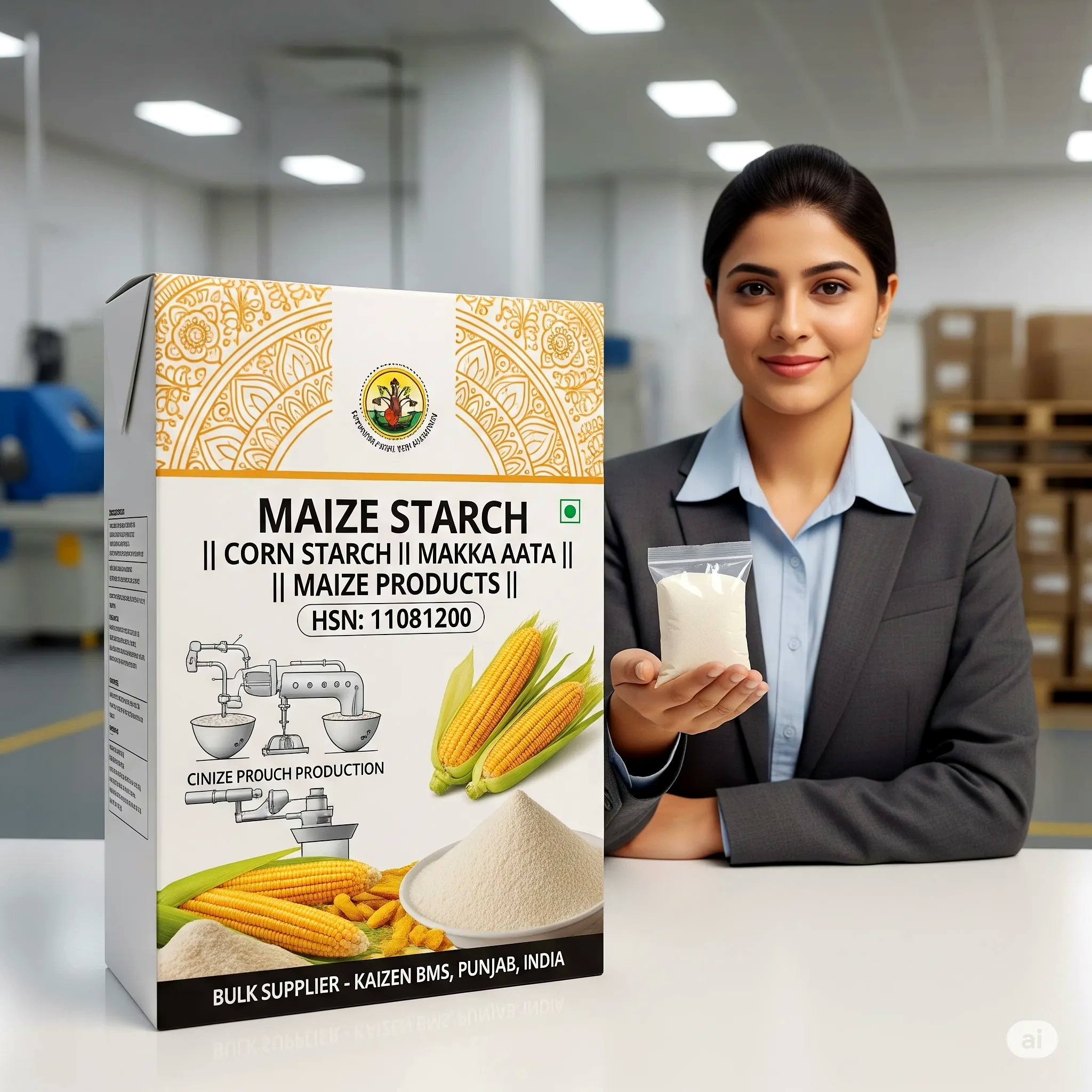
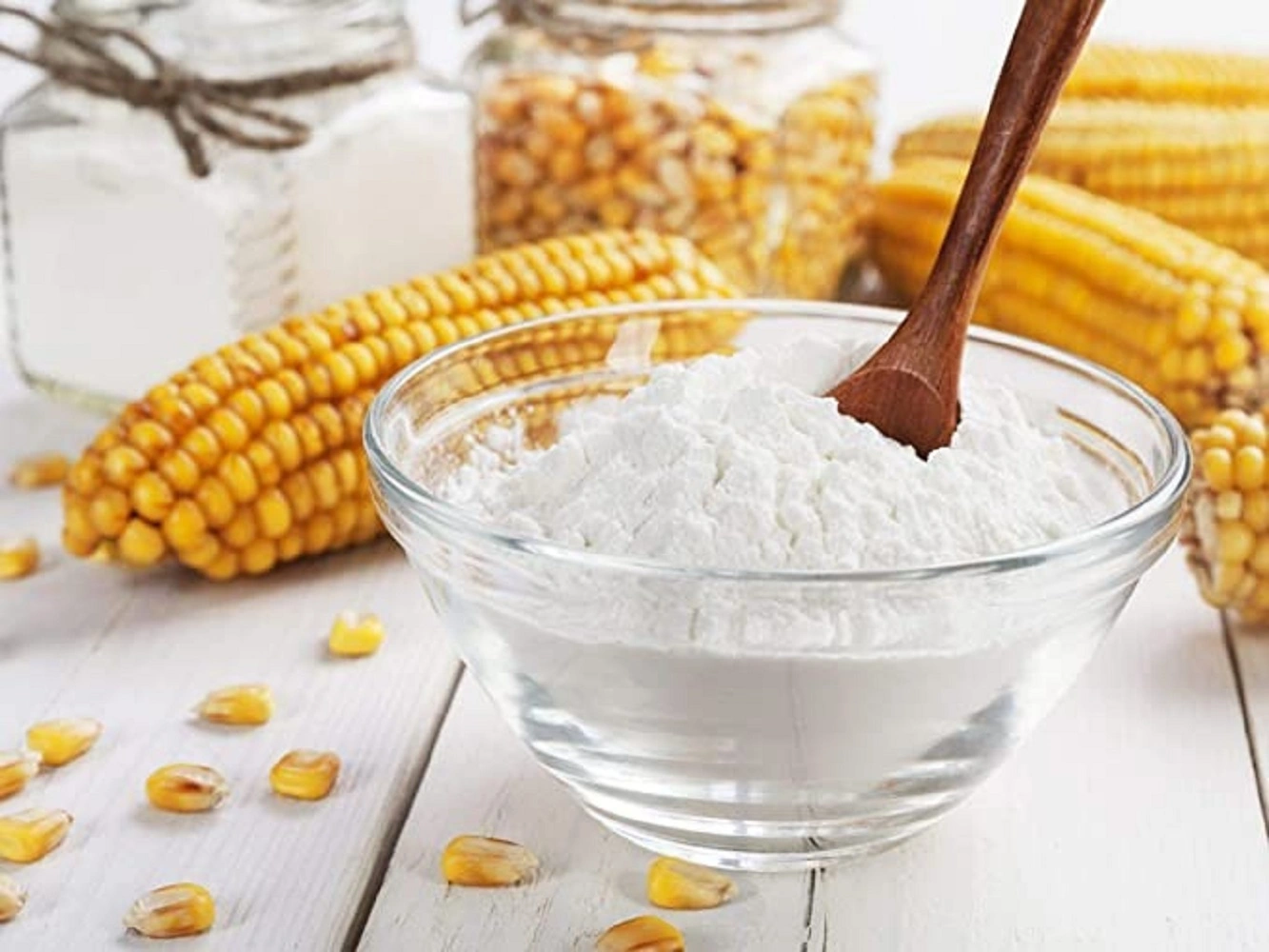
Corn Starch, also known as maize starch, is a vital ingredient derived from corn kernels. This fine, odorless, and tasteless white powder has exceptional thickening capabilities and is used across culinary and industrial applications. It not only enhances the texture of food products but also serves as a binding agent, gluten-free alternative, and a coating agent for frying. In the food industry, maize starch is a key ingredient in soups, sauces, desserts, and baked goods, making them smoother and creamier. Its industrial applications include roles in papermaking, textiles, adhesives, and pharmaceuticals. Moreover, maize starch can be modified for specific needs, ensuring versatility and usability in various conditions. Proper storage in a cool, dry place is essential to maintain its quality and longevity.
Key Features
| Features | Description |
|---|---|
| Thickening Agent | Exceptional thickening capabilities for soups, sauces, and gravies. |
| Texture Enhancement | Improves texture and mouthfeel in ice creams, puddings, and desserts. |
| Binding Agent | Holds ingredients together, preventing separation in processed meats and baked goods. |
| Gluten-Free Alternative | A valuable option for gluten-sensitive individuals. |
| Ingredient in Baked Goods | Enhances tenderness and shelf life of cakes, cookies, and pastries. |
| Coating Agent | Achieves a crispy exterior in fried foods. |
| Industrial Uses | Utilized in papermaking, textiles, adhesives, and pharmaceuticals. |
| Modified Starches | Chemically modified for stability and enhanced properties under specific conditions. |
| Packaging | Available in bulk, packaged to prevent moisture absorption. |
| Storage | Best stored in a cool, dry place away from sunlight. |
| Attributes | Description |
|---|---|
| Composition | 100% pure maize starch |
| Appearance | Fine white powder |
| Odor | Odorless |
| Taste | Tasteless |
| Shelf Life | Up to 24 months when stored properly |
| Storage Conditions | Cool, dry place, away from sunlight |
| Packaging | Multi-layer bags, available in bulk |
| Food Grade | Certified food-grade quality |
| Gluten Content | Gluten-free |
| Applications | Culinary and industrial uses |
*Disclaimer: The above description has been AI-generated and has not been audited or verified for accuracy. It is recommended to verify product details independently before making any purchasing decisions.
Maize starch is primarily used as a thickening agent in soups and sauces, a binding agent in processed foods, a texture enhancer in desserts, and an ingredient to improve the shelf life of baked goods.
Yes, maize starch is gluten-free and serves as an excellent alternative in gluten-free recipes.
Maize starch should be stored in a cool, dry place away from direct sunlight to maintain its quality and properties.
Yes, maize starch can be chemically modified to enhance properties like freeze-thaw stability and resistance to high temperatures.
Maize starch acts as a coating agent that helps achieve a crispy, golden exterior on fried foods.
Country Of Origin: India
Maize starch, derived from the hearty kernels of corn, is a versatile and essential ingredient that finds its place in both culinary and industrial applications. This fine, odorless, and tasteless white powder is primarily composed of carbohydrates, specifically starch molecules. Its unique properties make it a sought-after ingredient for a variety of uses.
Key Features:
Thickening Agent: Maize starch is renowned for its exceptional thickening capabilities. When mixed with a liquid and heated, it undergoes gelatinization, causing the mixture to thicken. This property is utilized in soups, sauces, gravies, and other culinary creations where a smooth and consistent texture is desired.
Texture Enhancement: In the food industry, maize starch is frequently used to improve the texture of products. It imparts a creamy and smooth mouthfeel to ice creams, puddings, custards, and other desserts.
Binding Agent: Maize starch can be used as a binding agent in food formulations. It helps hold ingredients together and prevent separation, especially in processed meats, fillings, and certain baked goods.
Gluten-Free Alternative: Maize starch serves as a valuable gluten-free alternative in various recipes, catering to individuals with gluten sensitivities or celiac disease.
Ingredient in Baked Goods: It's commonly found in baking recipes where it can improve the tenderness and shelf life of baked goods like cakes, cookies, and pastries.
Coating Agent: In frying applications, maize starch can be used as a coating to achieve a crispy and golden exterior on fried foods.
Industrial Uses: Beyond the culinary world, maize starch is employed in various industrial sectors. It plays a role in papermaking, textiles, adhesives, and pharmaceuticals, where its binding and adhesive properties are harnessed.
Modified Starches: Maize starch can also be chemically modified to enhance specific properties, such as stability under high temperatures, freeze-thaw stability, and resistance to acidic conditions.
Packaging: Maize starch is typically available in bulk quantities, often packaged in multi-layer bags to maintain its quality and prevent moisture absorption.
Storage: Store maize starch in a cool, dry place away from direct sunlight and moisture to ensure its shelf life and maintain its properties.