• Key Features & Attributes
  • Ratings & Reviews
  • Know your Supplier
  • Product description from supplier

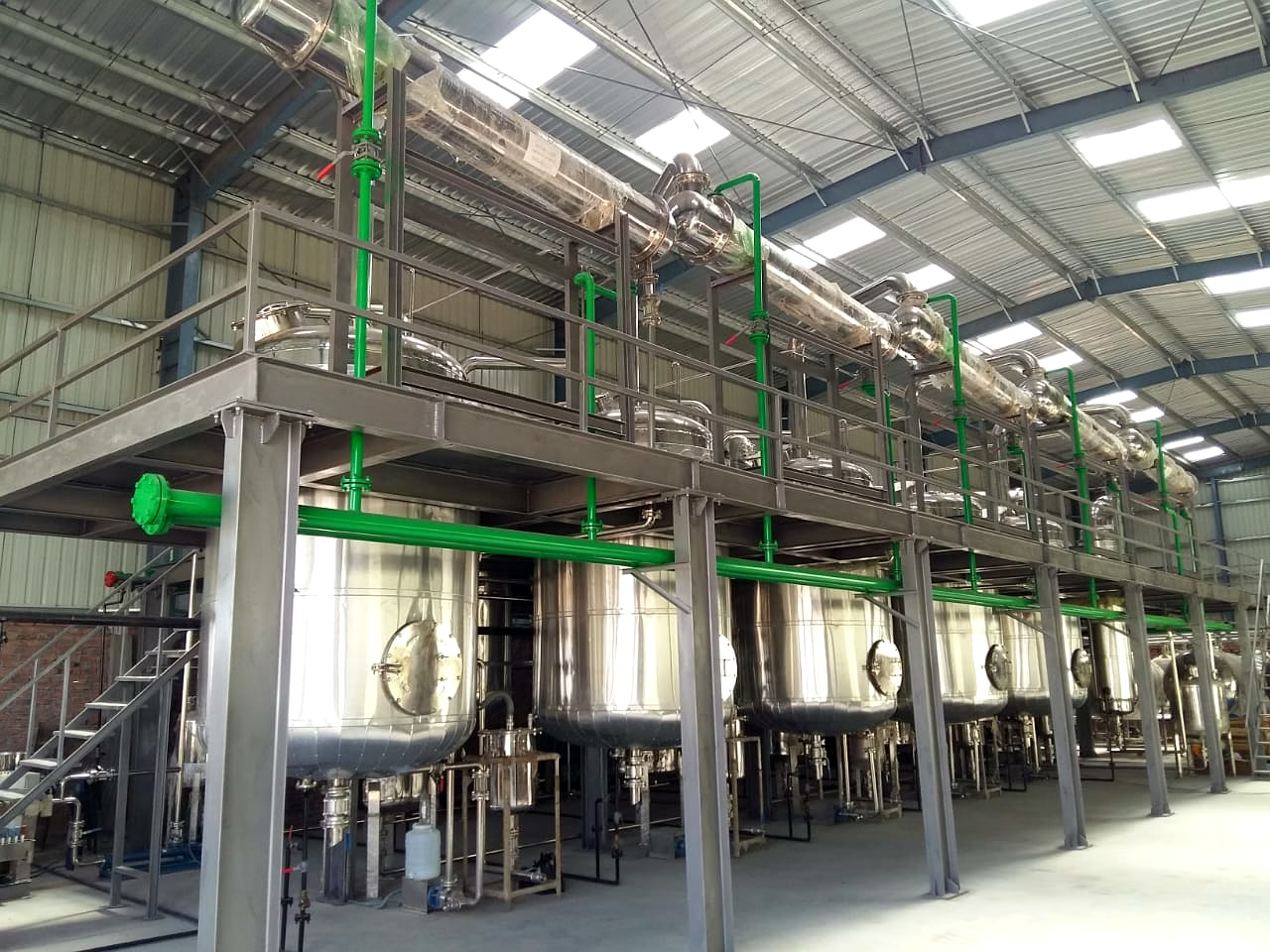
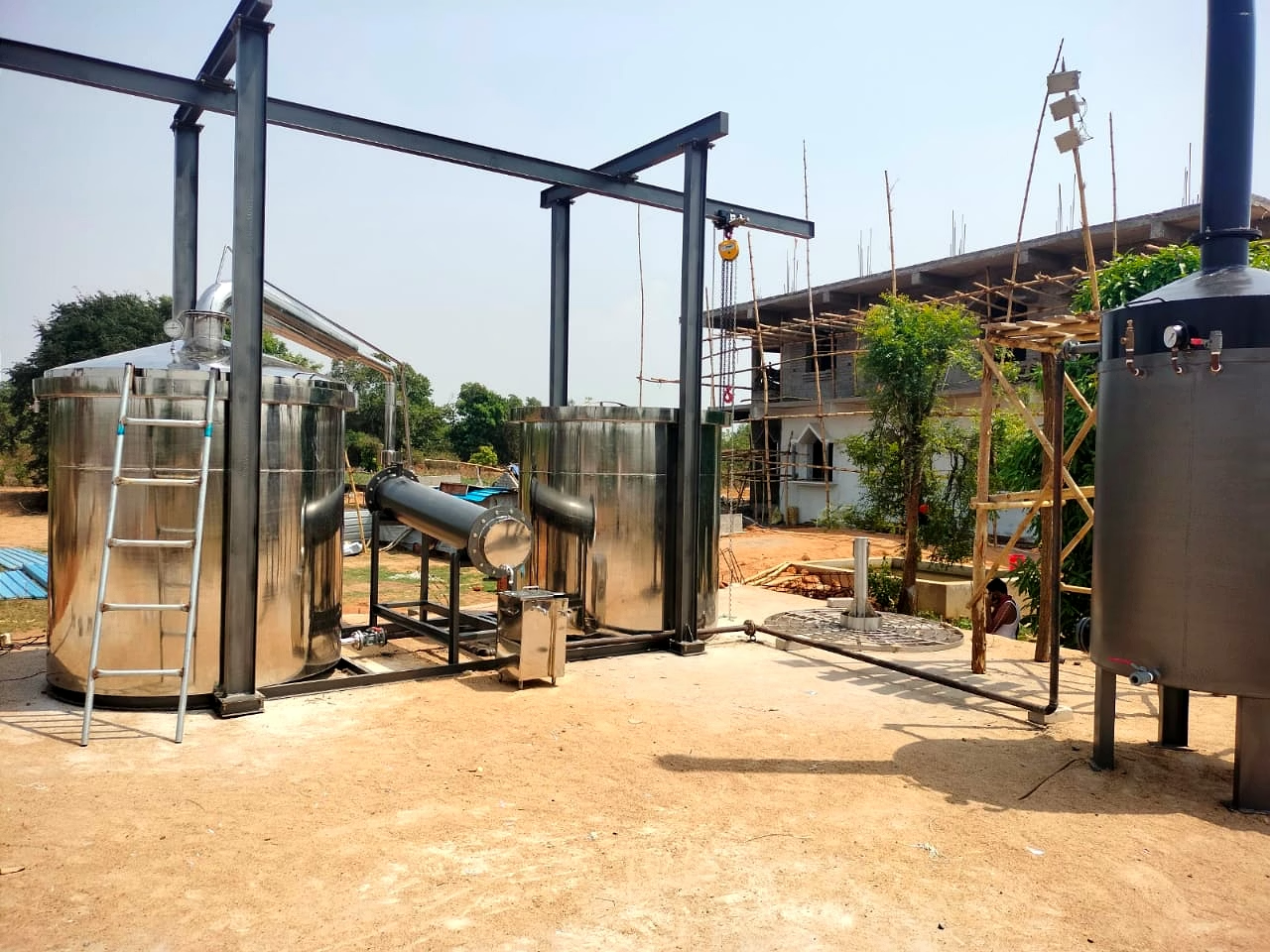
Blue Color Extraction from Woad Leaves (Isatis tinctoria)

Inclusive of all taxes

The Blue Color Extraction from Woad Leaves (Isatis tinctoria) offered by BEST ENGINEERING TECHNOLOGIES involves a precise enzymatic and fermentation process to isolate indigo dye from indican present in fresh woad leaves. This natural extraction method includes leaf harvesting, maceration, controlled fermentation, and oxidation to convert indican into indigo pigment, followed by advanced separation techniques such as sedimentation, filtration, or centrifugation. The resultant indigo can be solubilized in alkaline solutions yielding vivid blue to bluish-purple hues, ideal for sustainable textile dyeing and eco-conscious applications. Strict control over fermentation parameters—time, temperature, and pH—ensures maximum pigment yield and exceptional color quality. This product is highly sought after for natural dye processes, providing a rich and vibrant blue pigment with environmentally friendly characteristics, making it an optimal choice for businesses focusing on organic and sustainable dye solutions.

Key Features

Features Description
Source Material Fresh Woad Leaves (Isatis tinctoria)
Extraction Method Enzymatic fermentation and oxidation
Pigment Type Natural Indigo Dye
Separation Techniques Sedimentation, Filtration, Centrifugation
Color Range Blue to Bluish-Purple hues
Process Controls Fermentation time, temperature, and pH optimization
Application Eco-friendly textile dyeing and natural pigment uses
Environmental Benefit Sustainable, non-toxic, biodegradable dye
Form Powder or liquid alkaline-soluble extract
MOQ 1 Unit
Attributes Description
Botanical Name Isatis tinctoria
Active Compound Indican (precursor to Indigo)
Extraction Process Fermentation and oxidation of indican to indigo
Physical State Solid pigment or liquid extract
Color Natural blue pigment
pH Range Neutral to alkaline for solubilization
Storage Conditions Cool, dry environment to preserve pigment
Use Case Textile dyeing, natural pigment production
Shelf Life Depends on storage, typically 12-18 months
MOQ 1 Unit

*Disclaimer: The above description has been AI-generated and has not been audited or verified for accuracy. It is recommended to verify product details independently before making any purchasing decisions.

Be the first to write a review

The extracted indigo content varies with processing parameters but typically ranges between 3-6% by weight, depending on leaf freshness and fermentation control.

Yes, by adjusting fermentation time, pH, and solubilization techniques, different blue shades and pigment concentrations can be produced tailored to client needs.

The extract is typically solubilized in alkaline solutions prior to application; however, it can be supplied in ready-to-use liquid form for direct textile dyeing.

Store in a cool, dry place away from direct sunlight and moisture to prevent pigment degradation and preserve dye quality for up to 18 months.

Yes, the process avoids synthetic chemicals and uses only natural enzymatic fermentation and oxidation, ensuring an environmentally sustainable product.

  • Incorporation Type

  • GST

  • GST Registration Date

  • Number of Employees

  • Import Export Code (IEC)

  • Year of Establishment

  • Nature of Business

  • GlobalLinker Member Since

Country Of Origin: India

Blue color extraction from woad leaves (Isatis tinctoria) centers on isolating the natural indigo precursor indican, which is enzymatically converted into the blue indigo pigment through fermentation and oxidation processes. The procedure begins with harvesting fresh woad leaves, followed by maceration or fermentation in water to activate the enzymes that break down indican into indoxyl. Upon exposure to air, indoxyl oxidizes and dimerizes to form insoluble indigo dye. The blue pigment is then separated by sedimentation, filtration, or centrifugation. For liquid extracts, the indigo can be solubilized in alkaline solutions to produce blue or bluish-purple hues suitable for textile dyeing and other applications. Controlling fermentation time, temperature, and pH is crucial to maximize pigment yield and maintain color quality. The final indigo extract from woad is prized for its rich, vibrant blue and eco-friendly properties in natural dyeing processes.

Agro-intermediates And Extracts

Specialty Extracts

Woad Leaf Extract

Natural Indigo Dye

Indigo Pigment Extraction

Isatis Tinctoria Color Extraction

Fermentation-based Dye

Eco-friendly Textile Dye

Natural Blue Pigment

Indigo Extraction Process

Sustainable Dye Solutions

Woad Fermentation Indigo

Blue Color Extraction from Woad Leaves (Isatis tinctoria)

Inclusive of all taxes

You Save: 0

Send Inquiry
best engineering technologies

Medak , India

Manufacturer, Exporter

  • Secure
    Transaction

  • Free
    Delivery

  • Day
    Dispatch

Report a problem with this product