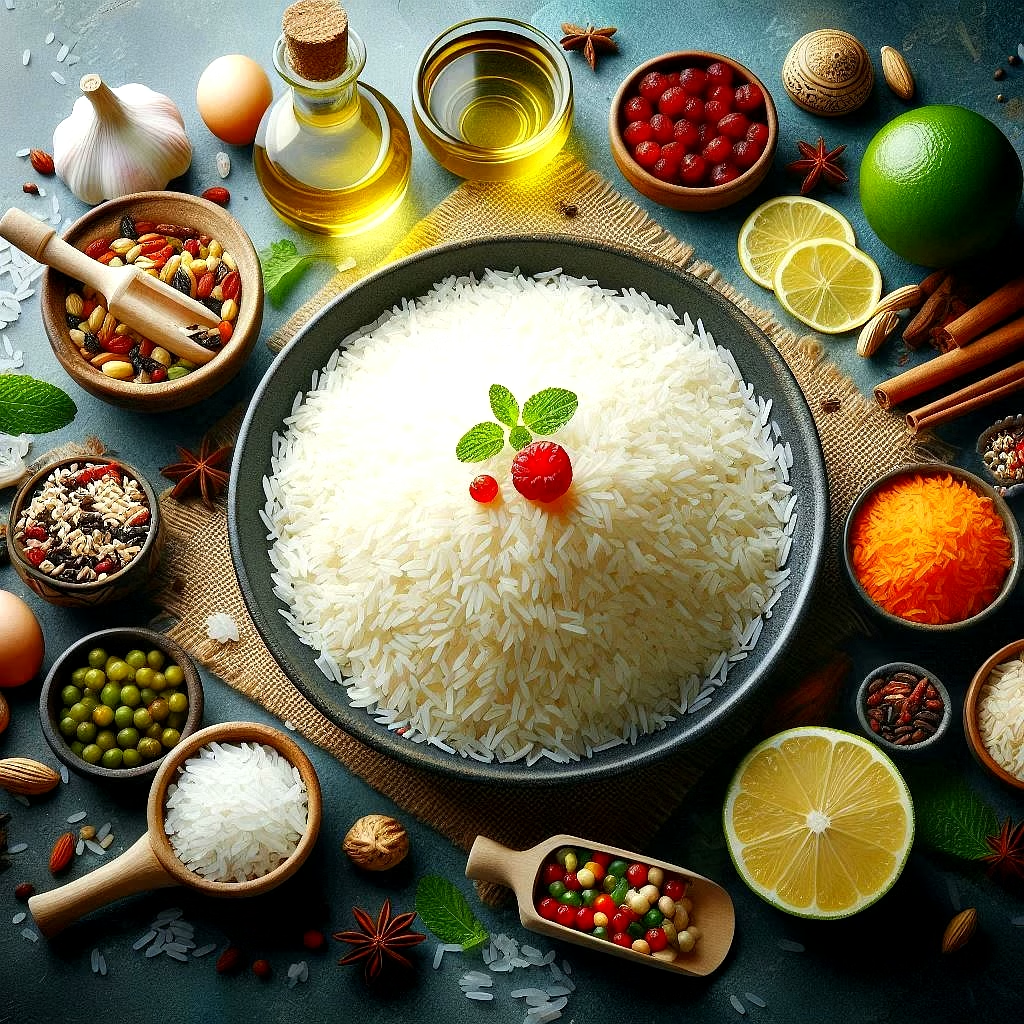
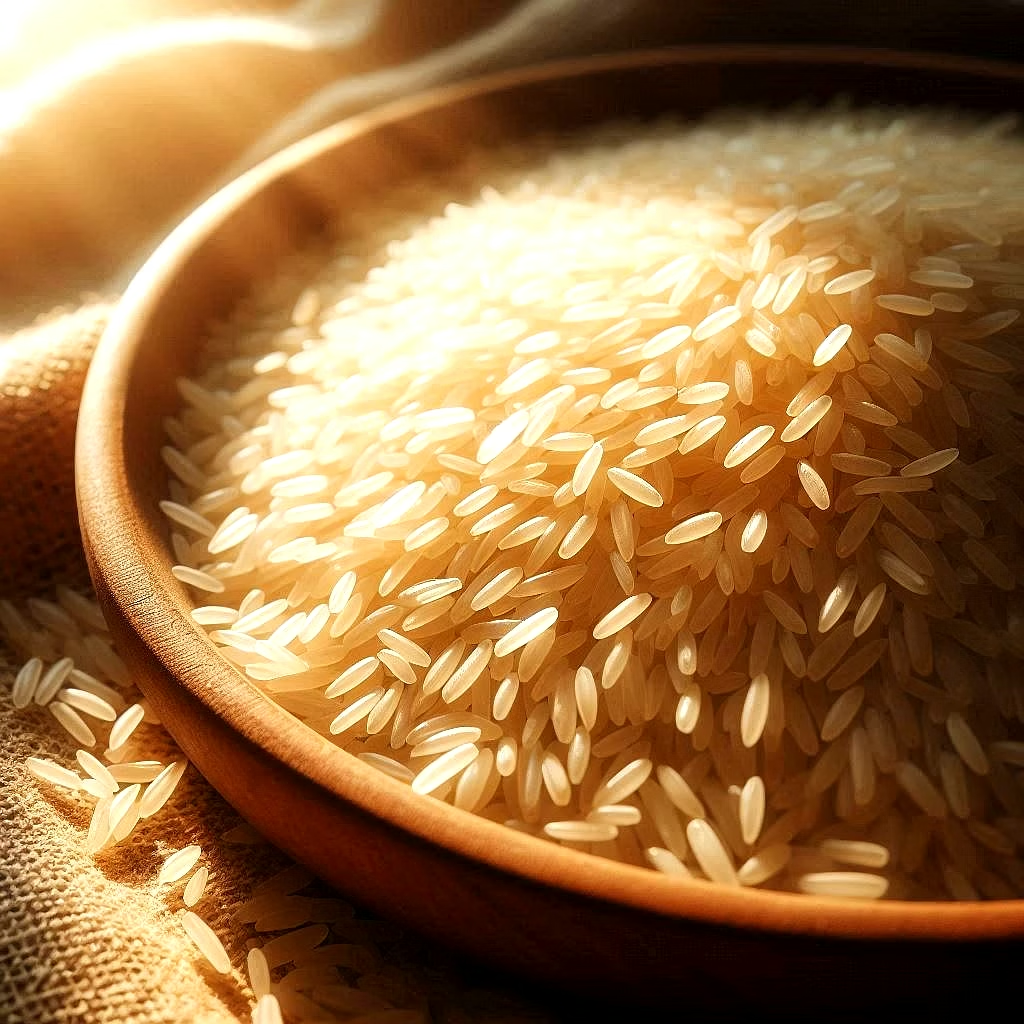
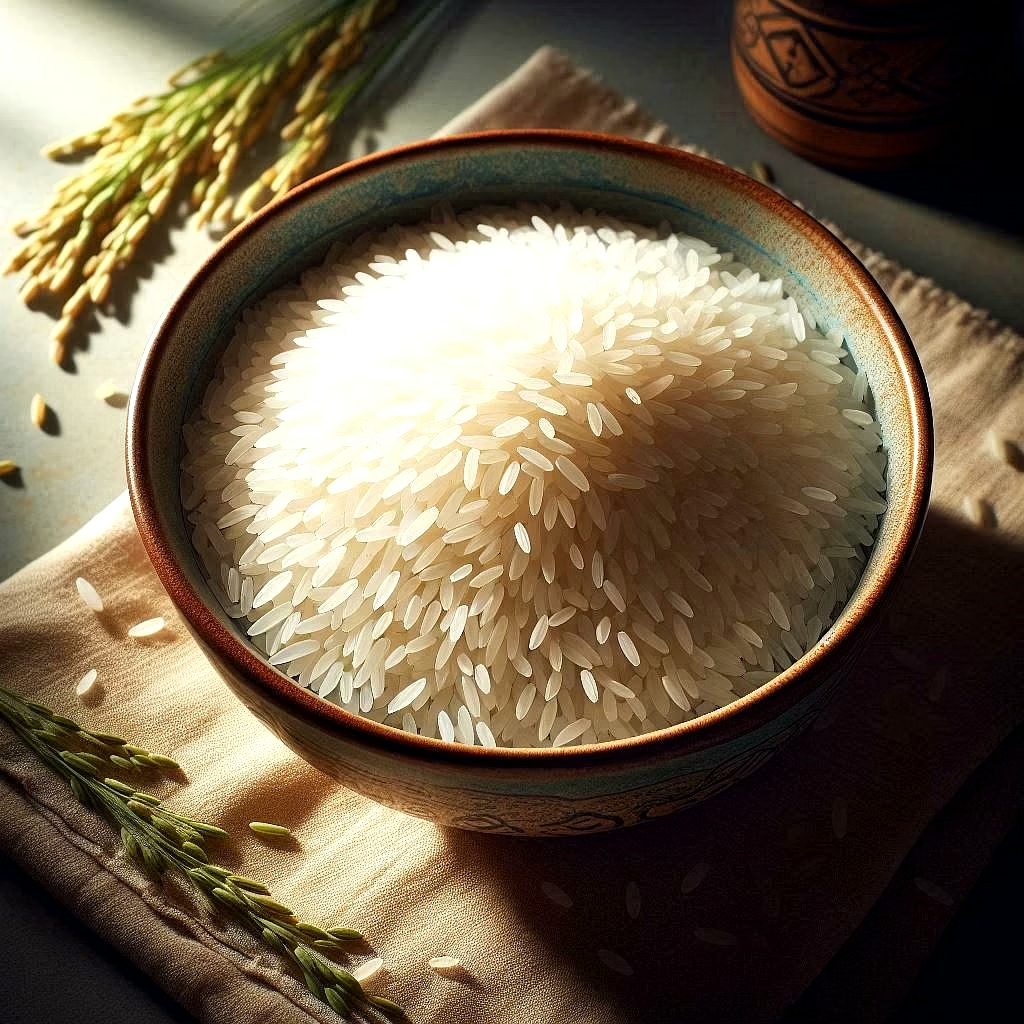
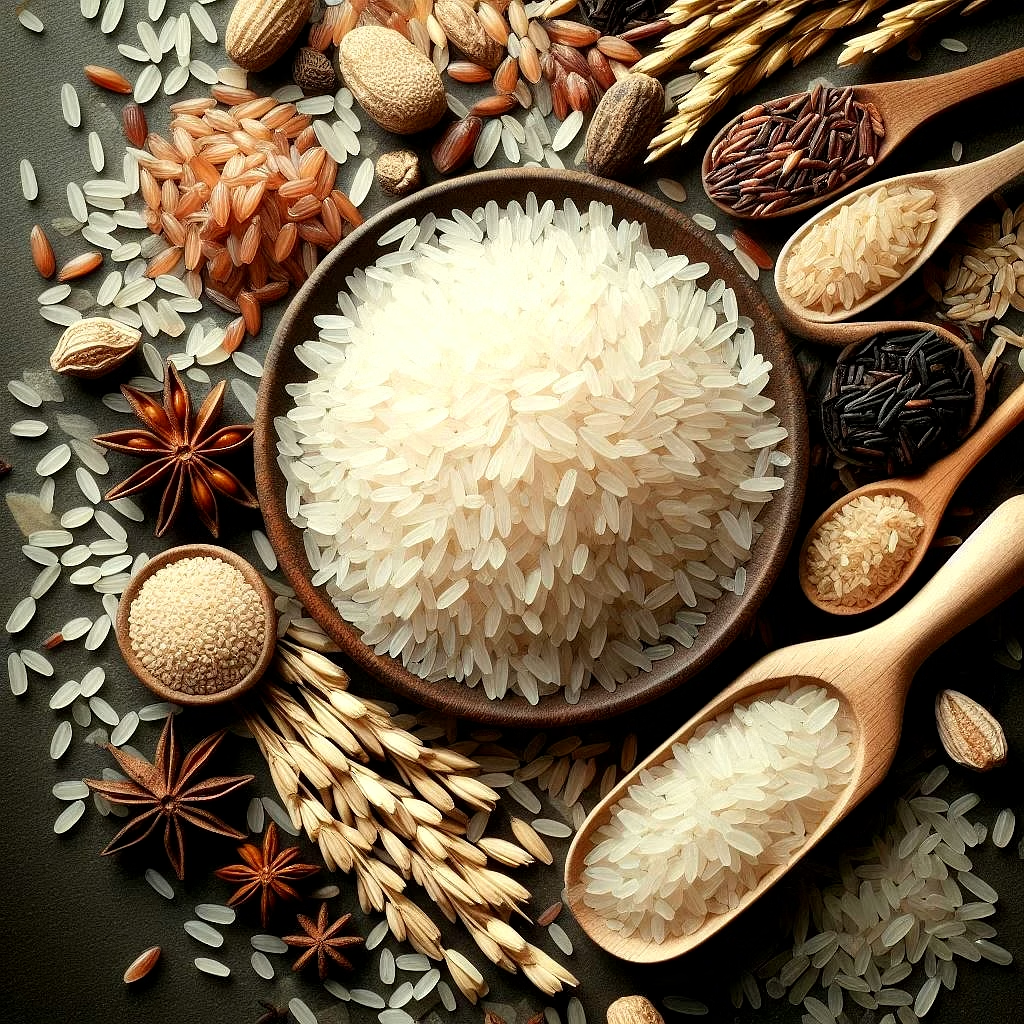
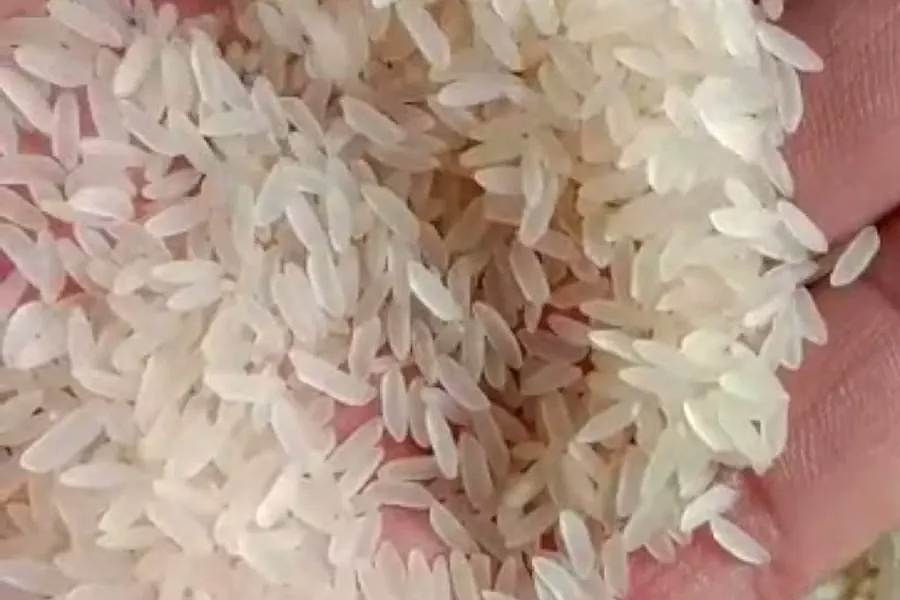
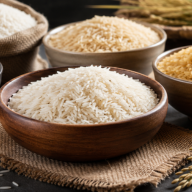
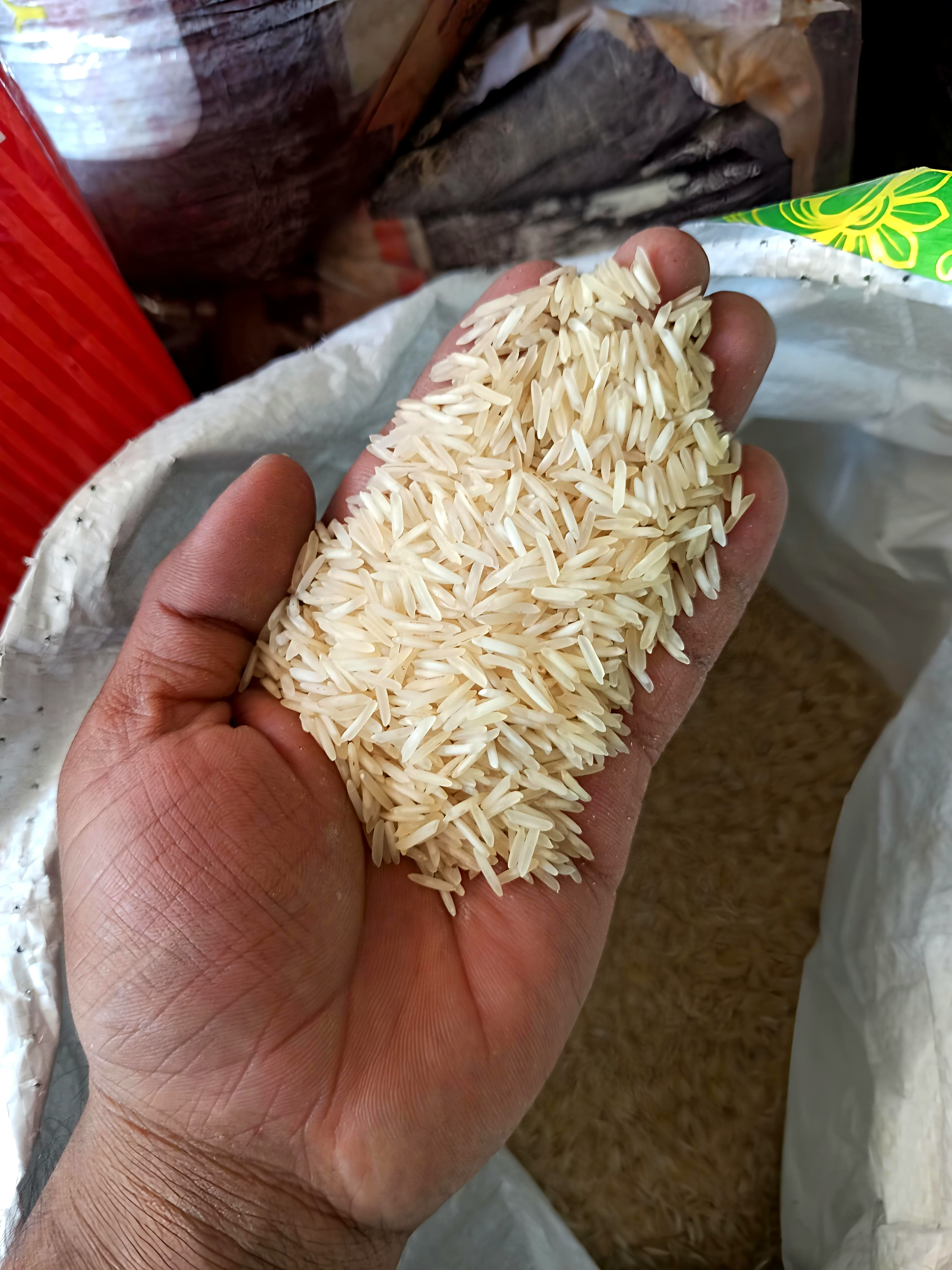
Basmati Rice is a premium aromatic long-grain rice renowned for its distinctive fragrance, elongation upon cooking, and fluffy texture. Specifically cultivated in the strict Geographical Indication (GI) designated regions of Northern India, this rice is globally recognized for its unparalleled quality and flavor. India leads as the largest exporter, supplying over two-thirds of the world's Basmati rice, targeting markets in the Middle East, European Union, United States, and Canada. Basmati rice is available in several export varieties including Pusa Basmati 1121, Pusa Basmati 1509, Pusa Basmati 1718, and Basmati 370 – each variety prized for specific grain length, aroma, and cooking properties. This product is carefully processed to maintain its natural aroma and grain integrity, making it a favorite for premium culinary uses worldwide. Available types include White Basmati, Brown Basmati (whole grain), and Aged Basmati, catering to diverse consumer preferences in the B2B export market.
Key Features
| Features | Description |
|---|---|
| Aromatic Profile | Distinctive natural aroma characteristic of authentic Basmati rice |
| Grain Length | Extra-long slender grains that elongate upon cooking without breaking |
| Geographical Indication (GI) | Authentic Basmati exclusively grown in specified Northern India regions |
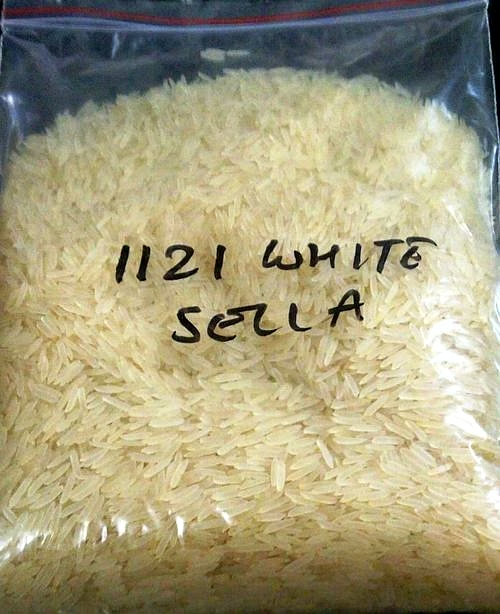
| Export Varieties | Includes Pusa Basmati 1121, 1509, 1718, and Basmati 370 |
| Types Available | White Basmati, Brown Basmati (whole grain), and Aged Basmati |
| Export Regions | Major exports to Middle East, European Union, United States, and Canada |
| Cooking Quality | Fluffy texture with separated grains and exceptional elongation |
| Shelf Life | Extended freshness especially in Aged Basmati variant |
| Attributes | Description |
|---|---|
| Origin | Northern India regions as specified under GI status |
| Grain Type | Long grain aromatic rice |
| Moisture Content | Typically below 14% to ensure quality and longevity |
| Packaging Options | Customizable packaging tailored for bulk export |
| Color | White or Brown depending on variety |
| Grade | Premium quality, tested to meet international export standards |
| Aging Period (for Aged Basmati) | Typically 12-24 months to enhance aroma and texture |
*Disclaimer: The above description has been AI-generated and has not been audited or verified for accuracy. It is recommended to verify product details independently before making any purchasing decisions.
The rice strictly complies with the Geographical Indication (GI) regulations, limiting cultivation to specific Northern Indian regions renowned for genuine Basmati production.
Major varieties include Pusa Basmati 1121, Pusa Basmati 1509, Pusa Basmati 1718, and Basmati 370, each offering unique grain characteristics and aroma.
Aged Basmati rice is stored typically for 12-24 months to enhance grain texture and intensify aroma, providing a premium culinary experience compared to fresh White Basmati.
Customizable bulk packaging options are offered to meet various market requirements and ensure safe transportation preserving grain quality.
Yes, the product range includes White Basmati as well as Brown Basmati (whole grain), catering to different dietary and market preferences.
Country Of Origin: India
Basmati Rice (Export & Varieties)
Product: Basmati Rice - A premium, aromatic long-grain rice primarily exported from.
Key Export Overview:
Top Exporter: India is the world's largest exporter, accounting for over 2/3 of global Basmati supply.
Major Buyer Regions: Middle East (Saudi Arabia, Iran), European Union, United States, and Canada.
Key Feature: Strict Geographical Indication (GI) status mandates that authentic Basmati can only be grown in specific regions of Northern India.
Major Export Varieties:
Indian and Pakistani exporters offer several varieties, often named after their growing regions or seed type:
Traditional: Pusa Basmati 1121, Pusa Basmati 1509, Pusa Basmati 1718, Basmati 370
Type: White Basmati (most common), Brown Basmati (whole grain), and Aged Basmati (premium).