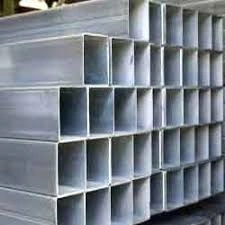
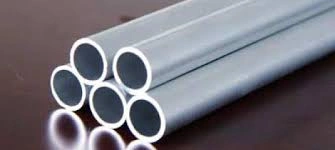
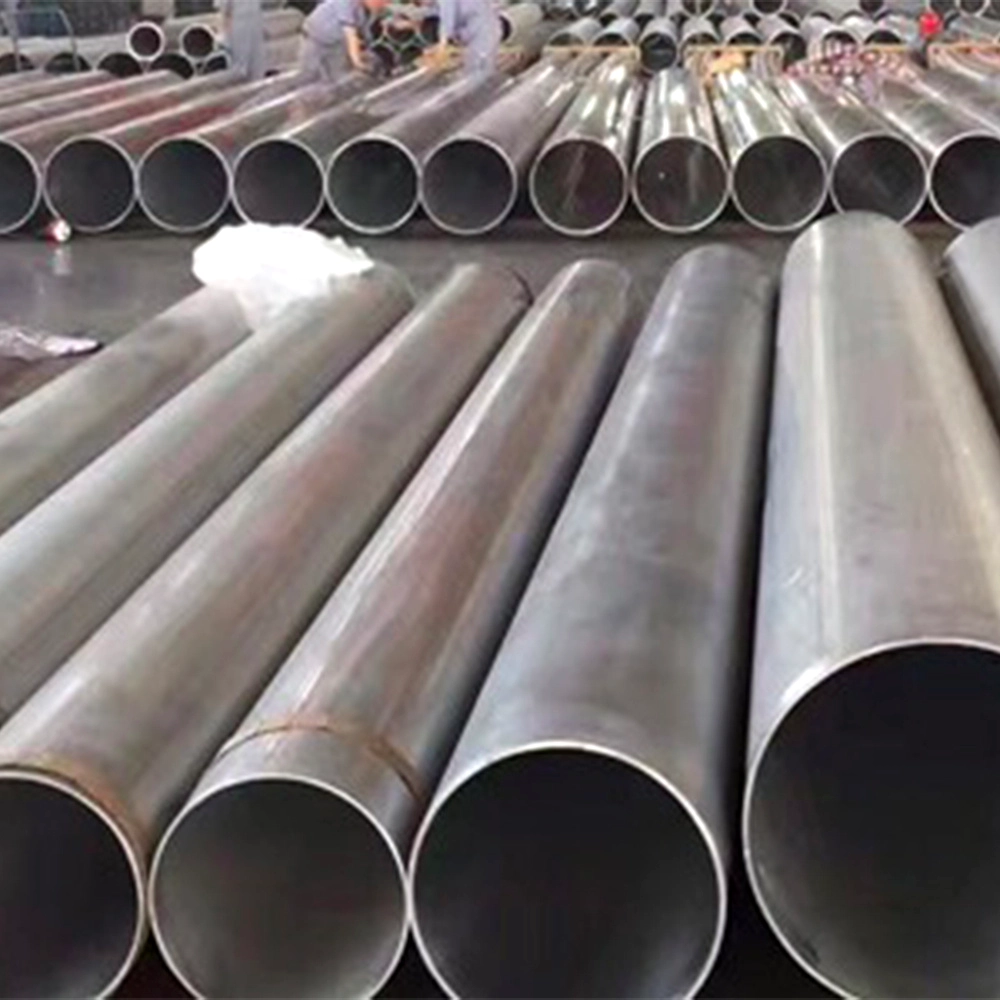
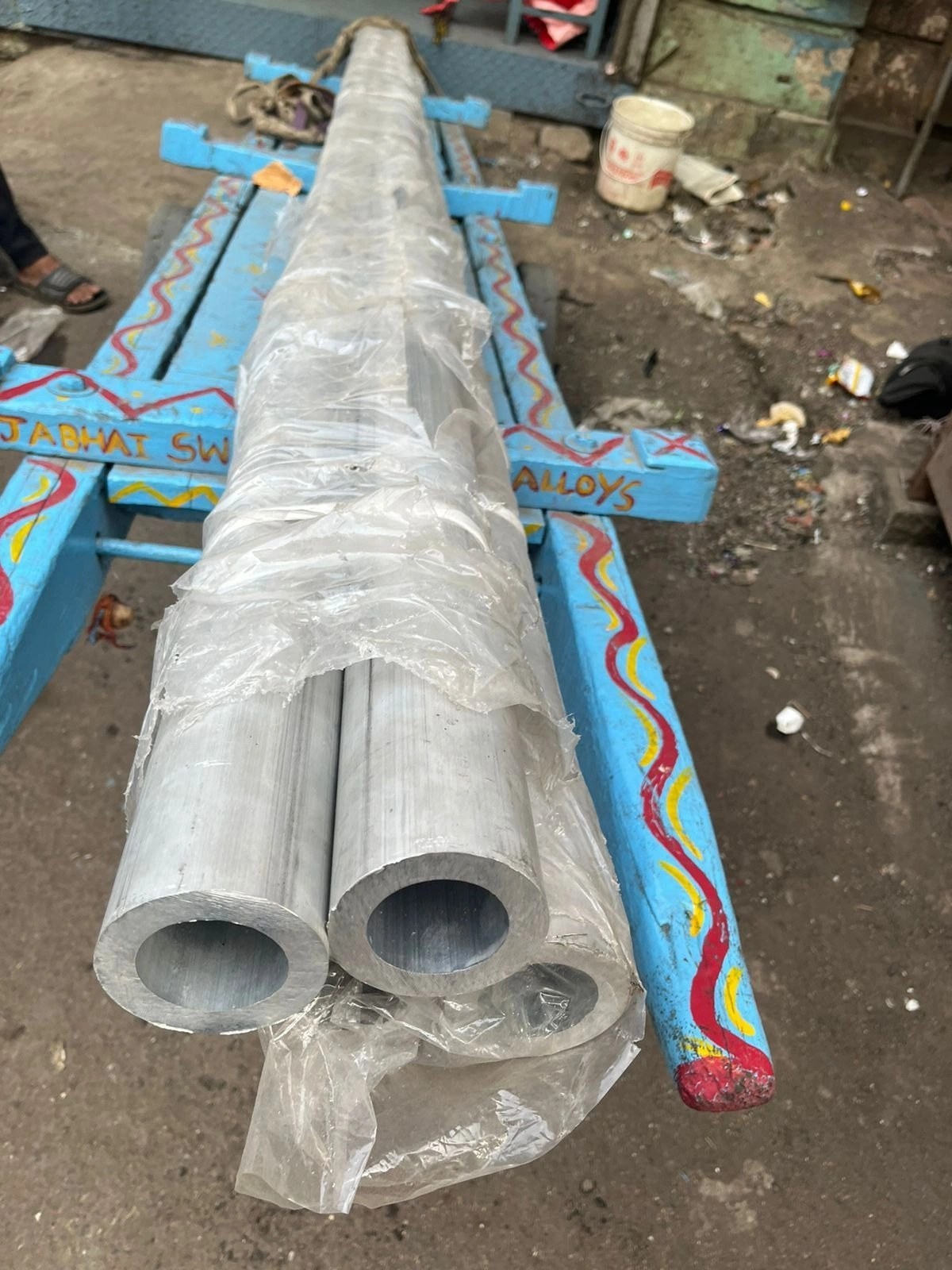
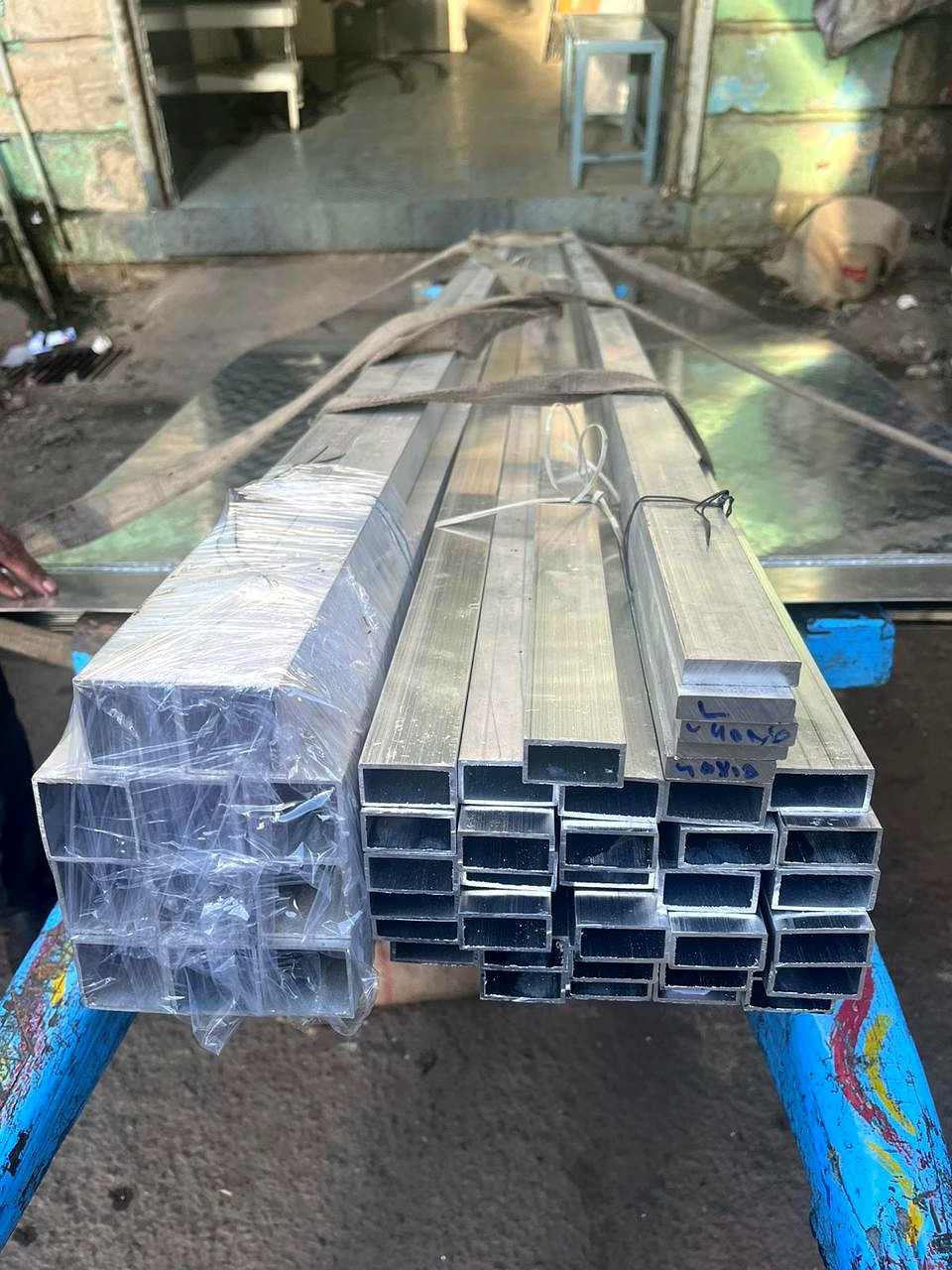
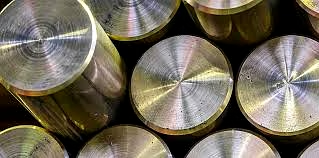
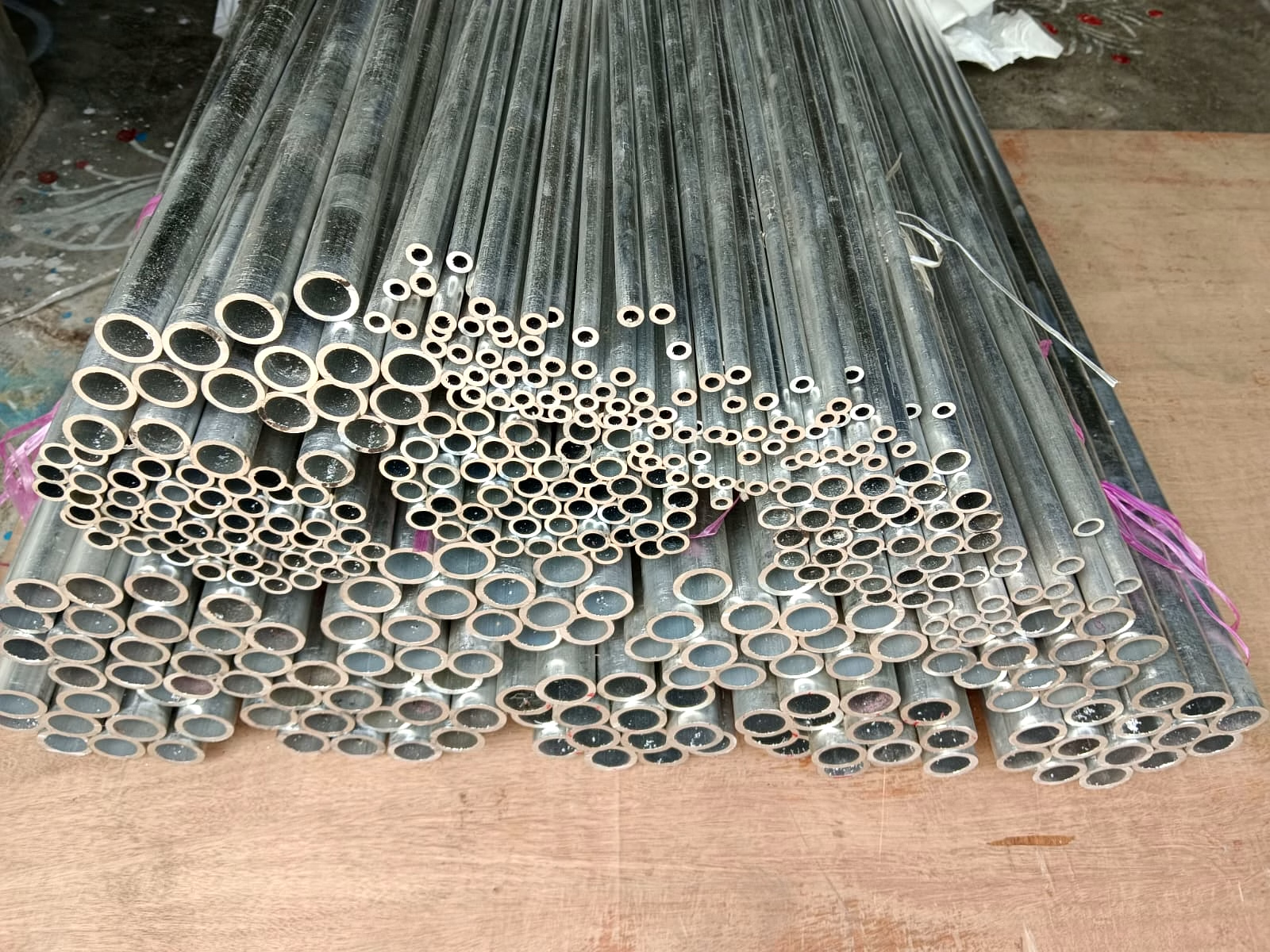
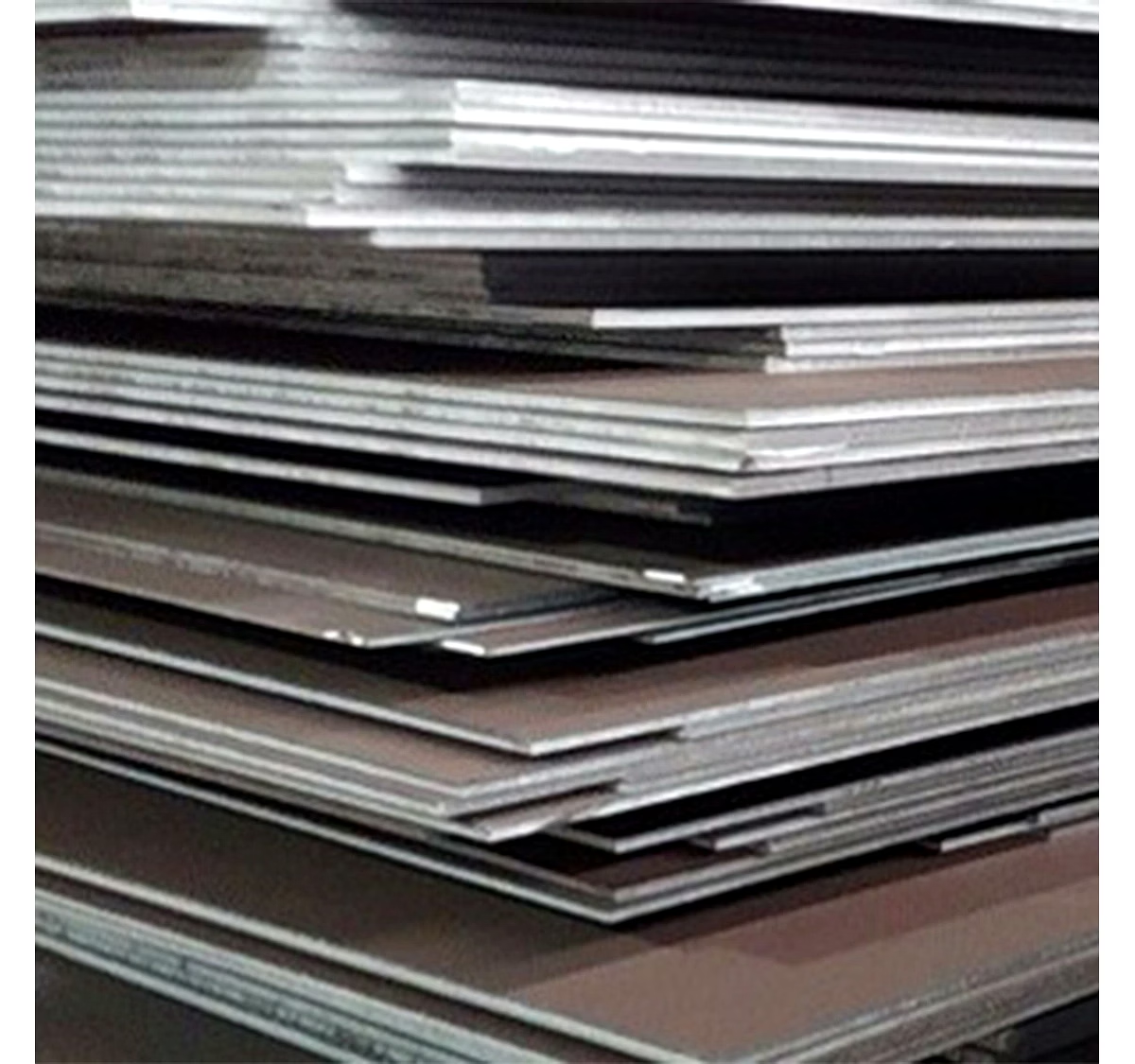
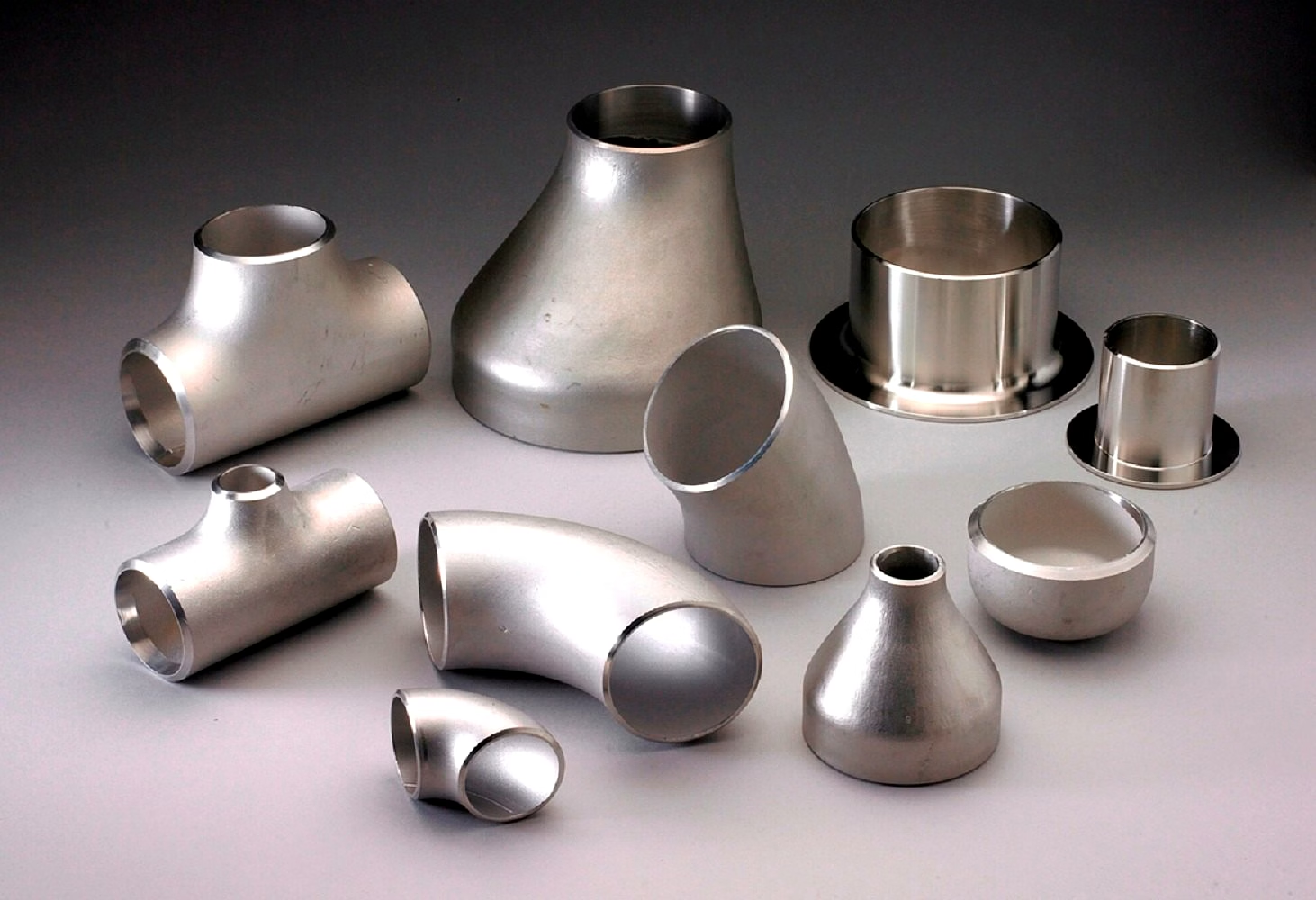
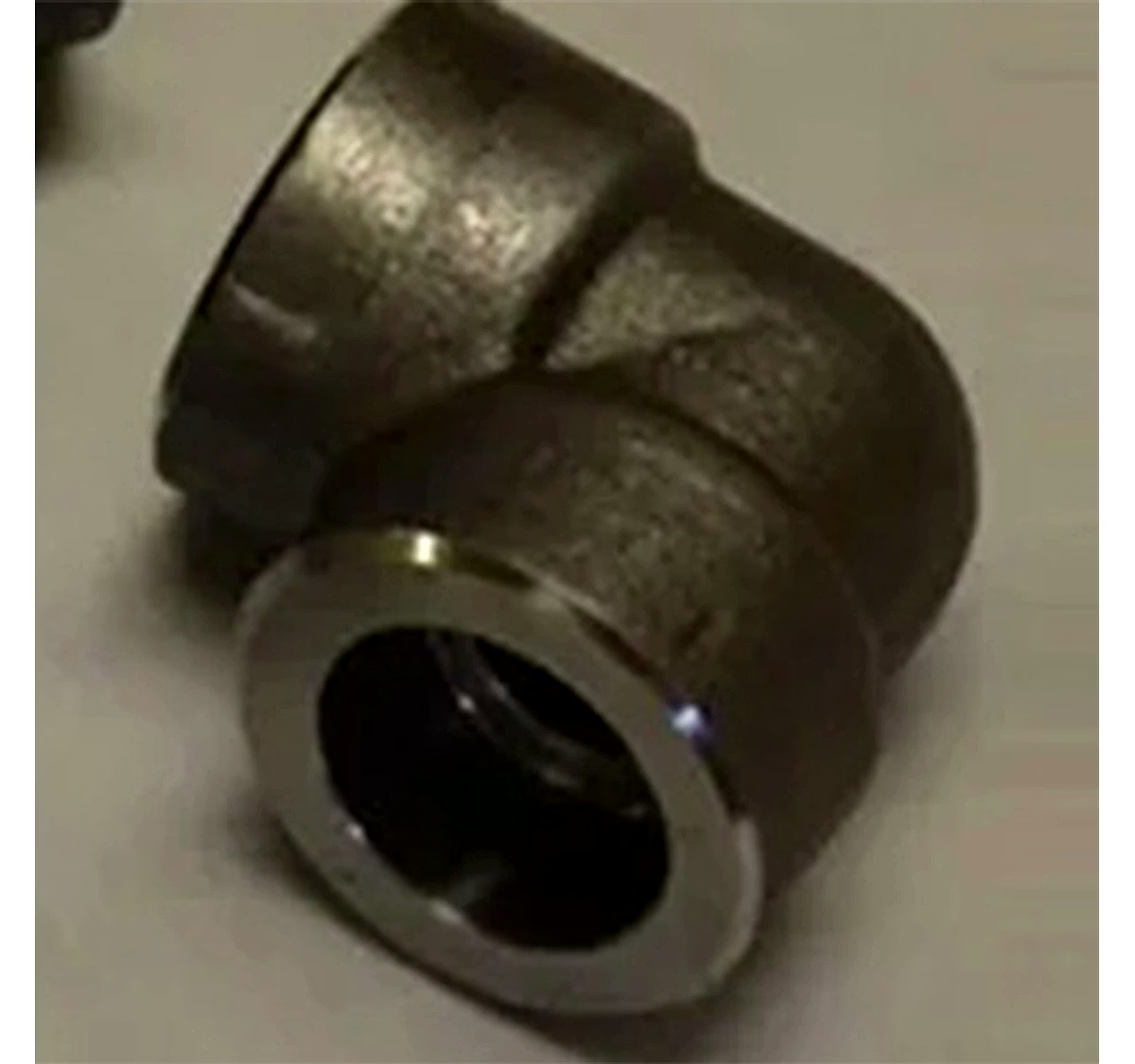
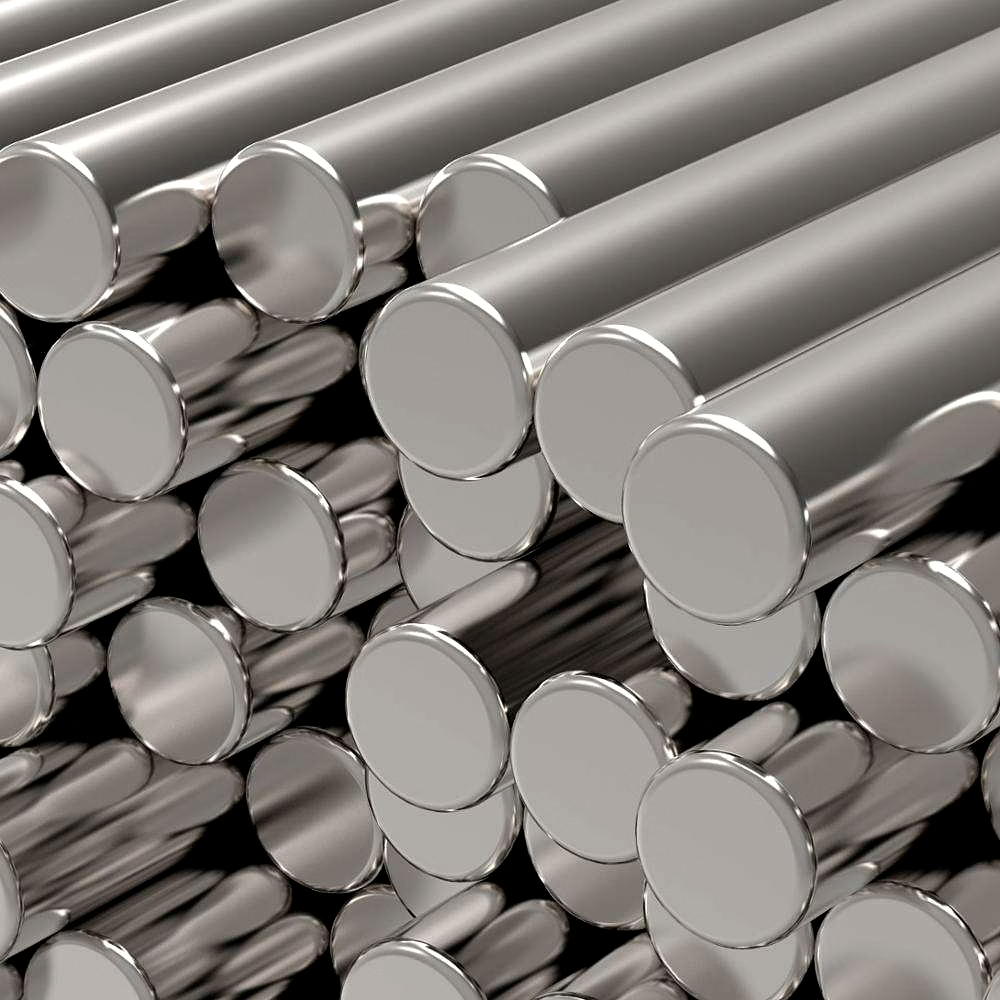
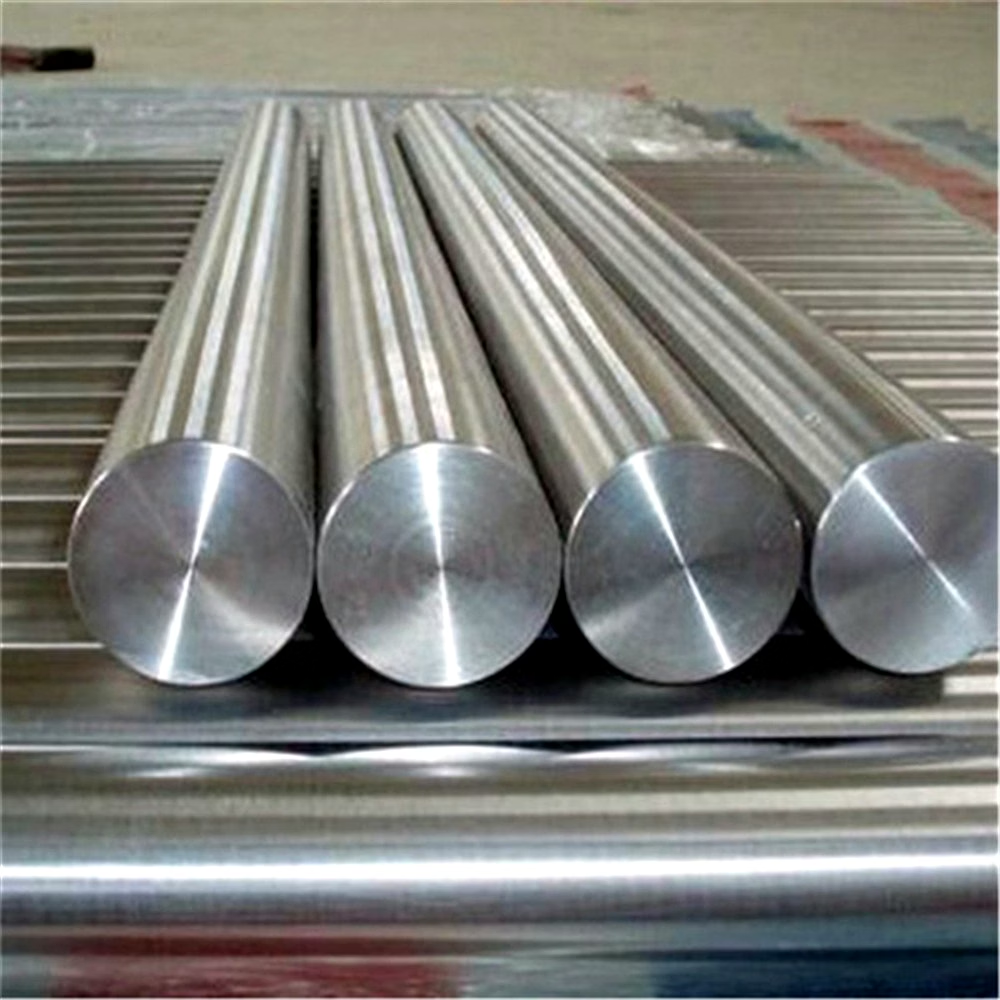
Aluminium Alloy Pipes and Tubes are engineered for versatility and durability across various industries. These lightweight and corrosion-resistant materials are produced through an advanced extrusion process, allowing them to take on diverse shapes including round, square, or rectangular profiles. The unique properties of aluminum alloys make them ideal for applications in construction, automotive, aerospace, and industrial piping. With a remarkable strength-to-weight ratio, excellent thermal and electrical conductivity, and ease of fabrication, aluminium alloy pipes and tubes stand out as a premier choice in any professional setting. Whether you need structural supports, fluid transportation, or electrical components, these aluminium alloys are designed to meet your specific requirements and provide longevity under demanding conditions.
Key Features
| Features | Description |
|---|---|
| Corrosion Resistance | Aluminium alloys provide excellent resistance to corrosion, enhancing their durability in various environments. |
| Lightweight | Aluminium is significantly lighter than other metals such as steel, contributing to easy handling and transport. |
| Strength | Various aluminum alloys offer differing levels of strength, allowing for tailored applications. |
| Thermal and Electrical Conductivity | Aluminium's good thermal and electrical conductivity makes it suitable for heat sinks and wiring. |
| Ease of Fabrication | Aluminium is easy to fabricate, weld, and join, simplifying the creation of intricate piping systems. |
| Attributes | Description |
|---|---|
| Alloy Types | 6061, 2024, 6063, 5052, 6082 |
| Production Process | Extrusion, where molten aluminum is forced through a die. |
| Applications | Construction, Automotive, Aerospace, Industrial Piping, Electrical Equipment |
| Shape Availability | Round, Square, Rectangular |
| Temperature Resistance | Suitable for a wide range of environmental conditions. |
*Disclaimer: The above description has been AI-generated and has not been audited or verified for accuracy. It is recommended to verify product details independently before making any purchasing decisions.
Aluminium alloy pipes and tubes offer corrosion resistance, lightweight properties, and excellent strength, making them ideal for structural supports and frameworks.
Yes, aluminium alloy tubes are commonly used in automotive fuel lines due to their lightweight and corrosion resistance.
Aluminium alloy pipes and tubes are available in round, square, and rectangular shapes to suit various application needs.
Different aluminium alloys, such as 6061 and 2024, offer varying levels of strength to meet specific application requirements.
Industries such as construction, automotive, aerospace, and various industrial applications benefit significantly from the properties of aluminium alloy pipes and tubes.
Country Of Origin: India
Aluminium alloy pipes and tubes are versatile, lightweight, and corrosion-resistant materials used in various industries. They are produced through extrusion and are available in round, square, or rectangular shapes. Their properties make them suitable for applications like carrying fluids or gases, structural supports, and various industrial uses.
Key Features and Advantages:
Corrosion Resistance:
Aluminum alloys are known for their excellent resistance to corrosion, making them durable in various environments.
Lightweight:
Aluminum is significantly lighter than other metals like steel, making it easier to handle and transport.
Strength:
Different aluminum alloys offer varying levels of strength, allowing for selection based on specific application needs.
Thermal and Electrical Conductivity:
Aluminum has good thermal and electrical conductivity, making it suitable for applications like heat sinks and electrical wiring.
Ease of Fabrication:
Aluminum is relatively easy to fabricate, weld, and join, simplifying the creation of complex piping systems.
st.
Common Applications:
Construction: Used in building frames, window frames, and other structural components.
Automotive: Used in fuel lines, air conditioning systems, and other components.
Aerospace: Used in aircraft structures and other components where lightweight strength is crucial.
Industrial Piping: Used for carrying fluids, gases, or other media in various industrial applications.
Electrical Equipment: Used in heat sinks and other electrical components.
Types of Aluminum Alloys:
6061: A common alloy known for its good strength and machinability.
2024: A high-strength alloy often used in aerospace applications.
6063: A widely used alloy known for its good extrudability and corrosion resistance.
5052 and 6082: Other alloys with specific properties suitable for various applications.
Production Process:
Aluminium alloy pipes and tubes are primarily produced through extrusion, a process where molten aluminum is forced through a die to create the desired shape and size.
Inclusive of all taxes
You Save: 0
Mumbai , India
Manufacturer, Retailer, Distributor, Exporter, Importer, Wholesaler