• Key Features & Attributes
  • Ratings & Reviews
  • Know your Supplier
  • Product description from supplier

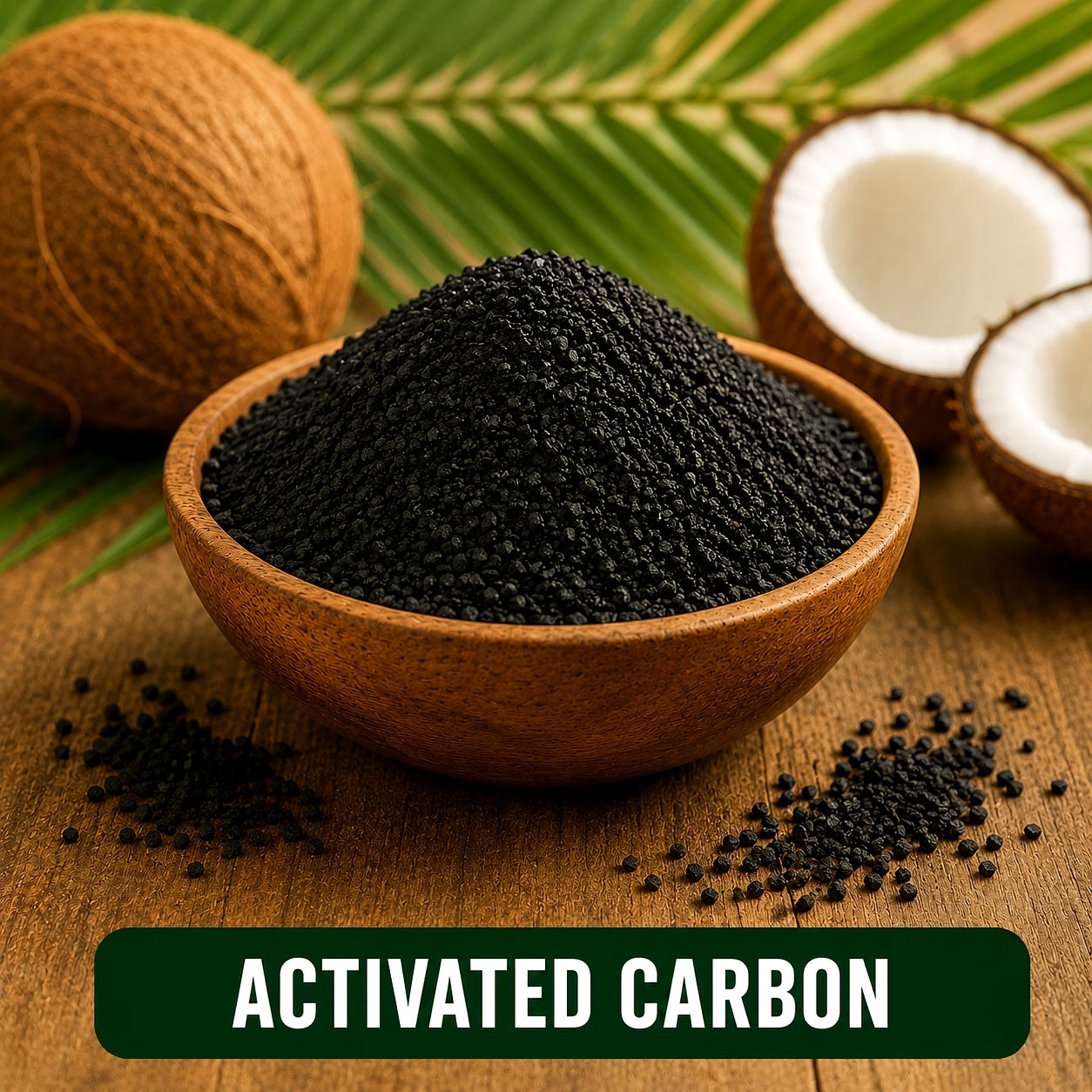
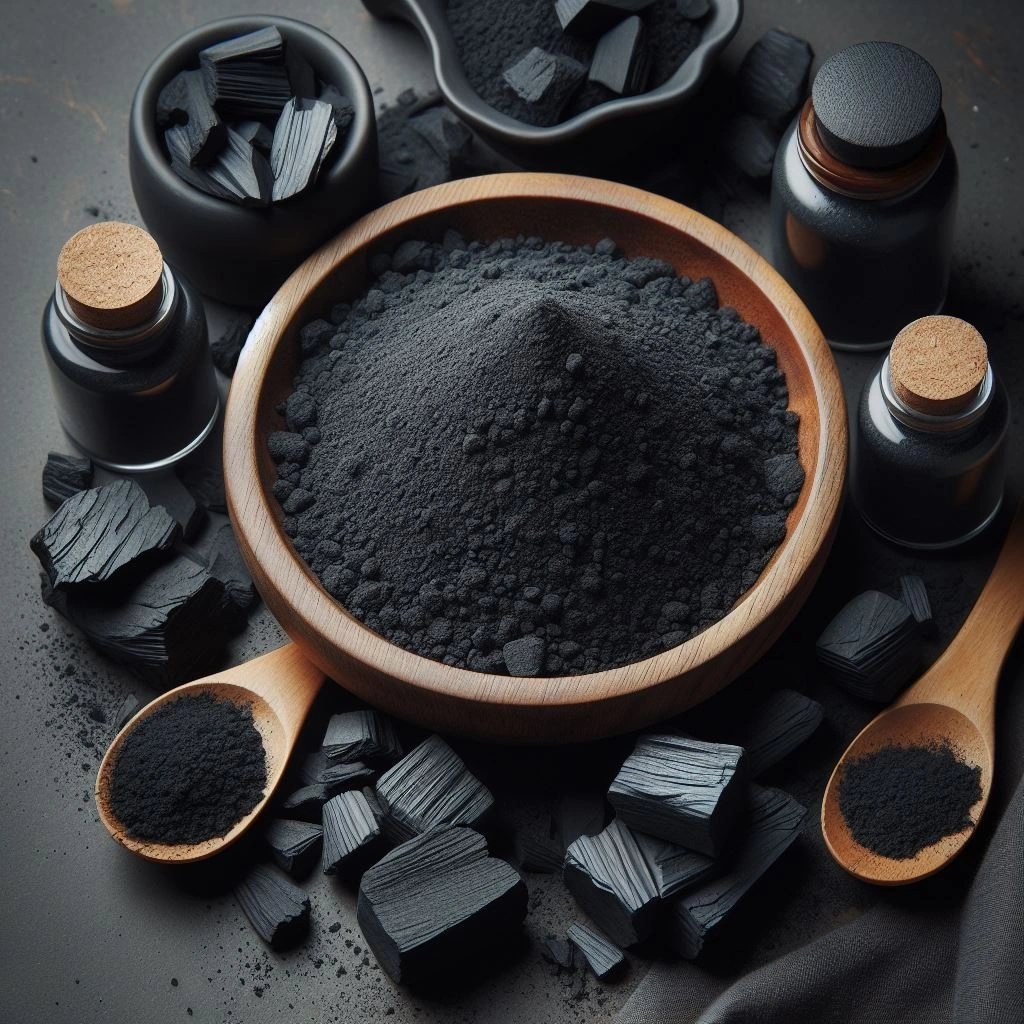
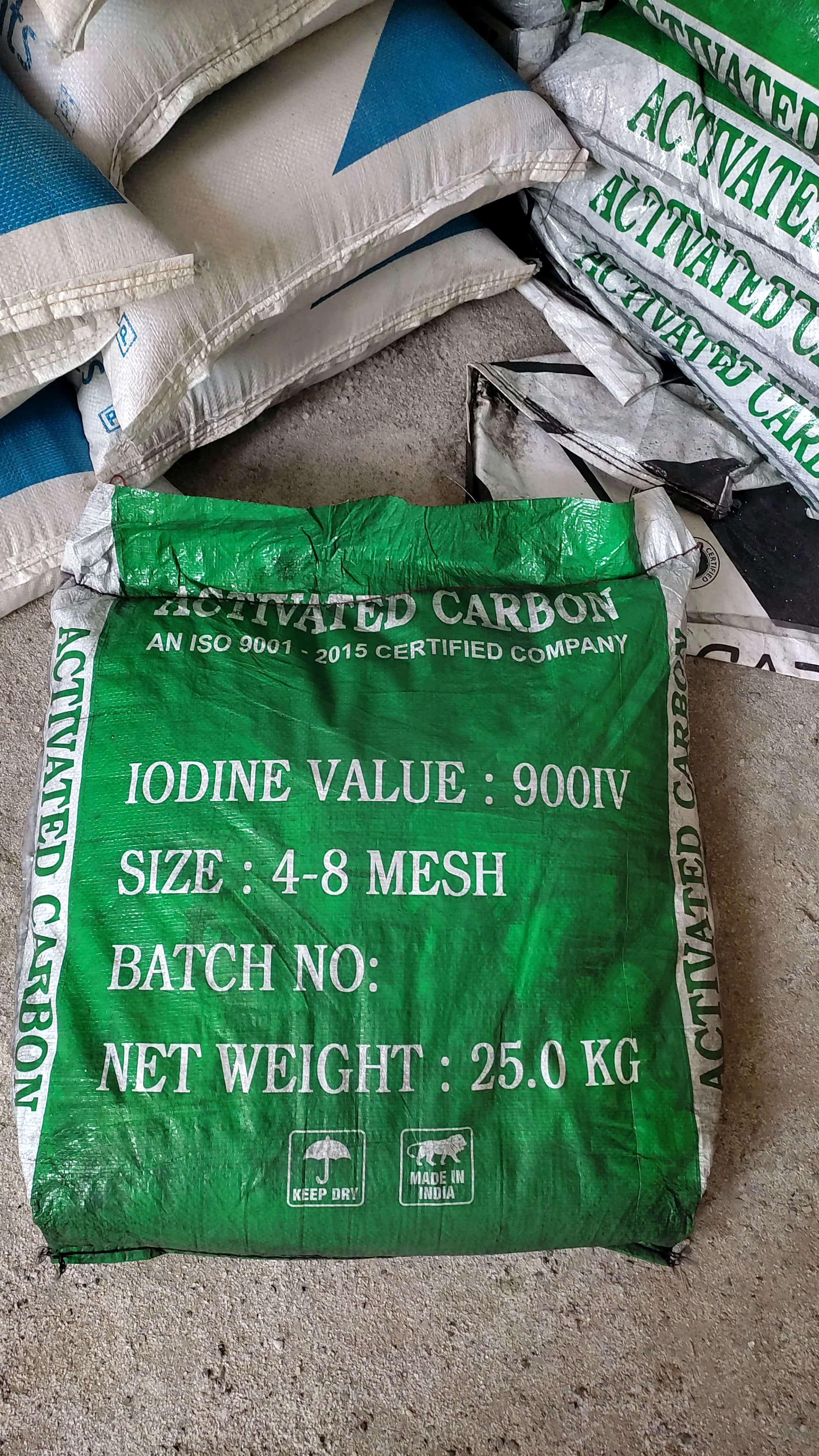
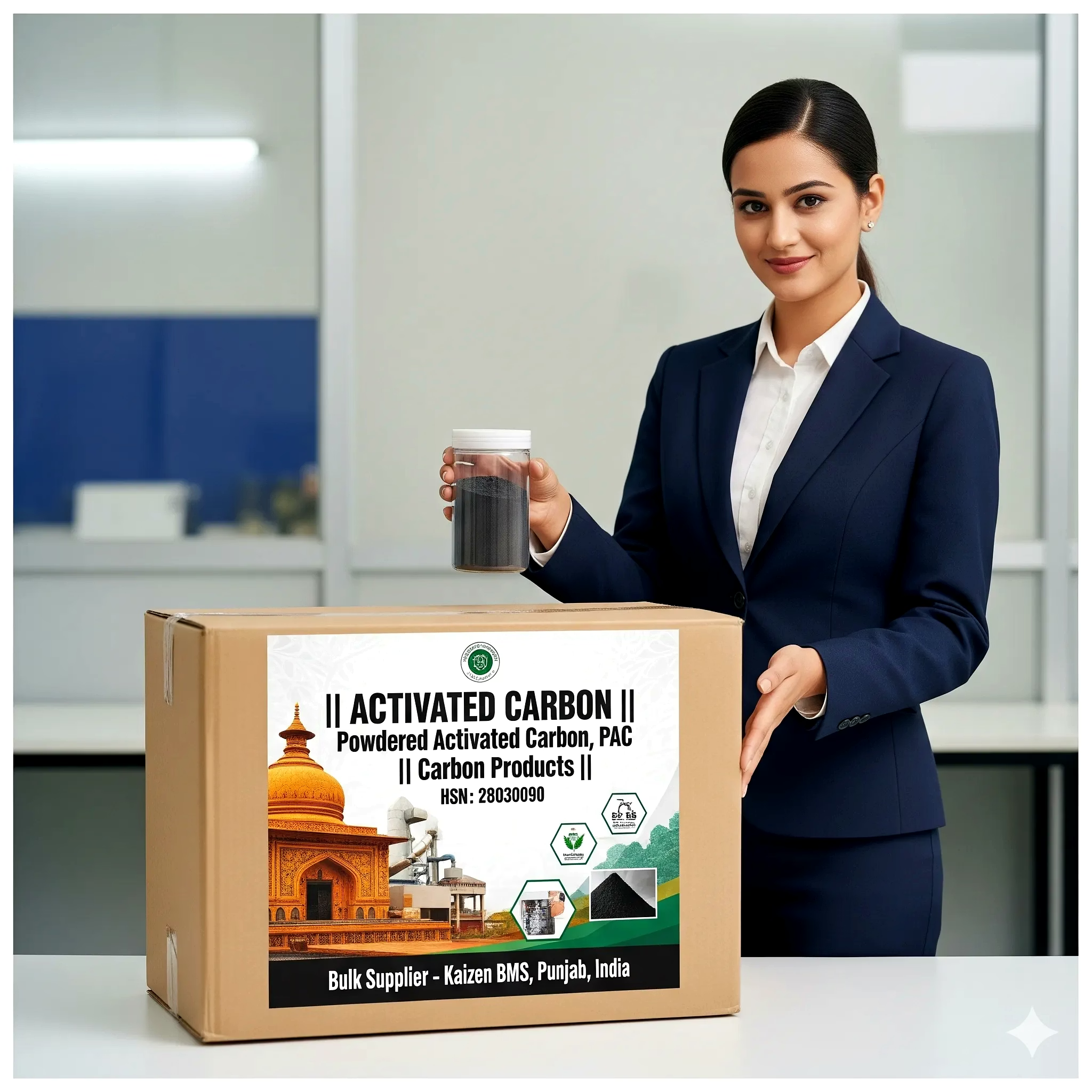
ACTIVATED CARBON

Inclusive of all taxes

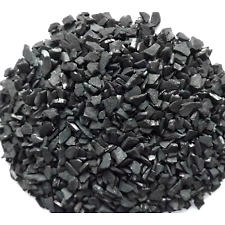
Activated carbon, also known as activated charcoal, is a highly adsorbent material widely used for its exceptional ability to filter and purify water and air. This versatile substance is derived from various raw materials such as coal, soft woods, and vegetable shells, and undergoes thermochemical or hydrothermal processes to enhance its physical and chemical properties. Its large surface area and considerable pore volume allow it to effectively adsorb a multitude of organic compounds, making it an ideal solution for water treatment, air purification, and vent filtration systems. In water treatment, activated carbon plays a crucial role in removing residual organic compounds, ensuring cleaner and safer drinking water. In air purification, it serves in gas-phase applications to eliminate harmful gases and recover solvents, contributing to a healthier environment. Additionally, its use in vent filters safeguards purified water reservoirs by trapping unwanted volatile organic compounds, preventing contamination. Explore the numerous benefits and applications of activated carbon in your operations, as it not only enhances the quality of the air and water but also provides solutions for wastewater treatment and catalytic processes.

Key Features

Features Description
Material Composition Derived from coal, biomass, soft woods, and vegetable shells.
Process of Activation Activated through thermochemical or hydrothermal processes.
Adsorption Capabilities Large surface area and extensive pore volume for effective pollutant adsorption.
Water Purification Removes residual organic compounds from purified water.
Air Purification Used for gas purification and solvent recovery.
Vent Filtration Protects purified water reservoirs by trapping organic compounds.
Attributes Description
Type Activated Carbon
Primary Raw Materials Coal, soft woods, vegetable shells/pits.
Activation Methods Physical and chemical activation.
Surface Area Extensive surface area for enhanced adsorption.(specific area varies based on product)
Applications Water treatment, air purification, vent filtration.

*Disclaimer: The above description has been AI-generated and has not been audited or verified for accuracy. It is recommended to verify product details independently before making any purchasing decisions.

Be the first to write a review

Activated carbon is beneficial in water treatment facilities, manufacturing companies, and any industry that requires air purification and effective vent filtration to maintain a clean production environment.

Yes, activated carbon can often be regenerated; however, the efficiency of regeneration depends on the type of contaminants adsorbed and the method of regeneration used.

Physical activation involves carbonizing the raw material and then activating it with steam or CO2, while chemical activation employs chemical agents to enhance the adsorption capacity of the carbon.

Activated carbon is highly effective in removing a vast range of organic compounds, but its effectiveness can vary against inorganic substances and certain heavy metals.

The pore structure of activated carbon determines its adsorption capacity; a higher number of micropores improves the ability to capture smaller molecules, enhancing overall performance.

  • Incorporation Type

  • GST

  • GST Registration Date

  • Number of Employees

  • Import Export Code (IEC)

  • Year of Establishment

  • Nature of Business

  • GlobalLinker Member Since

Brand: acp - 100, 200, 300

Country Of Origin: India

Activated carbon, also known as activated charcoal, is a porous material that's used for many applications, including filtering water and air, treating wastewater, and as a catalyst.

How it's made

Activated carbon is made from coal or biomass that's been processed through thermochemical or hydrothermal processes, then activated through physical or chemical means.

What it's made from

Activated carbon can be made from a variety of raw materials, including soft woods, mineral coals, and vegetable shells or pits.

How it works

Activated carbon's large surface area and pore volume allow it to adsorb a wide range of pollutants.

How it's used

Activated carbon is used in many applications, including:

Water treatment: Activated carbon can remove residual organic compounds from purified water.

Air purification: Activated carbon can be used in gas-phase applications for gas purification and solvent recovery.

Vent filters: Activated carbon's affinity for organics can be used in vent filters to protect purified water reservoirs.


Non-metallic Products

Carbon

acp - 100, 200, 300

Activated Carbon

Activated Charcoal

Water Treatment

Air Purification

Vent Filtration

Organic Compound Adsorption

ACTIVATED CARBON

Inclusive of all taxes

You Save: 0

Send Inquiry
riddhi metal and chemicals

Mahesana , India

Manufacturer, Exporter, Wholesaler

  • Secure
    Transaction

  • Free
    Delivery

  • Day
    Dispatch

Report a problem with this product