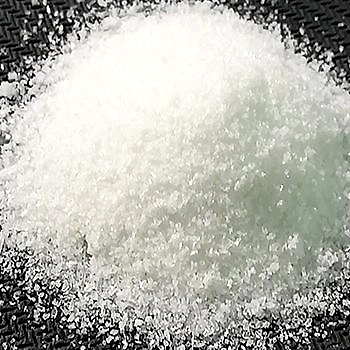
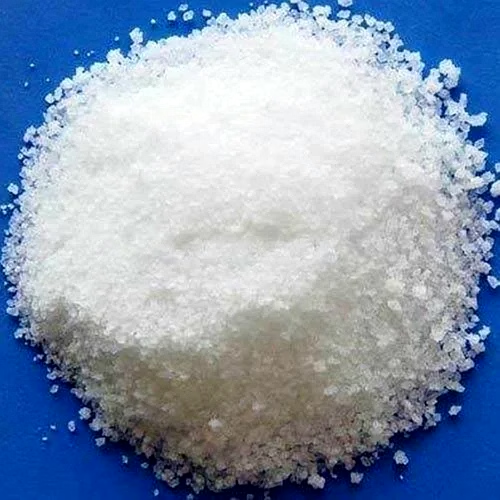
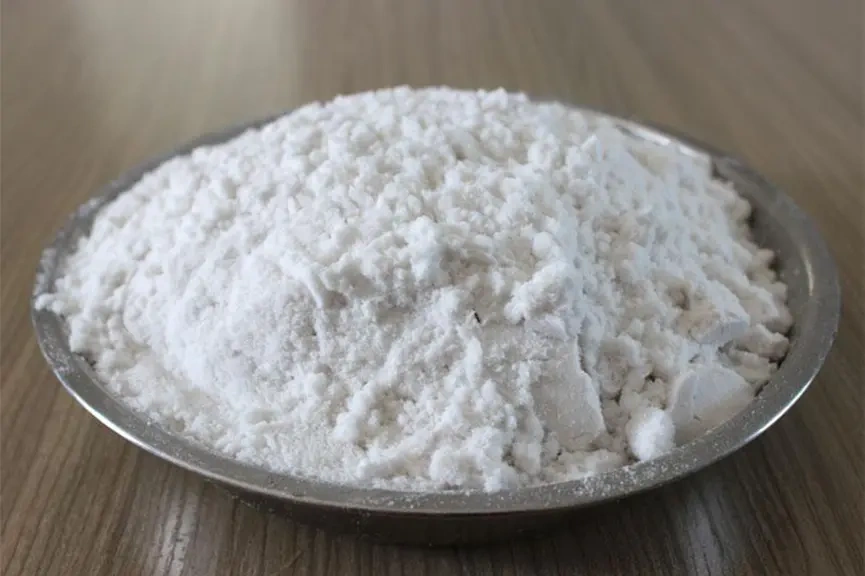
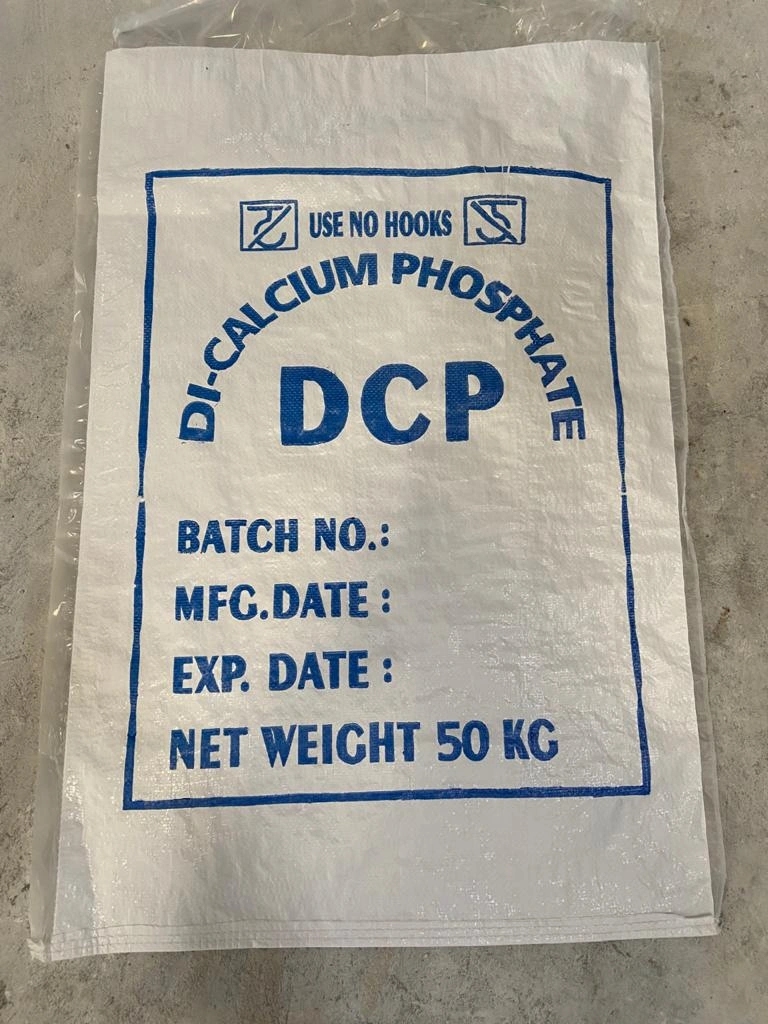
Dicalcium phosphate (CaHPO₄), also referred to as dibasic calcium phosphate, is a vital compound widely utilized in various industries, including food, pharmaceuticals, and animal nutrition. With a molar mass of 136.06 g/mol and a density of 2.93 g/cm³, Dicalcium phosphate is a calcium phosphate compound formed by removing two protons from phosphoric acid (H₃PO₄), leading to the formation of the HPO₄2– anion. While this compound is predominantly synthetic, there are naturally occurring deposits, such as those found in monetite. Unlike other calcium sources, Dicalcium phosphate is non-toxic to humans, making it a preferred ingredient in dietary supplements for humans and nutritious animal feed. It is especially common in fortified breakfast cereals, dog treats, enriched flour, and various noodle products. In addition, its application as a tableting agent in pharmaceuticals adds to its versatility. Its incorporation into animal feed supports healthy growth and development by ensuring adequate nutrient availability for poultry and pigs, fostering better livestock performance and health.
Key Features
| Features | Description |
|---|---|
| Chemical Formula | CaHPO₄ |
| Molar Mass | 136.06 g/mol |
| Density | 2.93 g/cm³ |
| Safety | Non-toxic for humans |
| Main Uses | Dietary supplement, animal feed additive, pharmaceutical tableting agent |
| Source | Primarily synthetic, with limited natural deposits |
| Nutritional Benefits | Source of Calcium and Phosphorus for animals |
| Applications | Used in breakfast cereals, dog treats, enriched flour, and noodles |
| Attributes | Description |
|---|---|
| Appearance | White powder |
| Solubility | Slightly soluble in water |
| pH | Approximately neutral (7) in solution |
| Storage conditions | Cool, dry place away from sunlight |
| Shelf Life | 2 years when stored properly |
| Product Form | Granular and powder forms available |
| CAS Number | 7757-93-9 |
*Disclaimer: The above description has been AI-generated and has not been audited or verified for accuracy. It is recommended to verify product details independently before making any purchasing decisions.
Dicalcium Phosphate is primarily used as a dietary supplement in foods like breakfast cereals and enriched flour, as well as a crucial additive in animal feed for poultry and pigs, and as a tableting agent in pharmaceuticals.
Yes, Dicalcium Phosphate is non-toxic to humans and is commonly used in various dietary supplements.
While Dicalcium Phosphate is predominantly synthesized, it can also be derived from natural sources; however, the natural deposits are limited. The synthetic production often employs phosphoric acid.
Absolutely! Dicalcium Phosphate serves as a significant source of calcium and phosphorus for livestock, supporting proper growth and nutrition in animals like poultry and pigs.
Dicalcium Phosphate is generally flavor-neutral, so it does not significantly alter the taste of the products in which it is included.
Brand: dcp
Country Of Origin: India
Dicalcium phosphate (CaHPO₄), also known as dibasic calcium phosphate or calcium monohydrogen phosphate, is a calcium phosphate compound with a molar mass of 136.06 g/mol and a density of 2.93 g/cm³. The "di" in its name comes from the removal of two protons from phosphoric acid (H₃PO₄) to form the HPO₄2– anion.
Dicalcium phosphate is usually synthetic, but there are some small, limited deposits from natural sources, such as monetite. Dicalcium phosphate might be obtained from roasting bones, but most bone sources of dicalcium phosphate are precipitated by using strong acids prohibited for organic production.
Dibasic calcium phosphate is mainly used as a dietary supplement in prepared breakfast cereals, dog treats, enriched flour, and noodle products. It is also used as a tableting agent in some pharmaceutical preparations, including some products meant to eliminate body odor.A very important property of Dicalcium Phosphate is that it is not harmful to humans.
Dicalcium phosphate is a calcium and phosphorus compound that is often added to animal feed to help ensure that animals get the nutrients they need to grow and develop. It's used in a variety of animal feeds, including poultry and pig feed
Stay informed with the latest market trends, quality guides, and industry analysis