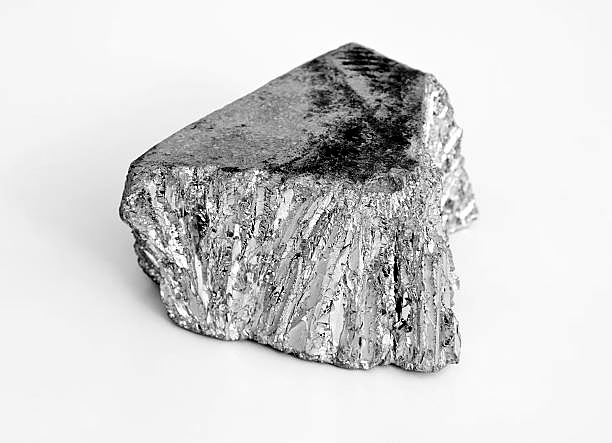
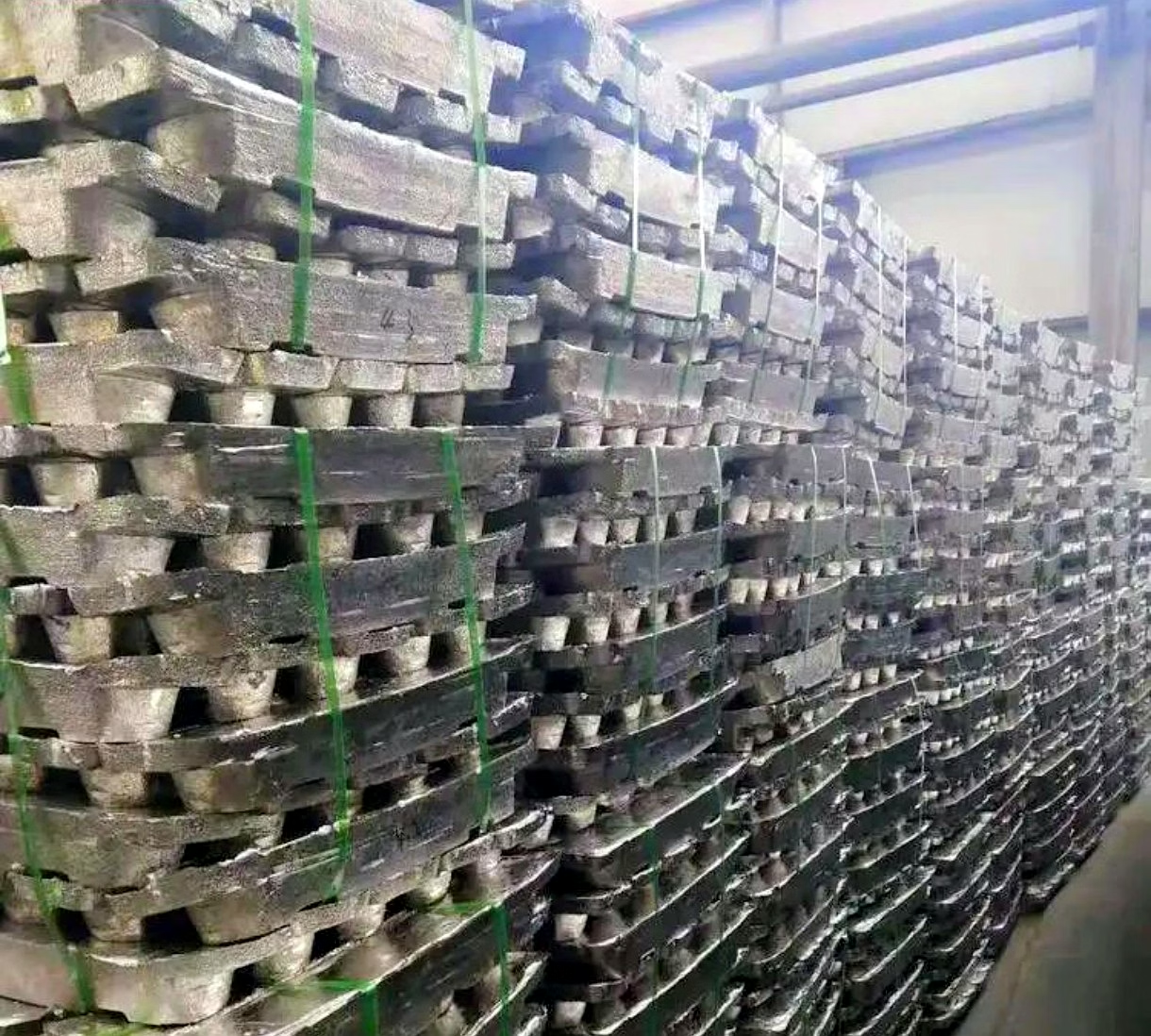
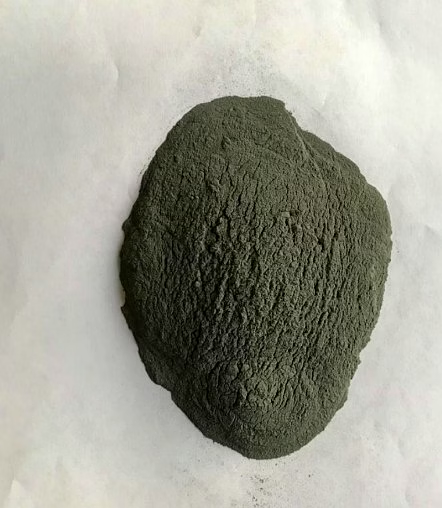
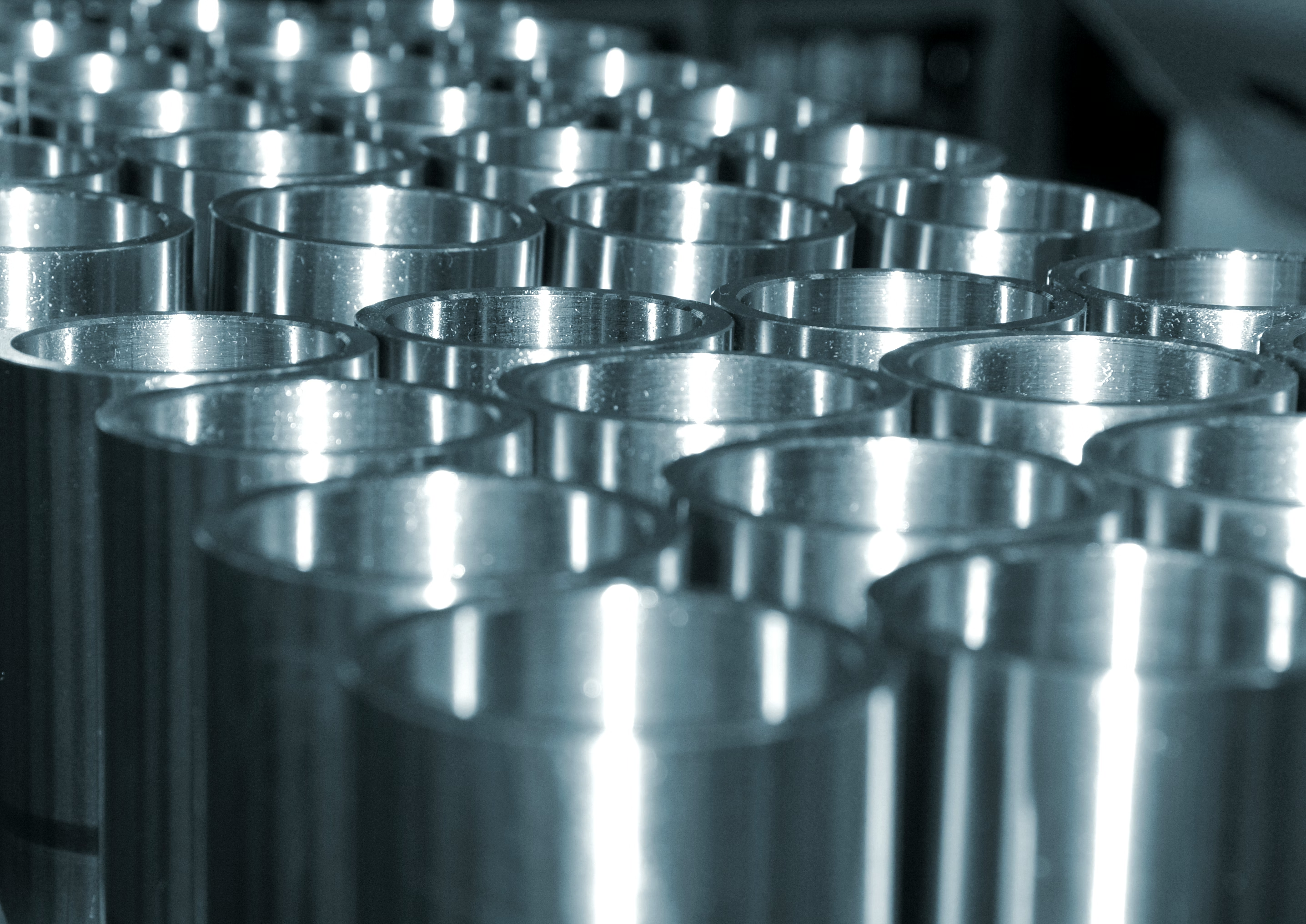
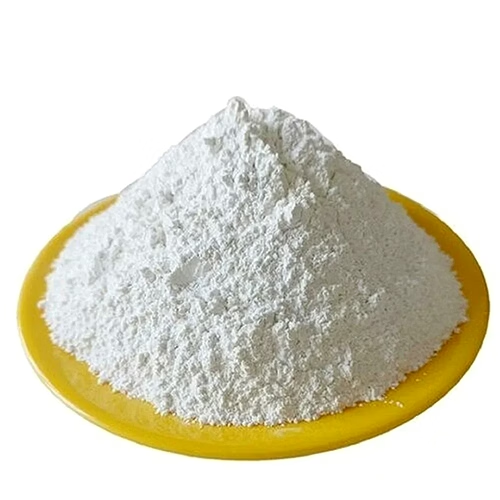
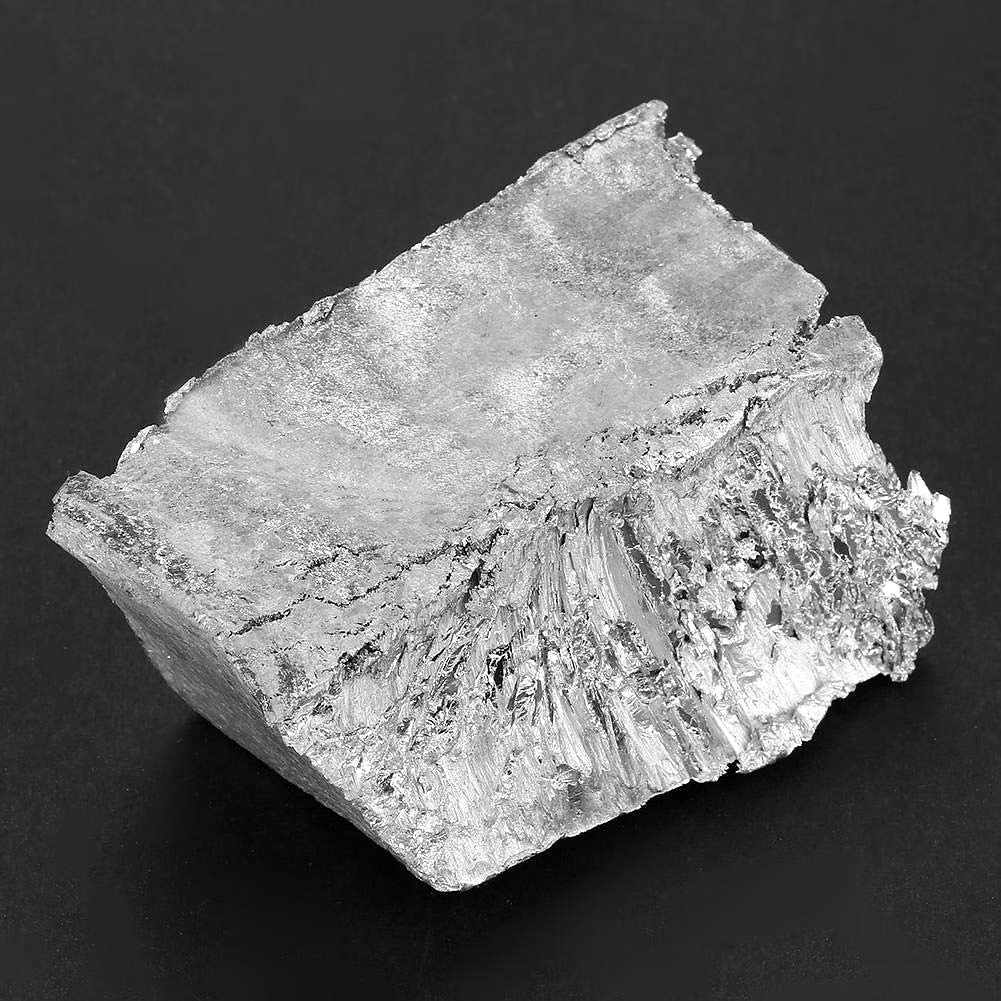
Zinc metal is a highly versatile industrial raw material widely used across manufacturing, metallurgy, construction, and automotive supply chains. Its primary value lies in corrosion protection, where it is most commonly used for galvanizing steel and iron to create long-lasting rust-resistant surfaces. More than 60% of global zinc consumption is dedicated to galvanizing, making it one of the most important metals for extending the service life of steel components in harsh or outdoor environments. This zinc metal product is durable, recyclable, and cost-effective, making it a preferred choice for bulk industrial procurement. It works by forming a sacrificial protective layer on steel when used in galvanizing applications, preventing oxidation and corrosion even under demanding conditions. In many applications, steel components are dipped into molten zinc at around 450°C to create a strong coating that can help protect against rust for 50–70 years depending on exposure conditions and coating specifications. Beyond galvanizing, zinc metal is also used in die casting alloys, automotive parts, precision components, and batteries. Because of its strength, corrosion resistance, and processing flexibility, zinc plays a critical role in industrial production. It is commonly supplied in forms such as ingots, granules, and dust, allowing buyers to choose the right form for their production process. For B2B buyers looking for a dependable metal supply for galvanizing, alloying, or manufacturing operations, zinc metal offers a practical combination of performance, recyclability, and cost efficiency. It is especially suitable for factories, foundries, metal processors, and industrial distributors seeking consistent supply for large-scale applications.
Key Features
| Features | Description |
|---|---|
| Primary Use | Corrosion protection and galvanizing of steel and iron |
| Durability | Provides long-lasting rust resistance in industrial applications |
| Recyclability | Fully recyclable and suitable for sustainable manufacturing |
| Cost Efficiency | Economical raw material for bulk industrial use |
| Application Range | Used in galvanizing, die casting alloys, automotive parts, and batteries |
| Common Forms | Available in ingots, granules, and dust |
| Attributes | Description |
|---|---|
| Product Name | Zinc Metal |
| Material Type | Industrial metal raw material |
| Main Function | Galvanizing and corrosion protection |
| Typical Consumption Share | Over 60% used for galvanizing steel and iron |
| Production Method | Primarily electrolytic extraction |
| Extraction Share | More than 90% produced through electrolytic extraction |
| Galvanizing Temperature | Approximately 450°C |
| Protection Benefit | Can help protect steel from rust for 50–70 years |
| Available Forms | Ingots, granules, dust |
| MOQ | 1 |
| Unit | Kilogram |
*Disclaimer: The above description has been AI-generated and has not been audited or verified for accuracy. It is recommended to verify product details independently before making any purchasing decisions.
Its primary use is galvanizing steel and iron to provide corrosion protection and extend service life.
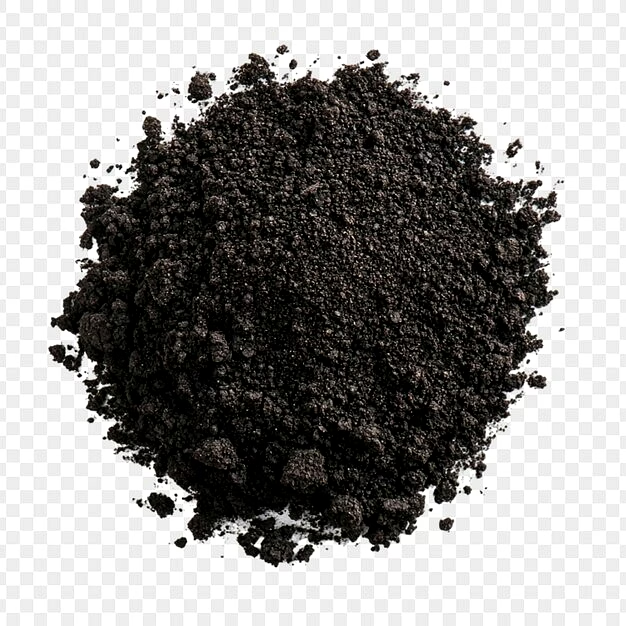
It is commonly supplied in ingots, granules, and dust, allowing buyers to select the form best suited for galvanizing, alloying, or processing requirements.
Zinc forms a sacrificial layer that protects the underlying steel from rust and oxidation, making it highly effective in harsh environments.
More than 90% of zinc is produced through electrolytic extraction, which supports its industrial-grade quality and corrosion-resistant properties.
Yes, it is also used in die casting alloys, automotive parts, and batteries, making it suitable for multiple industrial supply chains.
Country Of Origin: India
Inclusive of all taxes
You Save: 0
Chandrapur , India
Service Provider , Professional Services, Contractor, Brand Owner, Distributor, Exporter, Importer, Wholesaler, Startup