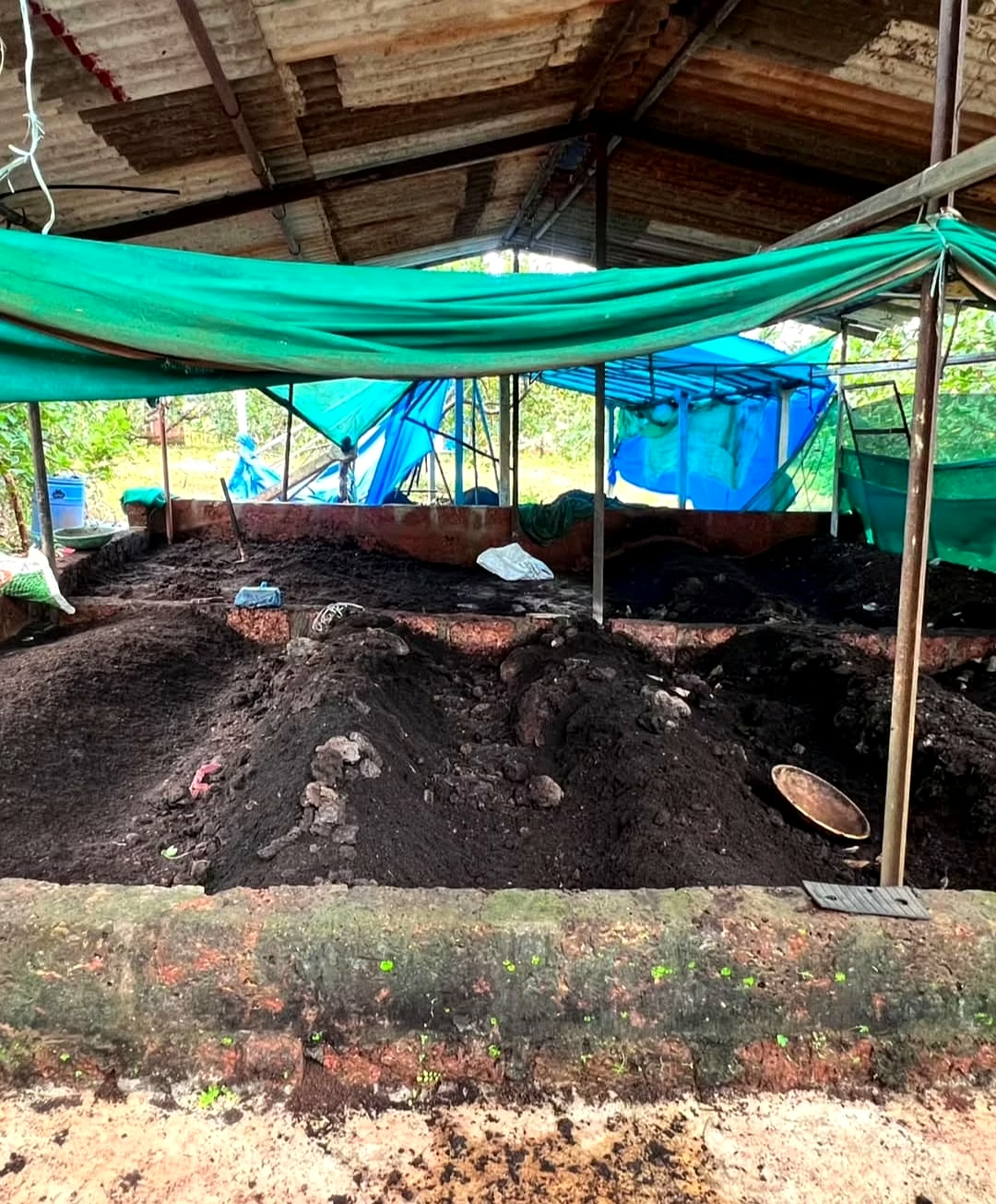
Vermicompost is a high-quality organic fertilizer produced through the natural process involving earthworms. Rich in essential nutrients such as nitrogen, phosphorus, potassium, and a diverse range of beneficial microbes, vermicompost significantly improves soil health and fertility. This fertilizer enhances soil structure by increasing aeration, water retention, and facilitating better root penetration, which leads to healthier plant development. Vermicompost supports faster seed germination, vigorous plant growth, and higher crop yields, making it an ideal solution for commercial farmers and nurseries looking to improve productivity sustainably. Moreover, it serves as an excellent natural alternative to chemical fertilizers, reducing dependency on harmful synthetic inputs and promoting eco-friendly farming practices. Vermicompost also plays a key role in restoring degraded soils, enriching them with microbial diversity, including beneficial bacteria, fungi, and enzymes that enhance soil biological activity and long-term soil regeneration. This makes vermicompost a vital input for sustainable agriculture, organic farming, and landscaping projects seeking to improve soil quality and maximize plant health naturally.
Key Features
| Features | Description |
|---|---|
| Nutrient Rich | High levels of Nitrogen, Phosphorus, Potassium, and trace minerals |
| Soil Health Improvement | Enhances aeration, water retention, and root penetration |
| Crop Yield Enhancement | Promotes faster germination and stronger plant growth |
| Microbial Richness | Contains beneficial bacteria, fungi, and enzymes that improve soil biology |
| Eco-Friendly | Natural alternative to chemical fertilizers reducing environmental impact |
| Soil Regeneration | Restores degraded and exhausted soils for long-term fertility |
| Attributes | Description |
|---|---|
| Production Process | Processed naturally by earthworms breaking down organic waste |
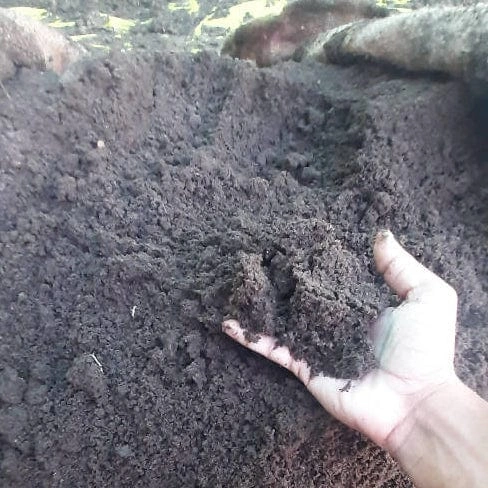
| Physical Appearance | Dark brown granular material with earthy smell |
| Nutrient Content | Nitrogen (1.5-2.5%), Phosphorus (1.0-1.5%), Potassium (1.0-1.5%) |
| pH Range | 6.5 to 7.5 (neutral to slightly acidic) |
| Moisture Content | Approximately 30-40% |
| Application Methods | Suitable for direct soil application, potting mixes, seedbed preparation |
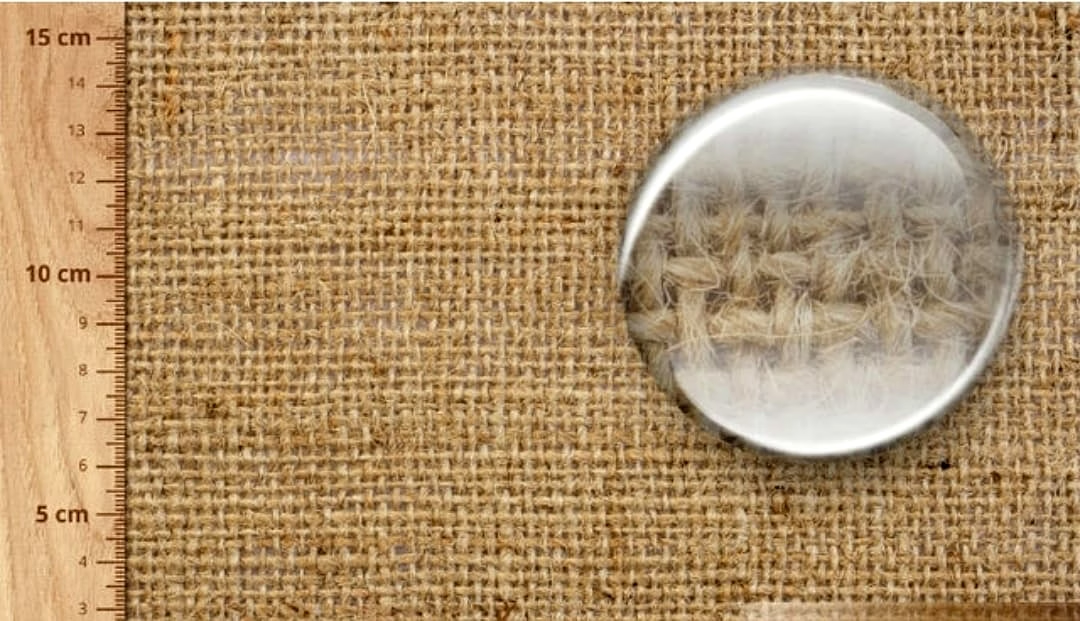
| Packaging Options | Available in bulk bags, 25kg and 50kg sacks |
*Disclaimer: The above description has been AI-generated and has not been audited or verified for accuracy. It is recommended to verify product details independently before making any purchasing decisions.
Vermicompost's granular structure increases soil porosity, which enhances air flow to roots and improves the soil's ability to retain moisture, leading to better root development and plant health.
Vermicompost is highly beneficial for a wide range of crops including vegetables, fruits, cereals, and ornamental plants, promoting faster germination and improved yields across all these types.
While vermicompost significantly reduces the need for chemical fertilizers by supplying essential nutrients and improving soil biology, it is best used in integrated nutrient management systems for optimal large-scale farming results.
Recommended application rates vary depending on crop and soil conditions but typically range between 1 to 5 tonnes per hectare, applied during soil preparation or as top dressing.
By enhancing soil microbial diversity and structure while reducing chemical inputs, vermicompost supports natural nutrient cycling, soil regeneration, and long-term environmental sustainability.
Country Of Origin: India
Improves soil structure: Enhances aeration, water retention, and root penetration
Boosts crop yield: Promotes faster germination and stronger plant growth
Reduces chemical dependency: Acts as a natural alternative to synthetic fertilizers
Soil regeneration: Restores degraded soils and supports long-term fertility
Microbial richness: Contains beneficial bacteria, fungi, and enzymes that improve soil biology