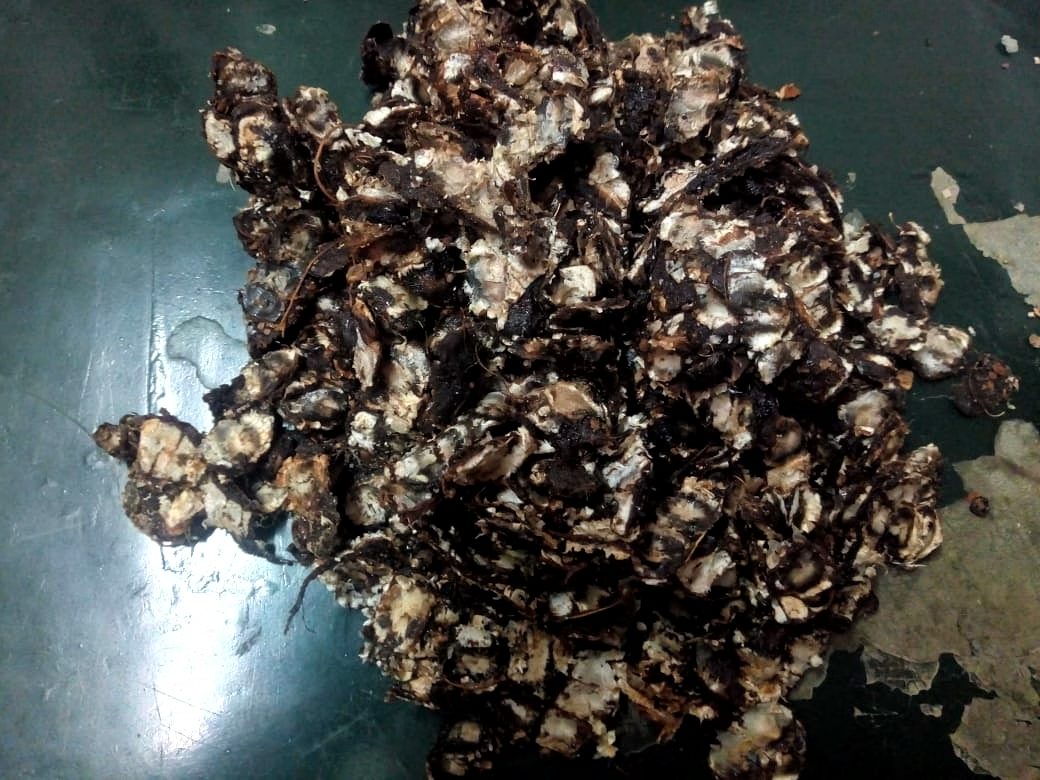
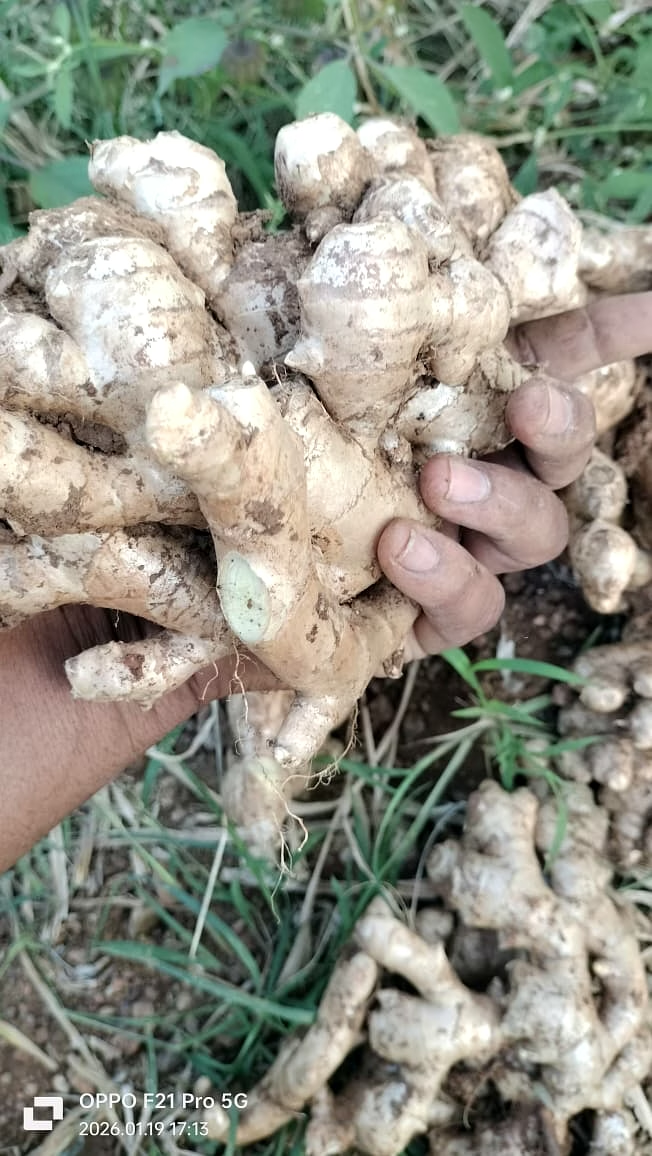
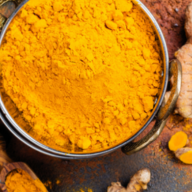
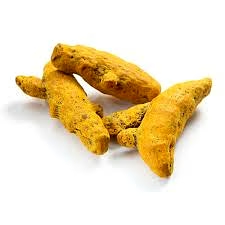
Turmeric, scientifically known as Curcuma longa, is a premium quality rhizomatous herb from the ginger family, expertly cultivated under optimal conditions between 20°C and 30°C with ample annual rainfall. Sourced directly from the Indian subcontinent and Southeast Asia, our turmeric roots are carefully harvested and processed either fresh or boiled and sun-dried to preserve their natural properties. Ground into a vibrant orange-yellow powder, this turmeric serves as an exceptional natural coloring and flavoring agent ideal for culinary applications, especially in Asian cuisines such as curries, and for natural dyeing purposes. Known for its warm, slightly bitter flavor, reminiscent of black pepper, with an earthy and mustard-like aroma, it is also valued in Ayurvedic traditions as haridra. ACHYUTHA TRADING COMPANY offers this authentic turmeric with assurance of purity, freshness, and consistent quality, perfectly suited for businesses looking to incorporate superior turmeric powder in food manufacturing, spice mixing, cosmetic, and dye industries.
Key Features
| Features | Description |
|---|---|
| Botanical Name | Curcuma longa |
| Family | Zingiberaceae (Ginger family) |
| Origin | Indian subcontinent & Southeast Asia |
| Form | Dried and ground orange-yellow powder |
| Flavor Profile | Warm, bitter, black pepper-like flavor with earthy, mustard-like aroma |
| Use | Culinary spice, natural food coloring, and dyeing |
| Cultivation Requirements | Temperature range 20-30°C, high rainfall |
| Medicinal Reference | Known as Haridra in Ayurveda but without high-quality clinical therapy evidence |
| Packaging Unit | Available in Kilogram units |
| MOQ | 1 Kilogram |
| Attributes | Description |
|---|---|
| Scientific Classification | Curcuma longa of Zingiberaceae family |
| Plant Type | Perennial, rhizomatous, herbaceous |
| Physical Appearance | Deep orange-yellow powdered form |
| Flavor and Aroma | Warm, black pepper-like, earthy, bitter, mustard-like aroma |
| Cultivation Environment | 20-30°C temperature, adequate rainfall |
| Harvest Season | Annual rhizome harvest |
| Processing Method | Fresh or boiled rhizomes dried and ground |
| Packaging | Sold per kilogram |
| Origin | Indian subcontinent and Southeast Asia |
| Store Name | ACHYUTHA TRADING COMPANY |
| Minimum Order Quantity (MOQ) | 1 Kilogram |
*Disclaimer: The above description has been AI-generated and has not been audited or verified for accuracy. It is recommended to verify product details independently before making any purchasing decisions.
The turmeric is cultivated in environments with temperatures between 20°C and 30°C.
Yes, the turmeric powder is commonly used as a natural dye in various applications.
It has a warm, bitter flavor similar to black pepper with an earthy and mustard-like aroma.
Yes, the minimum order quantity is 1 kilogram, ideal for bulk buyers requiring smaller quantities.
The turmeric powder is processed from rhizomes that are either fresh or boiled and then dried before grinding.
Turmeric is a flowering plant, Curcuma longa of the ginger family, Zingiberaceae, the roots of which are used in cooking. The plant is a perennial, rhizomatous, herbaceous plan native to the Indian subcontinent and Southeast Asia, that requires temperatures between 20 and 30 °C (68 and 86 °F) and a considerable amount of annual rainfall to thrive. Plants are gathered each year for their rhizomes, some for propagation in the following season and some for consumption.
The rhizomes are used fresh or boiled in water and dried, after which they are ground into a deep orange-yellow powder commonly used as a coloring and flavoring agent in many Asian cuisines, especially for curries, as well as for dyeing. Turmeric powder has a warm, bitter, black pepper-like flavor and earthy, mustard-like aroma.
Although long used in Ayurvedic medicine, where it is also known as haridra, no high-quality clinical evidence exists for use of turmeric or its constituent, curcumin, as a therapy.
Turmeric is a flowering plant, Curcuma longa of the ginger family, Zingiberaceae, the roots of which are used in cooking. The plant is a perennial, rhizomatous, herbaceous plan native to the Indian subcontinent and Southeast Asia, that requires temperatures between 20 and 30 °C (68 and 86 °F) and a considerable amount of annual rainfall to thrive. Plants are gathered each year for their rhizomes, some for propagation in the following season and some for consumption.
The rhizomes are used fresh or boiled in water and dried, after which they are ground into a deep orange-yellow powder commonly used as a coloring and flavoring agent in many Asian cuisines, especially for curries, as well as for dyeing. Turmeric powder has a warm, bitter, black pepper-like flavor and earthy, mustard-like aroma.
Although long used in Ayurvedic medicine, where it is also known as haridra, no high-quality clinical evidence exists for use of turmeric or its constituent, curcumin, as a therapy.
Stay informed with the latest market trends, quality guides, and industry analysis