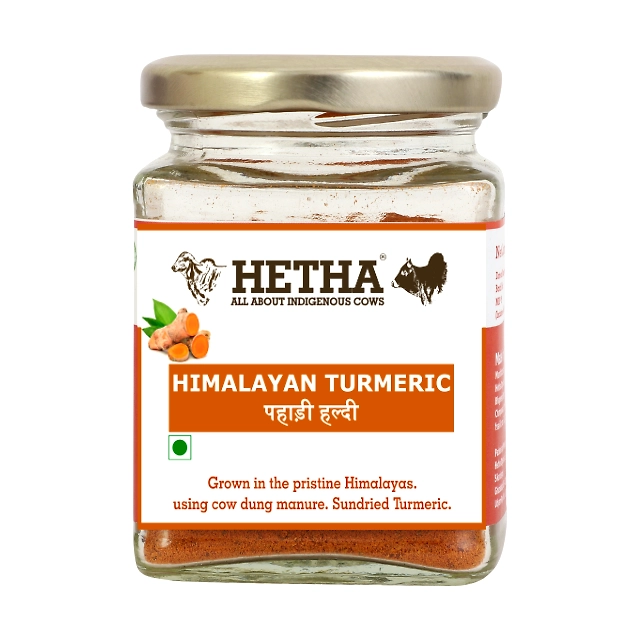
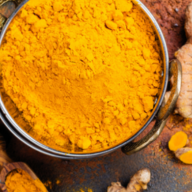
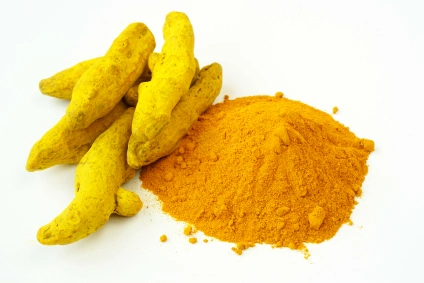
Turmeric, scientifically known as Curcuma longa, is a vibrant golden-orange spice renowned not only for its culinary applications but also its profound medicinal properties. This spice is a staple in cuisines around the world, particularly in Indian cooking, known for imparting flavor to various dishes, particularly curries. Beyond the kitchen, turmeric has been used in traditional Ayurvedic medicine, revered for its ability to treat a spectrum of health conditions—from digestive disorders to liver ailments, and inflammation-related diseases. The unique processing method involves boiling the rhizomes in alkaline water before drying them under sunlight, enhancing both their aroma and health benefits. Whether used as a spice, a dye, or a health supplement, turmeric holds significant value in B2B marketplaces, catering to the food industry, cosmetic formulations, and herbal supplement sectors.
Key Features
| Features | Description |
|---|---|
| Appearance | Deep golden-orange color with a distinct flavor |
| Uses | Widely used in cooking, as a dye, and in traditional Ayurvedic medicine |
| Health Benefits | Promoted for conditions such as arthritis, digestive disorders, and liver disease |
| Safety | Long history of safety with rare instances of acute liver injuries reported |
| Nutrient Content | 2 teaspoons serve 19 calories, 0.6g protein, 4g carbohydrates, 1.4g fiber |
| Attributes | Description |
|---|---|
| Scientific Name | Curcuma longa |
| Processing Method | Boiling rhizomes in alkaline water and sun-drying |
| Common Usage | Key ingredient in curry powder, dietary supplements |
| Calories (per 2 tsp) | 19 calories |
| Protein (per 2 tsp) | 0.6 grams |
| Fat (per 2 tsp) | 0.2 grams |
| Carbohydrates (per 2 tsp) | 4 grams |
| Fiber (per 2 tsp) | 1.4 grams |
| Sugar (per 2 tsp) | 0.2 grams |
*Disclaimer: The above description has been AI-generated and has not been audited or verified for accuracy. It is recommended to verify product details independently before making any purchasing decisions.
Turmeric is known for its anti-inflammatory properties and is often used to alleviate conditions like arthritis, digestive disorders, liver diseases, and respiratory infections.
Turmeric is processed by boiling the rhizomes in alkaline water, then they are dried under sunlight to enhance flavor and nutritional profile.
While turmeric has a longstanding history of safety, it is essential to monitor its intake, as there have been rare cases of acute liver injury.
Yes, turmeric is also utilized in herbal supplements, natural cosmetics, and as a dye due to its vibrant color.
A 2 teaspoon serving of turmeric contains 19 calories, 0.6 grams of protein, 4 grams of carbohydrates, 1.4 grams of fiber, and minimal fat and sugar.
Country Of Origin: India
Appearance
Turmeric is a spice with a deep golden-orange color and a distinct taste.
Uses
Turmeric is used in cooking, as a dye, and in traditional medicine. It's a common ingredient in curry powder. Turmeric is also used in Ayurvedic medicine to treat biliary problems, dyspepsia, and to improve appetite.
Health benefits
Turmeric is promoted as a dietary supplement for a variety of conditions, including arthritis, digestive disorders, respiratory infections, allergies, liver disease, and depression.
Safety
Turmeric products have a long history of safety, but have recently been implicated in several dozen instances of clinically apparent acute liver injury.
Processing
Turmeric is processed by boiling the rhizomes in alkaline water, then removing them and drying them in the sun.
Nutrients
A 2 teaspoon serving of turmeric contains 19 calories, 0.6 grams of protein, 0.2 grams of fat, 4 grams of carbohydrates, 1.4 grams of fiber, and 0.2 grams of sugar.
Stay informed with the latest market trends, quality guides, and industry analysis