Inclusive of all taxes
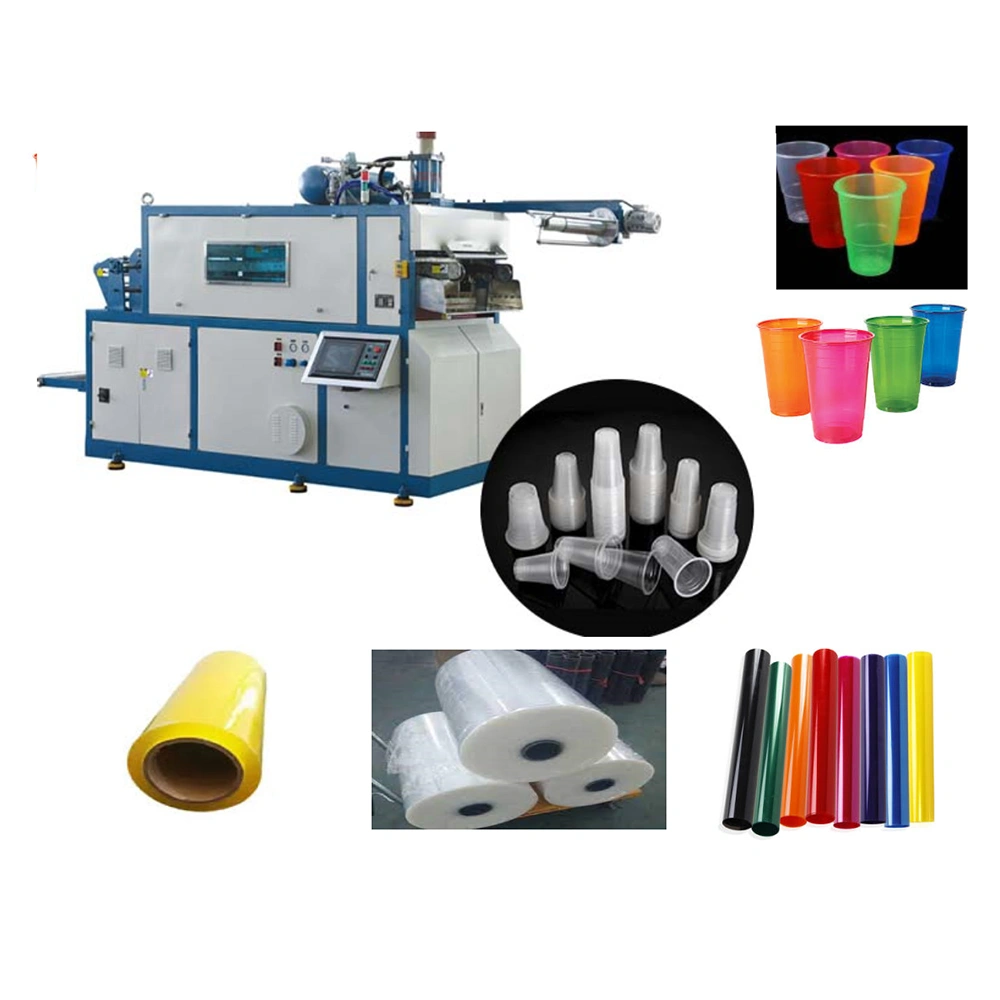
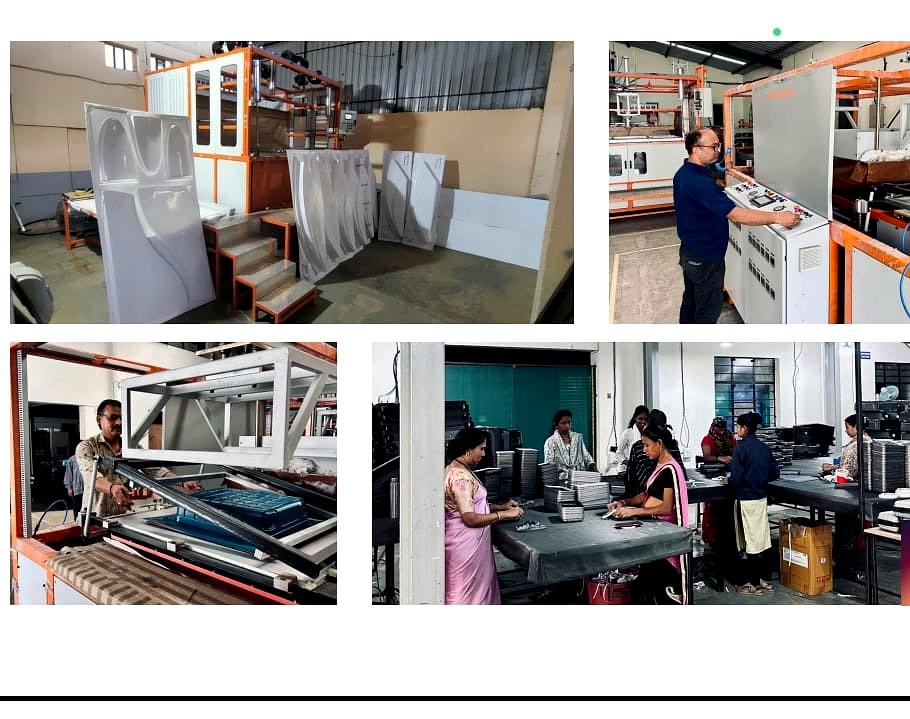
Thermoforming Machines for Plastic and Rubber are cutting-edge industrial devices designed to transform thermoplastic sheets into high-quality, precisely molded components and packaging products. These machines operate by uniformly heating plastic sheets such as PET, PVC, PP, and PS until they reach pliability, then shaping them using custom-designed molds through vacuum or pressure forming techniques. The resulting formed plastic products are subsequently cooled and trimmed to exact specifications, ensuring durability and aesthetic excellence. Ideal for sectors including food packaging (e.g., disposable trays, cups, and clamshell packaging), automotive parts (dashboards, door panels, HVAC ducts), medical components (blister packs and sterilizable trays), electronics cases, and consumer retail packaging, these thermofomers come in manual, semi-automatic, and fully automatic configurations. Advanced units integrate features such as automated sheet feeding, forming, cutting, stacking, and inline quality inspection, facilitating high-speed, energy-efficient production with minimal operator intervention. The machines are engineered for precise mold replication, supporting complex shapes and consistent repeatability, essential for high-volume manufacturing in various industrial applications.
Key Features
| Features | Description |
|---|---|
| Heating Method | Energy-efficient heating systems with uniform temperature control |
| Forming Technology | Supports vacuum forming and pressure forming |
| Automation Level | Available in manual, semi-automatic, and fully automatic systems |
| Material Compatibility | Works with PET, PVC, PP, PS thermoplastics |
| Production Speed | High-speed and consistent throughput suitable for mass production |
| Mold Precision | Precision forming for complex, detailed shapes |
| Additional Features | Automatic feeding, cutting, stacking and inline quality control in advanced models |
| Industry Applications | Food packaging, automotive, medical, electronics, retail consumer goods |
| Operational Efficiency | Minimal human intervention required due to automation |
| Finished Product Quality | Trimmed edges and smooth surfaces for ready-to-use components |
| Attributes | Description |
|---|---|
| Sheet Thickness Range | Typically 0.1 mm to 6 mm |
| Maximum Sheet Size | Varies by model, up to 1500 mm width |
| Cycle Time | Dependent on model, generally seconds to minutes per cycle |
| Power Supply | Industrial three-phase power, voltage depends on region and model |
| Machine Footprint | Compact to large-scale, model dependent |
| Control System | PLC based control with touch screen interface |
| Mold Type | Interchangeable molds customized per product design |
| Cooling System | Integrated cooling channels for rapid product solidification |
| Automation Options | Automatic sheet feeding, cutting, stacking, and inspection |
| Noise Level | Low noise design compliant with industrial standards |
*Disclaimer: The above description has been AI-generated and has not been audited or verified for accuracy. It is recommended to verify product details independently before making any purchasing decisions.
Yes, the thermoforming machines support both vacuum forming and pressure forming techniques, allowing flexible production depending on mold complexity.
These machines are compatible with a wide range of thermoplastics including PET, PVC, Polypropylene (PP), and Polystyrene (PS).
Yes, the product range includes manual, semi-automatic, and fully automatic thermoforming machines featuring automatic sheet feeding, cutting, stacking, and inline quality control.
Industries such as food packaging, automotive manufacturing, medical devices, electronics, and consumer goods extensively utilize these thermoforming machines.
The machines use precise temperature control and pressure regulation, combined with high-quality molds to achieve detailed and consistent product shapes.
Country Of Origin: India
Thermoforming Machine Description
A thermoforming machine is a specialized manufacturing device used to produce plastic packaging and components by heating thermoplastic sheets until pliable, then forming them into desired shapes using molds. The formed plastic is cooled and trimmed to create a finished product. These machines are widely used across industries such as food packaging, automotive, electronics, medical, and consumer goods.
Thermoforming machines are available in various configurations, including manual, semi-automatic, and fully automatic systems. The process can be classified into vacuum forming, where air is removed to shape the plastic, and pressure forming, where additional air pressure ensures detailed mold definition.
Key features include:
High-speed and consistent production
Energy-efficient heating systems
Precision mold forming for complex shapes
Compatibility with a variety of thermoplastics like PET, PVC, PP, and PS
Advanced models may include automatic feeding, forming, cutting, stacking, and inline quality control for enhanced productivity and minimal human intervention.
Food Industry:
Disposable trays, cups, lids, clamshell packaging.
Automotive:
Dashboards, door panels, HVAC ducts.
Medical:
Blister packs, sterilizable trays, lab containers.
Electronics:
Component housings, trays, protective covers.
Retail & Consumer Goods:
Display packaging, storage boxes, toy casings.
Inclusive of all taxes
You Save: 0
Nashik , India
Manufacturer, Professional Services, Brand Owner, Exporter, Women Entrepreneur