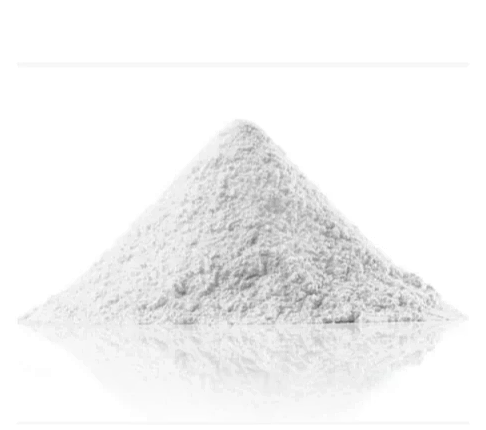
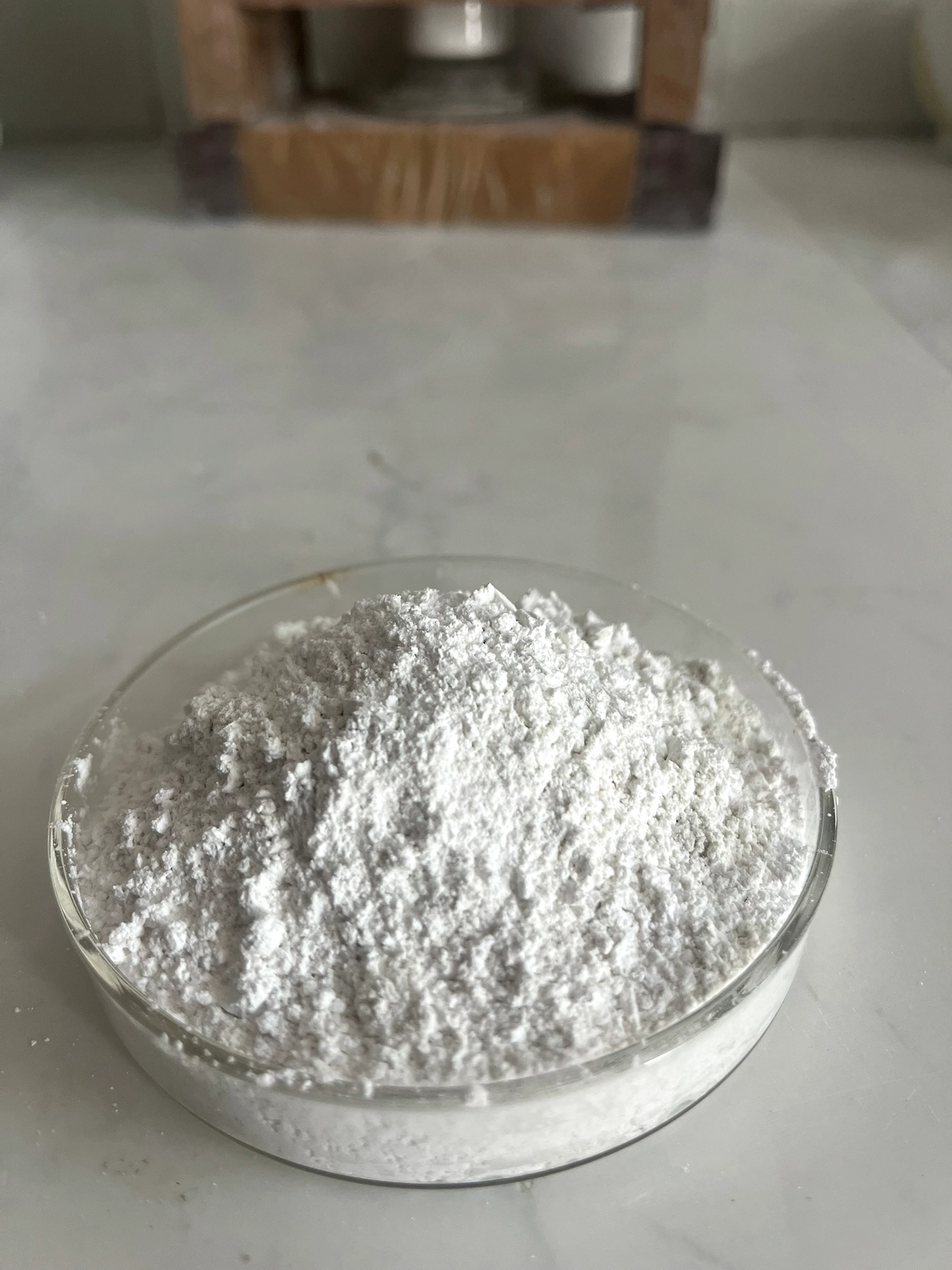
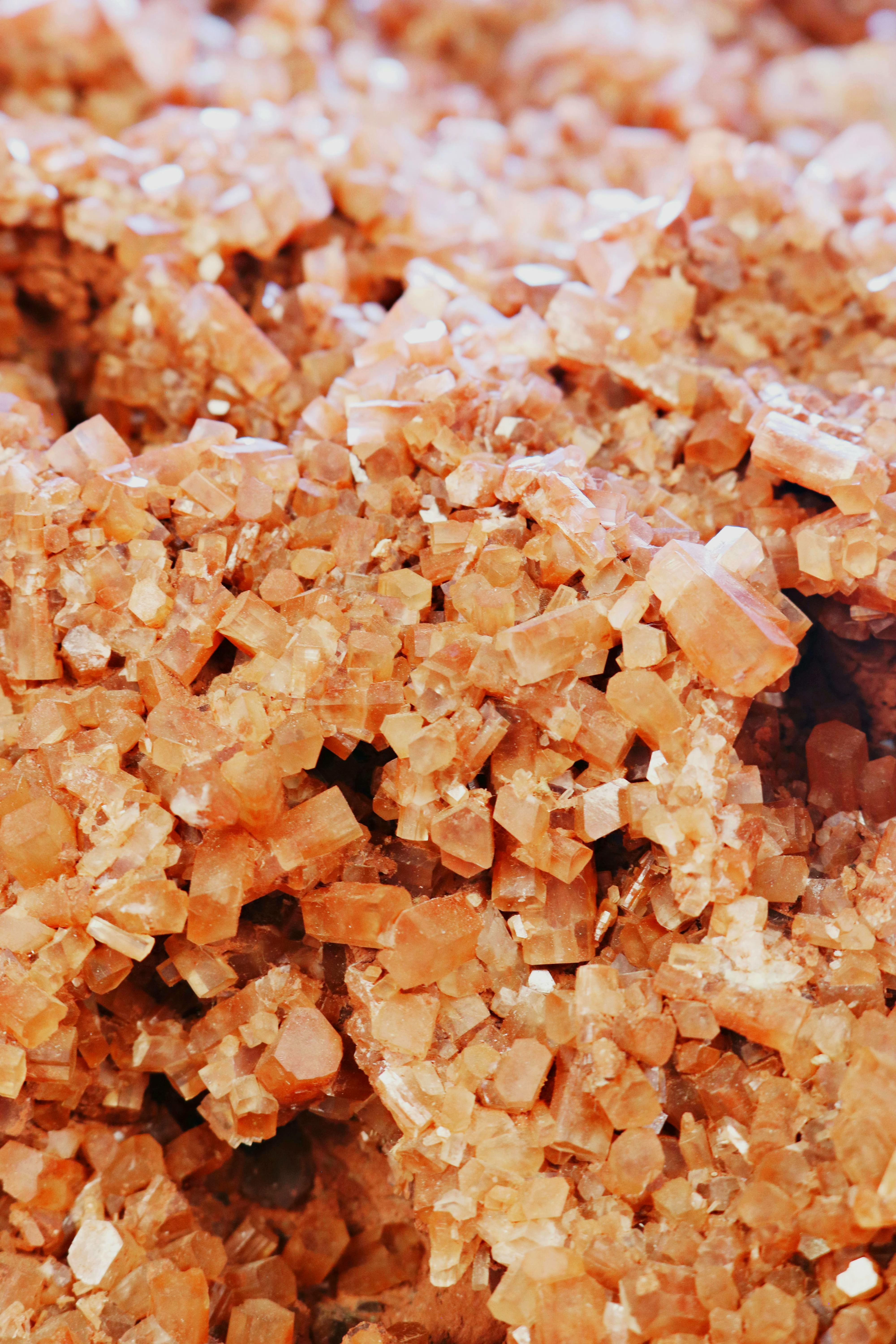
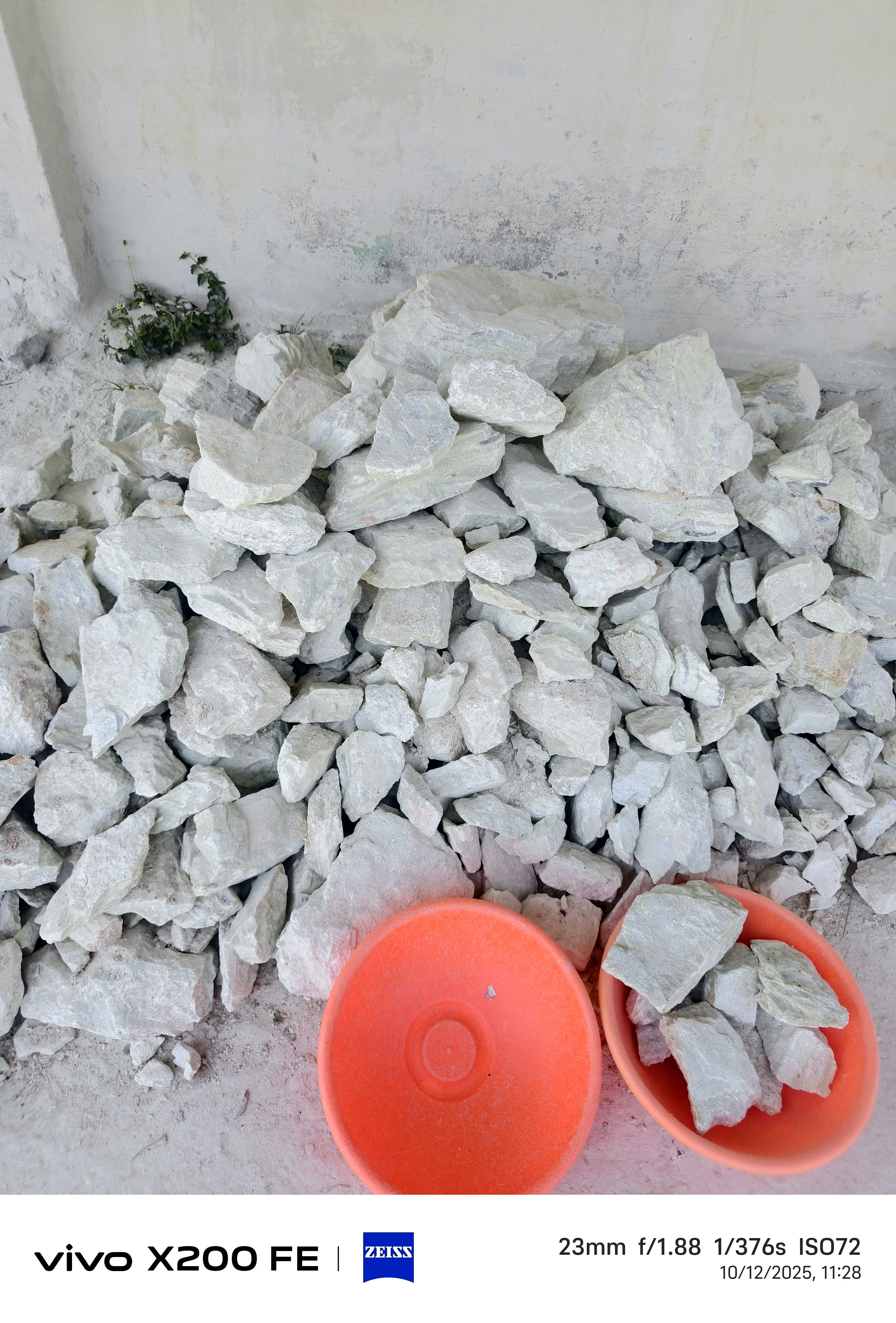
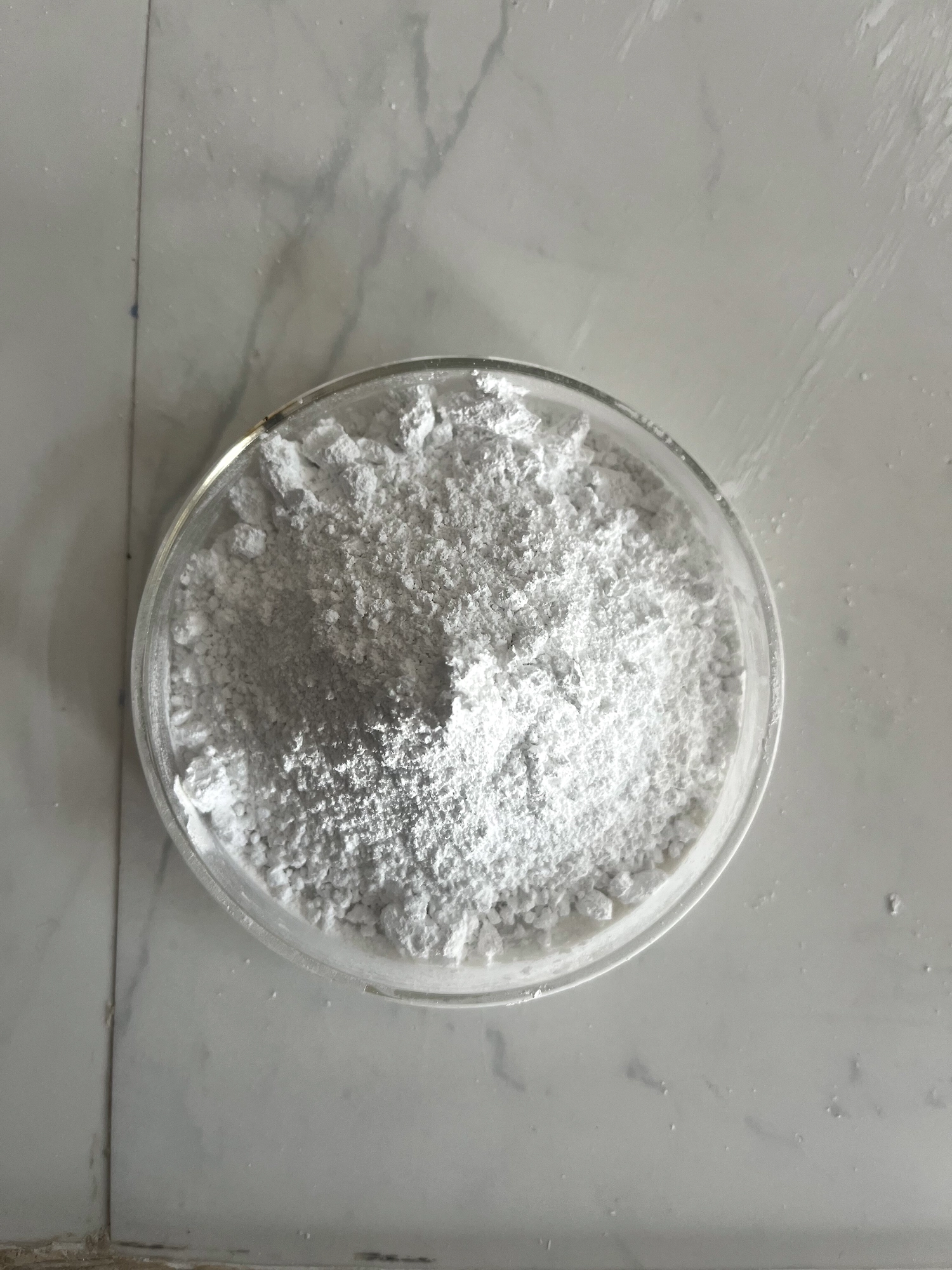
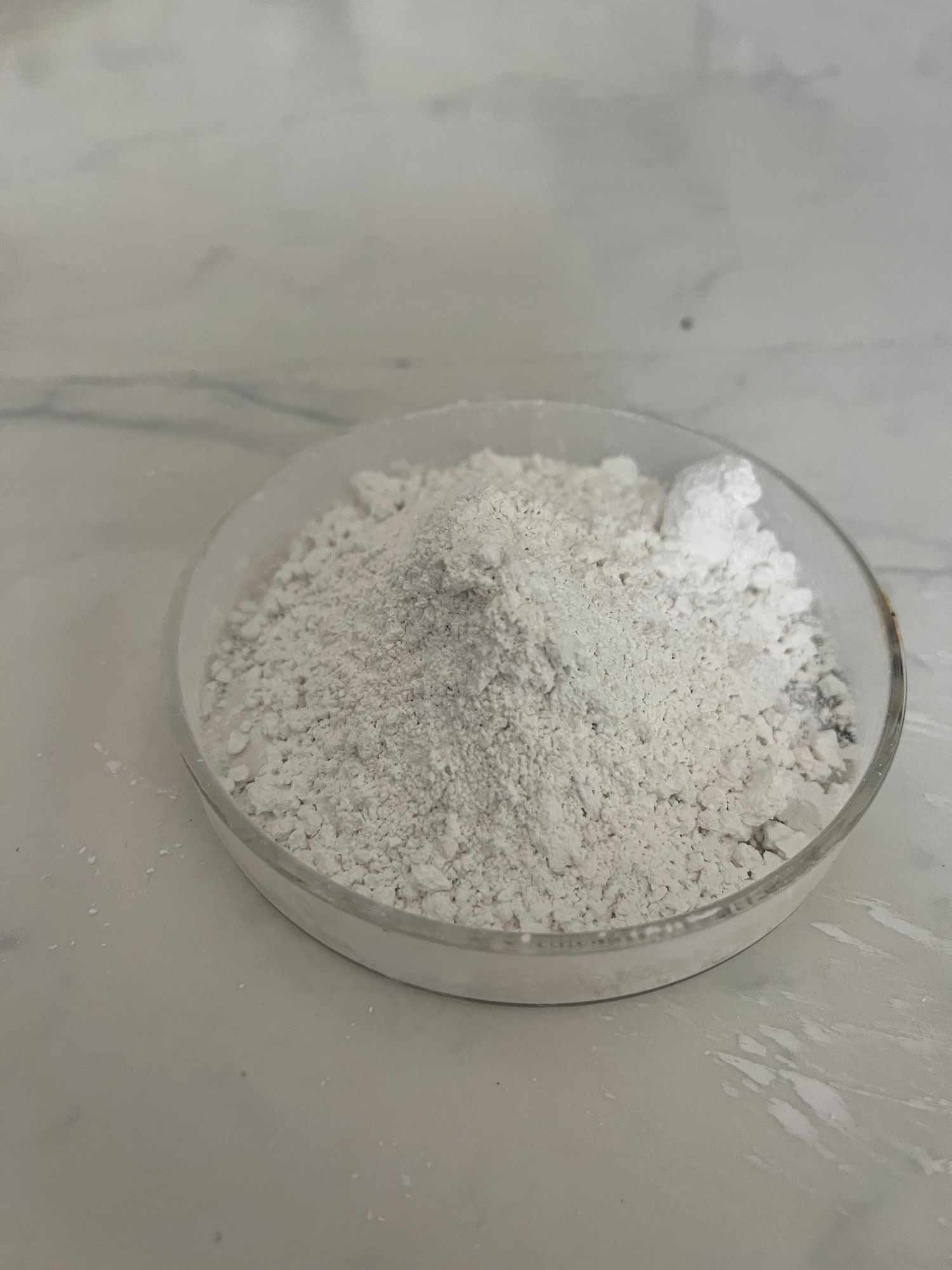
Talc Powder, also known as Soapstone or Steatite, is a naturally occurring mineral celebrated for its unique properties such as exceptional softness, chemical inertness, and moisture absorption. Composed primarily of magnesium, silicon, and oxygen, this Magnesium Silicate Powder is highly versatile and essential across various industrial applications. Talc's remarkable softness allows for seamless processing and application, making it ideal for use in industries ranging from plastics and paintings to pharmaceuticals and cosmetics. With particle sizes ranging from 10 to 40 microns, it caters to diverse industrial needs, enhancing the overall quality and durability of the end products. Its ability to absorb moisture also makes it crucial for humidity control and specific formulations, underscoring its importance as a reliable ingredient in numerous products.
Key Features
| Features | Description |
|---|---|
| Softness | Naturally soft texture allows for easy processing and application. |
| Chemical Inertness | Remains stable in most chemical environments, enhancing product durability. |
| Moisture Absorption | Effectively absorbs moisture, making it ideal for humidity control and certain formulations. |
| Particle Size | Available in fine powder with particle sizes ranging from 10 to 40 microns. |
| Versatile Applications | Used across various industries such as plastics, paints, ceramics, cosmetics, pharmaceuticals, and rubber. |
| Attributes | Description |
|---|---|
| Chemical Composition | Primarily composed of Magnesium, Silicon, and Oxygen. |
| Color | White or light green. |
| Moisture Content | Less than 0.5% |
| pH Level | Neutral, typically around 7. |
| CAS Number | 14807-96-6 |
*Disclaimer: The above description has been AI-generated and has not been audited or verified for accuracy. It is recommended to verify product details independently before making any purchasing decisions.
In the plastics industry, Talc Powder improves rigidity, dimensional stability, and the processability of various polymer formulations.
Talc Powder enhances opacity, smoothness, and scrub resistance in paints and coatings, resulting in higher-quality finishes.
Yes, Talc Powder is widely used as a filler and absorbent in powders, creams, and soaps, and is generally regarded as safe for use in cosmetics.
Talc Powder is available in fine particle size ranging from 10 to 40 microns, catering to various industrial requirements.
Absolutely, Talc Powder serves as a glidant and lubricant in tablet formulations, enhancing the tablet production process.
Country Of Origin: India
Talc, also known as Soapstone or Steatite, is a naturally occurring mineral primarily composed of magnesium, silicon, and oxygen. Commonly referred to as Magnesium Silicate Powder, it is highly valued for its unique properties such as softness, chemical inertness, and moisture-absorbing capability, making it indispensable in various industrial applications.
Key Features:
Softness: Its natural softness allows for easy processing and application.
Chemical Inertness: Remains stable in most chemical environments, enhancing product durability.
Moisture Absorption: Effectively absorbs moisture, making it ideal for humidity control and certain formulations.
Particle Size: Available in fine white powder with particle sizes ranging from 10 to 40 microns, catering to diverse industrial needs.
Applications:
Plastics and Polymers: Improves rigidity, dimensional stability, and processability.
Paints and Coatings: Enhances opacity, smoothness, and scrub resistance.
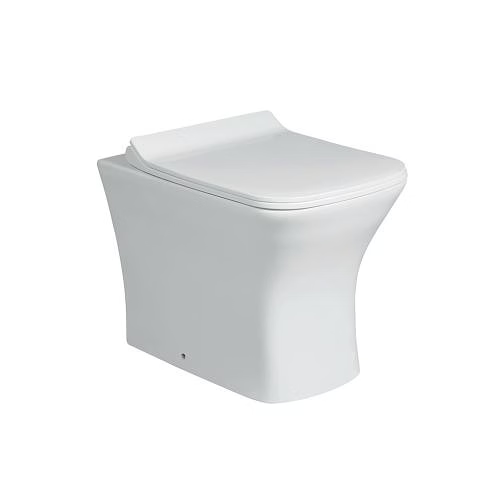
Ceramics: Used as a flux to improve vitrification and mechanical strength.
Cosmetics: Acts as a filler and absorbent in powders, creams, and soaps.
Pharmaceuticals: Serves as a glidant and lubricant in tablet formulations.
Rubber Industry: Improves mechanical properties and reduces costs as a reinforcing filler.