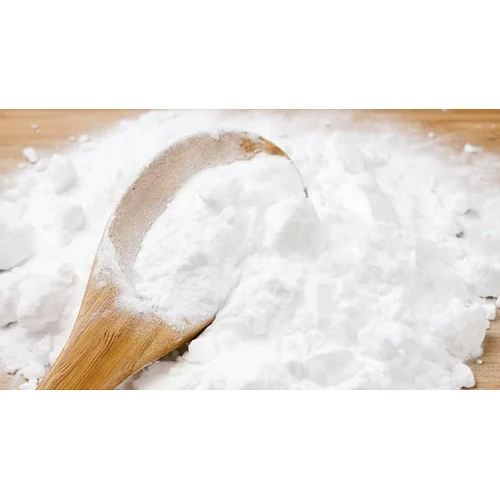
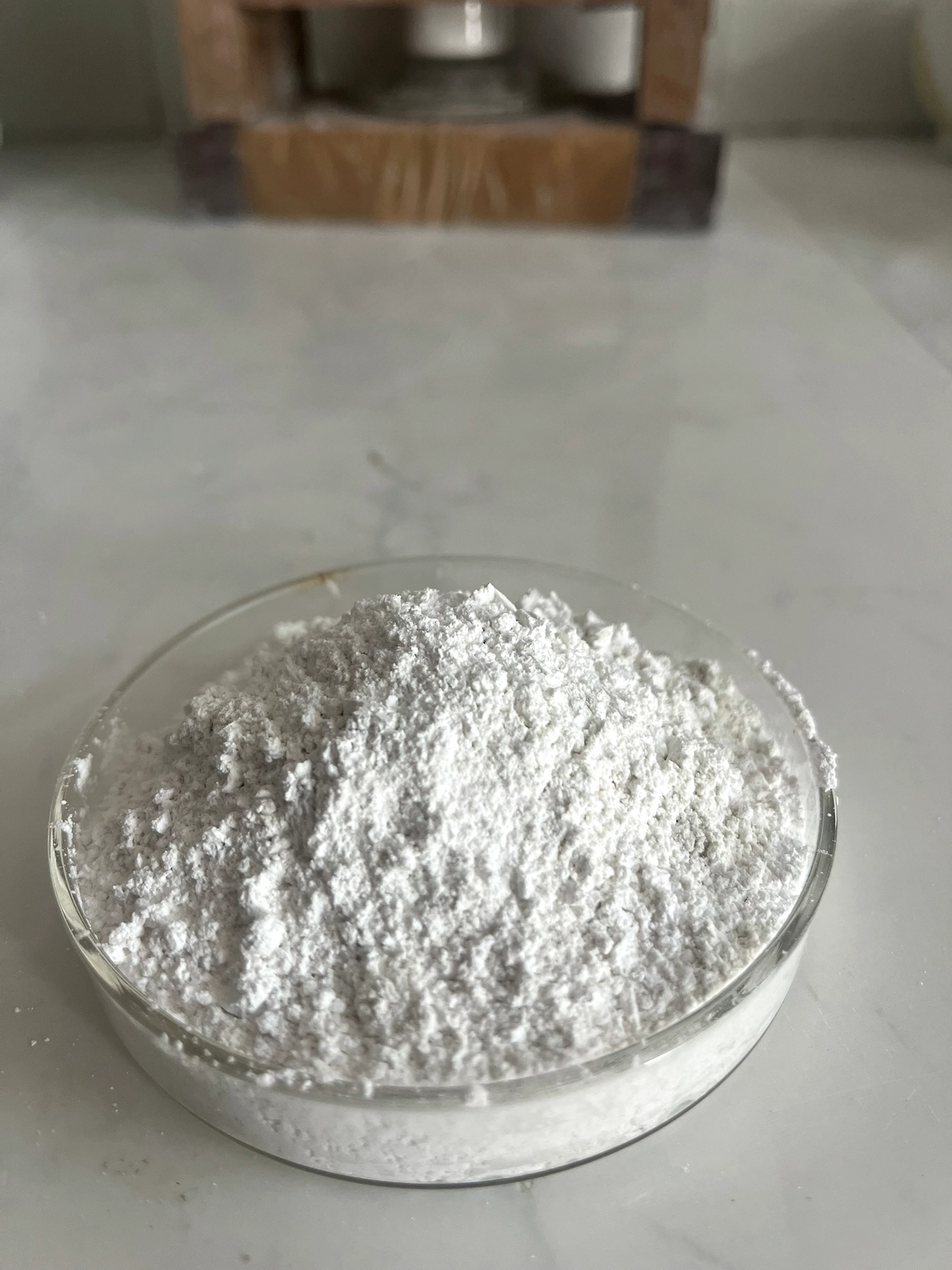
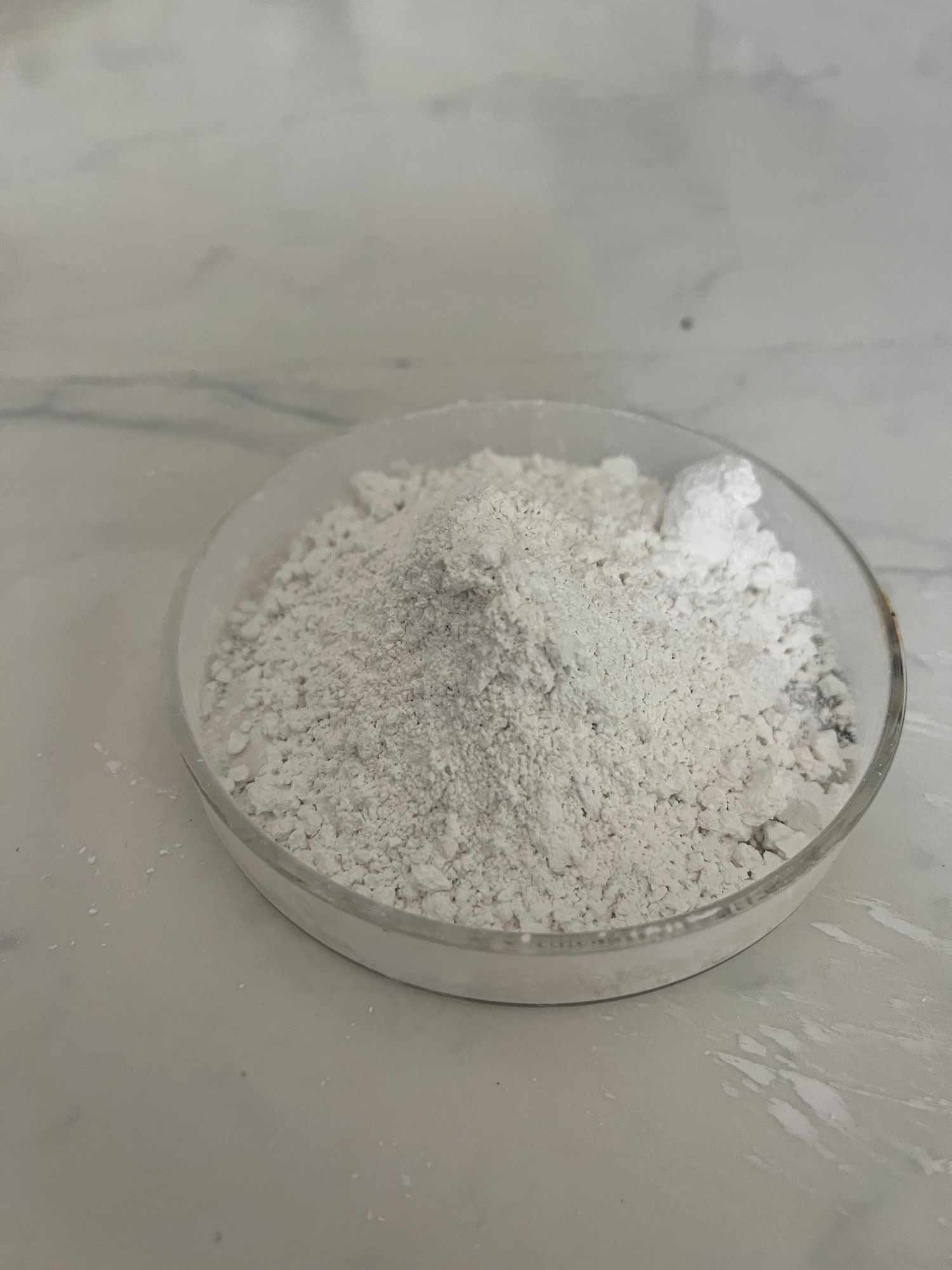
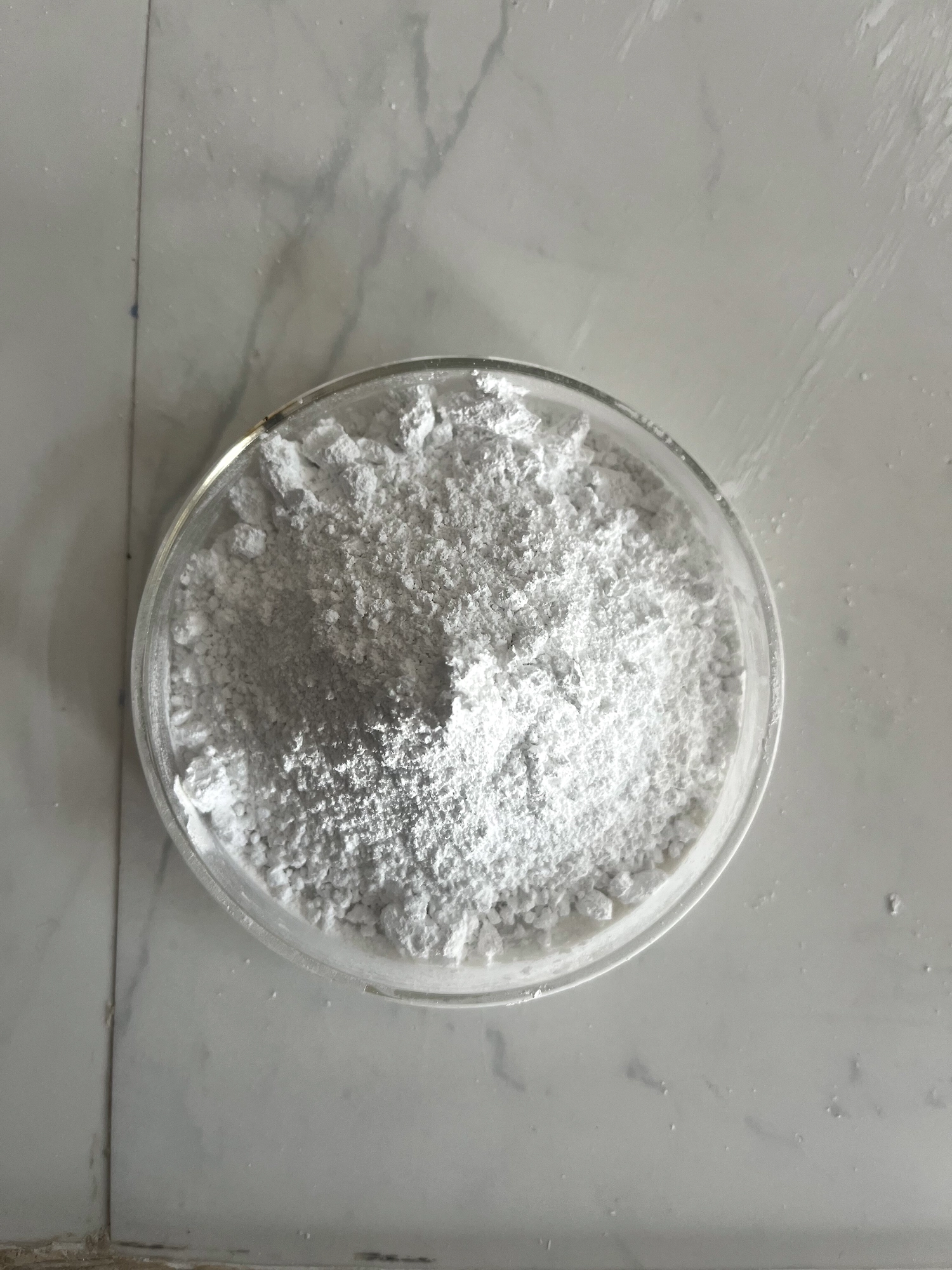
Calcium Carbonate (CaCO₃) is a naturally occurring mineral that has become a cornerstone in various industrial applications due to its remarkable purity and exceptional properties. This versatile raw material is predominantly composed of calcium and carbon and is recognized for its high brightness and low abrasiveness. Calcium Carbonate serves multiple roles across sectors such as plastics, paints and coatings, paper, agriculture, and construction. As a neutralizing agent, it effectively adjusts pH levels in various applications. Its mechanical benefits enhance the properties of polymers and coatings, making it an ideal choice for improving durability and opacity in paints. Additionally, as a cost-effective filler, it reduces overall costs in products like adhesives and plastics while providing essential performance enhancements. With fine white powder form and particle sizes ranging from 10 to 40 microns, Calcium Carbonate offers flexibility for customized applications, making it an essential component in the production of high-quality products.
Key Features
| Features | Description |
|---|---|
| Neutralizing Agent | Effectively neutralizes acids, ideal for pH adjustment applications |
| Mechanical Enhancer | Improves the mechanical properties of polymers, coatings, and construction materials |
| Cost-Effective Filler | Provides an economical filling solution in plastics, paints, paper, and adhesives |
| Particle Size Options | Available as fine white powder with particle sizes from 10 to 40 microns |
| Versatile Applications | Used in plastics, paints, paper, agriculture, and construction for various benefits |
| Attributes | Description |
|---|---|
| Chemical Formula | CaCO₃ |
| Color | White |
| Purity | High purity and brightness |
| Form | Fine powder |
| Particle Size Range | 10 - 40 microns |
| Industries Served | Plastics, Paints & Coatings, Paper, Agriculture, Construction |
*Disclaimer: The above description has been AI-generated and has not been audited or verified for accuracy. It is recommended to verify product details independently before making any purchasing decisions.
Calcium Carbonate is widely used in industries such as plastics, paints and coatings, paper production, agriculture, and construction due to its versatile properties.
Calcium Carbonate effectively neutralizes acids, making it an essential ingredient in applications requiring pH adjustment in various industrial processes.
The particle size of Calcium Carbonate, ranging from 10 to 40 microns, ensures its adaptability for specific applications, allowing for optimal performance and product quality.
Yes, Calcium Carbonate is commonly used in cement and plaster formulations to improve the strength and smoothness of construction materials.
Yes, Calcium Carbonate is a naturally occurring mineral and is considered safe for the environment, making it an eco-friendly choice for various applications.
Country Of Origin: India
Calcium Carbonate (CaCO₃) is a naturally occurring mineral, primarily composed of calcium and carbon. Renowned for its exceptional purity, high brightness, and low abrasiveness, this mineral is a versatile raw material widely used across various industrial sectors.
Key Benefits and Features:
Applications: