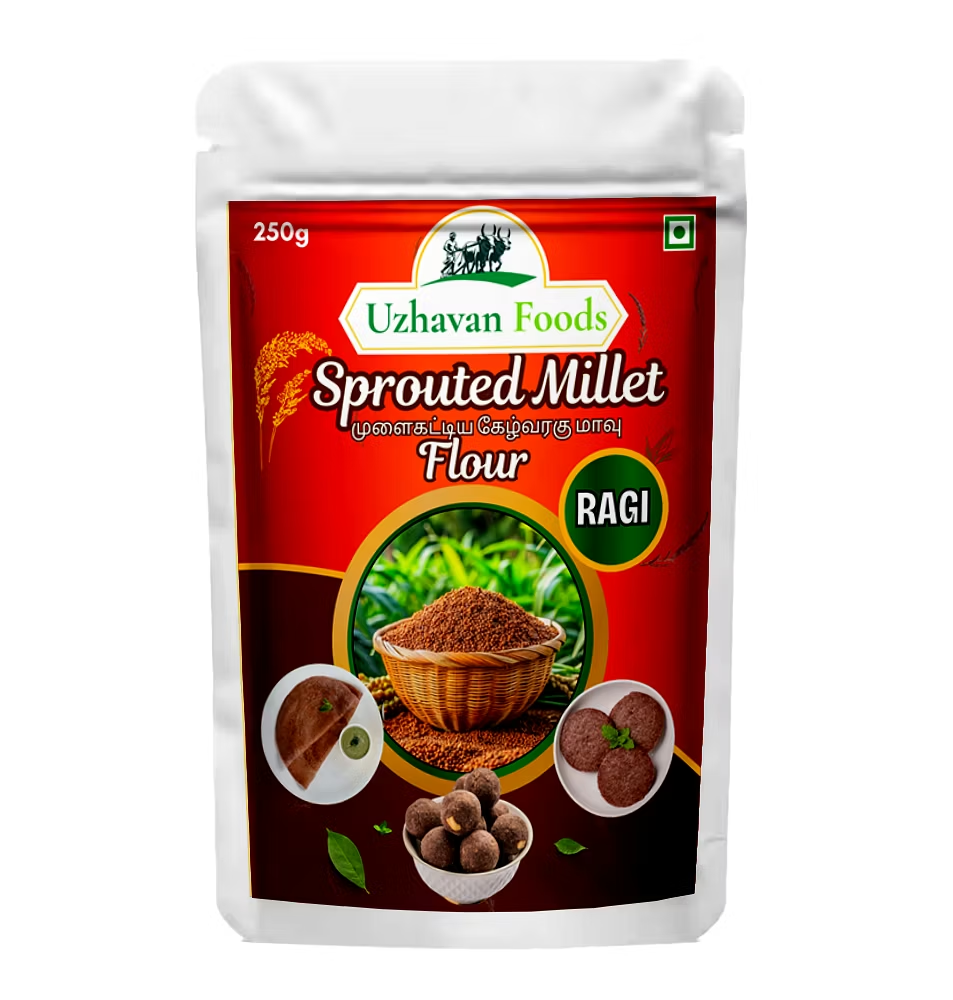
Sprouted Ragi Flour is a nutrient-dense flour derived from whole sprouted finger millet grains, known for its enhanced bioavailability of vital nutrients such as calcium, iron, and dietary fiber. The sprouting process increases its protein content and improves iron absorption, making it a superior choice compared to regular ragi flour. Perfect for use in traditional Indian recipes like ladoo, adai, porridge, dosa, rotis, and puttu, it offers a wholesome, gluten-free, and vegan-friendly ingredient ideal for promoting overall health and wellness. This flour is particularly suitable for gluten-intolerant individuals, infants during weaning, and anyone seeking a rich source of easily digestible plant-based nutrition. Its versatility in both sweet and savory dishes makes it an invaluable addition to commercial food production and health-focused culinary businesses.
Key Features
| Features | Description |
|---|---|
| Source | Whole sprouted finger millet grains |
| Nutritional Enhancement | Higher protein, dietary fiber, and improved iron bioavailability due to sprouting |
| Gluten-Free | Suitable for gluten-intolerant individuals and celiac patients |
| Digestibility | Easily digestible, ideal for infants and weaning foods |
| Usage | Suitable for ladoo, adai, porridge, dosa, rotis, puttu, and other traditional dishes |
| Dietary Benefits | Rich source of calcium, iron, dietary fiber, and vegan protein |
| Health Benefits | Promotes overall well-being and supports balanced nutrition |
| Product Form | Fine flour made from sprouted millet |
| Culinary Flexibility | Can be used in both sweet and savory recipes |
| Target Consumers | Infants, gluten intolerant individuals, health-conscious consumers, and vegan diets |
| Attributes | Description |
|---|---|
| Flour Type | Sprouted Ragi (Finger Millet) Flour |
| Processing Method | Whole grain sprouting followed by milling into fine flour |
| Protein Content | Enhanced compared to regular ragi flour |
| Dietary Fiber | High fiber content aiding digestion |
| Iron Bioavailability | Improved through sprouting process |
| Gluten Content | Gluten-free |
| Suitable For | Celiac disease sufferers, infants, vegan diets, gluten-intolerant individuals |
| Common Applications | Traditional Indian sweets and savory dishes like ladoo, adai, dosa, porridge |
| Packaging Options | Bulk packaging for commercial buyers or retail sizes |
| Shelf Life | Optimal storage recommended for maintaining freshness and nutrient retention |
*Disclaimer: The above description has been AI-generated and has not been audited or verified for accuracy. It is recommended to verify product details independently before making any purchasing decisions.
Sprouted ragi flour contains higher protein, dietary fiber, and improved iron bioavailability compared to regular ragi flour due to the sprouting process enhancing nutrient absorption.
Yes, sprouted ragi flour is easily digestible and nutrient-rich, making it an excellent choice for infant weaning foods, commonly used in southern India for this purpose.
Absolutely, sprouted ragi flour is naturally gluten-free and safe for individuals with celiac disease or gluten intolerance.
It is commonly used to prepare ladoo, adai, dosa, puttu, rotis, and porridge, offering a nutritious twist to these traditional recipes.
Sprouting enhances the bioavailability of crucial nutrients like calcium, iron, and dietary fiber by reducing antinutrients and improving digestibility.
Yes, its consistent nutrient profile and culinary versatility make it ideal for use in health food products and traditional dish manufacturing at a commercial scale.
Country Of Origin: India
Sprouted ragi flour is packed with nutrients and offers several health benefits. It is commonly used in traditional dishes like ladoo, adai, and porridge, providing a wholesome and nutritious option for a balanced diet. The sprouting process enhances its bioavailability, making essential nutrients like calcium, iron, and fiber more accessible to the body. Whether incorporated into sweets, savory pancakes, or hearty porridge, sprouted ragi flour is a fantastic choice for promoting overall well-being.
The whole grains of sprouted ragi are crushed to create sprouted ragi flour. When compared to regular ragi flour, sprouted ragi flour, also known as sprouted finger millet flour, offers higher levels of protein, dietary fiber, and improved iron bioavailability.
Porridge, rotis, dosa, puttu, and other foods can all incorporate ragi, a dense source of fiber, into a daily diet. Because of its high nutritional content, ragi is a fantastic vegan, gluten-free source of protein and a suitable infant food.
Benefits:
The advantages of sprouted ragi flour extend well beyond simple dietary benefits.
Locally referred to as ragi, finger millet is a traditional Indian crop that ranks sixth among the major cereals.
It is ideal for people with gluten intolerance, including celiac disease, and is very nutrient-dense and easily digested.
The digestibility and healthpromoting qualities of sprouted ragi flour make it a popular weaning food for babies in southern India.