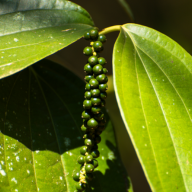
Mustard is a versatile spice known for its rich flavor and numerous health benefits. Particularly favored in agricultural and horticultural practices, mustard plants thrive in various soil conditions and climatic conditions, offering a high yield of seeds that are rich in oil and essential nutrients. The cultivation of mustard not only enriches the soil but also contributes to crop rotation benefits, making it an ideal choice for farmers looking to enhance productivity. With a well-managed mustard crop, farmers can see productions that significantly boost their economic returns. This spice is used in cooking, food preservation, and in the production of mustard oil, which has gained immense popularity in various culinary and dietary applications worldwide. Whether you are a farmer looking to diversify your crop portfolio or a processor seeking high-quality mustard for production, our mustard variety ensures optimal yield and quality, catering to both agricultural and horticultural needs.
Key Features
| Features | Description |
|---|---|
| High Yield Production | Exceptional yield generation in both agriculture and horticulture settings. |
| Versatility in Usage | Ideal for cooking, oil production, and food preservation. |
| Soil Enrichment | Improves soil health and supports crop rotation. |
| Disease Resistant | Naturally resistant to several common agricultural pests and diseases. |
| Nutrient Rich | Seeds are packed with essential fatty acids and nutrients. |
| Attributes | Description |
|---|---|
| Plant Type | Annual herbaceous plant |
| Soil Type | Loamy, well-drained soil |
| Sun Requirement | Full sun exposure for optimal growth |
| Ideal Temperature | 15°C to 25°C |
| Harvest Time | Approximately 90 to 100 days after planting |
*Disclaimer: The above description has been AI-generated and has not been audited or verified for accuracy. It is recommended to verify product details independently before making any purchasing decisions.
Mustard is best planted in early spring or late summer, depending on your climate.
Mustard typically takes about 90 to 100 days from planting to harvest.
While mustard prefers loamy well-drained soil, it can adapt to poorer soil conditions, making it a resilient crop.
Common pests include aphids and caterpillars; however, mustard is generally disease resistant.
Mustard seeds are rich in protein, fiber, and essential fatty acids, providing significant health benefits.
Brand: maa hingula
Stay informed with the latest market trends, quality guides, and industry analysis