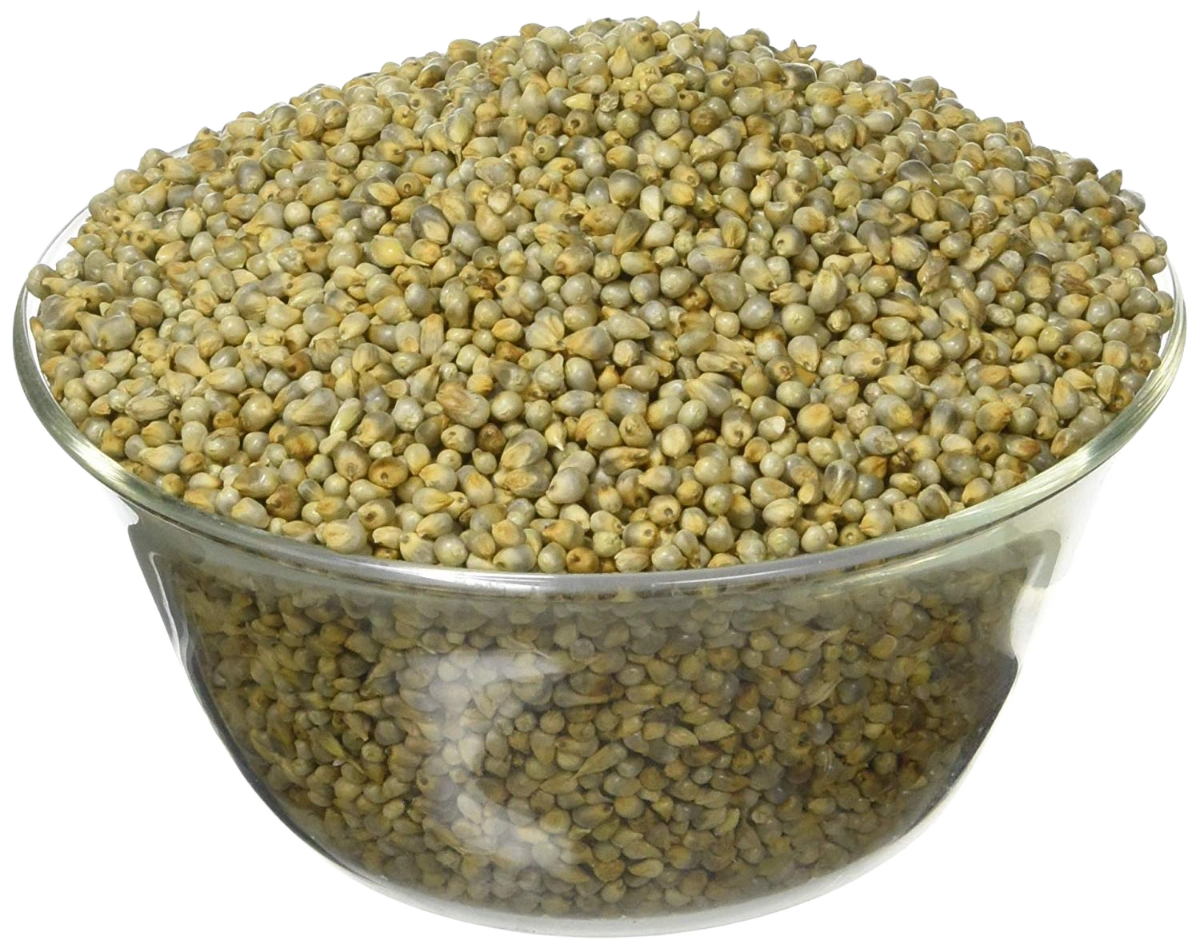
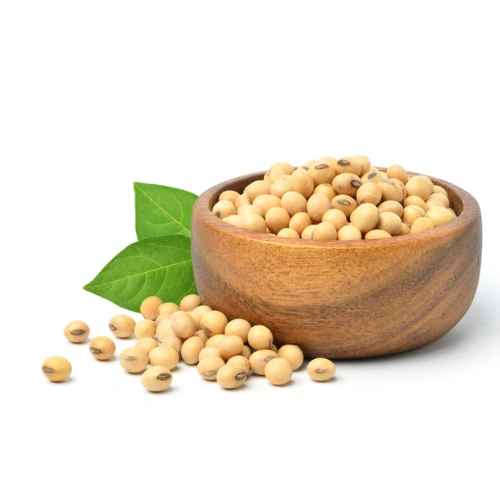
Indian-origin soybean seeds are a highly adaptable and nutrient-rich legume, widely cultivated in various regions of India. These seeds stand out for their exceptional protein content, which makes them a vital source of plant-based nutrition, particularly in vegetarian and vegan diets. Their versatility enables them to thrive in a variety of climatic conditions, especially in tropical and subtropical zones. The small to medium-sized beans boast a pale yellow to light brown color and are commonly incorporated in traditional Indian dishes such as curries and snacks, as well as fermented products like soy sauce and tofu. The cultivation of Indian-origin soybean not only supports dietary needs but also contributes to agricultural diversity and sustainability. By choosing Indian-origin soybean seeds, you are investing in a high-protein, versatile ingredient that enhances various culinary applications, catering to health-conscious consumers in the food industry.
Key Features
| Features | Description |
|---|---|
| Origin | Indian |
| Protein Content | High |
| Seed Size | Small to Medium |
| Color | Pale Yellow to Light Brown |
| Culinary Uses | Curries, Snacks, Soy Sauce, Tofu |
| Adaptability | Thrives in Tropical and Subtropical Zones |
| Nutritional Value | Rich in Protein and Essential Amino Acids |
| Dietary Preferences | Suitable for Vegetarian and Vegan Diets |
| Health Benefits | Supports Plant-Based Nutrition |
| Attributes | Description |
|---|---|
| Botanical Name | Glycine max |
| Seed Color | Pale Yellow to Light Brown |
| Seed Weight | Approx. 160,000 seeds per kg |
| Protein Content per 100g | Approx. 40g |
| Fat Content per 100g | Approx. 20g |
| Availability | Year-round |
| Shelf Life | 1-2 years under proper storage conditions |
| Cultivation Type | Agricultural |
| Packaging | Customizable based on client needs |
*Disclaimer: The above description has been AI-generated and has not been audited or verified for accuracy. It is recommended to verify product details independently before making any purchasing decisions.
They are primarily used in traditional dishes such as curries and snacks, as well as in fermented products like soy sauce and tofu.
Indian-origin soybean seeds typically contain around 40g of protein per 100g.
These seeds are highly adaptable to different climatic conditions, promoting diversity in agricultural practices.
Yes, Indian-origin soybean seeds can be cultivated in organic farming systems depending on compliance with organic standards.
Under proper storage conditions, the shelf life of these seeds is approximately 1-2 years.
Country Of Origin: India
Indian-origin soybean is a versatile and nutrient-rich legume, widely cultivated across diverse regions of India. This soybean variant is valued for its adaptability to varying climatic conditions, thriving particularly well in tropical and subtropical zones. Renowned for its high protein content, Indian-origin soybean serves as a crucial source of plant-based nutrition, making it a staple in vegetarian and vegan diets. The beans are small to medium-sized, with a pale yellow to light brown hue, and are often used in traditional Indian cuisines, including curries, snacks, and fermented products like soy sauce and tofu.
Stay informed with the latest market trends, quality guides, and industry analysis